
Exploring Rome often feels like walking through an open-air museum, but this Trevi Fountain Underground Small Group Tour offers a fresh perspective. For about two hours at $59.92 per person, you’ll join a small group led by a knowledgeable guide to uncover Rome’s lesser-known water systems and ancient ruins. Starting at Piazza di Spagna, the tour takes you through iconic landmarks before descending into the underground world of aqueducts and Roman water tanks, including the captivating Vicus Caprarius — the city of water. What makes this experience stand out is its combination of walking tour highlights with hands-on underground exploration, providing a deeper understanding of how water shaped Rome’s history and daily life.
Two features really shine. First, the expert guides—like Sabrina and Frederica—are clearly passionate and eager to share intriguing stories, making the history come alive. Second, the discovery of real underground Roman waterworks, such as the ancient aqueduct visible beneath a modern shopping mall, is a unique highlight. It’s not every day you get to walk into a Roman water tank built in 19 BC, layered with centuries of history, and see how water continued to flow through the ages. The only potential hiccup? The Trevi Fountain itself is a bit distant during the tour, with a rope-off barrier preventing close-up views of the water, which could disappoint those hoping for an up-close photo opportunity.
Key Points:
Expert guides keep the tour engaging and informative.
Underground ruins reveal a hidden side of Roman engineering.
Flexible and easy-to-find meeting point near public transport makes logistics simple.
Entry to Vicus Caprarius is included, offering an exclusive peek into ancient water infrastructure.
It’s ideal for curious travelers eager for a different look at Rome’s water and architecture.
Limited group size ensures personalized attention and more interaction.
A Closer Look at the Tour Itinerary
Starting at Piazza di Spagna
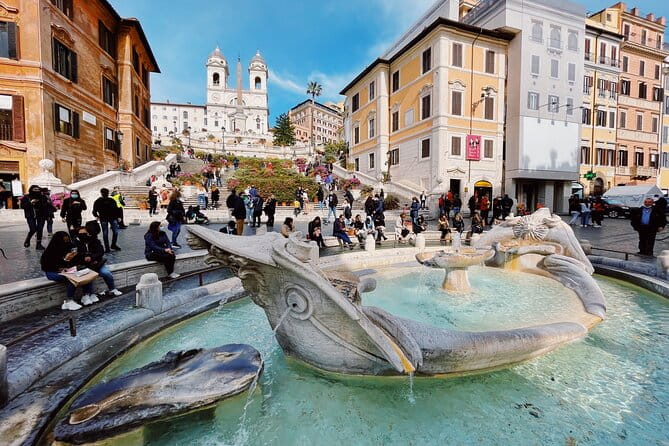
The tour kicks off here, where you’ll meet your guide and fellow travelers in the heart of Rome’s famous shopping district. It’s a lively meeting spot, easy to find thanks to its proximity to public transportation. Here, your guide will set the scene with the district’s history, explaining how the Spanish Steps, surprisingly, aren’t Spanish at all—something you might find amusing. You’ll also learn about the fountains of la Barcaccia, which is still fed by an ancient Roman aqueduct over two thousand years old. It’s a charming reminder that water has long been a symbol of Roman ingenuity.
You can also read our reviews of more tours and experiences in Rome.
Exploring the Colonna dell’Immacolata
A quick stop here reveals the column’s ties to Christmas traditions, adding a bit of contemporary local flavor. It’s a short pause, but one that enriches your understanding of Rome’s layered culture.
The Acquedotto Vergine and Visible Aqueducts
Next, you’ll see the overground remnants of aqueducts—a tangible link to ancient Roman engineering. The aqueducts are surprisingly visible in the cityscape, often blending seamlessly into current urban life. Your guide might point out the mysterious door beside the aqueduct, hinting at hidden stories. It’s a chance to appreciate how these water channels have outlived their original purpose and still influence how the city functions.
Downtown Shopping with a Twist: Rinascente Roma Tritone
Most visitors see department stores only as shopping venues, but this one is special. Beneath it, ruins of the only functioning Roman aqueduct still in use today can be explored. This is a striking example of how Rome’s buildings are layered with history—modern commerce built directly over ancient infrastructure, blending past and present in a very Italian way.
The Iconic Trevi Fountain
No trip to Rome is complete without a visit to the Trevi Fountain. And yes, during this tour, you do get to see it—although the water itself might be just out of reach behind a barrier, which some travelers find a bit disappointing. Still, your guide will recount the legends and stories surrounding the fountain, from ancient Roman times to modern-day traditions of throwing coins for good luck. The fountain’s grandeur makes it a worthwhile stop, especially with the historical context added by your guide.
Descending into the Vicus Caprarius
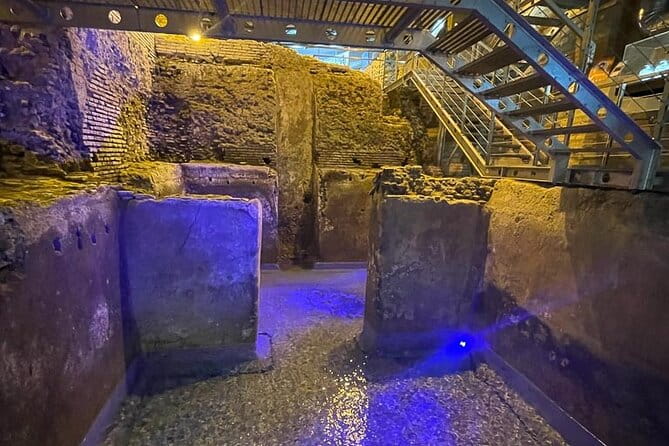
The underground highlight is here. You’ll explore Vicus Caprarius, the “City of Water,” where water from ancient aqueducts still flows beneath Rome. Walking through the remains of Roman water tanks built in 19 BC, you’ll discover layers of history—houses, streets, and aqueducts—all intertwined in a complex “lasagna” of ruins. Not only do you see the structure, but you learn how water was an essential part of everyday Roman life, from baths to fountains. Reviews praise the expert guidance here—Federica, in particular, is noted for her engaging storytelling.
Practicalities and Experience Quality
The tour’s small group size—maximum 12—means you get personalized attention and can ask many questions. It also keeps the experience intimate, avoiding the crush of larger tours. The duration of approximately 2 hours feels just right—enough to see multiple sites without fatigue. The price at under $60 includes entry to the underground ruins, which is a significant value considering how much history is packed in.
The meeting point is conveniently located near public transportation, making it easy to incorporate into a day of sightseeing. The flexibility of a mobile ticket means you can arrive stress-free. The timing at 3 PM fits well into an afternoon, leaving your morning free for other adventures.
Who Would Love This Tour?
If you’re a traveler with an interest in history, engineering, or hidden city secrets, this tour is a standout. It’s also a good choice for those who prefer small groups and meaningful interaction. Families with older children, history buffs, or water enthusiasts will find plenty to appreciate. However, if seeing the Trevi Fountain’s water up-close is your top priority, be aware that during busy times, access might be restricted.
Summary

This underground Rome water tour offers a rare glimpse into the city’s hidden plumbing and ancient ruins, layered beneath modern streets. Guided by enthusiastic experts like Sabrina and Frederica, you’ll discover how water shaped Rome’s growth and how those ancient channels keep flowing today. The inclusion of the Vicus Caprarius makes it a memorable experience for anyone keen to see Roman engineering in action beneath their feet.
The tour balances engaging storytelling with access to sites most travelers never encounter—making it a worthwhile investment for those curious about everyday Roman life in antiquity. The limited group size, convenient location, and compelling underground ruins distinguish this tour from more conventional sightseeing.
For travelers who love history, architecture, and secret corners, this tour packs in plenty of value and authentic discoveries. It’s especially suited for those who appreciate a knowledgeable guide and are eager to explore Roman waterworks that still serve the city today.
FAQ
Is the Trevi Fountain actually part of the tour?
You do see the Trevi Fountain during the tour, but due to crowd control (roped-off area), you won’t get a close-up view of the water. Still, your guide will share the fountain’s stories and significance.
How long does the tour last?
The experience is approximately 2 hours, making it a manageable addition to your day without feeling rushed.
Is the tour suitable for children?
Most travelers can participate, and the focus on underground ruins and water systems might engage older children and teens interested in engineering or history.
What is included in the ticket price?
The €59.92 price covers guided interpretation, walking through landmarks, and entry to the Vicus Caprarius underground ruins.
How easy is it to find the meeting point?
Very easy. The tour begins near Piazza di Spagna, a central and well-connected spot close to public transportation.
Can I cancel if my plans change?
Yes, the tour offers free cancellation up to 24 hours in advance for a full refund.
Who are the guides?
Guides like Sabrina and Frederica are praised for their engaging, informative style and ability to make history come alive.
Is the underground tour physically demanding?
The walk involves some steps, but it’s generally accessible for most travelers with reasonable mobility.
Can I join the tour on the day?
Advance booking is recommended—most travelers book about 84 days ahead—so plan early to secure a spot.
If you’re curious about Rome’s water infrastructure and want to explore beneath the surface, this tour offers a compelling mix of history, engineering, and lively storytelling. It’s a great choice for those who enjoy uncovering hidden stories tucked away under the bustling streets of the Eternal City.
More Tours in Rome
- Vatican City: Sistine Chapel, Museums, Basilica Private Tour
- Transfer from Rome to Positano & Pompeii Guided Tour
- From Rome: Tivoli’s Hidden Charms Exclusive Private Tour
- Rome: Basilica of Santa Maria Maggiore Tour
- Rome: Vespa Tour with Pro Photos & Authentic Ginseng Coffee
- Rome: Private Colosseum Experience and Ancient Ruins Tour
More Tour Reviews in Rome
Not for you? Here's more things to do in Rome we have recnetly reviewed
- Rome: Trevi Fountain Underground Aqueduct Walking Tour
- Rome: Orvieto and Civita di Bagnoregio Day Trip by Train
- Semi-Private First Entry Colosseum Arena & Roman Forum
- Rome: Colosseum Arena, Forum & Palatine Hill Guided Tour
- Rome: Off the Beaten Path Private Tour
- Rome: Highlights & Hidden Gems, Vespa Sidecar Guided Tour
- Rome: Ancient Rome Nighttime Sightseeing Tour
- Rome: Colosseum with Arena Floor, Palatine Hill & Forum Tour
- Rome: Vatican Museums Sistine Chapel St Peters Basilica Tour
- Rome: Private Customizable 3-Hour Golf Cart City Tour
- Rome: Vespa Self-Drive Tour with Gelato
- Rome: Campo de’ Fiori, Villa Farnesina & Trastevere Tour