
A Thought-Provoking Tour Through London’s Slave Trade History
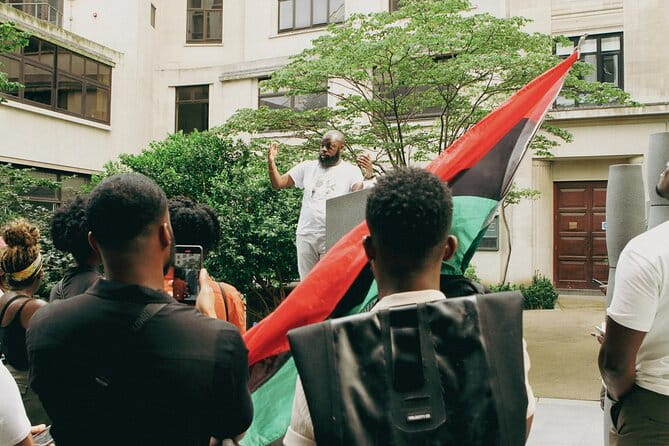
This tour offers a revealing look at London’s historical ties to the transatlantic slave trade—a side of the city often overlooked in traditional guides. Led by Darrel Blake, a passionate guide with deep knowledge and academic roots, it takes you on a three-hour journey through the financial heart of London, uncovering how institutions, buildings, and markets played roles in slavery’s economic engine. It’s a sobering experience, but one that feels essential for anyone interested in understanding the full story behind Britain’s colonial past.
What I find most compelling about this tour is how it balances educational depth with engaging storytelling. Darrel’s ability to connect historical facts to today’s world makes the history stick. The tour’s focus on hidden stories behind recognizable London landmarks—like the Royal Exchange and Lloyds of London—adds layers of understanding often missing from typical city walks. Plus, for those curious about the economic side of slavery, the stops at Fenchurch Street and Borough Market reveal the commerce behind the trade, bringing the past to life.
A possible consideration is that the tour’s focus on financial institutions and architecture might feel less dynamic for travelers seeking a more visual or hands-on experience. It’s more about learning the connections and stories behind buildings rather than walking through lively markets or historic sites with grand monuments. Still, this makes it a perfect choice for visitors who want to dig into London’s less obvious history with a knowledgeable guide.
This tour offers a thoughtful, well-researched look into Britain’s complicity in slavery, packed with jaw-dropping facts, humor, and insightful perspectives. It’s a meaningful way to spend a few hours that will leave you with a new understanding of the city’s history—and its ongoing impact.
Key Points / Takeaways
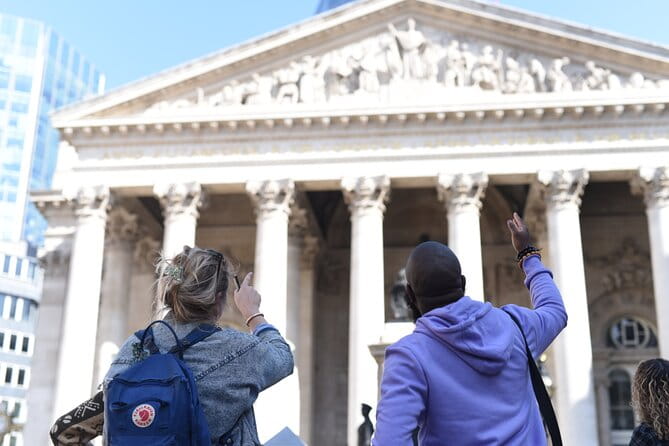
- In-Depth Narrative: The tour is led by Darrel Blake, whose knowledge and passion make complex history accessible and engaging.
- Focus on Financial History: It explores how London’s institutions like Lloyds and the Royal Exchange were directly involved in the slave trade.
- Unique Stops: From the historic Borough Market to Fenchurch Street, the tour uncovers the dark economic ties behind familiar landmarks.
- Authentic Learning: The experience includes a detailed booklet and real insights backed by academic research, interviews, and archived documents.
- Impactful Reviews: Visitors praise the guide’s clarity, knowledge, and the eye-opening nature of the experience, describing it as educational and “jaw dropping.”
- Affordable and Thoughtful: At around $48 per person, it offers a deep dive into serious history without an overly high price tag, making it good value for those interested in social justice and history.
Want to dig deeper into London? We've also reviewed these city tours
Exploring London’s Hidden History of the Slave Trade
Starting Point and First Impressions
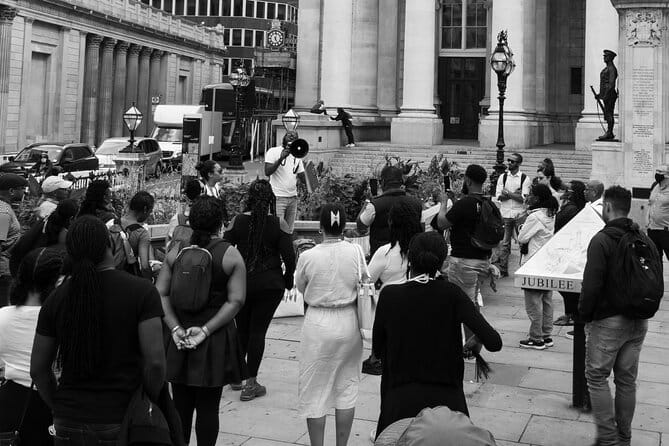
The tour begins at the Royal Exchange, a symbol of London’s long-standing commercial power. Meeting here at noon, I immediately appreciated how the guide, Darrel, set a respectful tone; he’s clearly committed to honest storytelling rooted in thorough research. The small group size—capped at 30—makes it easy to ask questions and stay engaged. As we waited in the rain, Darrel’s narration promised an eye-opening experience ahead.
City of London: Financial Heart of the Past and Present
Our first stop in the historic Bank area sets the stage. Here, the focus is on London’s role as a major financial hub entangled in slavery. The buildings themselves may seem unassuming, but Darrel pointed out how the banks and institutions here once served as financiers for slave ships and trade profits. It’s a reminder that history isn’t only in museums but woven into the fabric of the city’s architecture.
Royal Exchange Building: The Commercial Nexus
Next, we explore the Royal Exchange, once London’s financial heartbeat. Darrel explained how this grand building facilitated commerce that directly or indirectly supported the slave economy. As we stood outside, I learned that some of London’s wealth—funded by slave labor—helped build the very city we walk through today. One reviewer described this part as “captivating,” and I agree—seeing the site through this lens gives it a new dimension.
Fenchurch Street and the Shipping Industry
The tour’s highlight is Fenchurch Street, known for its bustling shipping and trading activity. Darrel pointed out how many shipping companies based here profited from the transatlantic slave trade, and how these operations helped fuel Britain’s economic growth. The area’s deep ties to goods like sugar and tobacco—produced by enslaved people—are also explored. For many, this stops feels especially personal, revealing the darker side of commerce behind familiar goods.
Lloyds of London: Underwriting the Trade
Lloyds of London, the iconic insurance market, played a pivotal role in insuring slave ships and their cargoes. Standing outside, I appreciated how the institution’s involvement was both practical and symbolic—highlighting the financial risks and moral questions tied to slavery. According to reviews, Darrel’s delivery makes this complex history accessible, and I found myself appreciating the network of financial support that underpinned the trade.
Borough Market: Goods and Dark Histories
Our final stop at Borough Market uncovers the connection between modern markets and historical exploitation. The market’s long history as a trading hub involved commodities like sugar and tobacco, which were produced by enslaved labor. The guide emphasizes that understanding these links deepens our awareness of everyday products’ origins. Although the market is lively, it’s important to remember this darker past buried beneath the bustling stalls.
The Value of This Experience
What Makes It Worthwhile?
For around $48, this tour offers more than just sightseeing—it delivers an opportunity to confront difficult truths about how London, and by extension Britain, profited from slavery. The combination of expert guidance and well-researched content ensures that you not only learn but also reflect on the ongoing effects of this history. The inclusion of a tour booklet helps reinforce key points for later reflection.
Who Will Appreciate It?
This tour is best suited for visitors with a curiosity about social justice, economic history, or British colonialism. It suits those who prefer educational experiences over entertainment, and who are comfortable engaging with complex and sometimes uncomfortable topics. It’s also perfect for anyone wanting to see the city through a different, more critical lens.
Logistical Details and Practicalities
Starting at 12:00 pm from the Royal Exchange, the tour lasts approximately three hours. It’s a walking tour, with stops at several historic sites, mostly outdoors, so wearing comfortable shoes and weather-appropriate clothing is recommended. The tour is mobile ticketed, making check-in smooth, and is well-suited for most travelers, including service animals. Since the tour is booked an average of 15 days in advance, planning ahead is advisable.
Price and Overall Value
At $47.97, the price is quite reasonable considering the depth of information and the expert guidance. The fact that the stops are free to enter means the main value lies in the storytelling and context provided, which many reviewers have called “eye-opening.” Compared to typical city tours, this one emphasizes meaningful learning over superficial sights.
Final Reflection: Who Should Take This Tour?

In essence, this experience is perfect for those who want a thoughtful, historically grounded exploration of London’s role in the slave trade. It’s especially suitable for travelers interested in hidden histories, financial architecture, and social justice. If you’re looking for a tour that challenges your assumptions and broadens your understanding of Britain’s past, this is a compelling choice.
It’s less about grand landmarks and more about uncovering the stories behind the buildings we pass every day. It’s a powerful reminder that history isn’t just in textbooks but woven into the very streets we walk.
FAQ
How long is the tour?
The tour lasts approximately three hours, giving enough time to explore multiple sites without feeling rushed.
Where does the tour start and end?
It begins at The Royal Exchange in London’s City center and ends at Borough Market, making it easy to continue exploring afterward.
Is this suitable for all ages?
Most travelers can participate, and the tour is designed for an adult audience interested in history and social issues. It’s family-friendly but may be more enriching for older children and adults.
Do I need to book in advance?
Yes, it’s recommended to book about 15 days ahead, as the tour is popular and limited to 30 participants.
What’s included in the price?
You get a guided tour and a booklet. Entrance to the highlighted sites is free, and food or drinks are not included.
Is this a walking tour?
Yes, it involves walking between sites, so wear comfortable shoes and be prepared for outdoor weather conditions.
What if the weather is bad?
If canceled due to poor weather, you’ll be offered a different date or a full refund, ensuring you don’t lose out.
To sum it up, the Slave Trade Money Trail Tour offers a rare opportunity to understand London’s involvement in slavery through the lens of finance, architecture, and commerce. Led by a knowledgeable guide like Darrel Blake, it’s a meaningful, eye-opening experience that will resonate long after your visit. Whether you’re passionate about history or social justice, this tour provides valuable insights into how the past shapes our present.
More City Tours in London
More Tours in London
More Tour Reviews in London
Not for you? Here's more things to do in London we have recnetly reviewed
- London: Old City Walking Tour
- London: Private Flying-dress Photoshoot @jonadress
- Dragaoke – Drag Hosted Karaoke!
- London: British Museum Private Tour & Tickets Included
- London: The Magician’s Table – Up-Close Magic Show
- London: British Museum Highlights: Private Tour
- Tour a Piedi di Harry Potter a Londra
- London: The Great British Rock and Roll Music Walking Tour
- London: Christmas Lights Tour – With Christmas Music
- City(Tower) of London by LE GRAND – London’s Luxury Bus Tour
- Orpington: Silver Ring Making Workshop
- Secret Old London Walking Tour