
If you’re in Lisbon looking for a soulful, genuine taste of Portuguese culture, a Fado performance in the afternoon may be just the ticket. While many visitors flock to the bustling streets and popular viewpoints, I found that settling in for a one-hour Fado show in the heart of Lisbon’s historic Alfama neighborhood offers an intimate window into the city’s musical soul. This experience, hosted by Acordesoltos, provides more than just a concert — it’s a cultural storytelling session that combines live performances, historical videos, and a glass of Moscatel de Setúbal.
Two aspects that particularly stand out are the live performances by professional singers and musicians and the curated historical context, which really helps you understand why Fado is recognized globally as an Intangible Heritage of Humanity. The setting is warm, authentic, and relaxed—perfect for those wanting to connect with Lisbon’s traditions in a meaningful way.
A potential consideration? Since the show is in the Alfama neighborhood—an area characterized by narrow, winding streets—getting there might require some planning, especially if you’re relying on public transport or walking from central Lisbon. The show lasts about an hour and doesn’t include meals or transportation, so it’s best paired with other sightseeing plans or meals nearby.
Key points / Takeaways

- Authentic Fado Experience: Live performances by professional singers and musicians bring the genre to life.
- Cultural Context: Historical videos and phonograms provide background on Fado’s history and evolution.
- Beautiful Setting: The Alfama district, birthplace of Fado, adds an atmospheric touch to the performance.
- Taste of Local Liquor: A glass of Moscatel de Setúbal complements the music, adding a flavor of Lisbon’s regional specialties.
- Flexible Booking: Reserve now and pay later, with free cancellation up to 24 hours in advance.
- No Meals or Transportation Included: Perfect as a cultural highlight that fits into your broader Lisbon itinerary.
Discovering the Heart of Lisbon with Fado

As someone who appreciates authentic cultural experiences, I find that Fado holds a special place in Portugal’s musical landscape. It’s more than just singing; it’s an emotional storytelling form that explores longing, love, and nostalgia. The Lisbon afternoon Fado show is an ideal way to experience this tradition in a setting that respects its heritage. The performance is typically around one hour long, making it a manageable addition to your day without feeling rushed.
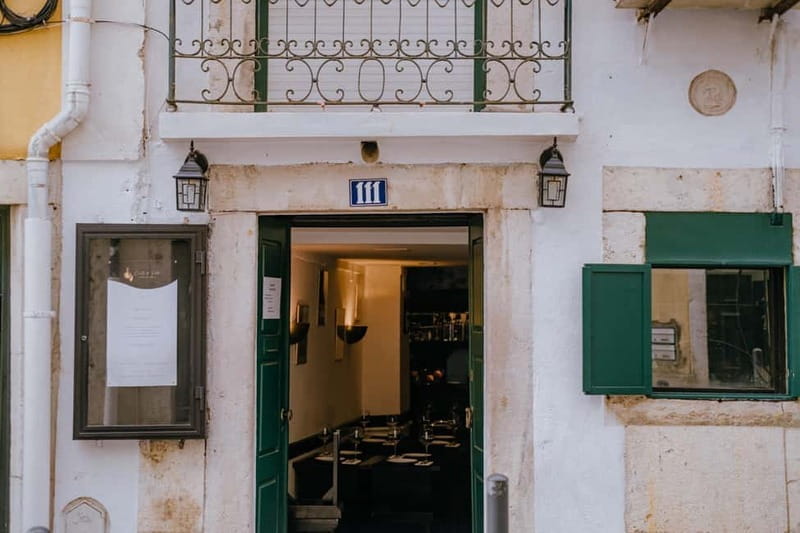
The venue, located in Lisbon’s historic Alfama neighborhood, is a charming, intimate space where you’ll sit close enough to see the expressions of the singers and musicians. The hosts, including guides or greeters speaking Portuguese and English, make newcomers feel welcome, and the overall atmosphere is warm, friendly, and suitably reverent.
You can also read our reviews of more tours and experiences in Lisbon.
What Does the Experience Look Like?
The event kicks off with a short introduction, often including videos and phonograms that trace the roots of Fado. If you’re unfamiliar, think of it as Portugal’s answer to blues—an emotive, soulful style that originated from the working-class districts of Lisbon. The show then moves into live performances, where professional singers and guitarists perform some of the most iconic Fados, many of which tell stories of Lisbon’s bairros (neighborhoods), love, loss, and resilience.
The highlight is hearing the live singing, which can be both haunting and uplifting. Many reviews mention that the singers have a remarkable ability to convey deep emotion, sometimes leaving the audience visibly moved. The musicians, often including a Portuguese guitar and classical guitar, add a rich acoustic texture that’s quintessentially Portuguese.
Meanwhile, the historical videos serve as a fascinating backdrop, helping the audience connect the music to Lisbon’s geographical and cultural landscape. These visual snippets shed light on the city’s history, especially the significance of Alfama as the birthplace of Fado.
The Taste of Moscatel de Setúbal
What better way to enjoy the music than with a traditional liqueur wine? The included glass of Moscatel de Setúbal complements the experience beautifully. Its sweet, aromatic profile balances the sometimes melancholic tones of Fado, making it especially memorable. For many, this tasting adds a delightful regional flavor that makes the entire experience feel more authentic.
Practicalities and Booking Tips
This tour is ideal for those seeking a cultural highlight that’s both authentic and manageable within a busy itinerary. The one-hour duration means it’s easy to fit into an afternoon, perhaps between sightseeing or after a leisurely lunch. Remember, the show takes place in Alfama, so plan your transport accordingly—walking from central Lisbon is doable, but public transit or a short taxi ride might be more convenient depending on your location.
Booking is flexible: you can reserve now and pay later, which helps if you’re trying to keep plans open. Cancellation is free up to 24 hours before, giving you peace of mind. However, note that meals and transportation are not included, so consider grabbing a snack or arranging your travel to the venue in advance.
Who Will Love This Experience?
This performance suits travelers who enjoy music, culture, and authentic local traditions. It’s especially good if you’re seeking an intimate, relaxed atmosphere rather than a big, touristy show. Those interested in Portuguese history or musical storytelling will find the context provided by the videos and phonograms enriching.
It’s less suited for travelers with mobility issues or those who prefer large, loud concerts—this is a small, cozy setting that emphasizes emotional connection. Families with older children who appreciate music and culture should enjoy the atmosphere too.
- 90min Amphibious Sightseeing Tour in Lisbon
- Sintra Full Day Small-Group Tour: Let the Fairy Tale Begin
- Sintra Small-Group With Regaleira, Pena Palace, Roca and Cascais
- Lisbon Night Pubcrawl: 1h Open Bar, Shots & VIP Club Entry
- Guided Tour to Sintra, Pena, Regaleira, Cabo Da Roca and Cascais
- Sintra Tour With Pena Palace & Regaleira All Tickets Included
Final Thoughts
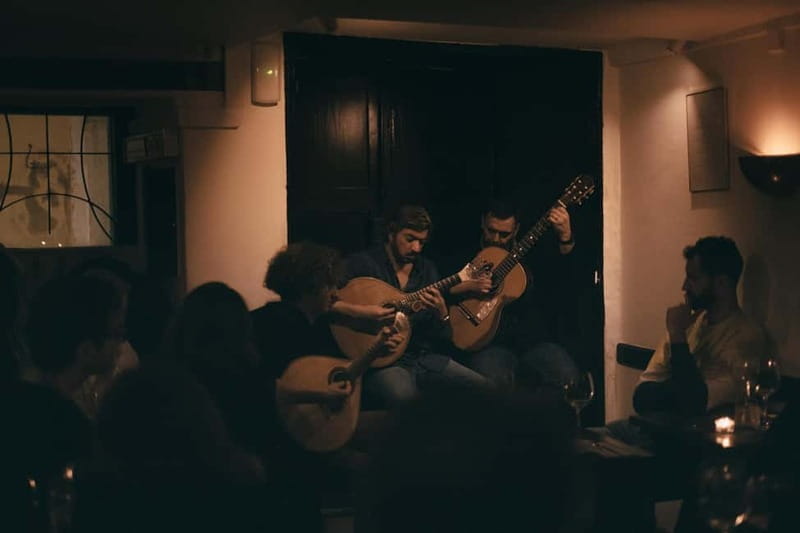
This afternoon Fado experience in Lisbon offers a genuine, heartfelt glimpse into Portugal’s musical soul. It’s a well-curated show combining live singing, historical context, and regional flavors, all within the charming ambiance of Alfama. It’s a worthwhile addition to any Lisbon itinerary if you want a quiet, authentic cultural moment that captures the city’s essence.
You’ll leave with a deeper appreciation for Fado’s role in Lisbon’s identity and a fond memory of a unique tradition. Whether you’re a music lover, history enthusiast, or curious traveler, this experience provides genuine value that’s both emotionally resonant and culturally enlightening.
FAQs
How long does the Fado show last?
The performance lasts approximately one hour, making it easy to fit into your afternoon plans.
Is transportation to the venue included?
No, transportation is not included. The show takes place in the Alfama neighborhood, so you’ll need to arrange your own transport or plan to walk from your accommodation.
What languages are spoken during the show?
The show is hosted in Portuguese and English, ensuring that most visitors can follow along and enjoy the experience.
Can I cancel my reservation if my plans change?
Yes, you can cancel up to 24 hours in advance for a full refund, providing flexibility in your travel planning.
Are meals included in this experience?
No, meals are not part of the package. It’s purely a cultural performance with a complimentary glass of Moscatel de Setúbal.
Is the show suitable for children or people with mobility issues?
It’s best suited for those who can comfortably sit for an hour and navigate stairs or uneven streets, as it’s not recommended for travelers with mobility impairments or wheelchair users.
In the end, this Fado experience offers a tasteful slice of Lisbon’s musical and cultural identity. It’s perfect for those seeking a quiet, authentic moment amid the city’s lively streets—and a heartfelt way to understand why Fado remains Portugal’s most treasured musical tradition.
More Tour Reviews in Lisbon
Not for you? Here's more things to do in Lisbon we have recnetly reviewed
- Private Half Day Lisbon Tour
- Lisbon: Benfica Stadium and Museum Tour with Meal and Scarf
- Tour Fado By Night *Private Tours*
- Lisbon by night
- Lisbon Sailing Boat Tour: Beach Stop with snacks and drinks
- Visit the Alfama and Graça neighborhoods in a small group!
- Pena Palace Fast Track, Sintra and Cascais Full-Day Tour
- Lisbon PRIVATE Cruise – Fun, Friends and Unique Moments
- Sintra, Pena, Belém, Cascais & Lisbon Small Group Tour
- Lisbon: Sunset Boat Tour with Music and Drinks
- Lisbon: Belém Tuk Tuk Tour with Pastéis de Belém
- Lisbon: Belém & LX Factory Private Tuk Tuk Tour with Pickup