
Exploring the ruins of Pompeii and Herculaneum in a single day from Rome is an appealing idea for history lovers and curious travelers alike. This tour, offered by Askos Tours, combines fast train travel, small-group guided tours with archaeologists, and visits to two of Italy’s most iconic archaeological sites. The itinerary packs in plenty of history and stunning sights, all within approximately 8.5 hours—making it an efficient way to see these ancient cities without sacrificing depth or context.
What I really like about this experience is how smoothly it all comes together—thanks to pre-booked train tickets and organized transportation. Plus, the guides are praised for their knowledge, with reviews frequently mentioning guides like Michele and Raphael, who bring the ruins to life with stories and insights. Another highlight is the opportunity to see plaster casts of victims buried by Vesuvius, which adds a deeply human element to the visit.
One potential drawback is that the schedule can feel a little rushed, especially in Pompeii, where some reviewers felt the time was tight for photos and exploring. This isn’t unusual for day trips of this scope, but it’s worth noting if you prefer a more leisurely pace or extra time for lunch and pictures. The tour is best suited for those who want a thorough overview without the hassle of logistics, but it’s less ideal for visitors with limited mobility or those who prefer slow, unhurried exploration.
In summary, this tour offers a fantastic blend of convenience, expert interpretation, and memorable sights. It’s well worth the price if you’re eager to explore Pompeii and Herculaneum efficiently, especially if you value knowledgeable guides and high-speed train comfort. Just be prepared for a full, busy day—packed with history, walking, and a lot of learning.
Key points / Takeaways
- Fast train from Rome to Naples saves time and adds comfort, making this a highly efficient day trip.
- Expert archaeologist guides like Michele and Raphael provide in-depth stories that give the ruins a human dimension.
- Skip-the-ticket-line access to Pompeii and Herculaneum helps maximize your time on-site.
- In-depth site visits include Pompeii’s newly-opened houses, plaster casts, and the brothel, plus Herculaneum’s preserved houses and beach skeletons.
- Small group size enhances the experience, allowing questions and personalized attention.
- Timing can be tight, especially at Pompeii, so you might feel rushed if you want lots of photos or lunch breaks.
If you’ve ever dreamed of walking through the ancient Roman streets or marveling at the tragic yet fascinating plaster casts of victims, this tour might be exactly what you’re looking for. It promises to deliver a comprehensive experience packed into one day, with the convenience of high-speed train travel from Rome. From my perspective, the key appeal lies in the guided tours led by expert archaeologists—who turn dusty ruins into stories of real people—and the seamless logistics that keep the day flowing smoothly.
You can check availability for your dates here:The Logistics: How It Works
The day starts early at Rome’s bustling Termini Station, where you’ll meet your guide in front of the STARHOTEL TERMINUS. From there, it’s a swift 70-minute ride aboard the high-speed train to Naples. The comfort of modern trains really makes a difference—no cramped buses or long drives—letting you relax and enjoy the scenery. Once in Naples, a short 30-minute van transfer takes you to Pompeii, where the real adventure begins.
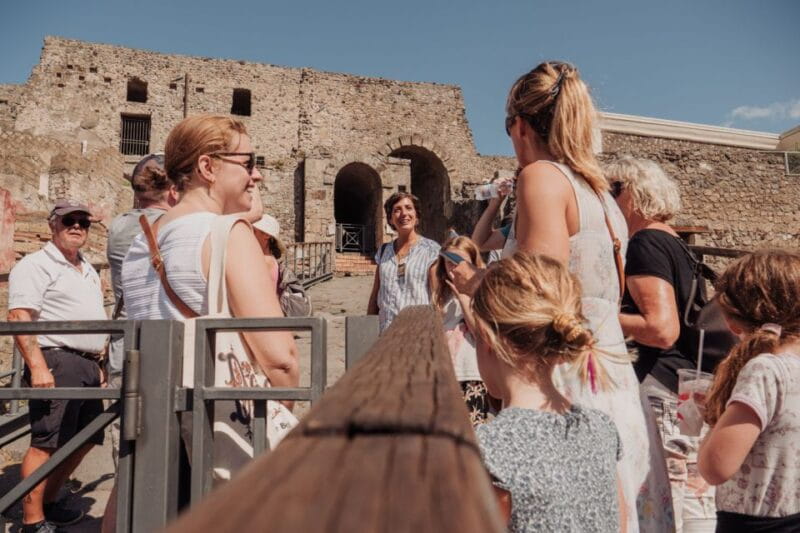
Having pre-arranged tickets is a huge plus. It means no waiting in long lines, and it’s especially valuable at Pompeii, one of Italy’s most visited archaeological sites. The guided tour, which lasts about two hours, covers key highlights like the House of Neptune and Amphitrite, the brothel, and the famous plaster casts of victims. Many reviewers have expressed how guides like Michele or Raphael add depth with their detailed explanations and engaging storytelling.
You can also read our reviews of more tours and experiences in Rome.
Pompeii: Walking Through a City Frozen in Time
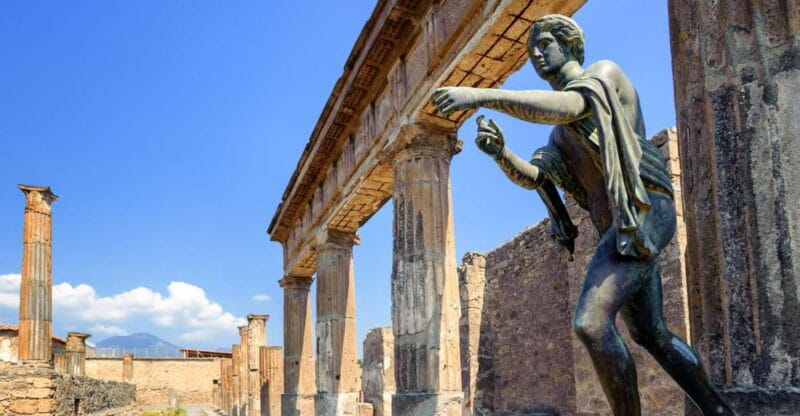
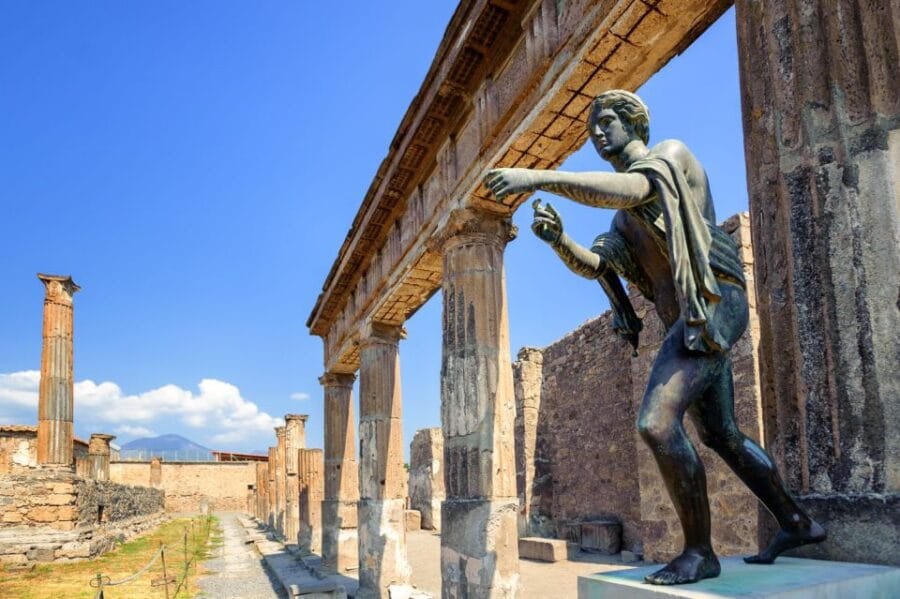
Stepping into Pompeii is like entering a snapshot of an ancient city. The newly-opened houses, with their preserved frescoes and mosaics, offer a glimpse into Roman domestic life. One of the most powerful sights is the plaster casts of victims—animals and people—frozen in their final moments, which make the tragedy painfully real. As one reviewer put it, “The way the casts are displayed is profoundly moving,” and guides often highlight the stories behind these remains.
The site’s extensive ruins include the Forum, public baths, amphitheater, and residential streets. Walking on the uneven stone pavements, it’s clear how well-preserved the city is—despite being nearly 2,000 years old. Here, you’ll find ample opportunities for photos, especially with the help of headsets that allow you to hear your guide clearly even in the busy areas.
Some reviewers mention that their time in Pompeii felt a bit rushed, with only 30 minutes for free exploration after the guided tour. This is a common issue in full-day excursions—there’s a lot to see, and time management becomes critical. However, the guided portion ensures you see the most important parts, and many praise the guides’ ability to balance detail with pacing.
Herculaneum: An Intimate Archaeological Treasure
After Pompeii, a quick transfer by minibus takes you to Herculaneum, which is often less crowded and more compact. Here, you’ll spend about two hours exploring well-preserved wooden buildings, private homes, and even the beach where hundreds of skeletons remain in situ. The House of Neptune and Amphitrite is a highlight, and the site’s preservation of the beach skeletons offers a haunting reminder of the eruption’s destruction.
Herculaneum’s layout and smaller size make it easier to absorb in two hours, and many visitors appreciate the opportunity to see a different style of Roman town—more personal and detailed than Pompeii. Guides like Michele and Gennaro are praised for their storytelling and archaeological insights that bring the ruins to life.
The Return Journey and Overall Convenience
After Herculaneum, you’ll transfer back to Naples by van, then hop on the high-speed train returning to Rome. The entire trip is designed for efficiency: the train ride back takes just about 70 minutes, giving you a full day without the fatigue of a long, slow bus trip. Many reviews mention how smooth and comfortable the journey is, with some noting that the train tickets are included in the price, alleviating any last-minute worries about logistics.
More Great Tours NearbyIs It Worth the Price?
At $222.77 per person, this tour offers a lot. It includes round-trip train tickets, guided tours with archaeologists, entry tickets to both sites, and transportation from Naples station. For anyone eager to see both Pompeii and Herculaneum without the hassle of planning, it’s a solid value. The knowledge shared by guides like Michele, who is an archaeologist, adds a richness that self-guided visits might lack.
That said, it’s a long and busy day, with about a mile of walking in Pompeii and half a mile in Herculaneum. If you have mobility issues, this might be less suitable. Also, some reviewers suggest that the lunch time could be extended to allow for a more relaxed meal—currently, the schedule leaves little room for a sit-down lunch, and you might end up grabbing something quick or missing out altogether.
Who Will Love This Tour?
If you’re someone who appreciates expert guides, historical storytelling, and seamless logistics, this trip is likely to hit the mark. It’s perfect for travelers with limited time who want to maximize their experience without sacrificing depth. It’s also great for those interested in archaeology, as guides tend to share nuanced insights and lesser-known facts.
However, if you prefer a slow pace, plenty of time for wandering, or a relaxed lunch, you might find this tour a little hurried. It’s also not suitable for those with limited mobility or for travelers who want a more unstructured exploration.
The Sum Up
This day trip from Rome to Pompeii and Herculaneum offers a well-organized, deeply informative way to see two of Italy’s most significant ancient sites. The combination of high-speed train travel, expert archaeologist guides, and efficient logistics makes it a convenient choice for those eager to learn and see without the stress of planning every detail.
You’ll love the quality of the guides, many of whom are archaeologists themselves, and their ability to bring history alive. The stunning ruins, plaster casts, and preserved relics create a visceral sense of history that sticks with you long after the day ends. Plus, the modern train rides keep the journey comfortable and quick, giving you more time to enjoy the sites.
On the downside, the schedule can feel brisk, especially if you like to linger or take more photos. Still, this is a small price to pay for the overall value and depth of experience. It’s best suited for travelers who want a comprehensive, guided overview with the convenience of modern transportation—and don’t mind a full, active day.
In the end, this trip is a smart choice for history enthusiasts, archaeology fans, and anyone wanting to see both Pompeii and Herculaneum in one go. It’s a solid way to turn a day in Rome into an unforgettable journey into the past.
FAQ
How long is the train ride from Rome to Naples?
The high-speed train takes about 70 minutes, making this a very quick way to reach the archaeological sites without long bus rides.
Are tickets included in the tour price?
Yes, the tour provides pre-booked round-trip train tickets, plus entry tickets to Pompeii and Herculaneum.
What’s the guide like?
Reviews frequently praise guides such as Michele and Raphael for their knowledge, humor, and storytelling ability—making the ruins come alive.
Is this tour suitable for people with limited mobility?
No, the tour involves about a mile of walking in Pompeii and Herculaneum, and it isn’t recommended for those with mobility impairments or wheelchair users.
What should I bring?
Bring your passport or ID, comfortable shoes for uneven surfaces, and rain gear if weather calls for it.
Can I buy lunch during the trip?
The schedule includes some free time, but options for a sit-down meal are limited at Pompeii; many travelers opt for quick snacks or bring their own.
Is the tour family-friendly?
While generally suitable for older children and teenagers interested in history, the walking and pace may be tiring for very young kids or those with mobility issues.
What do reviews say about the overall experience?
Most reviews are glowing, with many describing guides as “amazing,” “knowledgeable,” and “funny,” and praising the well-organized logistics and value for money.
Whether you’re a history buff or just eager to see Italy’s most famous ancient ruins, this tour offers a practical and rewarding way to do it—all in one memorable day.
You can check availability for your dates here:More Tour Reviews in Rome
Not for you? Here's more things to do in Rome we have recnetly reviewed
- Rome: Trevi Fountain Underground Aqueduct Walking Tour
- Rome: Orvieto and Civita di Bagnoregio Day Trip by Train
- Semi-Private First Entry Colosseum Arena & Roman Forum
- Rome: Colosseum Arena, Forum & Palatine Hill Guided Tour
- Rome: Off the Beaten Path Private Tour
- Rome: Highlights & Hidden Gems, Vespa Sidecar Guided Tour
- Rome: Ancient Rome Nighttime Sightseeing Tour
- Rome: Colosseum with Arena Floor, Palatine Hill & Forum Tour
- Rome: Vatican Museums Sistine Chapel St Peters Basilica Tour
- Rome: Private Customizable 3-Hour Golf Cart City Tour
- Rome: Vespa Self-Drive Tour with Gelato
- Rome: Campo de’ Fiori, Villa Farnesina & Trastevere Tour