
Stepping into the Tata Ronkholz: Shaped World exhibition in Cologne, you’re invited into the universe of a talented artist whose work bridges the worlds of documentary photography, industrial design, and interior aesthetics. This retrospective, held at the Photographic Collection alongside the Becher Archive, showcases a career that vividly captures urban transformation and everyday life—yet, it’s so much more than a simple photo display. It’s a chance to see how one artist’s eye can document change, craft beauty in functional design, and challenge perceptions of ordinary objects.
What immediately strikes me about this exhibit is its comprehensive nature—for the first time, Ronkholz’s diverse talents are displayed side by side. I especially appreciate the way her urban series on kiosks, drinking establishments, and small stores offers a surprisingly humorous yet insightful glimpse into past shopping habits and community life. Plus, her work as a product and interior designer—with geometric furniture and lamps—adds a fresh layer of appreciation for her versatility. One small drawback? Since the exhibition is packed with different types of work, it might feel a little overwhelming if you’re seeking a more focused experience.
However, the true strength of this retrospective is how it documents urban and industrial change through sharp, clear images made with a large-format camera. The photographs aren’t just pretty—they’re a window into shifting neighborhoods, revealing details about decoration, advertising, and architecture that might easily be missed in everyday life. If you love factual documentary photography with a focus on structural design, this exhibit offers a thoughtful journey through the 1970s and 80s.
Key Points / Takeaways
- First comprehensive showcase of Tata Ronkholz’s work across photography, design, and interior projects.
- Urban transformation in Cologne, Düsseldorf, and the Ruhr region is vividly documented, revealing economic and cultural shifts.
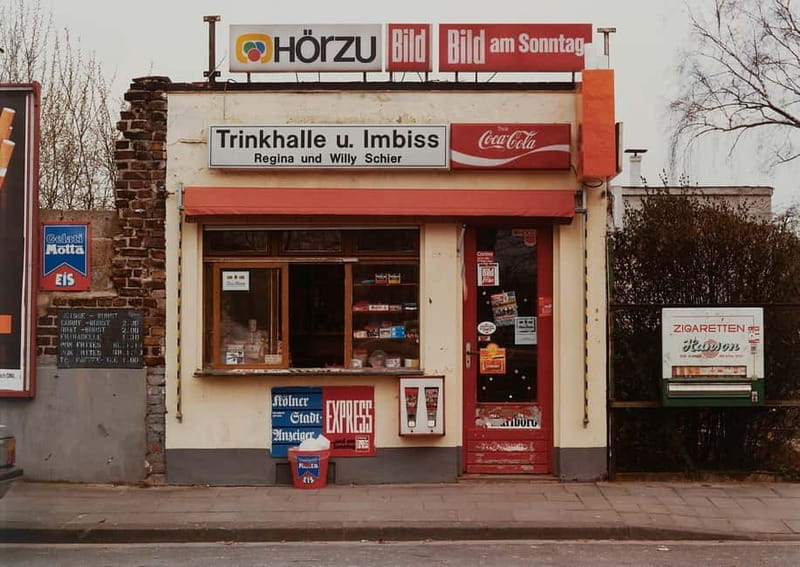
- Her street-level photos of kiosks and small shops blend humor and realism, showing everyday life in past decades.
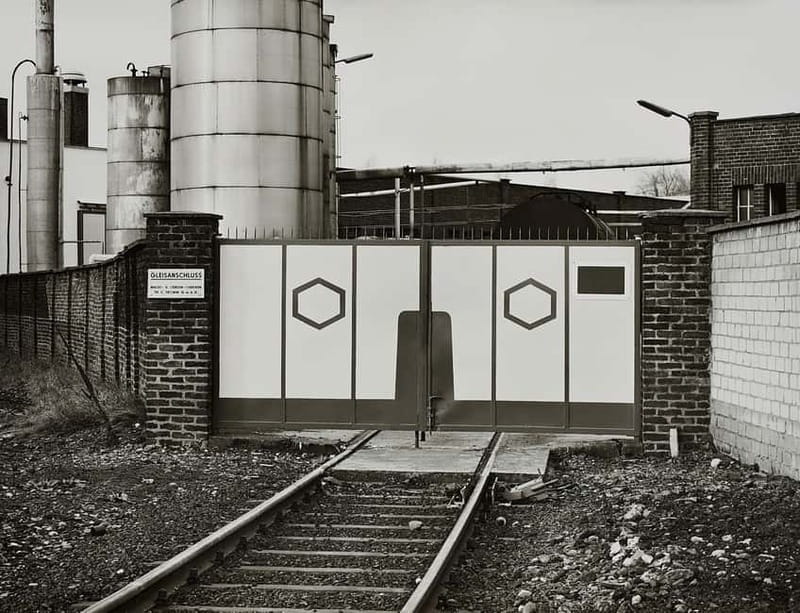
- Industrial gates and factory interiors turn into abstract, graphic works, emphasizing structure and form.
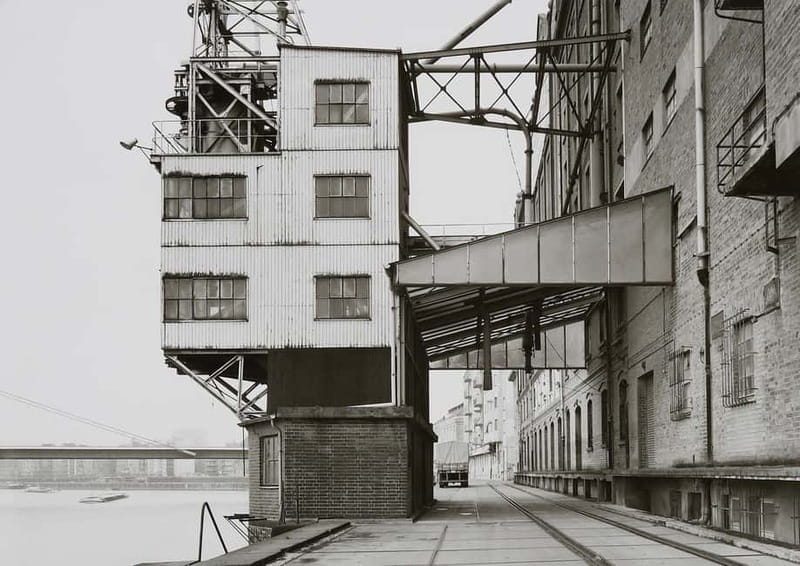
- Her collaboration with Thomas Struth on Düsseldorf’s Rheinhafen captures the city’s transition into a media port.
- Design work, including lamps and furniture, demonstrates her sense of clean, functional elegance, with early designs from Italy and France featured for the first time.
Entering the World of Tata Ronkholz: An Overview
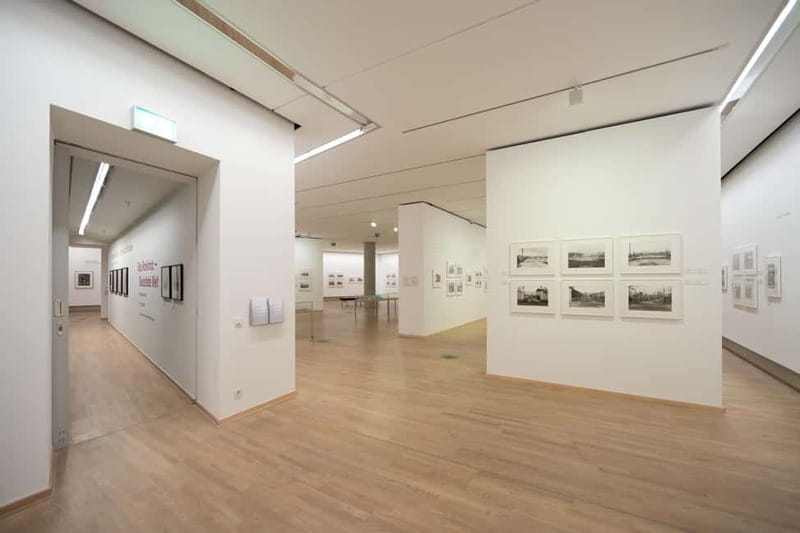
This exhibition is a treasure for anyone interested in how art and design reflect societal changes. Hosted by the SK Stiftung Kultur der Sparkasse Köln Bonn, it brings together works from her estate, the Stadtmuseum Düsseldorf, and other collections. The setting—the Photographic Collection with the Becher Archive—is a perfect backdrop for her photographic work, emphasizing her roots in the documentary tradition.
Ronkholz’s photographic style aligns with her teacher Bernd Becher’s influence—factual, clear, serial, and focused on architectural details. Her large-format camera made her images precise and realistic, often in black and white, with some color series bridging her into the 80s’ artistic photography. This approach means you’ll find her images both documentary and artistic, a combination that will appeal to those who love seeing familiar cityscapes through a fresh lens.
Ready for more culture? More museums we feature in Cologne
Deep Dive into the Exhibition Content
The Photographic Series of Urban Life
Her series of kiosks, drinking establishments, and small stores are the real gems. These were taken between 1977 and 1985 across Cologne, Düsseldorf, Leverkusen, and Krefeld. As one visitor noted, “The sober depiction reveals both humorous and impressive details.” Her photos don’t just catalog structures—they capture the atmosphere, the evolving commercial landscape, and the visual clutter that characterizes urban life. You’ll notice the changing offerings, from decoration to advertising, reflecting shifts in shopping habits. It’s like stepping back into a world where every shopfront has a story.
Industrial Gates and Urban Interfaces
Another compelling part of the show focuses on industrial gates and factory interiors. These black-and-white images highlight the stark, graphic beauty of grilles, bars, and the interfaces between public and private space. The images serve as abstract compositions, making you appreciate the visual rhythm of industrial architecture. They also evoke questions about security, access, and the boundary between different social spheres.
More Great Tours NearbyRhein Hafen: Documenting a Changing City
Perhaps the most emotionally resonant series is her documentation of Düsseldorf’s Rheinhafen, which she undertook with Thomas Struth. These photos, shot in 1979, capture warehouses, silos, and cranes—industrial giants that symbolize both the city’s history and its transformation. The images serve as a visual record of urban renewal and economic shifts, as the port moved into the media era. One review praised this work as “a vivid portrayal of the architecture of the 19th and 20th centuries, alongside the city’s evolving identity.”
Her Design Work: Form and Function
Beyond photography, Ronkholz’s work as a product and interior designer offers a different perspective on her artistic approach. Her geometric furniture and lamps exemplify clarity and practicality. The “Spherical Lamp,” developed with Adolf Luther, demonstrates her commitment to functional elegance. Early designs from Italy and France, showcased for the first time, show her international influences and her ability to blend aesthetic simplicity with usability.
Practical Information: Visiting the Exhibition
The exhibition is open from 2 p.m. to 7 p.m., and admission is straightforward—no guided tour included, so you can explore at your own pace. It’s wheelchair accessible, making it inclusive for most visitors. The cost reflects the quality and depth of the collection, and considering the rarity of some works, it offers good value for those interested in the intersection of photography, design, and urban change.
Who Will Love This Exhibition?
This show is perfect for urban explorers, photography lovers, and design aficionados. If you have an interest in how cities evolve, you’ll appreciate the detailed documentation of neighborhoods and industrial sites. For those curious about documentary photography and its capacity to record societal shifts, Tata Ronkholz’s work offers a clear, engaging example. Art and design students will find her product and interior work inspiring, especially her balanced approach to form and function.
Travelers who enjoy a quiet, contemplative experience, away from the hustle of major tourist sites, will find this exhibition rewarding. It offers a glimpse into everyday urban life and the creative ways one artist interpreted her surroundings. Plus, with the exhibition’s location within Cologne’s cultural institutions, it’s easy to pair with other city sights.
Practical Tips for Visiting
- Plan for about an hour to comfortably explore the entire exhibition.
- Visit in the afternoon when the museum is open from 2 p.m. to 7 p.m., giving you plenty of time.
- Check availability and starting times in advance, as it’s valid for one day.
- Consider combining this visit with other attractions like Cologne’s old town or river cruises.
- If you’re interested in detailed insights, note that no guided tour is included, so take your time with the labels and perhaps do a bit of research beforehand.
The Value of This Experience

The Tata Ronkholz retrospective offers a well-rounded look at an artist whose work intersects multiple disciplines. The quality of the photographs, especially her urban and industrial series, offers a rare glimpse into the architectural and social changes of the late 20th century. The inclusion of her design work adds depth, revealing her as a true creator of both images and objects.
For travelers seeking a thoughtful and authentic cultural experience—beyond the typical tourist spots—this exhibition provides a rich, layered narrative. It’s particularly suited for those interested in urban development, documentary photography, or industrial design, making it a meaningful addition to any Cologne visit.
FAQ

Is there an admission fee?
Yes, but the exact cost isn’t specified; it’s included with the ticket, which grants access during opening hours.
How long should I plan to spend at the exhibition?
About an hour should be enough to see everything comfortably, but you can spend more if you want to linger.
Are guided tours available?
No, guided tours are not included, so you’ll explore at your own pace.
Is the exhibition accessible for wheelchairs?
Yes, it is wheelchair accessible.
Can I visit the exhibition on any day?
It’s valid for one day, with specific starting times, so check availability beforehand.
Does the exhibition include her product and interior design work?
Yes, her geometric furniture, lamps, and early design photographs are part of the show.
Are there any documented views of Cologne’s urban evolution?
Absolutely, her series vividly captures the changing urban landscape of Cologne and the Ruhr region.
Can I buy any of the works or related merchandise?
The information doesn’t specify, so it’s best to check at the venue or via the organizing institution.
Is there a recommended age for visitors?
While not stated explicitly, the focus on architectural and urban themes suits adult visitors with an interest in design and city life.
How does this exhibit compare to other cultural experiences in Cologne?
It offers a quiet, contemplative alternative to bustling city attractions, perfect for those wanting depth and reflection.
In all, the Tata Ronkholz: Shaped World exhibition offers a rare glimpse into an artist whose work beautifully captures the nuances of urban and industrial change, framed through the lens of a versatile creator. It’s a stop that rewards curiosity and an appreciation for the everyday aesthetics that shape our cities and lives.
You can check availability for your dates here:More Museum Experiences in Cologne
- Cologne: Marvel – The Exhibition – Universe of Super Heroes – Admission ticket
- Cologne: Ticket for the German Sport & Olympia Museum
- Cologne: HOUSE OF BATES // CONTENT GALLERY
- Cologne: Ferris Wheel in front of the Chocolate Museum
- House of Bates // Pop-Up Museum Cologne
- The Chocolate Museum Cologne Entrance Ticket
More Tour Reviews in Cologne
Not for you? Here's more things to do in Cologne we have recnetly reviewed
- From Eigelstein to Nippes: city tour and wine hike
- Cologne Bachelor(ette) Party with Night PubCrawl
- Köln: Sommerliche Rikscha Tour mit Aperol
- Informative and fun brewery tour in German, public
- Winter Champagne Tour by Rickshaw
- Veloloco Rickshaw Tour Cologne Sightseeing Wedding Brewery Birthdays
- Melaten Friedhof: Guided tour with all senses
- Graffiti Spray Workshop in Cologne
- The Cologne Kiosk Crawl
- Kölsch em Veedel- Eigelstein
- Public brewhouse tour Cologne in English
- Graffiti workshop team event