
Lisbon’s historic Bairro Alto and Baixa neighborhoods captivate visitors with their storied past. Winding streets showcase remnants of Moorish rule, while Pombaline architecture reflects the city’s resilience after the 1755 earthquake. Travelers can enjoy the vibrant fado music scene and uncover the intriguing history of espionage and revolution that shaped Lisbon’s destiny. This private walking tour provides an in-depth exploration of the city’s diverse cultural and architectural heritage, inviting adventurous souls to discover the layers of Lisbon’s fascinating past.
Key Points
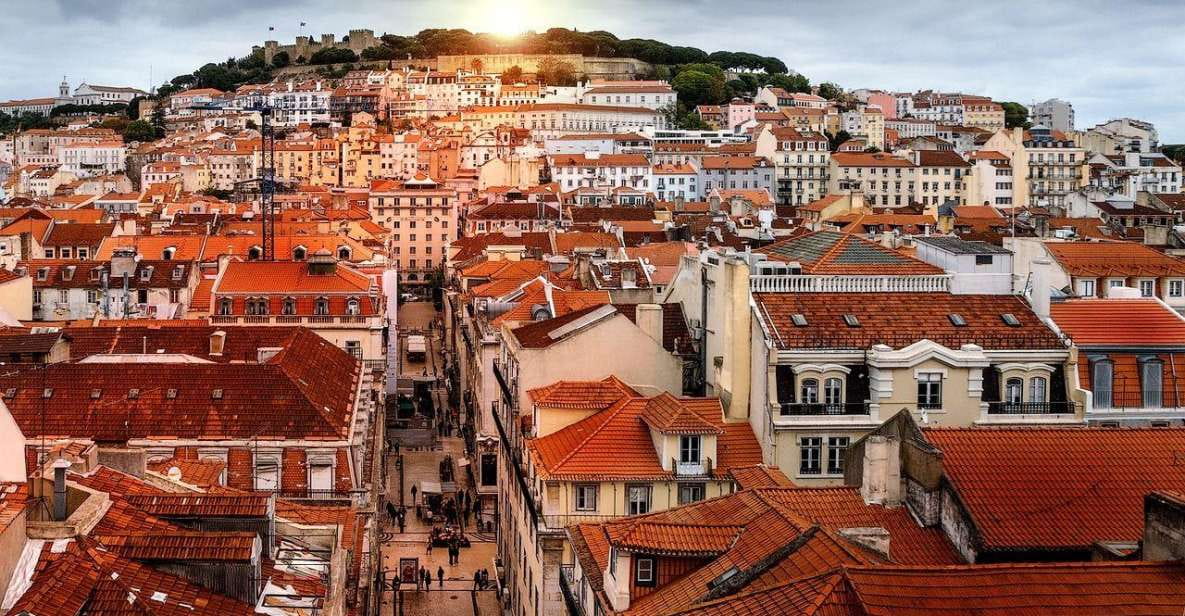
- Explore the historic Bairro Alto and Baixa neighborhoods, showcasing Lisbon’s Moorish influences and transition from Moorish to Portuguese rule.
- Discover the unique student traditions, including iconic black robes and boisterous serenades, that have shaped the city’s character.
- Gain insight into the devastating 1755 Lisbon earthquake and the city’s architectural and urban planning transformation in its aftermath.
- Uncover Lisbon’s role as a hub for British intelligence during the Napoleonic Wars and its revolutionary history.
- Learn about the haunting legacy of the 1506 Jewish massacre at Largo de São Domingos and its continued impact on the city.
Lisbon’s Ancient Roots and Moorish Legacy
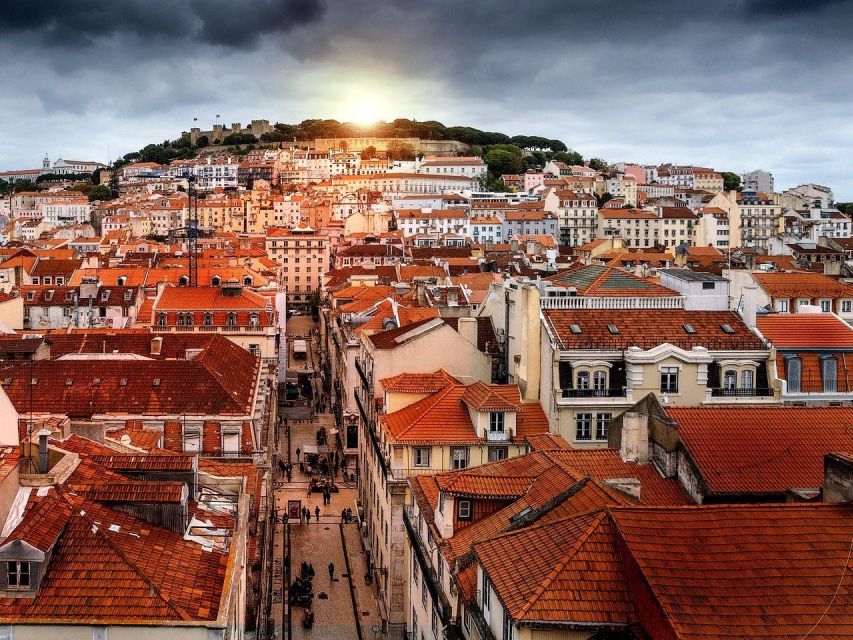
The ancient origins of Lisbon trace back to its founding by the Greek hero Ulysses, while the city’s Moorish influences remain visible in its winding streets and Moorish-style architecture.
Lisbon’s Bairro Alto and Baixa neighborhoods showcase the city’s storied past, from the remnants of Moorish rule to the rebirth after the devastating 1755 earthquake. Exploring these charming districts, visitors can discover the captivating blend of cultures that have shaped Lisbon’s identity over the centuries.
The tour guide will unravel the layers of history, revealing how Moorish and Portuguese legacies intertwine to create the city’s unique character, a testament to its resilience and adaptability through the ages.
Want to keep it personal? More private experiences we love in Lisbon
Conquest by Dom Afonso Henriques
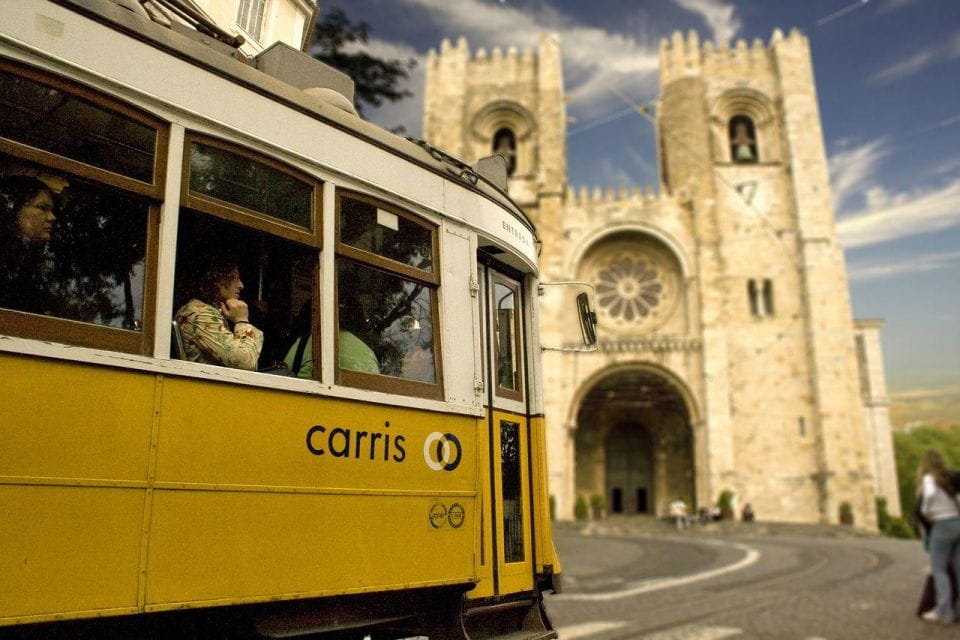
Dom Afonso Henriques, Portugal’s first king, conquered Lisbon in 1147 after a hard-fought siege, wresting control from the Moors and solidifying the city’s Christian identity.
Led by Crusader forces, Afonso’s victory was a pivotal moment in the Reconquista, the centuries-long Christian campaign to expel Islamic rule from the Iberian Peninsula.
Lisbon’s strategic location on the Tagus River estuary made it a vital prize, and the king’s triumph helped cement Portugal’s rise as a regional power.
This event would shape the city’s destiny for centuries to come, as it transitioned from Moorish to Portuguese rule and became the seat of an expanding empire that would dominate global trade.
Fados and Student Traditions
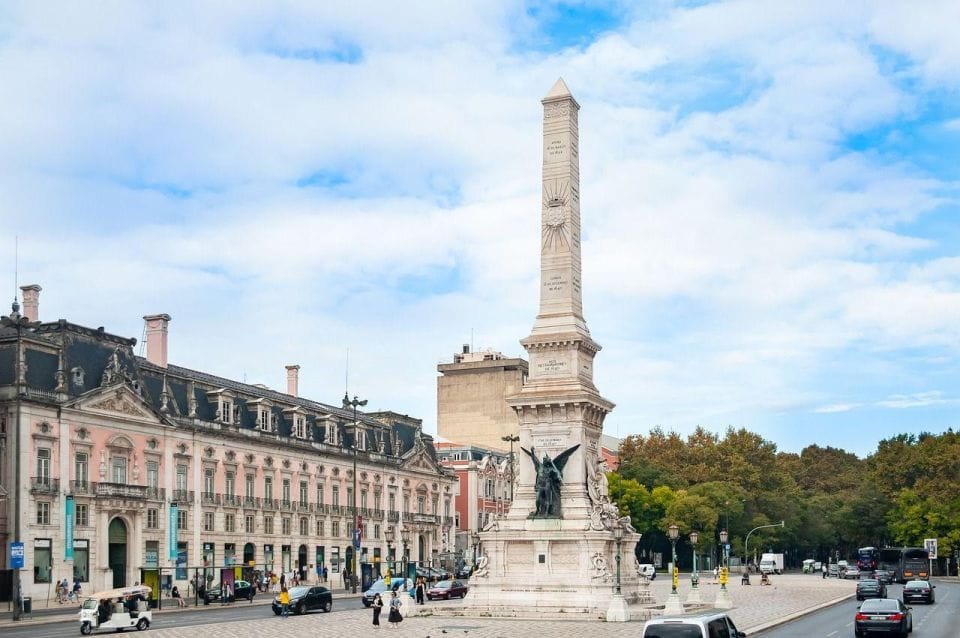
Beyond the city’s historic conquest, Lisbon’s vibrant cultural tapestry also includes the soulful melodies of fados and the captivating student traditions that have inspired generations. Fados, the emotive Portuguese folk songs, have long been a source of national pride, with their haunting lyrics and mournful guitar accompaniment echoing through the winding streets of Bairro Alto. Meanwhile, Lisbon’s universities have given rise to a unique set of customs, from the iconic black robes that evoke the magic of Harry Potter to the boisterous serenades known as ‘Queimas’ that punctuate the academic calendar.
| Lisbon Student Traditions | |
|---|---|
| Black Robes | Inspired by Harry Potter |
| Serenades | Boisterous ‘Queimas’ |
| Initiation Rituals | Welcoming new students |
| Graduation Ceremonies | Celebrating academic milestones |
| Student Unions | Advocating for university life |
1755 Lisbon Earthquake’s Impact
Although the 1755 Lisbon earthquake leveled much of the city, it also sparked Portugal’s remarkable rebirth and transformation. The devastating tremor, one of the deadliest in European history, reshaped Lisbon’s physical landscape and profoundly influenced its economic and political trajectory in the decades that followed.
It led to the development of a more modern, earthquake-resistant architectural style known as ‘Pombaline’ construction.
It prompted a major overhaul of the city’s urban planning, with wider streets and improved infrastructure.
It accelerated the decline of the Portuguese empire, as the country struggled to recover from the disaster.
It fostered a new era of Enlightenment thinking and progressive reforms in Portugal.
It strengthened the power of the monarchy, as the crown led the reconstruction efforts.
Espionage and Revolutionary History
Lisbon’s storied past extends beyond its colonial triumphs and architectural reinvention, as the city has also witnessed a rich tapestry of espionage and revolutionary fervor that have shaped its modern identity.
During the Napoleonic Wars, Lisbon played a pivotal role as a hub for British intelligence, with spies operating covertly within its winding streets.
Later, the city was a hotbed of anti-monarchist sentiment, culminating in the 1910 revolution that overthrew the Portuguese monarchy.
Visitors can uncover these lesser-known narratives by exploring landmarks like the Largo de São Domingos, where a memorial commemorates the victims of a 1506 Jewish massacre – a dark chapter in Lisbon’s history that continues to reverberate today.
If you're enjoying exploring Lisbon on foot, you'll love these other walking tours we recommend
- Lisbon Private Food Walking Tour With Locals: 6 or 10 Tastings
- Lisbon Walking Food Tour: Tapas and Wine With Secret Food Tours
- Lisbon Roots – Small Group Food & Culture Walking Tour W/Tastings
- Best of Lisbon Small-Group Guided Walking Tour
- Lisbon Private Walking Food Tour With Secret Food Tours
- Belém and Jerónimos Monastery Guided Small Group Walking Tour
Discovering Lisbon’s Diverse Past
Beneath Lisbon’s gleaming modernist facades lies a tapestry of diverse histories, from the city’s ancient Moorish roots to the revolutionary fervor that toppled its monarchy in 1910.
Visitors can explore this rich past, uncovering:
- The haunting legacy of the 1506 Jewish massacre at Largo de São Domingos
- The vibrant student traditions that inspired Harry Potter’s iconic robes
The 1755 earthquake’s catastrophic impact and Portugal’s remarkable rebirth.
The intrigue of espionage that shaped the nation’s destiny.
The captivating Fado music that echoes Lisbon’s spirit of resilience.
This private walking tour offers a fascinating glimpse into the many layers that define the city’s diverse and captivating history.
Largo De São Domingos Memorial
The Largo de São Domingos stands as a somber memorial to the victims of the 1506 Jewish massacre, a dark chapter in Lisbon’s history that forever changed the city’s landscape.
This public square marks the site where hundreds of Jews were killed in a brutal attack sparked by religious intolerance.
Today, the memorial pays tribute to those who lost their lives, reminding visitors of the importance of understanding and embracing diversity.
As you stand in this hallowed space, you can’t help but feel the weight of the past and the resilience of a community that endured unimaginable suffering.
The Largo de São Domingos serves as a poignant reminder of Lisbon’s complex and turbulent past.
Praça Do Comércio Exploration
From the solemn Largo de São Domingos, the tour now leads to Praça do Comércio, Lisbon’s largest and most iconic square, where the city’s global trade legacy comes to life.
This grand plaza, overlooking the Tagus River, was once the site where riches from the Age of Discovery were sold. Today, it remains a hub of activity, inviting visitors to:
- Admire the stunning 18th-century architecture and the iconic Rua Augusta Arch
- Explore the opulent Palácio dos Condes de Óbidos, now home to government offices
- Discover the stories behind the statues of King José I and the Marquis of Pombal
- Soak in the vibrant atmosphere and imagine the bustling maritime trade of yesteryear
- Enjoy sweeping views of the riverfront and the iconic Ponte 25 de Abril bridge
Recap
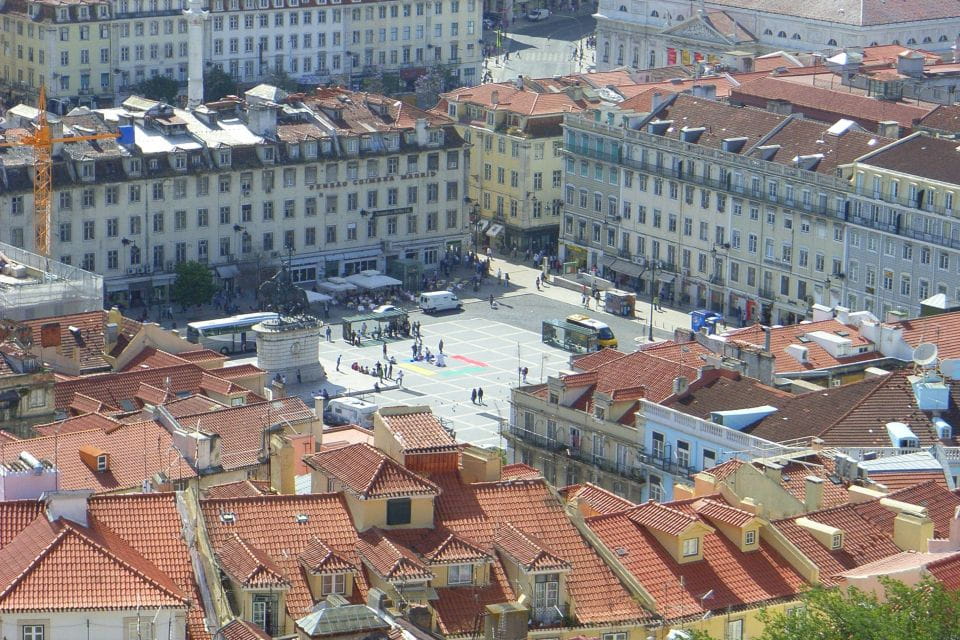
This private walking tour offers a captivating glimpse into Lisbon’s rich history and culture.
Visitors can enjoy the vibrant fado music scene, uncover the city’s intriguing revolutionary past, and explore the architectural resilience showcased in the Pombaline style.
From the Moorish legacy to the aftermath of the 1755 earthquake, this tour provides a comprehensive understanding of Lisbon’s diverse heritage.
More Walking Tours in Lisbon
More Tours in Lisbon
- Lisbon: Old Town to Belém with English-Guided Tuk-Tuk Tour
- Lisbon: Belem Tour & Jerónimos Monastery Skip-line Ticket
- Lisbon: Sunset Sailing Boat Tour with Drinks
- Lisbon: Mercado da Ribeira Tour and Cooking Class
- Lisbon: Belem Walking Tour with Jeronimos Monastery Entry
- Lisbon: New Year’s party on sailboat tour 2025 to 2026
More Tour Reviews in Lisbon
Not for you? Here's more things to do in Lisbon we have recnetly reviewed
- Private Half Day Lisbon Tour
- Lisbon: Benfica Stadium and Museum Tour with Meal and Scarf
- Tour Fado By Night *Private Tours*
- Lisbon by night
- Lisbon Sailing Boat Tour: Beach Stop with snacks and drinks
- Visit the Alfama and Graça neighborhoods in a small group!
- Pena Palace Fast Track, Sintra and Cascais Full-Day Tour
- Lisbon PRIVATE Cruise – Fun, Friends and Unique Moments
- Sintra, Pena, Belém, Cascais & Lisbon Small Group Tour
- Lisbon: Sunset Boat Tour with Music and Drinks
- Lisbon: Belém Tuk Tuk Tour with Pastéis de Belém
- Lisbon: Belém & LX Factory Private Tuk Tuk Tour with Pickup