
Experiencing the captivating Sumo Tournament in Tokyo offers a unique glimpse into Japan’s storied cultural heritage. Held at the renowned Ryogoku Kokugikan, spectators can enjoy the intense matches, with reserved seating providing close-up views. An English-speaking guide enhances the experience by sharing insights into the sport’s enduring traditions and rituals. But the journey doesn’t end there – the opportunity to savor the hearty chanko nabe stew that sustains the wrestlers adds an unforgettable gastronomic dimension to this extraordinary cultural odyssey.
Key Points
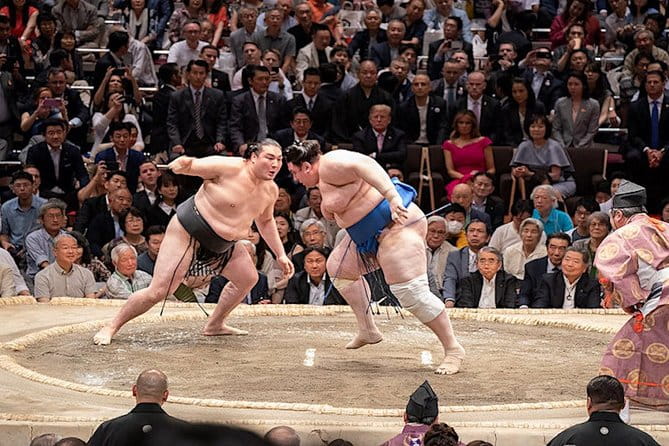
- Immerse in the electrifying atmosphere at Ryogoku Kokugikan, the home of professional sumo wrestling in Tokyo.
- Enjoy close-up views with reserved seating options in B-class or C-class sections, with an expert guide providing insights.
- Experience the cultural significance and ceremonial practices of the centuries-old sport through guided explanations.
- Savor the signature sumo wrestler’s diet by indulging in a chanko nabe hot pot dinner.
- Plan ahead as sumo events require advance booking, with wheelchair accessibility and family-friendly options available.
Exploring Sumo’s Ancient Roots
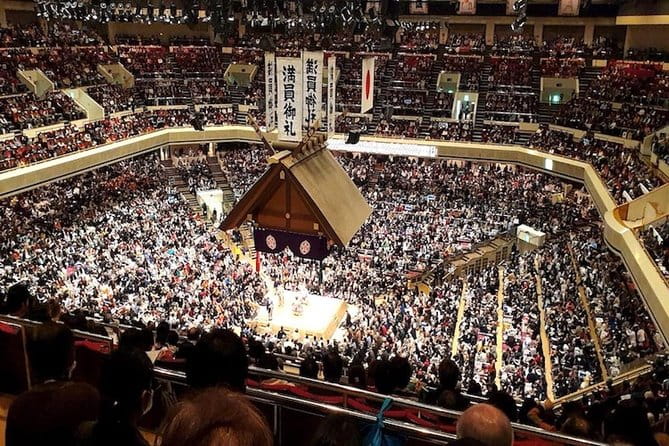
Sumo is a centuries-old sport deeply rooted in Japanese culture and tradition. Its origins can be traced back to Shinto rituals and festivals held at shrines.
Over time, sumo evolved into a professional sport with strict rules and ceremonial practices. Wrestlers, known as rikishi, live and train together in communal stables called heya. They follow a rigorous lifestyle, consuming a high-calorie stew called chanko nabe to maintain their large, powerful physiques.
Sumo tournaments, or basho, occur six times a year, showcasing the sport’s rich heritage and the incredible athleticism of its top competitors.
You can also read our reviews of more tours and experiences in Tokyo.
Taking in the Sumo Tournament Experience
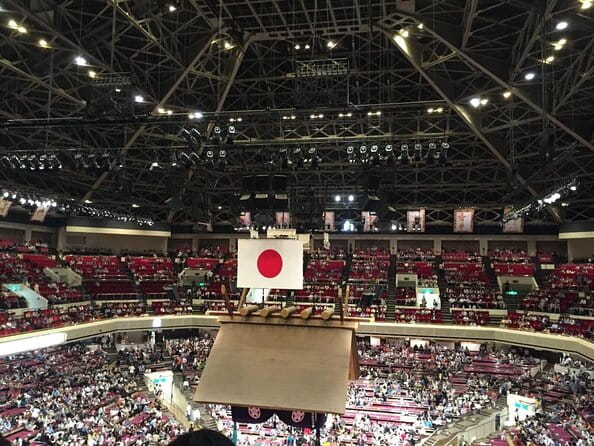
What better way to take in Japan’s ancient sport than by attending a sumo tournament?
Visitors can experience the electrifying atmosphere of a sumo match at the Ryogoku Kokugikan in Tokyo.
The tour offers:
- Reserved seats in the B-class or C-class sections, providing a close-up view of the action.
- An expert guide who explains the intricate rules, customs, and cultural significance of sumo.
- An optional dinner at a local chanko hot pot restaurant, where wrestlers fuel up on the hearty stew.
Taking in the tradition and intensity of a sumo tournament is a must-do for any Japan enthusiast.
Reserved Seating Options and Inclusions
What’re the various reserved seating options available for the sumo tournament experience?
The standard tour offers B-class or C-class reserved seats, providing a good view of the action in the Ryogoku Kokugikan arena.
For those seeking a more exclusive experience, the private tour option grants access to A-class or sometimes B-class reserved seats.
Regardless of the seating tier, the tour includes an English-speaking guide who provides insights into sumo culture and history.
Guests also receive a sumo information pamphlet to enhance their understanding of this centuries-old Japanese sport.
An optional chanko hot pot dinner can further immerse visitors in the sumo lifestyle.
Understanding Sumo Culture and History
As one of Japan’s most revered and ancient sports, sumo wrestling boasts a rich cultural heritage that has been meticulously preserved over the centuries.
Sumo wrestlers live in communal heya (training stables), where they develop their immense strength and master the intricate techniques of the sport.
Central to their diet is the hearty chanko nabe, a nutrient-dense stew made with chicken stock and an array of vegetables.
Sumo tournaments, known as basho, are held six times a year, each lasting 15 days, and attract enthusiastic fans from around the world who come to witness the power, grace, and tradition of this iconic Japanese sport.
Navigating Accessibility and Booking
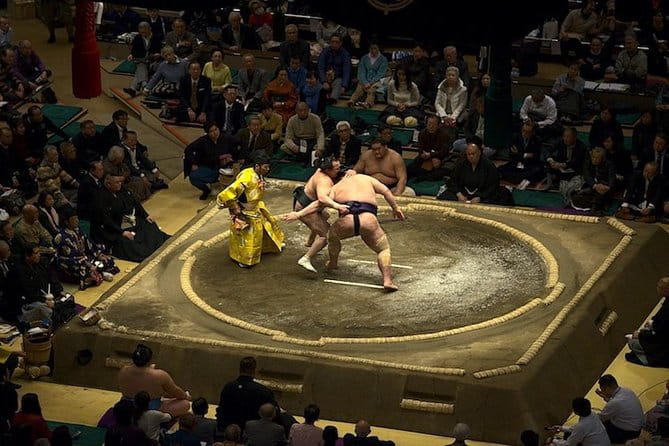
For those interested in experiencing the thrill of a sumo tournament, accessibility and booking are important considerations. Sumo events are wheelchair accessible, with specific seating arrangements available. Children are welcome, with infants able to sit on laps for free. When it comes to booking, advance planning is key, with recommended bookings 3 months in advance and a minimum of 1 month. Tickets are released 4-7 weeks before the event, with group options available. Refunds can be obtained if unable to obtain tickets. The following table provides a quick overview of the booking process:
| Booking | Recommended | Minimum |
|---|---|---|
| Advance Notice | 3 months | 1 month |
| Ticket Release | 4-7 weeks before event | |
| Refunds | Available if unable to obtain tickets |
- Tokyo: Soba (Buck Wheat Noodles) Making Experience
- Tokyo, Asakusa, Senso-Ji, Skytree: Private Photo Tour
- Shibuya Foodie Walking Friendly Tour With a Local Expert
- Tokyo: Nikko Toshogu Shrine and Kegon Waterfall Tour
- Manga Lesson by Pro-Manga Artist Who Drew Ace Attorney
- Ultimate One-Day Tokyo Must-Sees Tour With Photo Spots
Participant Perspectives and Reviews
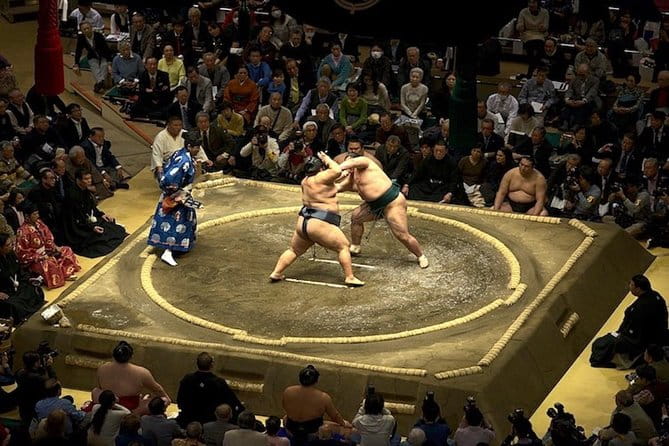
Participants have consistently expressed high levels of satisfaction with the sumo tournament experience, awarding it exceptional ratings.
Visitors frequently praise the knowledgeable guides who provide deep insights into the sport’s history, techniques, and famous wrestlers. The intense atmosphere of the matches, coupled with the opportunity to savor traditional chanko hot pot, further enhances the experience.
Participants highlight three key aspects that make the event memorable:
- The guide’s engaging explanations that bring sumo culture to life.
- The electrifying energy of the sumo matches.
- The delicious and authentic chanko nabe dinner.
Many participants express a desire to return and recommend the experience to others.
Savoring the Chanko Nabe Dinner
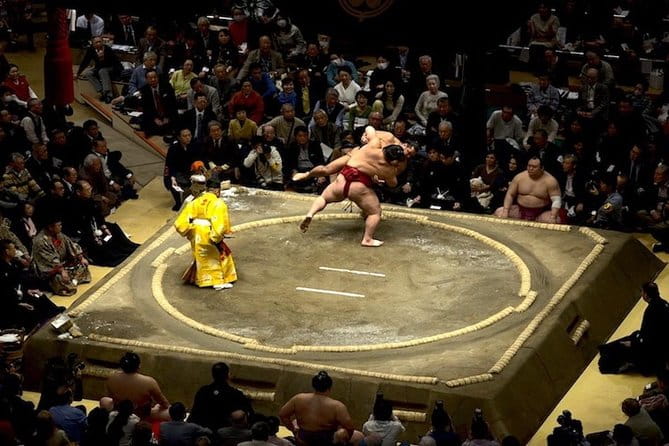
The chanko nabe dinner, a signature component of the sumo tournament experience, allows participants to savor the hearty stew that nourishes Japan’s celebrated wrestlers. This communal hot pot, made with a rich chicken broth and an array of fresh vegetables, is a staple in the sumo lifestyle. The experience offers a chance to sample this nourishing dish, perfectly complementing the intensity of the sumo matches. Whether you choose the standard or private tour option, the opportunity to indulge in this quintessential sumo cuisine elevates the overall experience.
| Chanko Nabe | Description |
|---|---|
| Ingredients | Chicken stock, assorted vegetables, tofu, and protein |
| Preparation | Simmered and served family-style in a communal pot |
| Tradition | A dietary staple for sumo wrestlers to maintain their size and strength |
Planning Your Sumo Tournament Visit
When planning a sumo tournament visit, travelers should consider factors such as tournament schedules, seat availability, and transportation logistics.
The six annual sumo tournaments are hosted in different cities across Japan, each lasting 15 days. Securing tickets well in advance is crucial, as seats are limited, especially for the coveted A-class and B-class options.
To reach the Ryogoku Kokugikan arena in Tokyo, visitors can:
- Take the JR line or Tokyo Metro to Ryogoku station, just a short walk away.
- Utilize taxi or rideshare services for direct transportation.
- Join a guided tour that handles the logistics.
Frequently Asked Questions
What Is the Attire Recommended for Attending a Sumo Tournament?
Casual, comfortable clothing is recommended for attending a sumo tournament. Loose, layered outfits work best as the venue can get crowded and warm. Avoid revealing or too formal attire – you’ll want to blend in with the lively atmosphere.
Can I Purchase Souvenirs or Merchandise at the Event?
Visitors can purchase a variety of sumo-related souvenirs and merchandise at the Ryogoku Kokugikan during the tournament. Options include fans, keychains, t-shirts, and DVDs that capture the excitement of the matches.
Is There an Age Limit for Attending the Sumo Tournament?
There’s no age limit for the sumo tournament, but children must be accompanied by adults. Infants can attend for free if seated on a parent’s lap. The event is accessible for all ages.
Are Cameras and Photography Allowed During the Sumo Matches?
Photography is generally allowed during sumo matches, but cameras with lenses longer than 6 inches are prohibited. Guests should check for any updated policies before attending the event to ensure they can capture the action.
Can I Interact With the Sumo Wrestlers Before or After the Event?
Interacting with sumo wrestlers before or after the event is generally not allowed. The wrestlers must maintain strict discipline and focus, and visitors are expected to observe their activities respectfully without disrupting their routine.
The Sum Up
The Sumo Tournament Experience in Tokyo offers a captivating window into Japan’s storied cultural heritage. With reserved seating, an expert guide, and the option to savor the wrestlers’ hearty chanko nabe stew, visitors can enjoy the intense matches and rich traditions of this ancient sport. Whether you’re a sumo enthusiast or simply seeking a unique cultural encounter, this experience promises an unforgettable journey into the heart of Japan.
More Tour Reviews in Tokyo
Not for you? Here's more things to do in Tokyo we have recnetly reviewed
- Tokyo Private Half Day Tour With Licensed Guide by Car
- Tokyo City Cherry Blossom Private Sightseeing Tour
- 1 Day Tokyo Private Tour With English Speaking Guide
- Audio Guide Tour in The East Gardens of the Imperial Palace
- Private Karuizawa, Nagano Tour – Bilingual Chauffeur
- Sunday Morning JDM Experience
- Mt. Fuji 5th Station and Hakone Day Tour From Tokyo
- True Tokyo Luxury Shopping Private Tour
- Discover Your Tokyo -Private Tokyo Customized Walking Tour-
- Simple and Fun to Make Inari Sushi Party in Tokyo
- JDM Daikoku Car Meet GTR35 600HP to Famous Spot
- Experience of Large Calligraphy Performance in Asakusa Tokyo