
Exploring Vilnius through the lens of its Soviet past offers a fascinating glimpse into a period that shaped much of Lithuania’s modern identity. While I haven’t personally taken this particular tour, reviews consistently praise it for its detailed storytelling and immersive stops. Priced at around $110 per person, the tour lasts roughly three hours and combines walking, local transportation, and a hearty Soviet-style lunch — making it a compact, yet impactful experience.
What I love about this tour is how it balances historical education with authentic atmosphere — especially with guides like Victoria, who are praised for their knowledge and friendliness. The inclusion of a traditional Soviet canteen lunch is a bonus, providing a tangible taste of everyday life for Lithuanians during the Cold War era. A potential consideration is that the tour covers a lot in a short time, which might mean some walking and standing, so comfortable shoes are a good idea. Overall, it’s a well-rounded experience for those curious about Lithuania’s recent past and eager to see it with their own eyes.
Key points / Takeaways
- Authentic storytelling: Guides like Victoria bring history alive with engaging narratives and personal insights.
- Immersive landmarks: From Soviet architecture to deportation sites, each stop adds a vivid layer to understanding life under communism.
- Cultural insight: The tour covers not just politics but also everyday aspects like housing, food, and leisure during Soviet times.
- Tangible experiences: Visiting bomb shelters and Soviet-era canteens makes history feel real, not just dates and names.
- Value for money: At around $110, including lunch and local transportation, the tour offers a comprehensive look at Vilnius’ Soviet history.
- Highly praised guides: Reviewers highlight Victoria and Viktorija for their friendliness, knowledge, and ability to answer questions.
Walking Through Vilnius’ Soviet Past: A Deep Dive into the Tour Experience
Want to keep it personal? More private experiences we love in Vilnius
Starting at Vilnius Town Hall: Setting the Scene
The tour begins at Vilnius Town Hall, right next to the Tourism Information Office, where your guide greets you on the steps. This initial moment is key for context — I love how guides like Victoria start with a brief overview of how the USSR was formed and outline the phases of Lithuania’s Soviet occupation. Expect to hear about the eras of Stalin, Khrushchev, and Brezhnev, which offers a layered understanding of how Lithuanian life was shaped over decades.
This opening sets a solid tone for the next three hours: you’re not just looking at monuments but understanding how ideology, politics, and everyday life intertwined. Plus, the fact that this part is free makes it a perfect entry point, setting the stage without any pressure.
Exploring Vokiečių Street and the Cold War Bunker
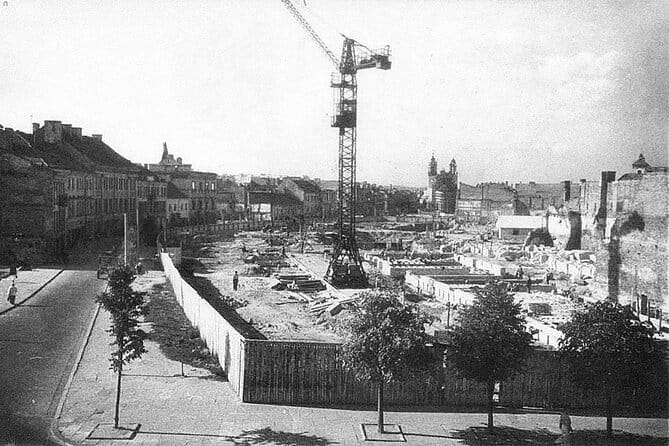
Next, the tour ventures into Vokiečių (Germans) street, once the main artery of Vilnius’ Old Town. I find it fascinating that the street was originally narrow, only 9 meters wide, and was widened four times to fit Soviet ideals for broad avenues — a subtle reminder of how architecture was manipulated to reflect ideology.
A highlight here is the visit to the biggest backyard of the street, where the Cold War bomb shelters are located. This unexpected peek into the underground world of civil defense reveals how notions of equality were often superficial. As some reviews mention, walking into these shelters feels like stepping into a different era — it’s tangible, almost claustrophobic, and deeply instructive.
The Ghetto and Deportations: A Harrowing History
Rudininkai Square is next, and it’s a place where the tour gets serious. Here, the guide shares stories of the Holocaust and Lithuanian deportations to Siberia — a painful but essential part of Lithuania’s history. From reviews, I know that guides handle these topics with sensitivity, and many travelers appreciate the honest, straightforward approach.
The stories of entire nations being targeted by Soviet deportations leave a lasting impression. The site isn’t just about monuments but about understanding the human toll of these policies. It’s a hard stop, but it’s crucial to grasp the scale of repression.
Cultural Resistance at Margutis Easter Egg
Moving on, the tour touches on Lithuania’s resistance to Soviet cultural suppression. The story of how the Church was separated from the state and how Lithuanians clung to their Christmas traditions, despite official bans, is both inspiring and authentic. One reviewer mentions that this part left them saying, “Wow,” reflecting the resilience of Lithuanian culture.
The stories of grocery shortages and household struggles bring a personal touch that makes history relatable. Hearing about everyday life—like grocery queues and household shortages—gives a human face to the broader political picture.
If you're enjoying exploring Vilnius on foot, you'll love these other walking tours we recommend
Soviet Architecture and Communal Housing
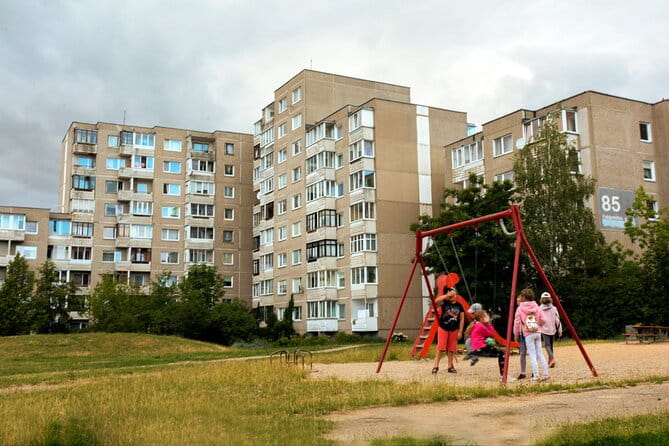
Walking past St. Stephens Street, your guide points out the peculiarities of Soviet communal housing, which aimed to provide “equal” living space but often resulted in tiny apartments. It’s a reminder of how ideology dictated even personal space, often at the expense of comfort.
This part is less about sightseeing and more about understanding how Soviet policies shaped everyday living. From the reviews, many found this insight invaluable for comprehending Lithuanian life during the USSR era.
Soviet Lunch at KGB-Style Canteen
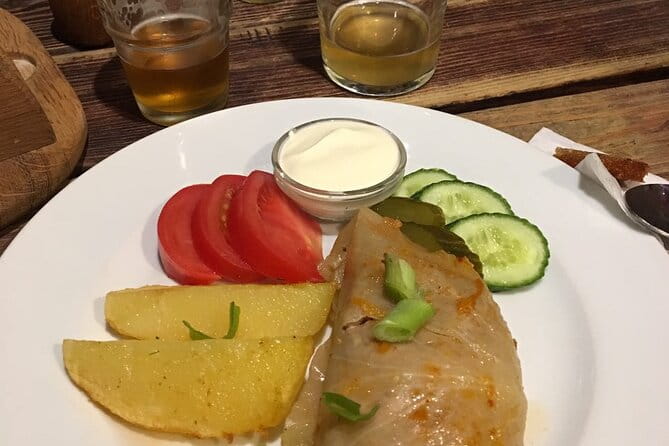
No Soviet history tour is complete without experiencing Soviet-era cuisine, and here, you’ll enjoy lunch at a Soviet-style café-canteen. It’s a surprisingly good feature, with many reviewers mentioning the dishes are quite tasty and authentic. Plus, the food is edible and quite filling, which is a pleasant surprise.
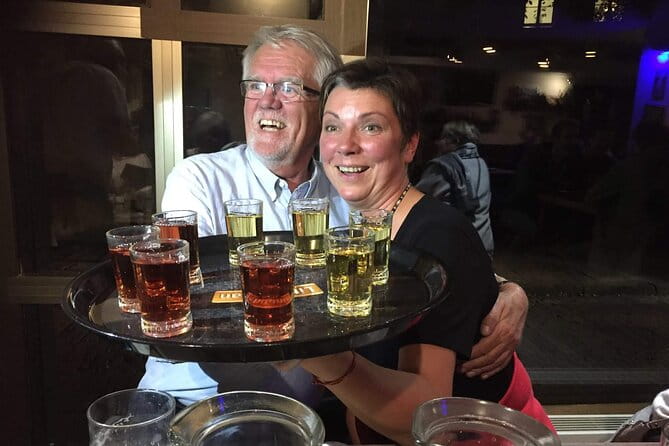
Some joke that the dishes pair well with a shot of vodka or a pint of beer, adding a lighthearted note. The atmosphere and service mimic what everyday life was like, making the meal a memorable part of the experience.
The Hook and Leisure Under Soviet Rule
After lunch, the visit to Kablys (The Hook), the former Palace of Railway Workers, highlights how Soviets organized leisure activities — from propaganda screenings to workshops. This glimpse into Soviet entertainment was a personal favorite for many, offering a sense of the social life during that time.
Walking along Kaunas street, you’ll see more architecture and industrial zones, learning about the factories that produced everything from civilian goods to military equipment. This behind-the-scenes look adds a layer of understanding of Lithuania’s economy under Soviet control.
Trolley Bus Ride and Official Buildings
An unexpected treat is the trolley bus ride, which many find charming and a true throwback. It’s a simple but effective way to see more of the city’s Soviet infrastructure. The ride also provides a break from walking while still keeping the historical theme alive.
You’ll also visit the Civil Registry Office, known as the Palace of Marriages, which reflects the regime’s focus on controlled family life. The guide explains that, in the USSR, marriage was more about survival and state planning than romantic love, a fact that many reviews find eye-opening.
Panoramic Views from Tauras Hill
Climbing Tauras Hill rewards you with sweeping views of Vilnius and a chance to see the Palace of Unions, the KGB hotel, and the TV Tower. Here, stories about Perestroika, Lithuania’s Singing Revolution, and independence are shared, providing a hopeful contrast to earlier somber stops.
This part of the tour is a favorite among visitors for its panoramic beauty and historical significance. The stories about Lithuania’s path to freedom resonate strongly and are a fitting conclusion to the tour’s historical narrative.
Ending at the Museum of Occupations
The tour concludes at the Museum of Occupations and Freedom Struggles, a sobering but necessary visit. Many praise this museum for its detailed exhibits, which include Soviet-era artifacts and stories of resistance. It’s an ideal place to spend extra time on your own afterward, soaking in Lithuania’s journey to independence.
Who Should Take This Tour?
This tour is perfect for history enthusiasts, culture vultures, and anyone curious about the Soviet influence in Eastern Europe. It’s especially suitable if you want a comprehensive, guided experience that passes through key landmarks, personal stories, and tangible relics. The inclusion of a traditional lunch makes it a full-day experience, so budget a few hours and some comfortable shoes.
Travelers interested in architecture, social history, or Lithuanian resilience will find this tour engaging. It’s also a good choice for those who prefer a private, flexible experience rather than a large group. The guides are praised for their friendliness and depth of knowledge—important factors when exploring sensitive topics like deportations and Holocaust stories.
Price and Logistics: Analyzing the Value
At just under $110, this tour packs in quite a lot of content — from walking past Soviet architecture and bomb shelters to visiting the KGB Palace and ending at a museum. Including a local transportation ticket and a hearty Soviet-style lunch, the price is reasonable for a private guided experience of this depth.
The tour is booked approximately 22 days in advance, which indicates good demand and suggests a well-organized operation. Starting in the morning and lasting around three hours makes it a manageable addition to a day in Vilnius, especially for those keen to deepen their understanding of Lithuania’s recent history.
Practical Tips
- Wear comfortable shoes; there’s quite a bit of walking and some standing.
- Bring a camera, especially for the panoramic views from Tauras Hill.
- Be prepared for emotional or sensitive topics, like deportations and Holocaust stories.
- The tour caters to most travelers, but if you have limited mobility, check with the provider beforehand.
Final Thoughts: Is This Tour for You?
If you want a rich, personal look at Lithuania’s Soviet era with a knowledgeable guide, this tour is an excellent choice. It offers a well-balanced mix of history, culture, architecture, and authentic food, making it both educational and enjoyable. The inclusion of sites like bomb shelters and Soviet housing provides a tactile connection to the past that’s hard to find elsewhere.
For travelers who appreciate detailed storytelling, personal anecdotes, and meaningful sights, this tour delivers. It’s especially suited for those who want to go beyond the typical sightseeing and understand how ordinary Lithuanians experienced life under Soviet rule.
The private aspect means it’s flexible, intimate, and tailored to your questions, making it a rewarding way to spend part of your stay in Vilnius.
Frequently Asked Questions
Can I book this tour last minute?
Most quotes indicate an average booking window of 22 days in advance, so last-minute bookings might be challenging but not impossible. Check availability early.
Does the tour include transportation?
Yes, a local public transportation ticket is included, which helps navigate between stops without extra cost.
Is there an age limit or physical requirement?
Most travelers can participate, but be prepared for some walking, standing, and a few uphill spots like Tauras Hill. Confirm with the provider if traveling with mobility concerns.
Are the meals included?
Lunch at a Soviet-style canteen is included, and reviews note that the dishes are surprisingly tasty and authentic.
How long does the tour last?
Roughly three hours, making it a good half-day activity.
Do I need to prepare for emotional topics?
Yes, the tour covers sensitive subjects like deportations and Holocaust history. Guides handle these topics with sensitivity, but it’s good to be mentally prepared.
Can I customize the experience?
Since it’s a private tour, you can ask your guide questions or suggest specific interests within the scope of the itinerary.
Is this tour suitable for families?
Most likely, yes, but consider the age and interest level of your children since some topics are quite serious.
This tour offers a compelling, well-rounded look at Vilnius’ Soviet past, delivered by passionate guides in a private setting. Whether you’re a history lover, a culture enthusiast, or simply curious about the city’s recent history, it’s a thoughtful way to connect with Lithuania’s enduring spirit of resilience.
More Walking Tours in Vilnius
More Tours in Vilnius
- The Hill of Crosses: Full-Day Tour from Vilnius
- Dzukija National Park and Grutas Park: Full-Day Tour
- Vilnius: Trakai Tour with Audio Guide and Minibus Transfers
- Lithuanian Cheese Tasting & Guided Old Town Tour
- Vilnius: Private Paneriai Park, Trakai Castle, Kernav Tour
- Vilnius: Walking Tour with a Local Guide – Small groups
More Tour Reviews in Vilnius
- Vilnius: Then and Now Private Old Town Tour
- Vilnius : Sightseeing Walking Custom Tour with a Local Guide
- Vilnius: Customized walking day/night tours around Vilnius
- Vilnius Safari Quad Bike Adventure
- Sightseeing Tour to Kaunas and Paaislis Monastery
- Vilnius: Hill of Crosses, Rundale Palace, Bauska Castle Trip
Not for you? Here's more things to do in Vilnius we have recnetly reviewed
- Vilnius: 1-Day Bike Rental
- Vilnius, Trakai and Kernave Private Full-Day Tour
- The Majestic and Royal Vilnius Walking Tour
- Vilnius Private Photoshoot Tour
- Vilnius Old Town walking tour with snacks
- Vilnius Go-Karting Adventure
- The Taste of Lithuania PRIVATE
- Vilnius: Discover 50+ Top Attractions with Vilnius Pass
- Vilnius:Hot Air Balloon Flight Over Trakai or Vilnius
- Lovely Walking Tour Around Vilnius During Christmas Time
- Vilnius: Private Tour with a Local Host
- Vilnius: Private City Bike Tour of Vilnius Highlights