
Exploring Salzburg often means reveling in its musical and cinematic fame, especially thanks to “The Sound of Music.” But this Nuns & Nazis Walking Tour offers a different, more profound perspective on the city—one that uncovers its darker past during World War II while connecting it to the beloved film. This 2-hour guided walk, offered by the highly-rated Free Walking Tour Salzburg, is priced at about $20.60 per person and designed for travelers who want an authentic, meaningful insight into Salzburg’s wartime story, with plenty of personal touches from guides like Leo, whose family history is touched by the war.
What I really appreciate about this experience is how it balances historical depth with personal storytelling. Leo, the guide, doesn’t just recite facts; he shares genuine insights that come from his family history, giving the tour a heartfelt touch. Two standout elements stand out: First, the visual journey across key Salzburg spots, like Mirabell Gardens, where you’ll see the iconic filming locations from “The Sound of Music,” and then into the city’s wartime scars, such as Makartplatz and Staatsbrücke. Second, the tour’s focus on the people, from stories about local Jewish families to legends about specific wartime traces—these stories make history relatable, reminding us that war is about real lives.
One consideration is that this tour covers a lot of ground, sometimes quite quickly, especially since it lasts just over two hours. Those with moderate physical fitness should be comfortable walking and standing, as the tour involves several stops, some with steep or uneven paths. While the tour is rich in detail and history, it’s also very personal and narrative-driven, so if you’re after a pure technical history lesson, you may find it more emotionally engaging than academically exhaustive.
Key Points
- Authentic Insight: The guide’s family ties lend a personal, heartfelt dimension to the stories.
- Balanced Focus: Combines WWII history with “Sound of Music” locations, giving a broad view of Salzburg’s cultural layers.
- Accessible Price: At just over $20, it offers good value for a deep, guided experience.
- Stunning Views: You’ll see beautiful city sights and hear stories that bring them to life, especially from Nonnberg Abbey.
- Engaging Guides: Leo and other guides are praised for their knowledge, friendliness, and passion, making the experience memorable.
- Relatability: The tour’s stories about common people and victims humanize history, making it more impactful.
A Warm Welcome and Introduction at Kurgarten
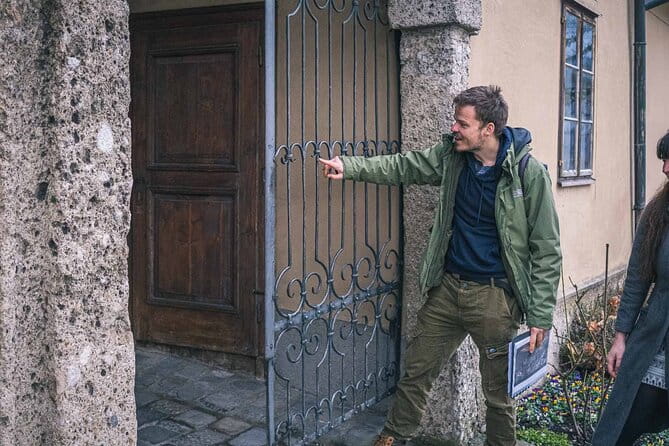
The tour begins in the Kurgarten area, right in Salzburg’s old town—an ideal starting point. You arrive with the idea that this walk will be a mix of cinematic nostalgia and WWII lessons, and it quickly becomes clear that the guides aim to do more than just tick off notable sights. Leo, the tour’s lead, is personable and knowledgeable, immediately setting a friendly tone that invites curiosity.
If you're enjoying exploring Salzburg on foot, you'll love these other walking tours we recommend
The Mirabell Gardens and “Sound of Music” Filming Sites
Our first stop is the Schloss Mirabell & Mirabellgarten, an instantly recognizable location in the “Sound of Music” film. For film fans, it’s a thrill to stand where the famous scene with the children singing goes back to life. The gardens are beautiful even without movies, but knowing their cinematic fame adds a special layer. The tour’s focus, however, doesn’t stay there; it’s just the beginning of noticing how history has left its mark across Salzburg.
Makartplatz and Its Wartime Layers
Next, we step into Makartplatz, a square that saw many name changes influenced by Salzburg’s wartime history. Leo points out the different buildings affected by WWII, emphasizing that every corner of the city holds stories of struggle, resilience, and change. This stop is short but meaningful and offers a vivid picture of how the war altered Salzburg’s landscape—both physical and social.
Linzergasse and Memorials
Moving into Linzergasse, the neighborhood where common Salzburgers lived, Leo takes us past Stolpersteine—small brass plaques set into the pavement, commemorating local victims of the Nazi regime. The inclusion of these memorials personalizes the tour, reminding visitors that war impacted ordinary people, not just distant historical figures. Reviewers have loved Leo’s ability to bring these stories to life, with one noting that the stories about Jewish families escaping or suffering at the hands of the Nazis are some of the most moving.
The Legend of Steingasse
The next stop involves an urban legend Leo shares about a wartime trace in Salzburg—a story that might be true, or perhaps a local myth. Either way, it illustrates how legends grow around wartime relics, and Leo encourages us to decide for ourselves. This stop adds an element of mystery and local folklore, enriching the overall experience, and many reviewers have enjoyed Leo’s storytelling flair here.
- Salzburg and Lake Region Small-Group Day Trip From Vienna
- Christmas Horse-Drawn Sleigh Ride From Salzburg
- Full-Day Minivan Tour From Salzburg to Hallstatt With 5 Fingers,Lakes&Mountains
- Salzburg Super Saver: Original Sound of Music and Salt Mines Day Trip
- Original Sound of Music Tour Salzburg With Schnitzel and Noodle
- Skip-The-Line Salt-Mines and Bavarian Mountains Tour From Salzburg
Staatsbrücke: Wartime Construction and Forced Labor
Crossing the Staatsbrücke, the main bridge in the old town, we learn that hundreds of forced laborers and prisoners of war worked on its construction. Here, the tour highlights the human toll of wartime infrastructure projects, making the experience more visceral. It’s a stark reminder that even Salzburg’s beautiful landmarks bear the scars of WWII.
Historic Old Market and Personal Stories
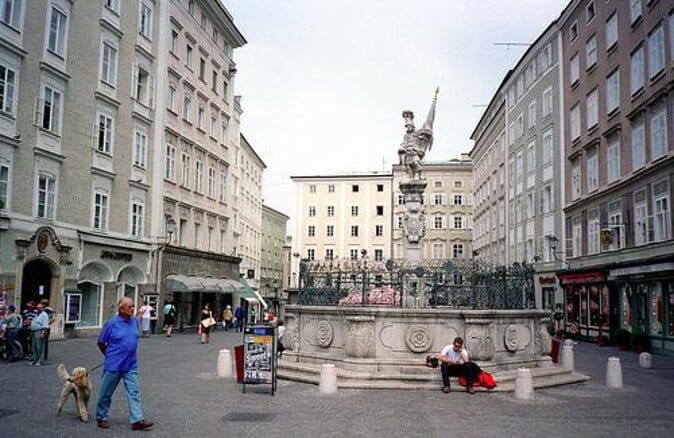
At Alter Markt, Leo shares poignant stories about local families and how some narrowly escaped Salzburg’s Nazi grip, providing a human face to a period often reduced to dates and dates. Many reviews mention how these personal stories elevate the tour from just sightseeing to a genuine understanding of wartime Salzburg.
The Salzburg Festspielhaus and the Trapp Family
The Grosses Festspielhaus, known for hosting the famous Salzburg Festival, also played a part in the Trapp family’s story. Contrary to the well-known film scenes, the actual family performed here—an interesting fact that adds depth for fans of “The Sound of Music.” It’s a reminder that history and legend often intertwine.
Main Square of Salzburg: Residenzplatz
The highlight is Residenzplatz, the city’s central square. Leo discusses the Anschluss (Nazi annexation), the film history connected to Salzburg, and the heartbreaking fact that the only book burning in Salzburg took place here during WWII. Many reviewers note that this stop is profoundly moving, emphasizing the loss and resilience of Salzburg’s citizens.
Final stop at Nonnberg Abbey
Culminating at Stift Nonnberg, Europe’s oldest women’s monastery, the tour offers excellent views of the Alps and a peaceful conclusion to a day filled with stories of hardship, hope, and film. The abbey’s history as well as its place in “The Sound of Music” provide a perfect blend of spiritual serenity and cinematic nostalgia.
This walk is best suited for travelers who appreciate more than surface-level sightseeing. History lovers, film fans, and those curious about WWII’s local impact will find it especially rewarding. The guide’s personal storytelling makes complex history approachable and memorable. It’s also a good choice if you want an authentic, well-priced experience that combines city sights with meaningful stories. The group size, limited to about 25 people, ensures a more intimate and engaging experience.
The tour is priced fairly, considering the depth of stories and sights covered. It lasts around 2 hours, which is a manageable time investment for a deep dive into Salzburg’s history. You’ll walk at a moderate pace, so comfortable shoes are recommended. The tour ends at Nonnberg Abbey, from where you can continue exploring or enjoy the stunning mountain backdrop.
Guides like Leo are praised for their knowledge, personal connection, and enthusiasm, making the experience both informative and enjoyable. Many reviews mention the value of re-watching “The Sound of Music” beforehand to better appreciate the filming locations—but even without that, you’ll leave with a richer understanding of Salzburg’s WWII history and its cinematic legacy.
In sum, this Nuns & Nazis Walking Tour offers a thoughtful, engaging way to explore Salzburg’s multifaceted identity. It is particularly perfect for those interested in history, WWII stories, and film locations—especially if they enjoy guides who share personal stories and local legends. The combination of beautiful sights, meaningful stories, and an affordable price makes it a compelling choice for travelers seeking a deeper connection to Salzburg.
If you’re looking for a tour that balances scenic beauty, historical depth, and authentic personal storytelling, this walk will serve you well. It’s a rare chance to see the city through a different lens—one that remembers its darker days and celebrates its resilience. Highly recommended for those who want to walk beyond the famous Sound of Music sites and discover the stories that truly define Salzburg’s soul.
How long is the tour?
The tour lasts approximately 2 hours to 2 hours 15 minutes, making it a manageable but immersive experience.
Where does the tour start and end?
It begins at KurgartenRainerstraße 2 and ends at Nonnberggasse 8, at Nonnberg Abbey. The starting point is easy to access and close to public transportation.
What’s included in the price?
The cost is about $20.60 per person, and it covers the guided experience. There are no additional entrance fees, as most stops are outdoor or free to view.
Is the tour suitable for all physical fitness levels?
Yes, but travelers should be comfortable walking and standing for the duration. The tour involves some moderate physical activity and stairs at Nonnberg Abbey.
Can I cancel if my plans change?
Yes, tickets are refundable if canceled at least 24 hours in advance. The policy is flexible and offers peace of mind.
Is this tour family-friendly?
Most likely, yes—especially if your family enjoys history and storytelling. Just consider the walking distance and duration.
Are guides knowledgeable about WWII history?
Absolutely. Guides like Leo are praised for their personal insights and deep knowledge, often sharing stories connected to their own family history.
Do I need to re-watch “The Sound of Music” before the tour?
Not necessary, but it might enrich your experience since many locations featured in the film are visited, and some stories reference specific scenes.
This tour delivers an engaging, well-rounded glimpse into Salzburg’s WWII past while connecting it to the city’s famous cinematic heritage. It’s an ideal choice for those who value authentic stories, stunning city views, and a guide passionate about their city’s history.
More Walking Tours in Salzburg
- Hallstatt, Salt mine, Funicular, sky walk Trip From Salzburg
- Hallstatt, Salt mine, Funicular, sky walk Trip From Salzburg
- DomQuartier, Salzburg Residence, Cathedral Walking Tour
- Salzburg – Historic Guided Walking tour
- Salzburg Old Town, Fortress, Cathedral Private Walking Tour
- Mirabell Garden & Salzburg Old Town Private Walking Tour
More Tours in Salzburg
More Tour Reviews in Salzburg
- From Salzburg: Salt Mines Package – The White Gold Adventure
- Salzburg Old Town, Fortress, Cathedral Private Walking Tour
- Private trip from Salzburg to Mondsee, St. Gilgen, and back
- Salzburg: River Cruise & Best of Mozart Fortress Concert
- Salzburg: Segway sightseeing tour
- Salzburg Stories: A Private Walking Tour With Local Guide
Not for you? Here's more things to do in Salzburg we have recnetly reviewed
- Private Tour: Werfen World’s Largest Ice Caves
- Munich: Neuschwanstein/Rothenburg/Eagle’s Nest/Salzburg Trip
- Snowy Alps & Fairytale Towns: Hallstatt & Salzburg Tour
- Salzburg Christmas Market and City Highlights Evening Tour
- Salzburg Zoo Hellbrunn Skip-the-line Tickets & Private Car
- From Vienna: Fairytale Village, Hallsttat, and Salzburg Tour
- Salzburg: Mondsee Private Tour with Basilica and Lake view
- Private Tour to Hallstatt & Salzburg Comfort and Elegance
- Wiestal: Canyoning in der Almbachklamm – Swiss Cheese Tour
- Vienna: Private tour from Vienna to Hallstatt and Salzburg
- Skip-the-line Hellbrunn Palace Trick Fountains Salzburg Tour
- Vienna/Bratislava: Hallstatt, Salzburg, Melk, Dürnstein Tour