
Kintsugi, the Japanese art of golden joinery, offers a unique way to transform broken pottery into stunning masterpieces. Held in the heart of Tokyo, the Kintsugi Experience invites participants to learn this ancient technique under the guidance of a master craftsman. By repairing ceramic pieces with lacquer infused with precious metals, attendees discover the beauty in imperfection and the profound philosophy of wabi-sabi. What secrets await those who embark on this captivating journey through the art of Kintsugi?
Key Points

- Discover the ancient Japanese art of Kintsugi, where broken pottery is repaired with lacquer and gold, celebrating the beauty of imperfection.
- Participate in a 1-hour Kintsugi workshop at the TNCA Minami-Aoyama Studio in central Tokyo, guided by a master artisan.
- Learn the philosophical principles of wabi-sabi and the appreciation of transience and imperfection during the hands-on Kintsugi experience.
- Create a unique and visually striking piece of Kintsugi-repaired ceramic plate to take home as a memorable souvenir.
- Gain a deeper understanding of Japanese aesthetics and how the Kintsugi mindset can be applied to personal growth and transformation.
What Is Kintsugi?

Kintsugi is the centuries-old Japanese art of repairing broken pottery with lacquer dusted with gold, silver, or platinum.
This technique embraces the beauty of imperfection, highlighting the cracks and fractures as part of an object’s history and character. Rather than disguising the damage, Kintsugi celebrates it, creating unique and visually striking pieces that reflect the philosophy of wabi-sabi – the acceptance of transience and imperfection.
You can also read our reviews of more tours and experiences in Tokyo.
The Kintsugi Experience in Tokyo
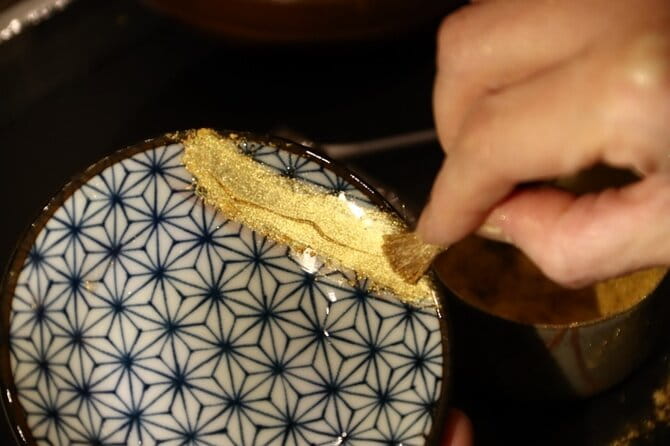
Situated in the heart of Tokyo, the TNCA Minami-Aoyama Studio offers a captivating Kintsugi experience that invites participants to explore the rich cultural heritage of Japan.
Over the course of an hour, a maximum of 10 attendees gather to learn the ancient art of repairing broken pottery under the guidance of a master artisan.
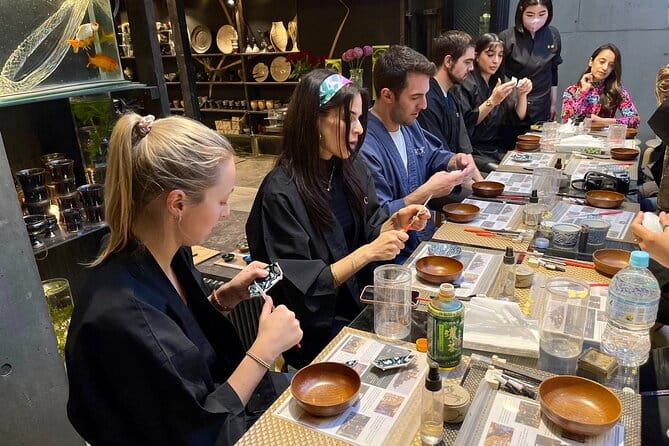
Donning traditional samue garments, they meticulously mend their supplied ceramic plates, incorporating the philosophy that embraces imperfections.
Participants leave with a unique, repaired item, fostering an appreciation for Japanese aesthetics and a newfound understanding of the beauty in brokenness.
Class Details and Inclusions
The Kintsugi experience in Tokyo typically lasts approximately 1 hour, with a maximum group size of 10 participants.
Sessions take place at the TNCA Minami-Aoyama Studio in central Tokyo. Participants receive a ceramic plate and necessary equipment for the lesson, guided by a master instructor who shares insights into Japanese culture and philosophy.
Attendees wear a traditional samue garment during the class. The experience culminates with participants leaving with their own repaired item, a unique souvenir that fosters an appreciation for Japanese aesthetics.
The lesson fee, taxes, and materials are included, though transportation and gratuities are not.
Preparing for the Kintsugi Class
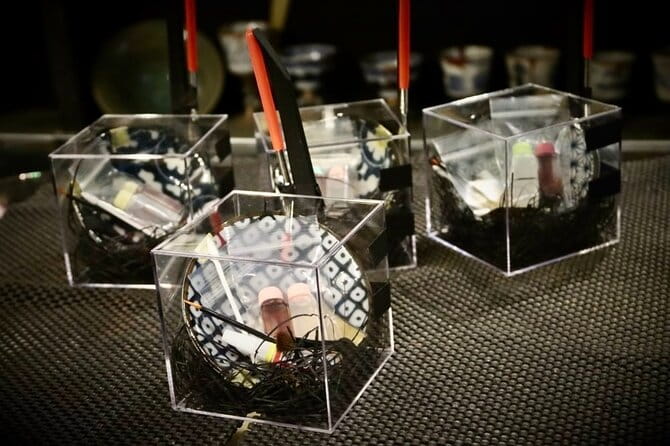
Preparing for the Kintsugi class involves ensuring participants are ready to fully engage in the unique Japanese art form. Key considerations include:
- Attire: Guests don traditional samue garments, which allow for comfortable movement during the hands-on lesson.
- Arrival: Participants should arrive at the TNCA Minami-Aoyama Studio, the designated meeting point, on time to maximize their Kintsugi experience.
- Mindset: An open and curious attitude helps participants appreciate the cultural significance and philosophy behind Kintsugi, the art of repairing broken pottery.
Guided Lesson With Master Taku
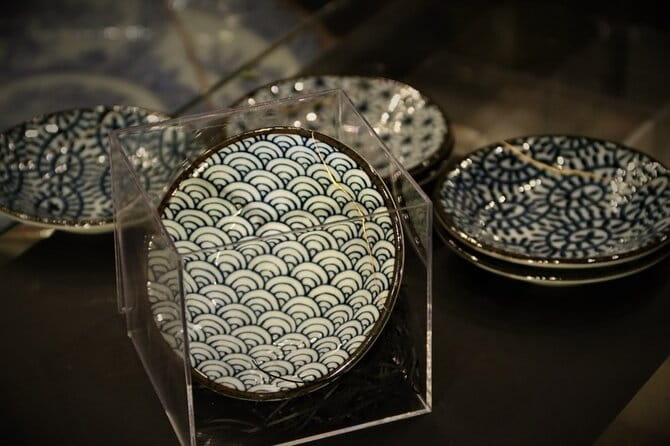
Upon arrival, participants are greeted by Master Taku, the renowned Kintsugi artist who’ll guide them through the hands-on lesson. Donning the traditional samue garment, the group gathers around the table, eager to learn the ancient art.
| Step | Process | Duration |
|---|---|---|
| 1 | Examination of the ceramic plate | 10 minutes |
| 2 | Preparation of the lacquer and gold powder | 15 minutes |
| 3 | Applying the lacquer and gold powder to the cracks | 30 minutes |
Throughout the lesson, Master Taku shares insights into the philosophy of Kintsugi, weaving in elements of Japanese culture. Participants leave with a unique, repaired souvenir, imbued with the essence of this centuries-old practice.
- Tokyo: Soba (Buck Wheat Noodles) Making Experience
- Tokyo, Asakusa, Senso-Ji, Skytree: Private Photo Tour
- Shibuya Foodie Walking Friendly Tour With a Local Expert
- Tokyo: Nikko Toshogu Shrine and Kegon Waterfall Tour
- Manga Lesson by Pro-Manga Artist Who Drew Ace Attorney
- Ultimate One-Day Tokyo Must-Sees Tour With Photo Spots
Repairing the Ceramic Plate
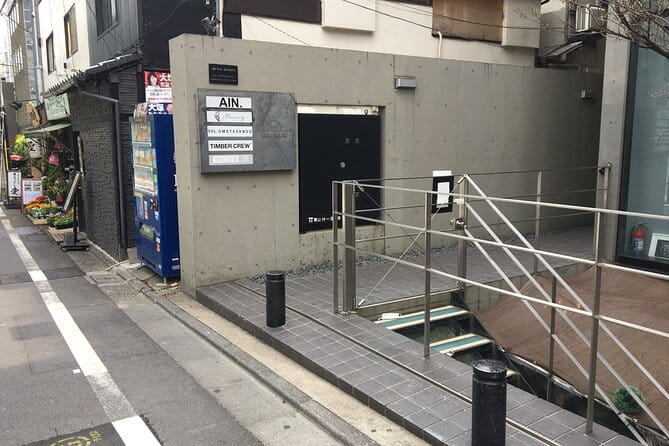
After examining the ceramic plate, participants carefully prepare the lacquer and gold powder needed to begin the repair process.
Under the guidance of Master Taku, they learn the intricate Kintsugi technique:
- Carefully apply the lacquer to the broken edges, ensuring a secure bond.
- Sprinkle the gold powder onto the lacquer, creating a shimmering, golden seam.
- Gently buff the repaired piece, revealing the beauty of the restored ceramic and the artful integration of the cracks.
The once-broken plate now displays its history, celebrated with the golden joinery of Kintsugi.
Appreciating the Repaired Piece
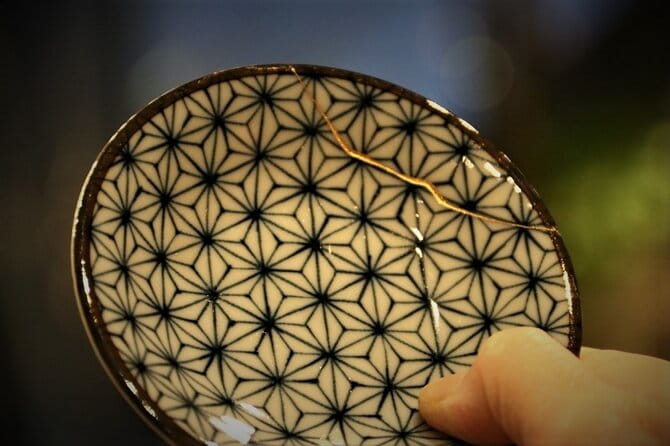
The repaired ceramic plate now stands as a testament to the beauty that can emerge from brokenness.
Through the Kintsugi process, the once-shattered piece has been transformed, its cracks highlighted with shimmering gold.
Participants leave the class with a newfound appreciation for the Japanese philosophy that embraces imperfection, seeing the plate not as a damaged object, but as a unique work of art.
The visible repair tells a story, adding character and history to the piece.
This tangible souvenir serves as a reminder that sometimes the most beautiful things can come from the most broken.
Memorable Takeaways From the Experience
Participants often leave the Kintsugi experience with a deeper appreciation for the Japanese philosophy that celebrates imperfection.
The process of repairing broken pottery with gold-infused lacquer serves as a metaphor for embracing life’s flaws and scars.
Key takeaways include:
- Understanding Wabi-Sabi, the aesthetic appreciation of transience and imperfection.
- Recognizing the beauty in the repaired item as a unique work of art, with the repairs as an integral part of the object’s story.
- Applying the Kintsugi mindset to personal growth, viewing challenges as opportunities for transformation.
Frequently Asked Questions
Can I Bring My Own Broken Ceramic Piece to Repair?
Yes, participants can bring their own broken ceramic piece to repair during the Kintsugi experience. The instructor will guide them through the process of repairing it using the traditional Japanese art form.
What Is the Recommended Age for Children to Participate?
The recommended minimum age for children to participate in the Kintsugi experience is 6 years old. The classes are suitable for families, allowing children to learn the art of repairing broken pottery alongside their parents or guardians.
Do I Need to Have Any Prior Experience With Crafts?
No prior craft experience is needed for the Kintsugi class. The instructor provides guidance tailored to each participant’s skill level, making it accessible for beginners. The focus is on learning the art and philosophy, not prior expertise.
Can the Class Accommodate Dietary Restrictions or Allergies?
The class can accommodate dietary restrictions or allergies if guests notify the provider in advance. They’ll work to ensure participants with special needs can fully engage in the Kintsugi experience.
Is There a Dress Code or Should I Wear Specific Clothing?
Participants wear a traditional samue garment provided during the Kintsugi class. There’s no specific dress code, but comfortable clothing that can get a bit messy is recommended as participants create their unique repaired ceramic item.
The Sum Up
The Kintsugi experience in Tokyo offers a unique opportunity to explore the ancient Japanese art of golden joinery. Participants learn to transform broken pottery into stunning works of art, embracing the beauty of imperfection and the philosophy of wabi-sabi. With the guidance of a master, this hands-on class provides a deeper appreciation for resilience and the stories behind each repaired piece, leaving attendees with a memorable and meaningful experience.
More Tour Reviews in Tokyo
Not for you? Here's more things to do in Tokyo we have recnetly reviewed
- Tokyo Private Half Day Tour With Licensed Guide by Car
- Tokyo City Cherry Blossom Private Sightseeing Tour
- 1 Day Tokyo Private Tour With English Speaking Guide
- Audio Guide Tour in The East Gardens of the Imperial Palace
- Private Karuizawa, Nagano Tour – Bilingual Chauffeur
- Sunday Morning JDM Experience
- Mt. Fuji 5th Station and Hakone Day Tour From Tokyo
- True Tokyo Luxury Shopping Private Tour
- Discover Your Tokyo -Private Tokyo Customized Walking Tour-
- Simple and Fun to Make Inari Sushi Party in Tokyo
- JDM Daikoku Car Meet GTR35 600HP to Famous Spot
- Experience of Large Calligraphy Performance in Asakusa Tokyo