
Exploring Istanbul’s Museum of the History of Islamic Science & Technology is a journey into the scientific achievements of a period often overshadowed by other historical narratives. This museum offers a comprehensive look at the groundbreaking inventions and ideas from the Islamic Golden Age, with a focus on astronomy, mathematics, medicine, and engineering. It’s a place that truly brings history alive through interactive displays and carefully crafted replicas of historical instruments.
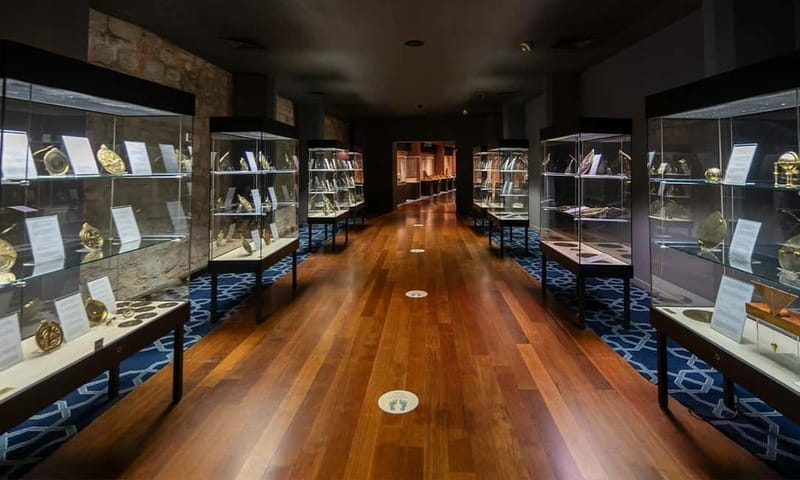
What I love about this experience is how accessible and engaging the exhibits are. The interactive displays make complex topics approachable—I particularly enjoyed the detailed replicas of ancient scientific instruments, which offer a tactile sense of discovery. Plus, the inclusion of an multilingual audio guide helps deepen understanding without feeling overwhelming. A second highlight is the museum’s focus on showing how Islamic scholars contributed to the evolution of modern science, which adds an educational layer that many visitors find inspiring.
A possible drawback is that the museum’s focus is niche—if you’re not naturally curious about science or history, some of the detailed exhibits might feel a bit overwhelming or less engaging. Also, since the museum is a single-day visit, those with limited time might find it challenging to absorb everything without rushing.
Overall, I think this museum is a hidden gem for anyone interested in history, science, or innovation. It offers a well-balanced mix of education and interaction, making it an excellent choice for those eager to understand how Islamic scholars shaped many scientific principles we still use today.
Key Points / Takeaways
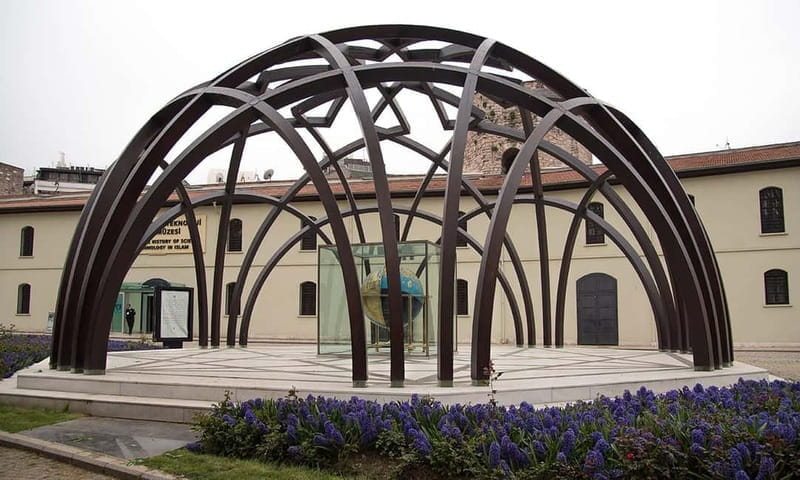
- Focus on Islamic Golden Age: Showcases discoveries from a period many overlook in science history.
- Interactive and detailed exhibits: Use replicas and digital displays to explain scientific concepts.
- Multilingual audio guide: Available in multiple languages, enhancing the educational experience.
- Educational impact: Highlights Islamic scholars’ influence on modern science, adding depth.
- Single-day visit: Ideal for a quick, focused exploration of Islamic scientific achievements.
- No guided tour included: You’ll explore at your own pace, which suits curious, independent travelers.
Exploring the Museum’s Highlights
Fascinated by Istanbul's past? More historical tours we've covered
An Introduction to Islamic Scientific Pioneers
The museum begins with a broad overview of the Islamic Golden Age, setting the stage for the innovations you’ll discover. You’ll learn how scholars like Al-Razi in medicine and Al-Khwarizmi in mathematics laid foundations that influence science even today. I appreciated how the explanations emphasize not just the inventions, but their significance in the evolution of scientific thought.
Astronomy: Stars and Instruments
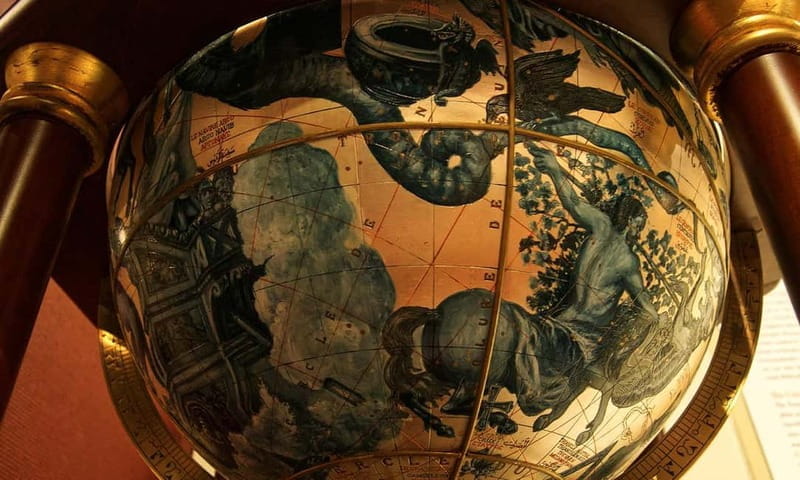
One of the most captivating sections explores astronomy, a field where Islamic scholars made tremendous advances. Expect to see detailed replicas of ancient telescopes and astrolabes, along with interactive displays explaining how these instruments were used for navigation and celestial observation. It’s fascinating to see how these tools helped shape our understanding of the cosmos, and it’s quite satisfying to hold a replica of an astrolabe and see how it works.
Mathematics and Engineering
The exhibits on mathematics highlight the development of algebra and algorithms, especially through the work of Al-Khwarizmi. Interactive touchscreens demonstrate how these mathematical principles are used in modern computing. Similarly, the engineering section showcases gadgets and devices that exemplify Islamic ingenuity, like water clocks and mechanical devices. These displays are lively and engaging, making abstract ideas tangible.
More Great Tours NearbyMedical Innovations
The medical section is equally impressive, featuring replicas of surgical instruments and detailed explanations of early medical practices. Information about pioneering figures like Ibn Sina (Avicenna) illustrates how Islamic medicine was centuries ahead of its time. I found the interactive displays on herbal medicine and anatomy particularly enlightening, providing insight into how Islamic physicians contributed to healthcare advances.
Ready for more culture? More museums we feature in Istanbul
- Istanbul: 5-Day Guided Museum Pass
- Istanbul Hodjapasha Whirling Dervishes Show & Exhibition
- Contemporary Art Walk: Istiklal Street, Modern Art Museums
- Istanbul: Jewish Heritage and Museum Full-Day Tour
- History&Culture Tour(Hagia Sophia Museum, Blue Mosque, Bosphorus)
- Istanbul: Hagia Sophia History and Experience Museum
Impact on Modern Science
Throughout the museum, panels and multimedia presentations connect Islamic innovations to contemporary science. This isn’t just a collection of old gadgets; it’s a story of influence. For example, the development of algebra and optics is traced directly to Islamic scholars, helping visitors appreciate the ongoing relevance of these ancient discoveries.
Practical Tips for Visiting
- Timing: Check availability for starting times and plan to arrive early to avoid crowds.
- Audio Guide: It’s included and available in multiple languages, which is invaluable for understanding detailed exhibits.
- Self-Guided Exploration: Since guided tours are not included, take your time with the interactive displays and replicas.
- Accessibility: The museum’s layout is manageable, making it suitable for most visitors.
- Ticketing: Your QR code ticket is sent via email the day before or immediately if booking on the same day—easy and convenient.
Price and Logistics
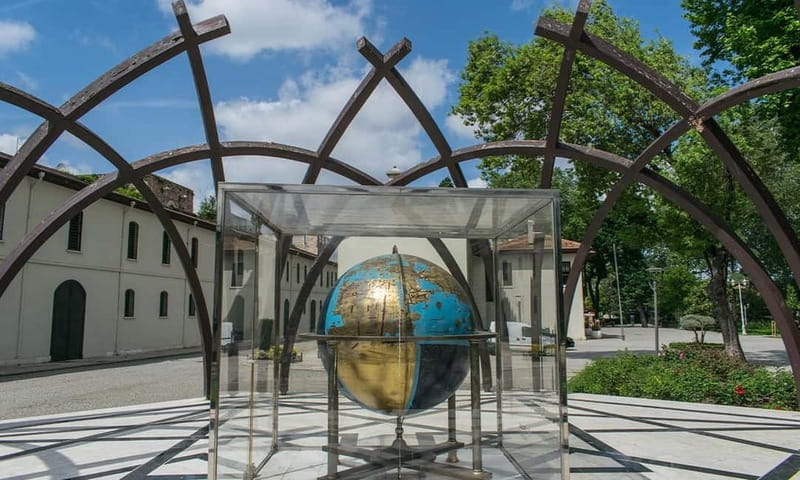
The ticket includes admission to all permanent and temporary exhibits, access to the audio guide, and the use of interactive displays and replicas. This all-in-one approach offers good value, especially considering the depth and quality of the exhibits. The museum’s one-day validity means you’ll want to plan a focused visit—however, the experience’s richness makes it well worth a few hours.
Since the tickets skip the line via express security, you won’t waste time waiting, which is a plus in busy Istanbul. The activity ends back at the start point, making it straightforward to combine with other nearby sites or activities.
Who Should Visit?
Science and history enthusiasts will find this museum a treasure trove. It’s also ideal for curious travelers keen to see a different side of Istanbul—one rooted in scientific discovery and innovation rather than just the usual landmarks. Those with a keen interest in Islamic culture or the history of inventions will especially benefit.
Who Might Find it Less Appealing?
If you prefer outdoor activities or more physical experiences, this indoors, educational museum might feel a bit static. It’s best suited for those willing to spend some quiet time reading, watching displays, and engaging with exhibits at their own pace.
Final Thoughts
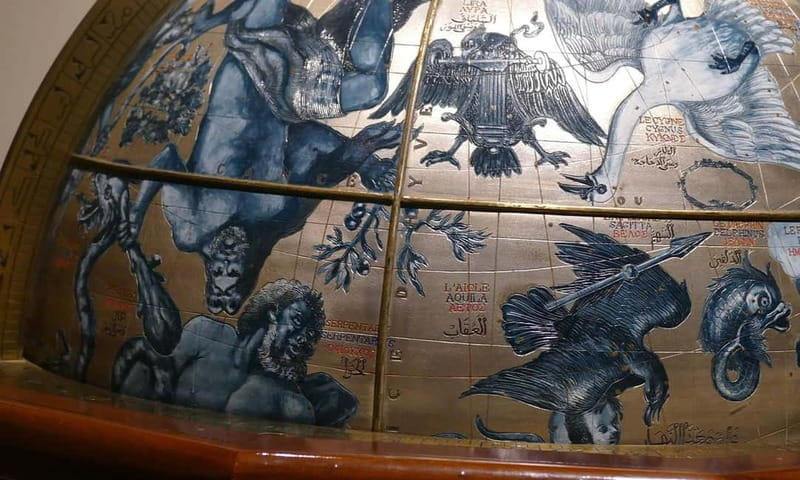
The Museum of the History of Islamic Science & Technology offers an intriguing look into a pivotal era of scientific progress. Its well-curated exhibits, interactive elements, and educational depth make it a unique addition to your Istanbul itinerary. It’s a perfect stop for those eager to expand their understanding of global history—beyond the typical tourist sights.
The experience is particularly valuable for travelers who appreciate learning through visual and tactile methods, as the replicas and interactive displays bring the past to life in a very tangible way. The inclusion of detailed explanations and multilingual guides ensures that visitors leave with a genuine appreciation for the influence of Islamic scholars on modern science.
In short, this museum provides a meaningful, well-organized, and engaging exploration into a chapter of history that deserves more attention. It’s a balanced mix of education, interaction, and inspiration—making it an enriching stop that suits a variety of interests.
FAQ
Is the ticket valid for a specific time?
Yes, the ticket is valid for one day, and you should check the available starting times when booking. Arriving early helps avoid crowds.
How is the ticket delivered?
Your QR code ticket will be emailed to you one day before your visit, or immediately if booked on the same day. You’ll need to show this code at the entrance.
Are guided tours available?
Guided tours are not included, but the audio guide in multiple languages is provided, which offers detailed explanations of the exhibits.
Can I visit the museum more than once?
The ticket is valid for just one day, so a second visit would require purchasing another ticket.
Is the museum suitable for children?
While primarily educational, children interested in science and history can find the exhibits engaging. The interactive displays can appeal to younger visitors as well.
Are food and drinks allowed inside?
No, food and drinks are not included in the ticket price. There are usually nearby cafes or places to eat outside the museum.
How long should I plan to spend there?
A focused visit of around two hours should suffice, but if you enjoy detailed exploration, you might want to allow more time to fully engage with the exhibits.
This museum stands out as a thoughtful addition to your Istanbul adventure—providing insight into a vibrant and influential part of history often overlooked in conventional travel guides. Whether you’re a science buff or simply curious about how the past shapes our present, it’s a worthwhile stop that offers depth, discovery, and a glimpse into the innovative spirit of the Islamic Golden Age.
You can check availability for your dates here:More Museum Experiences in Istanbul
- Istanbul: Digital Experience Museum Entry Ticket
- Istanbul Combo: Topkapi Palace & Hagia Sophia Museum
- Digital Experience Museum Skip-the-Line Entry
- Istanbul: Hodjapasha Whirling Dervishes Show & Exhibition
- Istanbul: Toy Museum Balat Entrance Ticket
- Istanbul: Topkapi Palace and Harem Museum Tour with Ticket
More Historical Tours in Istanbul
- Istanbul Revealed: Historic Pathways and Bosphorus Serenity
- Istanbul: Acemoglu Historical Turkish Bath w/Private Options
- Istanbul: Panorama 1453 History Museum Entry Ticket
- Istanbul: Historical Peninsula Tour with Expert Guide
- Istanbul: Acemoglu Historical Hammam Entry Ticket
- Istanbul: Gedikpasa Historical Hammam with Privacy Add-On
More Tour Reviews in Istanbul
Not for you? Here's more things to do in Istanbul we have recnetly reviewed
- Istanbul: Bosphorus Dinner Cruise w/ Drinks & Entertainment
- Istanbul: Blue Mosque, Hagia Sophia, and Hippodrome Tour
- Sapanca Lake and Masukiye Full-Day Tour from Istanbul
- Private Excursion: Jewels of Istanbul Tour with a Boat Ride
- Istanbul: Wine and Paint Workshop with Turkish Fabrics
- Istanbul: Half-Day Guided Tour of Sultanahmet District
- Istanbul Old City Full Day Tour
- Istanbul: Morning Bosphorus Yacht Cruise w/Turkish Breakfast
- THE COLORS OF TURKEY
- Istanbul :Private Full Day Old City Shore Excursion Tour
- Istanbul: Small Group Yacht Tour with Unlimited Wine
- Turkish Tapas – Meze Cooking for Beginners in Istanbul