
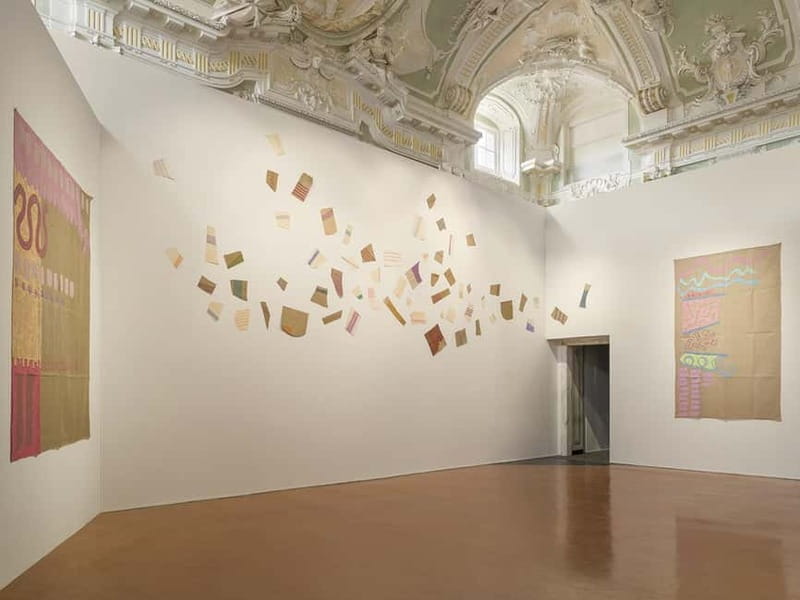
Stepping into the Palazzo Ducale in Genoa to see the Giorgio Griffa exhibition, Painting the Invisible, feels like entering a dialogue between past and present. Griffa, an influential figure in Italian abstract art, has exhibited in major venues and participated in multiple Venice Biennials, yet this exhibition at the Doge’s Palace offers a rare opportunity to see his work in a historical setting that echoes his poetic and performative approach to painting.
What I love about this experience is how Griffa’s signs and colors seem to challenge the very notion of representation—drawing you into an almost meditative space outside of time. The placement of works on paper, large canvases, and installations within the historic corridors of the Doge’s Apartment creates a compelling contrast that enhances the abstract nature of his art. Another highlight is the thoughtful curation by Ilaria Bonacossa and Sébastien Delot, which weaves Griffa’s poetic gestures into the architecture’s rich layers, including a tribute to Montale on the centenary of Ossi di Seppia.
However, a consideration for prospective visitors is that the exhibition, although accessible and engaging, may require a bit of patience if you’re unfamiliar with abstract art. Some pieces are subtle, and without prior knowledge, it might feel like you’re simply looking at a series of signs and strokes. Also, since the exhibition is housed within the Doge’s Palace, the layout can involve a fair amount of walking through historic corridors, which might be tiring for those with mobility issues. Still, the opportunity to see Griffa’s work surrounded by the palace’s storied architecture makes it uniquely worthwhile.
Key Points / Takeaways
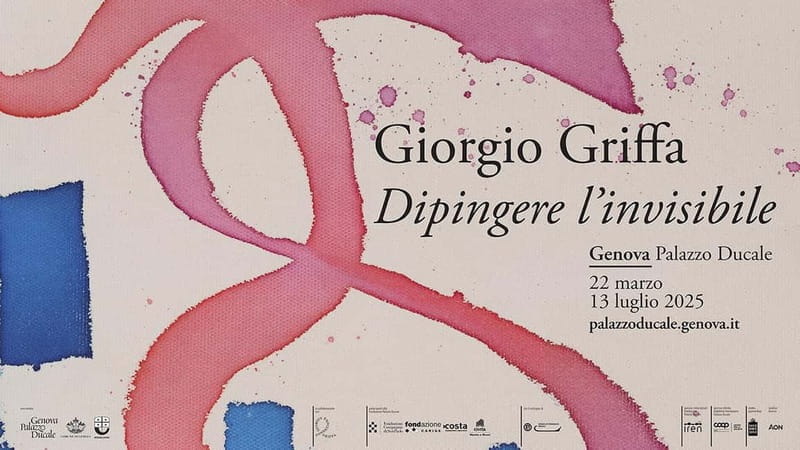
- Unique Setting: The exhibition is installed within the historic Doge’s Apartment, creating a layered experience of architecture and abstract art.
- Focus on Gesture and Sign: Griffa’s paintings are about sequence, movement, and presence, not figurative representation.
- Historical Dialogue: Works on paper and canvases dialogue with the building’s architecture and historical context, adding depth.
- Special Tribute: Includes a tribute to Montale, marking the centenary of Ossi di Seppia, enriching the poetic atmosphere.
- Accessible for All: The event is wheelchair accessible, making it a comfortable visit for many.
- In-Depth Curatorial Approach: Curators Bonacossa and Delot emphasize Griffa’s poetic, performative style—an insight that helps you appreciate his work beyond the surface.
Discovering Giorgio Griffa at Palazzo Ducale
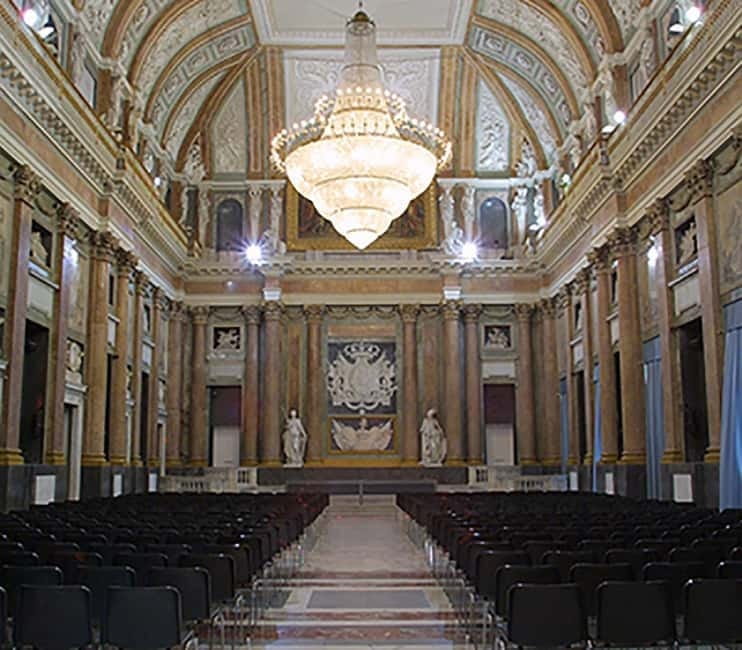
The Giorgio Griffa exhibition offers a rare chance to see this influential artist’s work in a venue that complements his poetic, abstract style. His approach—using signs, strokes, and sequences—has written a distinctive chapter in Italian art history, marked by more than 200 solo exhibitions and participation in the Venice Biennale (in 1978, 1980, and 2017).
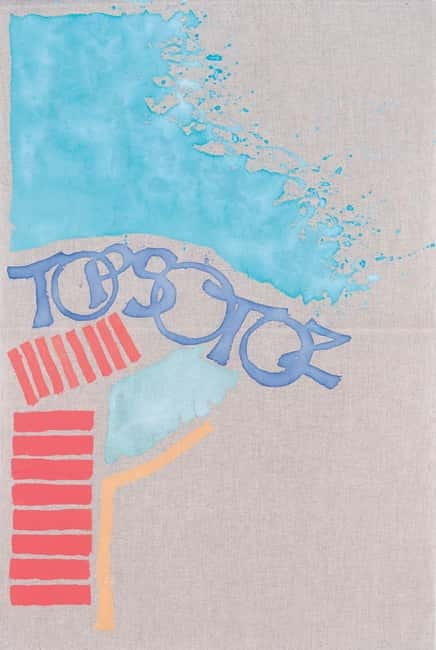
I find Griffa’s work particularly compelling because of its timelessness—these are paintings that seem to exist outside of fleeting trends, rooted instead in a quiet meditation on gesture and matter. The exhibition’s layout guides you through his evolution, from his early work in the 1960s to his later cycles of painting, like the Segni primari. You’ll see large canvases and works on paper that explore what it means to occupy space with signs—without any narrative or figurative storytelling.
The curation is especially thoughtful, with pieces thoughtfully chosen to resonate with the palace’s architecture. This dialogue between the historic and the contemporary creates a layered experience that elevates the seeing of abstract art from mere viewing to a kind of silent conversation across time.
Ready for more culture? More museums we feature in Genoa
The Layout and What to Expect
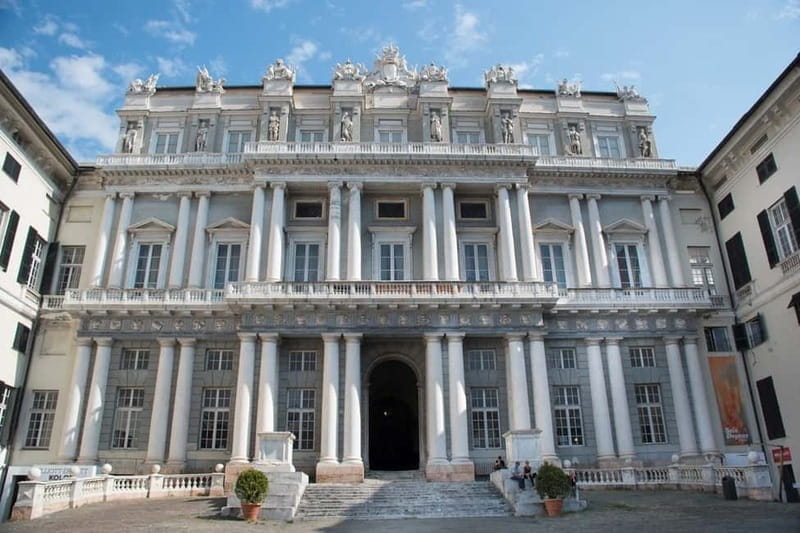
When you arrive at the Palazzo Ducale, the process begins at the ticket office—simply present your voucher to receive your entry to the exhibition. The exhibition is housed in the Doge’s Apartment, a space filled with historic rooms that are both grand and intimate. You’ll wander through these corridors, discovering large canvases that command attention and works on paper that invite close inspection.
One of the most memorable sections is Griffa’s tribute to Montale, which adds a poetic layer to the abstract gestures. The installation style encourages a contemplative mood—these are paintings meant to be listened to with your eyes, not necessarily understood through a narrative. Griffa’s own words—”there is no representation of space, but rather its occupation”—capture the essence of what you’ll experience.
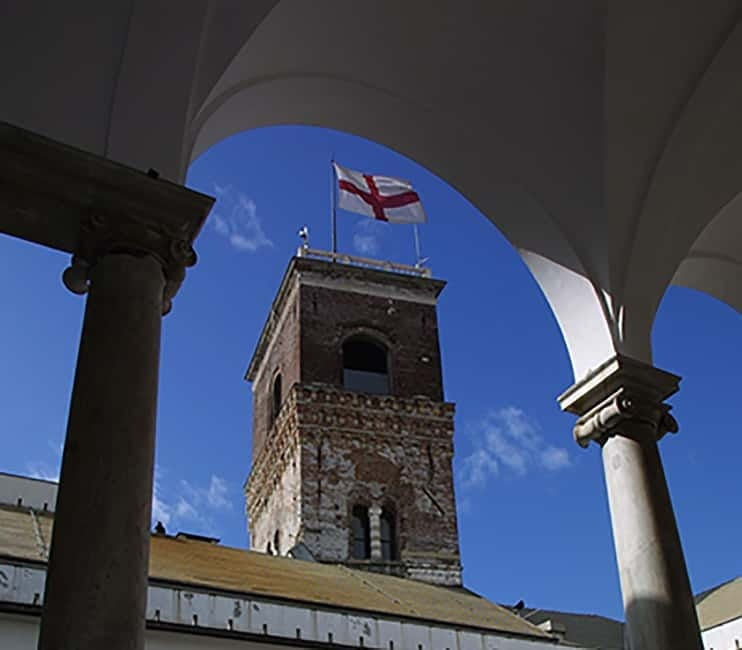
Expect a quiet, almost meditative atmosphere. The palace’s architecture, with its historic arches and ornate details, frames the works beautifully, amplifying their poetic, performative quality. It’s a chance to see abstract art in a context that elevates it beyond a gallery wall.
Practical Details: Logistics, Cost, and Tips
The tour includes your admission ticket to both the Griffa exhibition and the Doge’s Chapel, as well as access to the Saloni del Maggior e Minor Consiglio, but only on days when the palace is open. The whole experience lasts about a day, and check availability for specific starting times. It’s wheelchair accessible, making it a suitable outing for many.
Pricing is reasonable considering the depth and quality of the exhibition. You’re paying for a curated, thematic experience in a historic setting—something that adds to the overall value. If you’re an art lover or intrigued by how contemporary practices can dialogue with historic spaces, this is a compelling experience.
A good tip: arrive early or later in the day to avoid crowds, especially inside the palace’s more confined corridors. Take your time with each piece— Griffa’s work often reveals more upon closer inspection, with strokes and signs that seem simple but are deeply poetic.
Who Will Love This?
This exhibition is perfect for those who appreciate abstract art that emphasizes gesture, matter, and poetic space. If you’re interested in how contemporary artists dialogue with historical settings, this will resonate strongly. It’s also suitable for visitors who enjoy quiet, contemplative experiences rather than fast-paced sightseeing.
Because Griffa’s work is about signs and sequences, it’s ideal if you prefer art that invites reflection rather than immediate understanding. The setting—within a historic palace—adds a layer of cultural richness that will appeal to those who love combining history and modernity.
If you’re traveling with someone who isn’t a big fan of abstract art, it might still be worth visiting for the architecture and the sense of being inside a storied building. However, those looking for lively, interactive exhibits may find it more subdued.
More Great Tours NearbyThe Sum Up
Visiting the Giorgio Griffa exhibition at Genoa’s Palazzo Ducale offers a meaningful encounter with a major figure in Italian abstract art, set within a historic palace that amplifies the poetic and performative aspects of his work. The experience is best suited for travelers who enjoy quiet, reflective art experiences and are curious about the dialogue between contemporary painting and historic architecture.
The exhibition’s layout and curation make it a thoughtful journey—highlighting Griffa’s signs and gestures as a form of poetic conversation. The inclusion of works on paper, large canvases, and installations, combined with the historic setting, creates a layered experience that elevates the simple act of viewing into a silent dialogue between past and present.
While the art may appear minimalist at first glance, it rewards close attention and patience. The price is reasonable given the depth of the curation, and the accessibility ensures that a broad audience can enjoy this poetic journey through gesture and space.
For anyone with an interest in how contemporary art can marry history, or simply seeking a moment of quiet reflection in Genoa, this exhibition is a quietly rewarding choice.
FAQ
Is the exhibition suitable for visitors with limited mobility?
Yes, the exhibition is wheelchair accessible, making it suitable for visitors with mobility needs.
How long does the visit usually take?
The experience lasts about one day, depending on how much time you want to spend exploring the artworks and the palace’s architecture.
Are there any additional costs beyond the admission ticket?
The ticket includes access to the Griffa exhibition, the Doge’s Chapel, and the Saloni del Maggior e Minor Consiglio, but only on days the palace is open.
Can I visit the exhibition without a guided tour?
Yes, the exhibition is self-guided, allowing you to explore at your own pace within the historic setting.
What is the best time to visit to avoid crowds?
Arriving early in the morning or later in the afternoon can help you avoid the larger crowds typical during peak hours.
Is there any recommended preparation before visiting?
Familiarizing yourself with Griffa’s emphasis on signs and gestures can enrich your appreciation of the work. The curators’ commentary can also provide helpful context.
How is the exhibition curated within the historic palace?
The placement of Griffa’s works interacts thoughtfully with the architecture, creating a dialogue that enhances the poetic and performative nature of his art.
More Museum Experiences in Genoa
More Tour Reviews in Genoa
Not for you? Here's more things to do in Genoa we have recnetly reviewed
- Genova: Sunset Cruise to Portofino with Free Time to Explore
- Genoa: snorkeling a stone’s throw from downtown
- Portofino Tour private van
- GENOA private tour: old port & historic center highlights
- Genoa: Market and Cooking Class at a Local’s home
- Genoa to Portofino, Camogli with local driver & Photographer
- Smart guiding around a city with unique features.
- Genoa: Wine Tasting Near The Cruise: the best Italian wine
- Genoa: Historic Guided Tour of Christopher Columbus’ House
- Genoa: Guided Panoramic City Tour with Funicular
- Swimming Cetacea Private Tour Boat Genova Portofino
- Genova: Basilica of Carignano, ascend and visit