
Belfast: Political Conflict 3-Hour Walking Tour offers a compelling, honest look at the city’s turbulent past through the eyes of those who lived it. This tour isn’t your typical sightseeing walk; instead, it dives into the heart of Belfast’s divided communities, with guides who have personal stories from both Republican and Loyalist perspectives. What makes this experience stand out is the chance to hear firsthand accounts from ex-political prisoners and to see Belfast’s iconic murals and Peace Walls up close.
Two things I particularly appreciate about this tour are the authenticity of the personal stories and the balanced approach that respects both sides of the conflict. It’s clear these guides aren’t just reciting facts but sharing their own journeys, which adds a layer of depth and sincerity. Also, the opportunity to leave your thoughts on the Peace Wall—signing alongside political leaders like Bill Clinton—is a small but powerful moment that reminds you of the ongoing quest for peace.
However, one consideration is that the tour is quite long—covering about 4 kilometers—so comfortable walking shoes are a must. Also, since discussions can involve intense stories of violence, it might not be suitable for children under 15. Some reviews mention the accents of guides can be a bit tricky to understand, especially on the Loyalist side, so being attentive helps.
This walking tour offers a rare glimpse into Belfast’s complex history through personal narratives. It’s an immersive experience that’s as educational as it is moving, ideal for travelers who want a deeper understanding of Northern Ireland’s ongoing peace process beyond the usual guidebook summaries.
Key points / Takeaways
- Authentic insights from ex-political prisoners from both communities provide a nuanced view of The Troubles.
- Personal stories make history more relatable and memorable compared to textbook accounts.
- Murals and Peace Walls are not just art but symbols of ongoing community tensions and hopes for peace.
- Guides’ backgrounds—including a former IRA member and a Loyalist ex-British Army soldier—offer contrasting perspectives that deepen the experience.
- Limited accessibility could be a concern for those with mobility issues, as it’s a 4 km walk through diverse neighborhoods.
- Sign the Peace Wall with your thoughts, joining global figures who have left messages there, to become part of Belfast’s ongoing narrative.
Exploring Belfast’s Divided Streets: A Journey Through History
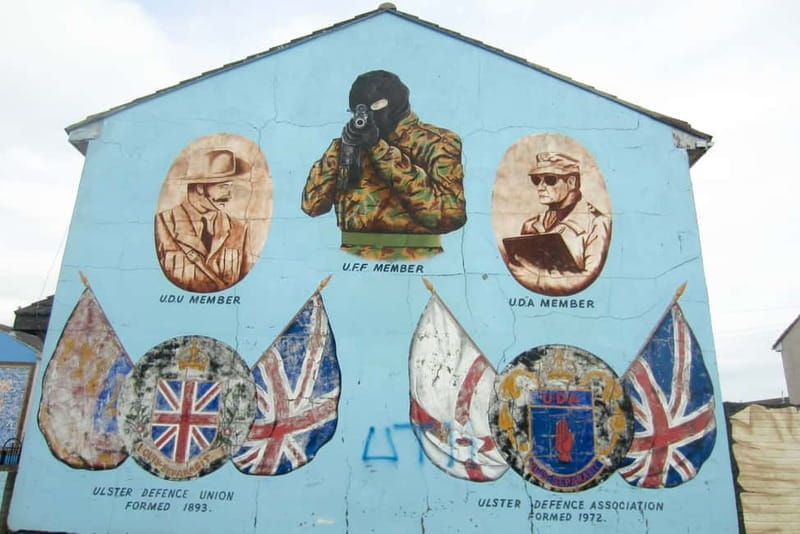
Walking into Divis Tower, the starting point of this tour, I immediately sensed that this was no ordinary city stroll. It’s a city still marked by its history—by murals, barricades, and stories etched into every corner. The tour begins with a meeting at Divis Tower, from where you’ll set out on a 3-hour exploration of Belfast’s most emblematic neighborhoods: Falls Road and Shankill Road. These streets are vivid reminders of the city’s division, but also of its resilience.
If you're enjoying exploring Belfast on foot, you'll love these other walking tours we recommend
Standing at Divis Tower—A Symbol of the Divide
Divis Tower itself is a striking reminder of Belfast’s troubled past. As you meet your guides here, the atmosphere feels charged with stories waiting to be told. It’s a fitting launchpad for a journey that takes you into the heart of communities that have lived with conflict for over 30 years. The tours are designed to be balanced, respectful, and deeply personal, with guides who have lived through the Troubles.
The Falls Road: A Republican Stronghold
The first part of your walk will take you down Falls Road, a predominantly Catholic area that’s decorated with murals celebrating Irish identity and independence. Here, you’ll meet a Republican ex-political prisoner, whose personal stories lend authenticity to the history. I love how the guides share their own experiences—about growing up amid conflict and their hopes for peace—making the tour more than just a recitation of dates and facts. One reviewer mentions that “Fred, a former IRA member, shared his experiences with a folder of images, making it very personal and engaging.”
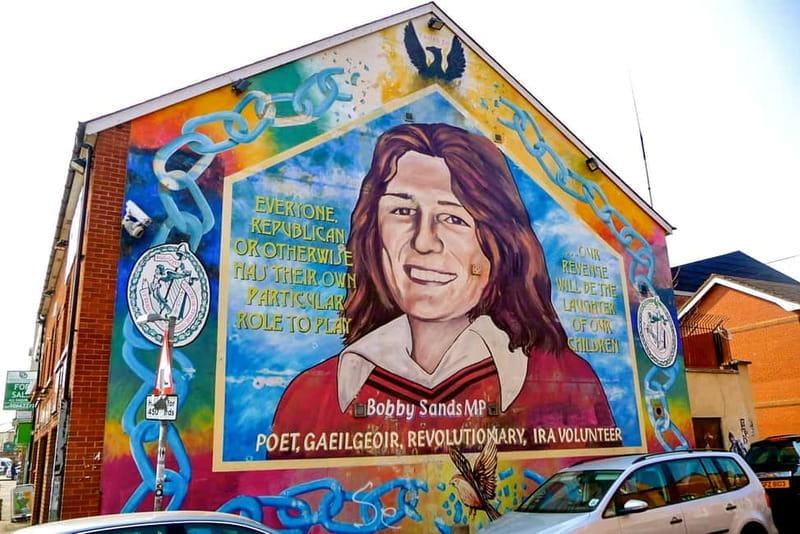
You’ll see murals depicting political figures, historical events, and symbols of Irish nationalism. These murals are not just art—they’re visual storytelling, often telling stories of loss, resistance, or hope. Walking past these, I was struck by how much community identity is expressed in these images, making it clear that history is alive here.
Passing through the Peace Line Gates
Next, the tour takes you to the electronically controlled gates that symbolically and physically separate the two sides. Passing through these gates is a stark reminder of Belfast’s ongoing division. It’s a moment that leaves a lasting impression, offering insight into how divided neighborhoods still coexist and strive toward reconciliation.
More Great Tours NearbyThe Loyalist Side: Shankill Road
Then, the tour moves into Shankill Road, a largely Protestant and Loyalist area. Here, you’ll meet either a Loyalist ex-political prisoner or a former security force member, which provides a markedly different perspective. Several reviews mention the guides’ ability to present contrasting views with respect; one notes that the guides are “very knowledgeable, unbiased, and tell it how it was.”
What I found compelling is the way guides explain the community’s determination to stay part of the UK, and how they view the Peace Walls and murals as symbols of their identity and resilience. You get a visceral sense of how deeply rooted these allegiances are, even amid ongoing tensions.
The Murals and Peace Walls: Visual Stories of Conflict and Hope
Throughout the tour, the murals are a recurring highlight. They aren’t just colorful walls—they’re powerful expressions of community beliefs, historical memory, and aspirations. The murals tell stories of heroes, tragedies, and political ideals. As one reviewer pointed out, the murals provide “a visual history that’s both beautiful and heartbreaking.”
The Peace Walls themselves are a stark reminder of Belfast’s divisions, but also of the community’s hope for eventual reconciliation. The tour allows visitors to write on the Peace Wall, joining a tradition of global leaders like Bill Clinton and the Dalai Lama, who have left messages there. That act of leaving your mark is small but meaningful—it’s a way to participate in Belfast’s ongoing journey.
Reflection at the End of the Tour
The tour concludes back at the starting point, but the stories and impressions stay with you. Many reviews express how emotionally impactful and eye-opening the experience was, with guides like Fred and Mark providing candid, sometimes difficult, insights. One reviewer describes the experience as “poignant and heartbreaking but also inspiring,” which sums up the complex feelings this tour evokes.
Practical Details: What You Need to Know
The tour lasts three hours and covers roughly 4 kilometers—so comfortable shoes are a must. It’s accessible for wheelchairs, but a good level of fitness helps because it involves a fair amount of walking through neighborhoods with uneven surfaces. The tour starts at Divis Tower and ends on the Lower Shankill Road, about a 15-minute walk from the starting point.
You’ll be walking through areas still deeply divided, so be prepared for some intense stories and vivid murals. The guides’ backgrounds—a former IRA member and a Loyalist ex-British Army soldier—offer contrasting viewpoints, which can be enlightening but also require an open mind. The guides’ accents may be challenging at times, especially on the Loyalist side, so concentrating on the stories helps.
Is this Tour Worth the Price?
For most travelers, the cost is a very reasonable investment for such a deep and authentic insight into Belfast’s history. Many reviews praise the value, highlighting the guides’ knowledge, the personal stories, and the opportunity to see Belfast from perspectives usually hidden from travelers. The chance to sign the Peace Wall and reflect on the city’s future is a unique experience that adds emotional depth.
Who Should Consider This Tour?
This experience is perfect for those interested in social history, politics, or current affairs. It’s especially suited for mature travelers prepared for emotionally charged stories. If you’re interested in understanding the ongoing legacy of The Troubles, this tour offers insights that go far beyond typical sightseeing.
The Sum Up
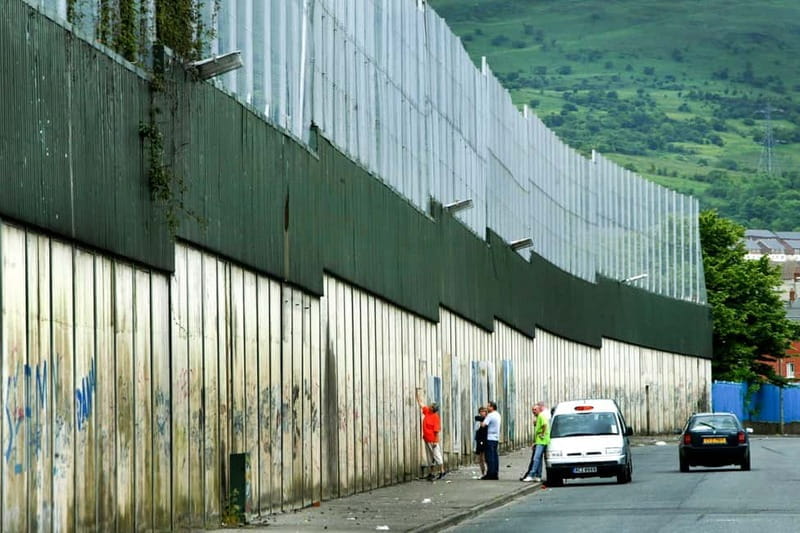
This Belfast political conflict tour provides a rare, heartfelt look into a city still healing from decades of turmoil. With guides who have lived through the conflict and a balanced approach, you’ll gain an understanding of both communities’ perspectives. You’ll see murals, walk through Peace Walls, and hear stories that are as inspiring as they are sobering.
Whether you’re a history enthusiast or simply curious about Belfast’s complex identity, this experience offers depth and authenticity that few other tours can match. It’s a chance to witness the resilience of communities and to reflect on the importance of dialogue in resolving long-standing conflicts.
For travelers who value meaningful, personal stories and authentic community experiences, this tour is a valuable addition to any Belfast visit. It’s not a lighthearted jaunt, but it’s one that leaves a lasting impression—and perhaps a better understanding of how hope and hardship coexist in this remarkable city.
FAQ
Is the tour suitable for children?
It’s generally recommended for children over 15, as the stories can involve intense violence and emotional topics that may be difficult for younger kids.
How long does the tour last?
The tour lasts about three hours, covering around 4 kilometers of walking through Belfast’s neighborhoods.
Are the guides biased?
While the guides come from different backgrounds—one a former IRA member and the other a Loyalist ex-security force—they are praised for providing balanced and honest perspectives.
What should I wear?
Comfortable walking shoes are essential, as you’ll be on your feet for the duration. Weather-appropriate clothing is also recommended since you’re outdoors most of the time.
Can I sign the Peace Wall?
Yes, visitors are encouraged to leave messages on the Peace Wall, joining a tradition of prominent figures who have also added their thoughts.
Is the tour wheelchair accessible?
Yes, it is wheelchair accessible, though the walking involves some uneven surfaces.
What makes this tour special compared to regular Belfast tours?
This tour’s unique value lies in the personal stories from those who experienced The Troubles firsthand, along with the opportunity to see Belfast’s murals and Peace Walls from an insider’s perspective.
More Walking Tours in Belfast
More Tours in Belfast
More Tour Reviews in Belfast
Not for you? Here's more things to do in Belfast we have recnetly reviewed
- Belfast: Titanic Distillers Signature Tour & Whiskey Tasting
- Private Shore Excursion From Belfast Cruise Terminal
- Luxury Shore Excursion From Belfast
- West Belfast German-speaking Political Walking Tour
- GIANTS CAUSEWAY & BLACK TAXI TOUR
- VIP Skip-the Line Titanic Museum and Whiskey Tasting Tour
- Rhythms and Tales of Belfast, An Irish Dance Showcase
- Private Karaoke Room hire (up to 30 guests)
- Belfast: Giants Causeway and North Coast Small Group Tour
- Private luxury tour of Belfast & giants causeway
- Fully Enclosed Pink Party Bike around Belfast
- The Story of Belfast: walking tour with a local guide