
Sake tasting can be a delightful culinary journey, offering a diverse range of flavors and textures that pair remarkably well with various foods. From the lively sparkle of sparkling sake to the sweet notes of kijoshu, each type of sake provides a unique sensory experience that can elevate a meal. Exploring this versatile beverage and discovering its perfect food pairings can open up a whole new world of gastronomic possibilities.
Key Points
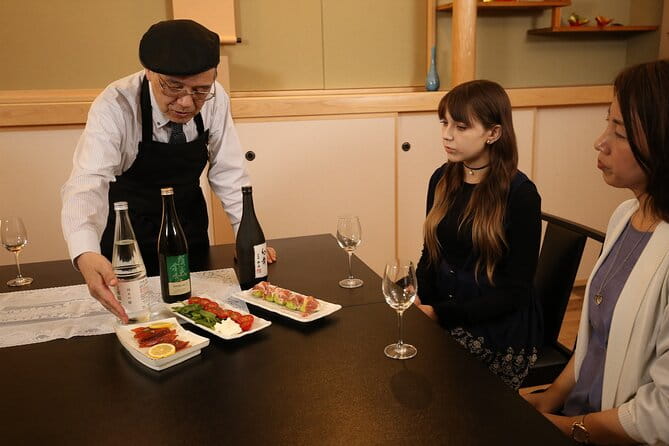
- Sample 7 key sake types, such as sparkling, daiginjo, honjozo, junmai, and nigori, each with distinct profiles and optimal food pairings.
- Match sparkling sake’s lively, crisp nature with light, clean-flavored dishes to cleanse the palate and introduce the tasting journey.
- Pair delicate, aromatic daiginjo sake with light, delicate dishes to highlight its complex, refined flavors.
- Enjoy fuller-bodied honjozo sake, with its hints of fruit, nuts, or spice, with savory dishes for a harmonious pairing.
- Appreciate the unique, indulgent experience of sweet, dessert-style kijoshu sake by pairing it with sweet desserts and fruit.
Types of Sake Tasted
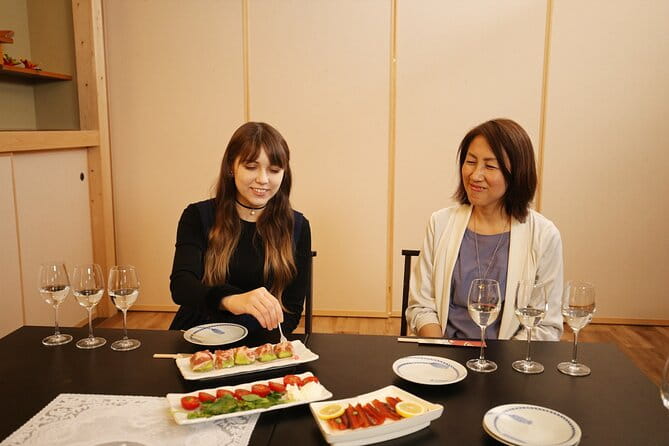
During the sake tasting experience, participants have the opportunity to sample a diverse array of sake varieties, including sparkling sake, the premium Daiginjo sake, as well as the classic Junmai sake.
The Honjozo sake, with its added alcohol for enhanced flavor, and the unfiltered Nigori sake with its creamy texture and cloudy consistency, are also part of the tasting.
Plus, participants can explore the premium Tokubetsu Honjozo sake and the sweet, thick Kijoshu sake, often served as a dessert accompaniment.
This comprehensive selection allows guests to enjoy the rich and varied world of Japanese sake.
Taste buds happy? More delicious discoveries we love in Tokyo
Sparkling Sake
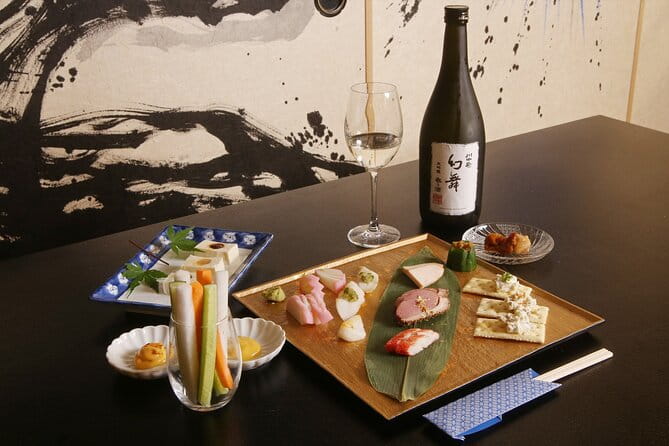
Sparkling sake, with its effervescent and refreshing character, is a delightful addition to the tasting lineup.
This sake is lively on the palate, with a fine, persistent mousse and a dry, crisp finish. The carbonation enhances the aromatics, showcasing the sake’s fruity notes and delicate floral undertones.
Pairing it with light, clean-flavored dishes allows the effervescence to cleanse the palate, making it an excellent choice to start the tasting journey.
Sparkling sake’s vibrant nature provides a lively introduction to the diverse world of premium Japanese sake offerings.
Daiginjo Sake
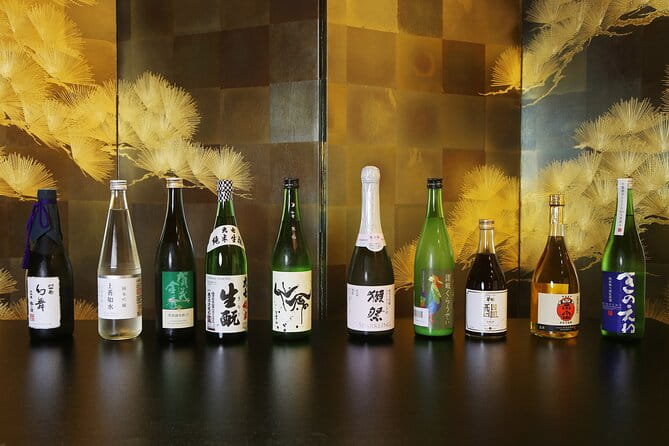
Daiginjo sake is the premium offering in the world of Japanese rice wines.
This ultra-polished variety is made from rice that’s been milled to at least 50% of its original size. The meticulous milling process results in a delicate, aromatic, and refined sake with subtle fruity notes.
Daiginjo sakes are considered the pinnacle of sake craftsmanship, requiring exceptional skill and patience from the brewers.
Served chilled, these premium sakes pair beautifully with light, delicate dishes that allow their complex flavors to shine.
Savoring a high-quality daiginjo sake is a true sensory delight for sake enthusiasts.
Honjozo Sake
Although not as prestigious as daiginjo, honjozo sake is a special type that’s been enhanced with the addition of a small amount of distilled alcohol. This subtle touch gives honjozo a bolder, more aromatic profile.
Some key things to know about honjozo sake:
- Typically more affordable than daiginjo
- Produces a slightly richer, fuller-bodied flavor
- Often has hints of fruit, nuts, or spice
- Excellent for pairing with savory dishes
- Can be enjoyed both warm and chilled
Honjozo sake is a great choice for those looking to explore the world of premium Japanese rice wines without breaking the bank.
Junmai Sake
Junmai sake is a pure rice wine that’s brewed without any added distilled alcohol.
It’s made with just four ingredients: rice, water, yeast, and koji mold. This traditional method results in a sake that’s rich, full-bodied, and often described as having an earthy or savory flavor profile.
Junmai sakes are known for their depth of character and can range from light and crisp to robust and complex. They pair exceptionally well with a variety of Japanese cuisines, from sushi to grilled meats.
Many enthusiasts consider junmai to be the quintessential style of sake.
Ready to keep the party going? More drinking tours we recommend in Tokyo
- Food & Drinks Bar Tour- Discover Unique Tokyo Nightlife
- Tokyo : Dashi Drinking and Shopping Tour at Nihonbashi
- Tokyo Kanda Izakaya Food Sake Drinking Hopping Tour
- Experience Tsukiji Culture and Food|Sushi & Sake Comparison
- Wagyu & Sake Tasting Dinner in Shinjuku
- Sake Tasting With a Professional International Sake Tutor!
Nigori Sake
Unlike many other types of sake, nigori sake is left unfiltered, resulting in a creamy, cloudy texture and a rich, full-bodied flavor.
Nigori sake is often described as:
- Milky in appearance
- Sweeter in taste
- Thicker in mouthfeel
- Often served chilled
- Pairs well with grilled meats, creamy dishes, and desserts
This unique style of sake is a delightful departure from the clear, dry varieties.
Nigori sake’s distinctive character makes it a popular choice for those seeking a more indulgent sake experience.
Tokubetsu Honjozo Sake
Tokubetsu Honjozo Sake is a premium type of Japanese sake that stands out from the more common Junmai and Honjozo varieties.
It’s brewed with added distilled alcohol, giving it a richer, more complex flavor profile. The rice milling ratio is at least 60%, resulting in a smoother, more refined taste.
Tokubetsu Honjozo Sake pairs beautifully with a variety of Japanese dishes, from delicate sashimi to hearty grilled meats. Its versatility makes it a popular choice for sake enthusiasts looking to explore the nuances of premium sake offerings.
Kijoshu Sake
Kijoshu Sake is a sweet, dessert-style variety of Japanese sake that boasts a thick, syrupy consistency. This premium sake is brewed with a higher sugar content, giving it a decadent, almost honey-like flavor profile.
Some key features of Kijoshu Sake include:
- Served chilled or at room temperature
- Pairs well with sweet desserts and fruit
- Has a lower alcohol content compared to other sakes
- Offers a unique, indulgent drinking experience
- Considered a specialty and often enjoyed as a nightcap
Kijoshu Sake is a captivating and distinct expression of the sake-making tradition, perfect for those seeking a sweet and luxurious end to a meal.
Frequently Asked Questions
Is This Experience Suitable for People With Dietary Restrictions?
The experience appears suitable for those with dietary restrictions. According to the details provided, the instructor can accommodate various dietary needs. Participants should inform the staff of any restrictions when booking the experience.
Can I Purchase Sake to Take Home After the Tasting?
Yes, you can purchase sake to take home after the tasting experience. The instructor provides information on purchasing bottles of the featured sake varieties so you can continue your sake exploration.
Is There a Dress Code for This Event?
There’s no strict dress code for this sake tasting experience. Casual, comfortable attire is recommended. Participants can enjoy the sake and food in a relaxed, friendly atmosphere without needing to worry about formal attire.
Are the Instructors Fluent in English?
The sake tasting experience is led by nationally accredited English-speaking instructors. Guests can expect the instructors to be fluent in English, able to provide in-depth explanations and insights about the different sake varieties.
Can I Arrive Late and Still Participate in the Tasting?
While the experience is designed to start promptly, late arrivals may still be able to participate in the sake tasting, depending on availability and the discretion of the instructor. It’s best to arrive on time to fully enjoy the event.
The Sum Up
Exploring the diverse world of sake offers a delightful tasting journey. Each type of sake, from sparkling to kijoshu, pairs perfectly with complementary foods, elevating the culinary experience. Whether it’s light appetizers, delicate seafood, savory meals, or sweet desserts, there’s a sake to suit every palate. Embarking on this sake tasting adventure is a great way to discover new flavors and expand one’s appreciation for this versatile Japanese beverage.
More Drinking Tours in Tokyo
- All-You-Can-Drink Bar Hopping Tour in Ueno
- Tokyo Sparkling Edamame Night by Open Ⅾeck Bus and Izakaya Eats
- Private Night Walking Tour Shibuya Bar Hopping W. Master Guide
- Mt FUJI – Panoramic Tour W/ Hoto Lunch, JP Sake & Onsen Tatto OK!
- Tokyo Bar Crawl in Shinjuku
- Hidden Local Tokyo Night: Sushi, Sake and Karaoke Tour
More Food & Drink Experiences in Tokyo
- Tea Tasting & Japanese Sweets-Making Experience
- Shinjuku Explore Tokyo With Japanese Food and Izakaya
- Tokyo Sake Experience, for Couple or Group
- Japanese Whisky Hunting《HIGH-QUALITY-ONLY》Rare Tasting Class
- Tsukiji and Asakusa Food and Drink Cultural Walking Tour (Half Day)
- Experience a Western Twist on Japanese Sake Snacks
More Tour Reviews in Tokyo
Not for you? Here's more things to do in Tokyo we have recnetly reviewed
- Tokyo Private Half Day Tour With Licensed Guide by Car
- Tokyo City Cherry Blossom Private Sightseeing Tour
- 1 Day Tokyo Private Tour With English Speaking Guide
- Audio Guide Tour in The East Gardens of the Imperial Palace
- Private Karuizawa, Nagano Tour – Bilingual Chauffeur
- Sunday Morning JDM Experience
- Mt. Fuji 5th Station and Hakone Day Tour From Tokyo
- True Tokyo Luxury Shopping Private Tour
- Discover Your Tokyo -Private Tokyo Customized Walking Tour-
- Simple and Fun to Make Inari Sushi Party in Tokyo
- JDM Daikoku Car Meet GTR35 600HP to Famous Spot
- Experience of Large Calligraphy Performance in Asakusa Tokyo