
Review of the WWII: The Occupation of Paris Tour
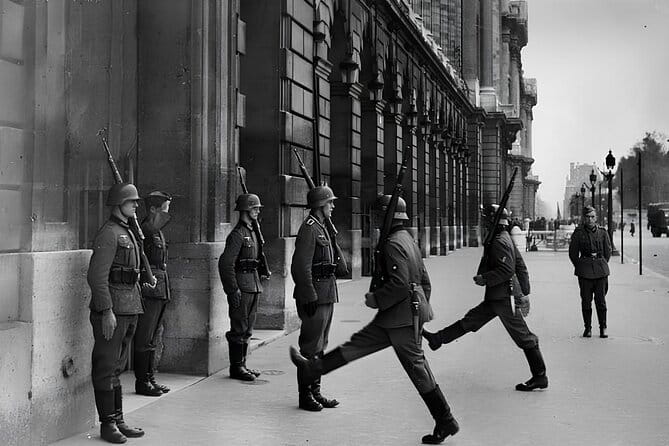
If you’re interested in Paris’s darker chapters, this tour offers a chance to walk through the city’s streets and hear about its experience during the German occupation in World War II. For about two hours and fifteen minutes, a knowledgeable guide will take you to key sites that reveal how ordinary Parisians lived, resisted, and coped during one of the most tumultuous periods in French history.
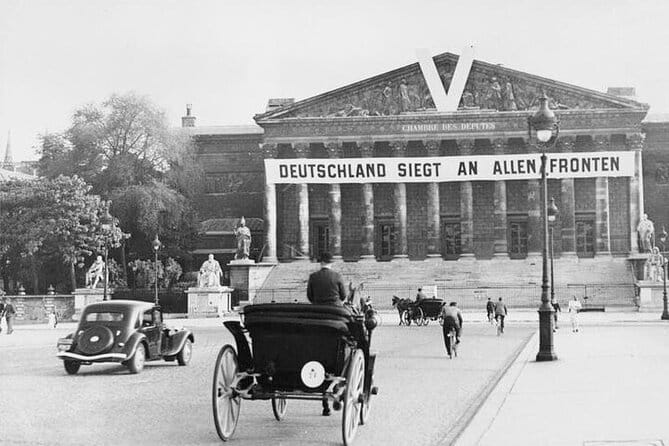
What I find particularly appealing about this experience are two specific features. First, the combination of historical anecdotes with visual elements—black-and-white and color photographs—that breathe life into the period. This visual storytelling helps you understand both the grand historical movements and the personal stories behind them. Second, the tour’s authenticity – it stays away from overly polished narratives, instead focusing on real places like the Passage Verdeau and the historic Hôtel Drouot, where art and valuables were stolen.
A possible consideration is that the tour covers quite a lot in just over two hours, which might feel a bit rushed for some. The itinerary includes many stops, each packed with stories and visual aids, so if you’re a history buff or prefer a slower, more contemplative pace, you might want to take your time exploring certain sites afterward.
This tour offers a deep, well-structured look at Paris during WWII that balances storytelling, visual history, and site visits. It’s a rare opportunity to explore the city through the lens of its darkest days, and the reviews highlight the guides’ expertise and storytelling skills as major highlights.
Key Points / Takeaways
- Authentic Sites & Stories: The tour visits significant locations like the Passage Verdeau and the Ritz Hotel, connecting you directly with WWII history in Paris.
- Visual Enhancements: Numerous photos and images illuminate the darkest period in French history, making the past more tangible.
- Knowledgeable Guides: Reviewers praise guides, like the one with the engaging storytelling, for making history come alive.
- Insight into Resistance & Collaboration: You’ll learn about both passive resistance and collaboration, with stories from local officials and resistance networks.
- Focus on Art & Looting: Stops at Hôtel Drouot and the art storage in the museum behind Place de la Concorde reveal the theft and selling of Jewish property.
- Convenient & Compact: The tour is designed to be a manageable length, with a walk starting at Bd des Italiens and ending near the Concorde metro, ideal for a half-day outing.
Exploring Paris’s WWII Past: An In-Depth Review
You can also read our reviews of more tours and experiences in Paris.
Discovering the Dark Side of Paris: The Tour’s Core Concept
This guided tour offers a compelling look at Paris during the German occupation, weaving together history, personal stories, and the city’s physical landmarks. It’s a rare chance to see familiar streets and buildings through a new, more serious lens. For $80.98 per person, you gain access to a detailed two-hour journey that’s both educational and evocative.
What I appreciate most is how the tour balances factual history with local color. You’ll visit sites that played roles during the war—some well-known, others more hidden—and hear stories that bring history to life. Plus, with group discounts and a mobile ticket, it’s structured for convenience and affordability.
Another thing that stands out is the enthusiasm and depth of the guides, who are skilled storytellers and sources of intriguing anecdotes. Reviewers mention guides like “Leo” as “amazing,” clearly adding a personable touch to the experience. The tour’s small group size (max 15) ensures you get personal attention, making it more interactive than a typical walking walk.
The Itinerary: From Bouillon Chartier to Place de la Concorde
The tour kicks off at Bouillon Chartier Grands Boulevards, where the guide recounts the start of WWII and initial Parisian reactions. It’s a great way to set the scene and get a sense of how ordinary life was turned upside down. The quick visit here runs only about ten minutes but provides a solid grounding.
Next, you visit the Folies Bergère, famous for its artistic vibrancy, which persisted even under occupation. The guide shares stories of movie stars and the music-hall scene that thrived despite the grim circumstances—an interesting contrast that shows how culture persisted. This stop takes about seven minutes, so don’t expect an in-depth tour, but enough for some visual context.
Passage Verdeau is a charming covered street, evocative of the era’s décor, and the tour highlights the building that housed a German-requisitioned bordello. These little details make history more personal and tangible.
At Hôtel Drouot, you’ll learn about the widespread theft of Jewish art and property, with a fascinating story of a German art dealer working for the Reich. This stop, lasting around ten minutes, offers insight into the looting that accompanied the occupation and how art was used as a weapon—valuable knowledge for anyone interested in art history or ethics.
The Mairie du 9ème arrondissement spotlights local resistance and the complex dynamics of passivity and denunciation. Here, a local employee shares stories about the resistance movement, making history accessible and relatable.
Moving to BNP Paribas | Maison Dorée, the focus shifts to the role banks played during the occupation. The complex economic and political situation, including the armistice agreements, adds a layer of understanding about how financial institutions cooperated or resisted.
The Pathe Opera Premier becomes a powerful visual as it was requisitioned for German soldiers, and nearby, the building where the Nazi propaganda exhibit “The Jews and France” was organized. These sites illustrate propaganda’s role and the cultural control exercised during the occupation.
BRED-Banque Populaire and Place Vendôme reveal the symbolic tension of occupied Paris—rich with stories of collaboration, resistance, and the opulence of the era. The Ritz Hotel, in particular, stands out as a hub of espionage and collaboration, with many stories of spies, celebrities, and soldiers passing through its doors.
Walking behind the Hotel Meurice on Rue de Castiglione, you get a sense of the military’s presence in the city’s grand hotels, which served as German headquarters. The guide unpacks the stories of main characters involved in Liberation fights around this area.
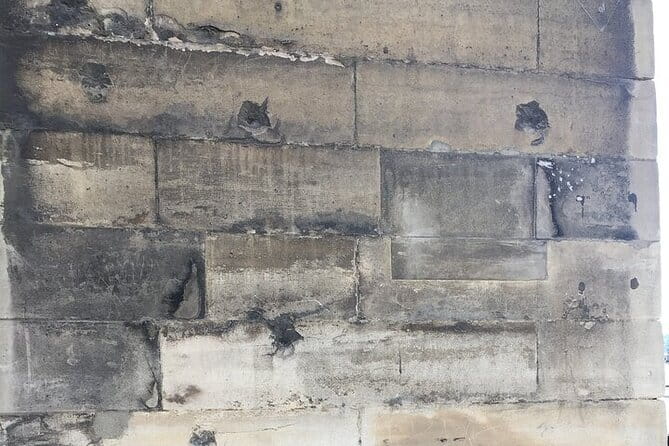
The final stops at Place de la Concorde and the nearby museum, used by Germans to store stolen Jewish art, underline the stark reality of wartime Paris. The plaques and photos help you visualize the battles and sacrifices made during the Liberation.
The Experience: What You’ll Feel and Learn
Throughout the tour, your guide will pepper in anecdotes, some dramatic and others quietly chilling. Reviewers mention the guide’s “amazing knowledge” and personal friendliness, which makes the experience more engaging. You’ll see the city’s beautiful facades and historic sites through a more sobering lens, realizing that many of these beautiful buildings were once symbols of occupation and controversy.
At each stop, you can expect a mix of visual aids, local stories, and historical context. The images accompanying the commentary are especially impactful—they shed light on the darkest pages of Paris’s history but also serve as a reminder of resilience and resistance.
The tour’s timing and route are thoughtfully designed. Starting at Bd des Italiens and ending near Place de la Concorde allows you to walk through many of the key areas with ease. Most travelers find the pace manageable, although history enthusiasts may wish for more time at each stop.
Who Will Love This Tour?
If you’re fascinated by WWII history or want a nuanced understanding of Paris during the occupation, this tour is perfect. It’s especially suited for travelers who enjoy guided storytelling, visual history, and exploring urban sites with layered meanings. The small group size ensures a personal experience, ideal for those who prefer intimate discussions.
This experience also suits those interested in art looting and cultural heritage, as stops like Hôtel Drouot and the art storage highlight these issues vividly. If your time in Paris is limited, this tour offers a compact but rich historical overview tied closely to the city’s streets and landmarks.
- Paris City Sightseeing Half Day Segway Guided Tour
- Paris Local Districts and Stories Off the Beaten Track Guided Bike Tour
- Skip-The-Line: Paris Catacombs Tour With VIP Access to Restricted Areas
- Paris Sightseeing Guided Bike Tour Like a Parisian With a Local Guide
- Giverny Small-Group Half Day Trip With Monet’S Gardens From Paris
- Eiffel Tower Reserved Access Summit or 2nd Floor Guided by Lift
Practical Tips for Enjoying the Tour
- Wear comfortable shoes—you’ll be walking through central Paris, with stops along the way.
- Bring a camera or smartphone to capture photos and images shared during the tour.
- Arrive a few minutes early at the meeting point to settle in and meet your guide.
- Book about a month in advance, especially during peak seasons, as the tour is popular.
- The tour is suitable for most travelers, including those with service animals and those who appreciate detailed stories.
Final Thoughts: Who Is This Tour Best For?
This tour offers a vivid, detailed look into Paris’s WWII history, blending physical sites with storytelling. It’s ideal for history lovers, cultural enthusiasts, and anyone who appreciates walking tours that go beyond surface-level sightseeing. The small group size, knowledgeable guides, and visual aids make it a compelling way to deepen your understanding of Paris’s complex past.
If you’re seeking a meaningful experience that connects the city’s beauty with its darker chapters, this tour delivers. It’s a thoughtful, well-curated journey through some of Paris’s most significant sites during one of its most challenging eras, making it a memorable addition to your visit.
FAQ
How long is the tour?
It lasts approximately 2 hours and 15 minutes, covering multiple sites across central Paris.
Where does the tour start and end?
The meeting point is at 38 Bd des Italiens, and it concludes at Place de la Concorde, near the metro station.
Is the tour suitable for children?
Most travelers can participate, but given the historical depth and visual elements, older children or teenagers interested in WWII history would benefit most.
How much does the tour cost?
The price is $80.98 per person, which is reasonable considering the detailed storytelling and site visits included.
Are tickets easy to get?
Yes, booking on average 27 days in advance is recommended, and the tour offers mobile tickets and group discounts.
Can I cancel if my plans change?
Yes, free cancellation is available up to 24 hours before the tour, providing flexibility if your schedule shifts.
In the end, this tour offers a meaningful way to explore Paris’s WWII history through a well-organized route packed with stories, images, and vibrant sites. It’s perfect for travelers who want to connect the city’s beauty with its complex past, all through a friendly and knowledgeable guide.
More Tour Reviews in Paris
Not for you? Here's more things to do in Paris we have recnetly reviewed
- Paris: Mini Golf and Climbing Combo Ticket
- Paris Vintage Side-Car Tour + River Cruise
- Paris: Photoshoot Around Eiffel Tower with 55 Edited Photos
- Paris: Seine River Cruise and 3-course Bistro Lunch
- Paris : Montmartre highlights walking tour
- Paris: Loire Valley Castles Day Trip with Entry Tickets
- Paris: French Wine Experience in Parisian Cellar
- Paris: Seine River Dinner Cruise with Live Music
- Paris: The vibrant city center and Le Marais
- Paris : Christmas Special Lunch Cruise on the Seine River
- Vintage Shopping Tour Paris
- Private Photoshoot Louvre Museum Exterior