
Uppsala might be famous for its stunning cathedral and historic university, but beneath its scholarly veneer lies a shadowy history that’s seldom discussed. This 1-hour tour from Sweden History Tours takes you through the city’s darker chapters, including the controversial racial biology institute, the gruesome 18th-century plague, and the less savory aspects of 19th-century Uppsala such as its red-light district and poor neighborhoods. What makes this experience particularly compelling is how it unearths stories that are often swept under the rug, giving travelers a more complete picture of Uppsala’s past.
What I appreciate most about this tour is the sheer depth of detail the knowledgeable guides bring to the story. They aren’t just recounting dry facts; they’re connecting Uppsala’s painful histories to broader themes of social control, scientific racism, and societal neglect. The second strong point is how compact and accessible the tour is—an hour is enough to get a vivid taste of these dark chapters without feeling overwhelmed. That said, a potential consideration is that the tour hits some heavy topics in a short time, so if you’re sensitive to darker historical content, it’s worth knowing what to expect beforehand.
Overall, I think this tour offers real value for those interested in honest, sometimes unsettling stories behind a city best known for its beauty and academia. It’s a reminder that history isn’t always pretty, but understanding those parts provides a fuller, more honest perspective on Uppsala—and on society in general.
Key Points / Takeaways
- Uncover Uppsala’s hidden past beyond its picturesque facades, including its role in the slave trade and racial biology experiments.
- Guides like Owe bring a wealth of knowledge, making complex and dark topics understandable and engaging.
- Accessible and compact: one hour, city streets, and plenty of historical insights without the need for long commitments or extra tickets.
- Authentic storytelling: stories about the persecution of dissenters, poor neighborhoods, and the infamous gallows hill make history visceral.
- More than just stories: the tour explores how these dark chapters connect to broader societal issues, making it both educational and thought-provoking.
- A tour that’s not for everyone: it’s intense and covers sensitive topics, so it suits those prepared for a sobering look at the past.
Exploring Uppsala’s Darker Chapters: An Honest Look at the 1-Hour Tour
Uppsala’s reputation often revolves around its impressive cathedral and the venerable university, but this guided walk peels back layers of the city’s history that are rarely brought to light. The story begins outside the Uppsala City Library, where you meet your guide—likely Owe or Jonathan—who’s well-versed in the city’s more troubling tales. For just $36.58, you get a focused, one-hour journey through some of the darker moments of Swedish history, sprinkled with engaging stories and insightful commentary.
What I love about this experience is how it manages to condense a complex history into such a short time without feeling rushed or superficial. The guides’ passion and depth of knowledge shine through, making it clear they’ve done their homework. Their ability to connect topics like the racial biology institute, the 18th-century plague, and 19th-century prostitution into a coherent narrative is impressive. Plus, the tour includes stops at meaningful spots like Svartbäcksgatan, the site of Uppsala’s former red-light district, and the cathedral, where the history of persecution against dissenters is explored.
Another point I appreciate is how the tour respects the gravity of its subject matter. It doesn’t shy away from discussing Sweden’s troubling past, from its scientific racism to forced sterilizations in the 20th century. Hearing about the Swedish Institute of Racial Biology (1920-1958) and the rules for which crimes could end under the knife inside the anatomical department offers a stark reminder of how easily science has been misused. As one reviewer remarked, “Väldigt intressant och trots att jag är Uppsalabo fick jag lära mig massa nytt,” which translates to how even locals discover new aspects of their city’s darker history.
One potential drawback? The tour’s intensity. Covering so many dark chapters in just an hour means the commentary is quite dense, and some might find it emotionally heavy—especially if they’re sensitive to topics like persecution, racism, or disease. It’s not a leisurely stroll through pretty sights; it’s a serious look at some of the ugliest parts of Uppsala’s past.
Fascinated by Uppsala's past? More historical tours we've covered
What to Expect at Each Stop
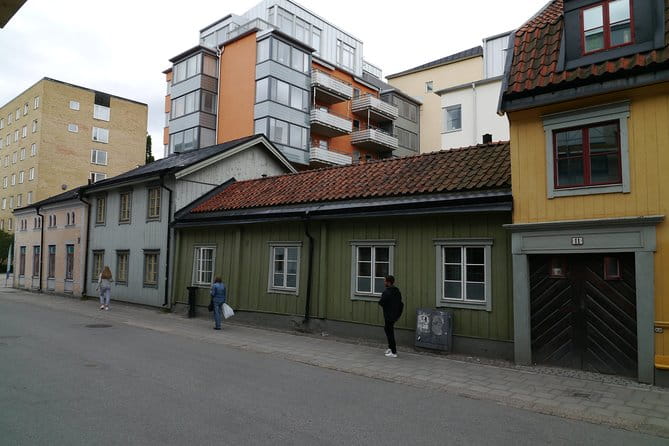
Svartbäcksgatan and the Red-Light District – Walking along streets like Svartbäcksgatan, you’ll get a vivid sense of Uppsala’s poverty and vice back in the 19th century. This is where the city’s less glamorous side thrived amid alcohol issues and marginalized residents. The stories of brothels and vice are told with nuance, giving you insight into the city’s underbelly.
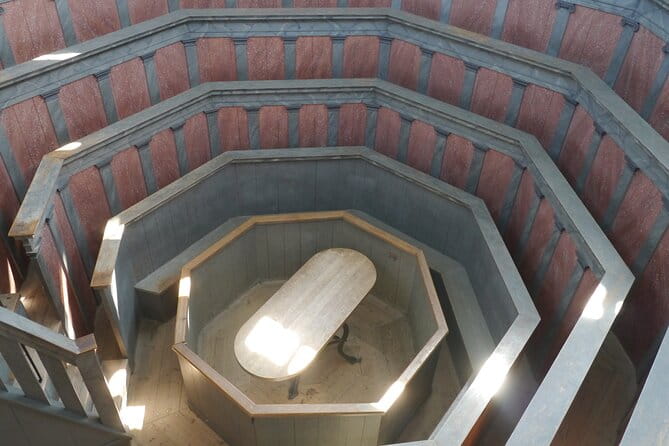
Gustavianum – The University Museum – Here, the focus shifts to the scientific side of Uppsala’s darker history. Inside the museum, you might find exhibits about the racial biology institute and the anatomical rules for those accused of crimes. This stop offers a chilling look at how pseudoscience and discrimination went hand-in-hand in Swedish history.
Uppsala Domkyrka (Cathedral) – The cathedral isn’t just an architectural marvel; it’s also a site tied to stories of persecution against dissenters and non-conformists in the 19th century. The guide explains how religious and political intolerance played out on the streets and in courtrooms.
The Dean’s House and Outside Spaces – These areas are linked to the persecutions of atheists and dissenters and also serve as poignant spots to reflect on the darker aspects of Swedish religious history. The stories make it clear that Uppsala’s religious and societal conflicts weren’t confined to the past—they shaped the city’s development.
The 18th-century Plague in Uppsala – Strolling through streets like St Erik’s Square, you learn about the devastating outbreak of the plague between 1709-1712. The stories of quarantine, death, and societal upheaval bring a visceral understanding of how disease shaped the city.
The Racial Biology Institute and 20th-century Forced Sterilizations – The tour culminates with a visit to the Swedish Institute of Racial Biology, where you hear about the eugenics movement, sterilization programs, and how pseudoscience was used to justify racial discrimination. As a reviewer noted, this part of the tour reveals uncomfortable truths that are vital to understanding Sweden’s complex history.
Analyzing the Value and Suitability
The tour’s value lies in its honesty and depth. For just over thirty-six dollars, you receive a compact yet comprehensive look at some of the most troubling chapters of Uppsala’s history. It’s particularly worthwhile for travelers who enjoy guided storytelling that goes beyond surface-level facts—those who appreciate guides passionate about making history meaningful.
It’s important to note that this tour is not light entertainment. The topics are serious, often disturbing, and sometimes distressing. If you’re looking for picturesque sightseeing or a leisurely walk, this isn’t it. But if you’re curious about the stories behind the city’s bricks, especially those less told, this tour offers a rare and valuable perspective.
The group size is limited to 20 people, fostering a more intimate and engaging experience. Times are well-structured, starting at 3 PM, fitting nicely into an afternoon itinerary. You should be moderately physically fit, as walking is involved, but there’s no strenuous activity. And since it’s a mobile ticket, the logistics are straightforward.
Who Will Love This Tour?
This experience is best for travelers with a serious interest in history, especially social, medical, or racial history. It’s suitable for those who aren’t squeamish about dark themes and want a more complete picture of Uppsala than just its grand landmarks. History buffs who enjoy guided storytelling will especially appreciate the expertise of guides like Owe and Jonathan, who handle sensitive topics with care.
It’s also ideal if you’re a local or a repeat visitor eager to discover unexpected facets of your own city. If you’re traveling with someone who prefers light or superficial sightseeing, this may not be the best fit.
Final Thoughts
This Uppsala tour offers a rare, candid glimpse into the city’s lesser-known past. The combination of vivid storytelling, expert guides, and meaningful stops makes it a compelling choice for those willing to confront some uncomfortable truths. It’s a tour that educates and provokes thought, making it more than just a sightseeing walk—it’s a vital reminder of how history’s darkest corners shape present realities.
If you value understanding the full scope of a place’s story, especially its darker chapters, this tour is a worthwhile addition to your Uppsala visit. It’s best suited for curious minds, history enthusiasts, and anyone prepared for a serious, impactful history lesson.
Here are more great tours and experiences we've reviewed in Uppsala
FAQ
How long is the tour?
It lasts approximately one hour, making it a quick but impactful experience.
What is the price?
The tour costs $36.58 per person, which offers good value considering the depth of stories and expert guidance.
Where does the tour start and end?
It begins outside the Uppsala City Library and ends at the city library itself, both at Svartbäcksgatan 17.
Is the tour suitable for all physical levels?
Yes, it requires moderate physical activity, mainly walking, but no strenuous movement.
Are tickets easy to get?
Yes, it’s a mobile ticket, and booking on average is done 34 days in advance, so plan ahead.
Can I cancel if my plans change?
Yes, there is free cancellation available up to 24 hours before the start time for a full refund.
Are children allowed?
The experience is suitable for all ages, but keep in mind the heavy topics discussed.
Is there a group size limit?
Yes, a maximum of 20 travelers ensures a more personal experience.
Are the guides knowledgeable?
Absolutely—reviews consistently praise the guides for their expertise and engaging storytelling.
In the end, this tour offers a well-rounded, honest look at Uppsala’s less glamorous past. It’s perfect for travelers eager to understand the city beyond its beautiful façade—those ready to face some uncomfortable truths with the help of passionate guides and well-chosen stories.
More Tour Reviews in Uppsala
Not for you? Here's more things to do in Uppsala we have recnetly reviewed
- Uppsala: City Highlights and Hidden Gems Walking Tour
- Uppsala: SUP Board Rental with Life Jacket and Paddle
- Uppsala Private Guided Walking Tour
- Uppsala: Single-Person Kayak Rental with Equipment
- Uppsala city and Sigtuna city 8h tour from Stockholm
- Uppsala: Canadian Canoe Rental
- Uppsala: Mountain Bike Rental with Helmet
- Day Trip to Uppsala
- Best of Uppsala: Private Walking Tour with a Local
- Uppsala Must See 2h city walk – 2h tour of all big attractions!
- Adventure parc
- Cube of Art Uppsala Museum of Interactive Art