
Introducing the Holy Chapel of the Savior in Úbeda: a jewel of Renaissance architecture that draws visitors eager to see Diego de Siloé’s masterpiece. For just $8, this ticket offers access to a monument that combines artistry and symbolism in a way that truly captures the spirit of 16th-century Spain. I’ve looked into the experience, and it seems like a solid choice for history lovers, architecture enthusiasts, or anyone curious about UNESCO World Heritage Sites.
What really makes this experience stand out are two things I find particularly appealing. First, the impressive artistic features of the chapel, including its elegant design by Diego de Siloé and Andrés de Vandelvira, which showcase the sophistication of Renaissance architecture. Second, the central role of Plaza Vázquez de Molina, where the chapel is situated, offers a beautiful setting that highlights the city’s urban transformation during the period. However, it’s worth noting that opening hours may vary without prior notice, especially given the chapel’s religious schedule, so planning ahead is wise.
One consideration is that, at just $8, this ticket offers a straightforward visit—no guided tour included unless you take advantage of the audio guide. For those wanting a more in-depth experience, the lack of a dedicated guide might be a drawback. Yet, with the included multi-language audio guide, you can explore at your own pace and appreciate the details that make this monument special.
Key points / Takeaways
- Affordable entry at $8 makes this a budget-friendly way to see a key UNESCO site in Spain.
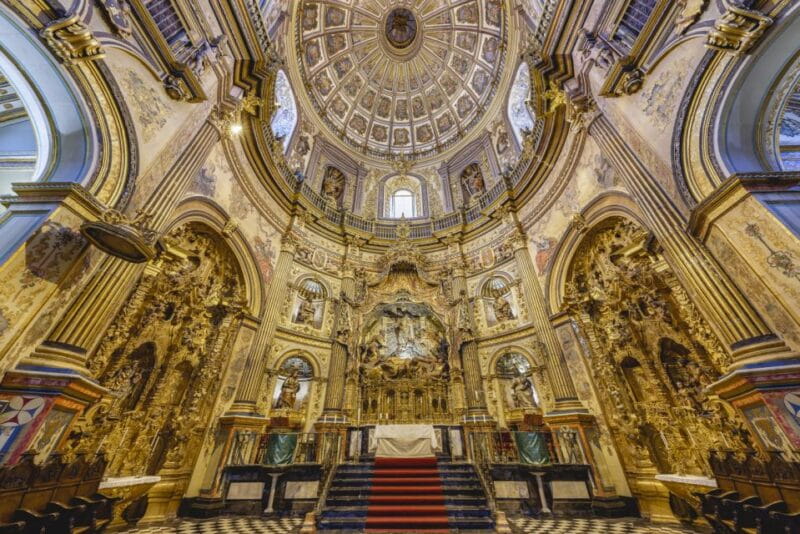
- Architectural wonder designed by Diego de Siloé, showcasing Renaissance funerary symbolism.
- Includes an audio guide in multiple languages, which is perfect for self-guided exploration.
- Situated on the Plaza Vázquez de Molina, a central, historically significant square that embodies the city’s Renaissance transformation.
- Accessible for wheelchair users, making it inclusive for all visitors.
- Timing flexibility with a single-day validity, but check availability for start times to plan your visit.
Exploring Úbeda’s Holy Chapel of the Savior: A Detailed Report
The Architecture and Artistic Marvel of Sacra Capilla del Salvador
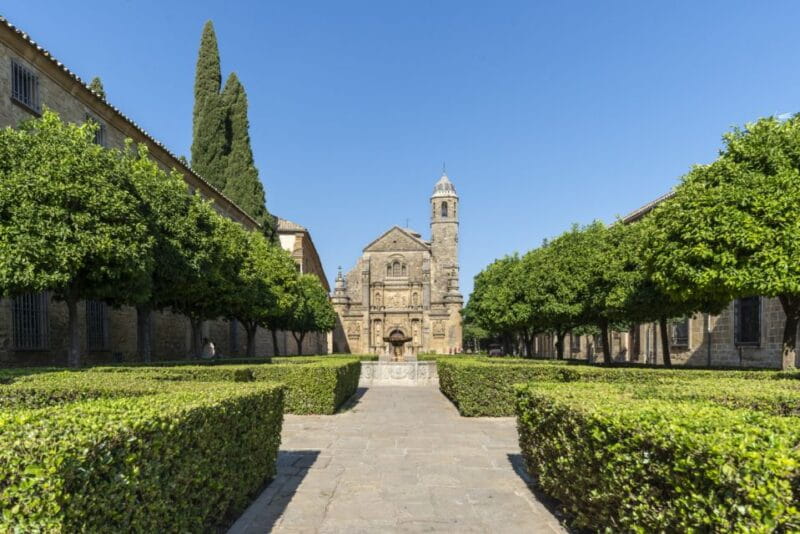
The Holy Chapel of the Savior, or Sacra Capilla del Salvador, was designed as a funerary temple in 1536 for Francisco de los Cobos, a secretary to Emperor Charles V. It’s a prime example of the Spanish Renaissance style, blending classical proportions with intricate symbolism. Standing outside, the chapel’s free-standing rotunda immediately signals grandeur, hinting at its religious significance and artistic finesse.
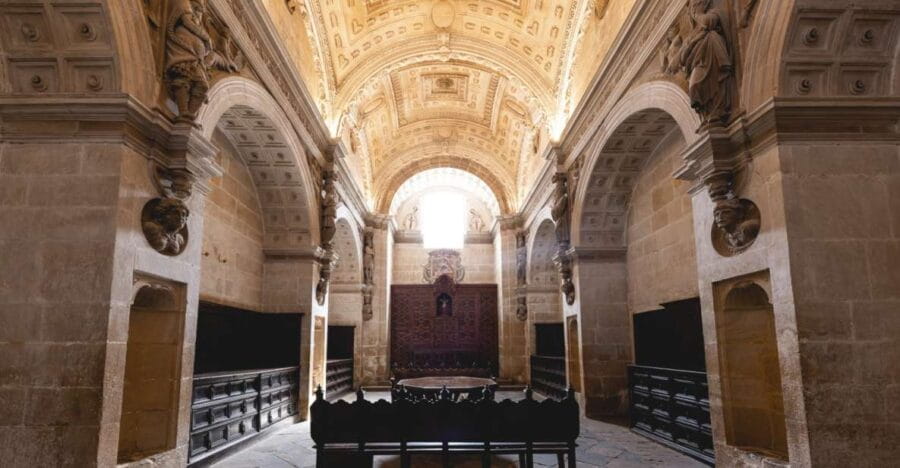
Inside, you can expect a space that embodies funerary symbolism with a sense of holy reverence—the rotunda evokes the Holy Sepulcher, creating a contemplative atmosphere. The design, executed by Diego de Siloé but brought to life by Andrés de Vandelvira in the sacristy, demonstrates a mastery of Renaissance architecture. The elegant proportions and attention to detail speak to a period when art and spirituality were deeply intertwined.
What You’ll See and Learn During Your Visit
Your ticket grants access to the monument itself and the chance to walk around the complex at your own pace. The main highlight is the chapel’s overall aesthetic and symbolism, which visually narrates the Christian story of death and resurrection. The elegant execution of de Siloé’s design underscores its importance as a cultural treasure—not just in Úbeda but across Spain.
Alongside the chapel, you’ll visit the esplanade—the Plaza Vázquez de Molina—created in the early 16th century. This open space, now a UNESCO World Heritage Site, was central to the city’s urban evolution, transforming from a medieval setting into a Renaissance showcase. Visitors often comment on how the plaza’s grandeur complements the chapel, creating a harmonious urban scene.
Accessibility and Practicalities
The experience is wheelchair accessible, which is good news for those with mobility needs. The ticket includes an audio guide in multiple languages—English, Spanish, French, German, and Italian—allowing you to learn about the monument’s history and symbolism without a guide physically present. This adds flexibility, especially if you prefer exploring at your own pace or in a group.
Timing and Cost: Is It Worth It?
The ticket is valid for one day, with start times varying based on availability. At only $8, this experience offers remarkable value. When compared to guided tours or combined experiences, you get a focused visit with insightful commentary via the audio guide. For those interested in spending more time in Úbeda, it’s a cost-effective way to get a quality introduction to the city’s Renaissance heritage.
What the Reviews Say
One reviewer, Emilio Vegazo, simply described their experience as “:)”, hinting at the pleasant impression the visit leaves. The emphasis on the stunning views and the artistic elegance of the chapel suggests that visitors find it a rewarding stop. The mention of the beautiful square and the main monument being a “prodigious Renaissance complex” underscores its architectural significance.
Who Will Love This Experience?
This ticket and visit are perfect if you’re a culture enthusiast, an architecture lover, or simply someone wanting a meaningful glimpse into Spain’s Renaissance past without a hefty price tag. The flexibility and inclusion of an audio guide make it suitable for independent travelers, small groups, or even families.
You can also read our reviews of more tours and experiences in Ubeda.
Price and Logistics: Making the Most of Your Visit
At just $8 per person, the Holy Chapel of the Savior offers a great value for a UNESCO-listed site. Since the ticket is valid for one day, you can plan your visit according to your schedule—just double-check the opening hours, which may change without notice, especially around religious events.
Getting to the chapel is straightforward, situated centrally on Plaza Vázquez de Molina. Since the experience is self-guided, you won’t need to worry about large groups or tight schedules—perfect if you prefer exploring at your own pace.
You should bring your passport or ID card—a standard requirement for entry—and consider arriving with some time to browse the square’s architecture afterward. The audio guide enhances understanding, providing context in multiple languages, which is a big plus for international visitors.
Who Should Consider This Experience?
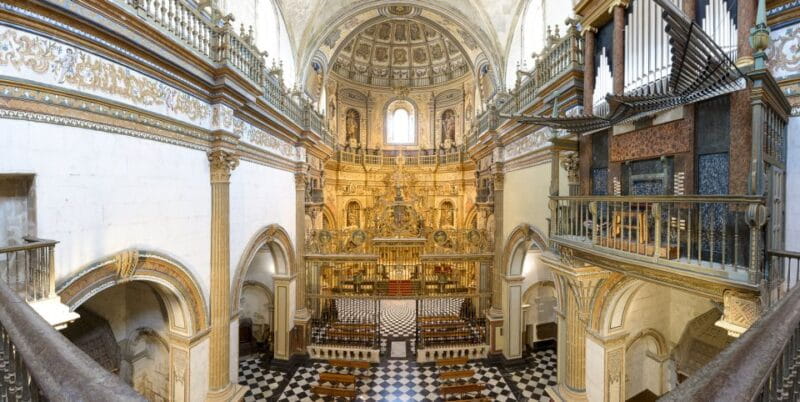
If you’re after a cost-effective, enriching visit to one of Spain’s most notable Renaissance landmarks, this ticket is worth considering. It’s especially recommended for independent travelers who like exploring at their own pace and prefer a self-guided experience. Fans of architecture and symbolism will appreciate the detailed design, while history buffs can enjoy the story behind Francisco de los Cobos and Diego de Siloé.
However, if you’re seeking a guided tour with a guide to answer questions and provide detailed stories, this may not be the best fit. Still, the multi-language audio guide minimizes that gap, offering plenty of insight.
Final Thoughts: Is It Worth Your Time and Money?
For a modest investment, you gain access to one of Spain’s finest Renaissance structures and the chance to walk through an important urban space in Úbeda. The stunning views and meaningful architecture make this a highlight, especially for those interested in art, history, or architecture.
The self-guided format allows for a flexible, relaxed experience—ideal if you enjoy taking your time with a good audio guide. The location within the UNESCO World Heritage Site adds context and makes it easy to include as part of a broader exploration of the city.
This experience offers great value—delivering both visual beauty and educational content in one affordable package. It’s particularly suited for independent travelers, architecture enthusiasts, and anyone eager to see a key piece of Spain’s Renaissance heritage without breaking the bank.
More Great Tours NearbyFAQ: Questions About the Holy Chapel of the Savior in Úbeda
What is included in the ticket?
Your ticket provides access to the Holy Chapel of the Savior and includes an audio guide in multiple languages to enhance your visit.
How much does the ticket cost?
The entry ticket is priced at $8 per person, making it an affordable way to see a major UNESCO site.
What are the opening hours?
The ticket is valid for one day, but specific starting times depend on availability. Check ahead for the latest schedule, as hours may change without notice.
Is the site wheelchair accessible?
Yes, the experience is wheelchair accessible, ensuring a comfortable visit for visitors with mobility needs.
Do I need to bring anything special?
Bring your passport or ID card for entry. An audio guide is included, so no additional equipment is necessary.
Can I visit at any time during the day?
You’ll need to reserve a start time, so it’s best to check the available slots in advance.
Is this a guided tour?
No, it’s a self-guided experience, but the included audio guide provides detailed commentary in your language of choice.
What is the significance of the Plaza Vázquez de Molina?
This square is the central space of Úbeda’s Renaissance transformation, and it’s where the chapel is situated—offering stunning views and historical context.
Would this experience suit families or groups?
Absolutely. The self-guided format and accessible design make it suitable for all ages and group sizes.
In the end, visiting the Holy Chapel of the Savior offers a rewarding glimpse into Spain’s Renaissance artistry — elegant, meaningful, and quite affordable. Whether you’re an architecture buff or simply want to enjoy a beautiful part of Úbeda, this ticket is a practical way to deepen your experience.
You can check availability for your dates here: