
Discovering Crete’s Authentic Villages: Kritsa and Kroustas
This tour offers a delightful glimpse into Crete’s traditional villages, highlighting Kritsa’s charming narrow streets and artisan craftsmanship, alongside the rustic charm of Kroustas’ countryside. What makes this experience particularly appealing is its blend of cultural sights and authentic local flavors, all wrapped into a manageable six-hour package. It’s a wonderful way to step off the beaten path without the hassle of planning your own route.
Two aspects I especially appreciate are the well-preserved Byzantine murals at Panagias Keras Church and the opportunity to taste genuine Cretan cuisine in Kroustas. The former provides a tangible connection to the island’s spiritual past, while the latter offers a delicious taste of local dishes like myzithropites and kalitsounia, paired with regional wines. The chance to explore both historical sites and lively villages makes for a well-rounded experience.
One potential consideration is the group size and timing. With a maximum of just eight travelers, the tour is intimate and flexible, but it might feel a bit rushed if you prefer lingering at each stop. Also, since the tour involves some driving, the 1-1.5 hour transfer time could be a factor for those sensitive to long bus rides. However, the overall value and immersive nature of the stops tend to outweigh these minor inconveniences.
This tour offers a balanced look at Crete’s rural soul, with knowledgeable guides, delicious tastes, and scenic views. Whether you’re into history, food, or simply soaking up local life, it’s a solid way to spend a day on this enchanting island.
Key Points / Takeaways
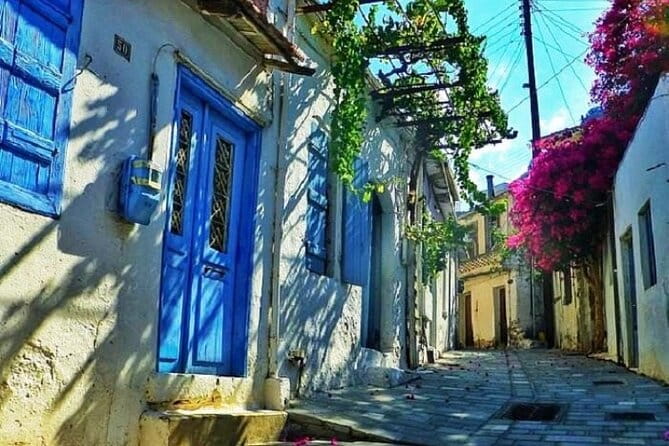
- Authentic villages: Kritsa and Kroustas preserve traditional Cretan lifestyles with narrow alleys and local customs.
- Cultural highlights: The Byzantine murals at Panagias Keras Church are impressively well-preserved and visually striking.
- Historical significance: Visiting the ancient site of Lato reveals the island’s classical past and its strategic importance.
- Local cuisine: Kroustas offers a chance to sample regional specialties like skioufihta pasta and local wines made from Liatiko and Mandilari grapes.
- Small group experience: With just 8 travelers max, the tour feels personalized, and guides like Christos are praised for their friendliness and knowledge.
- Convenience & value: Includes transportation, bottled water, and soda, making it a hassle-free way to explore Crete’s countryside.
Exploring Crete’s Village Life in Depth
You can also read our reviews of more tours and experiences in Crete.
The Allure of Kritsa’s Artisan Streets
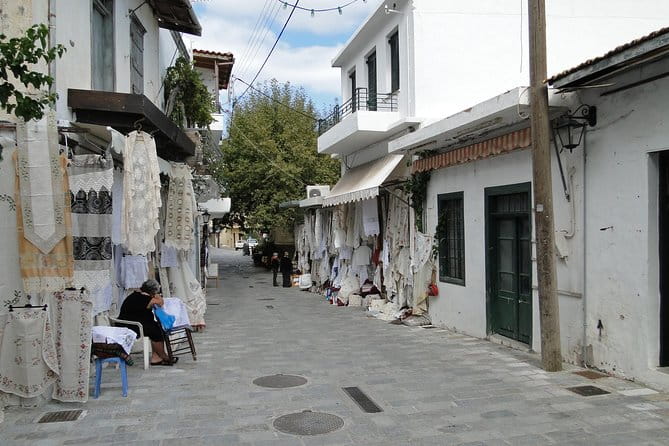
Kritsa is one of Crete’s most picturesque villages, famous for its lace making and handcrafted textiles. Walking through its winding alleys feels like strolling through a living museum, where old stone houses, blooming yards, and tiny shops create a postcard-perfect scene. It’s easy to see why many visitors describe Kritsa as an open-air museum of Cretan culture.
From the reviews, it’s clear that this village is a favorite for its authentic atmosphere. One traveler mentioned that Kritsa is a blend of beautiful houses and abandoned homes, which adds a touch of real life — not every building is perfectly restored, and that authenticity is part of its charm. You may find the village surprisingly quiet in late summer, contrary to the bustling tourist spots, making it ideal for peaceful exploration.
Panagias Keras Church: A Byzantine Masterpiece
The first stop, the Panagias Keras Church, is a highlight for those interested in art and architecture. Located just 500 meters from Kritsa, this three-aisled, barrel-vaulted church is a treasure trove of Byzantine murals. Its well-preserved wall paintings span various periods, offering a visual journey through religious art.
Visitors often comment on the peaceful atmosphere and remarkable frescoes. Entry is free, and the 30-minute visit provides a contemplative pause amid your busy day. A knowledgeable guide or leaflet can help you appreciate the layers of history depicted on the walls.
The Ancient City of Lato
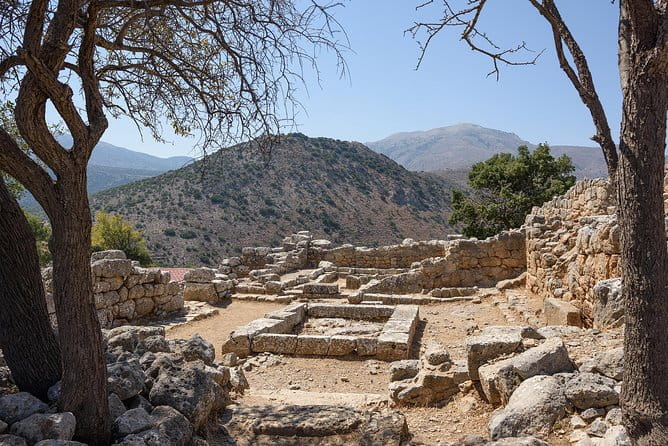
Next, you’ll visit Archaia Poli Tis Lato, an ancient Doric city that once rivaled other major Crete cities. Perched on a saddle between two hills, the site offers panoramic views over Mirambello Bay. The city’s historical significance is palpable, being the birthplace of Nearchos, an admiral of Alexander the Great.
Walking among the ruins, you’ll notice the strategic location, which protected the city from attacks but also led to its decline when the harbor shifted to modern Agios Nikolaos. Although the entrance fee is modest (€3), the real reward is the sense of walking through history in a place that once thrived and now offers stunning views.
Kritsa Village: A Living Folklore Museum
Spending about an hour and a half wandering Kritsa, you’ll see why this village is dubbed an open folklore museum. The streets are lined with textile shops, cafes, and Byzantine temples that tell stories of generations past. Many visitors mention the friendly atmosphere and the chance to buy handmade souvenirs.
If you’re interested in local crafts or just want a taste of life off the tourist trail, Kritsa delivers. Plus, the lack of crowds — especially in late summer — allows for relaxed browsing and photos.
Kroustas: Countryside and Culinary Delights
The final stop, the small village of Kroustas, offers a stark contrast to Kritsa’s more structured charm. With around 500 residents, it’s less touristy and more authentic. Its narrow stone streets wind through traditional houses, while the surrounding landscape is dotted with vineyards and olive groves.
This is where you’ll get to sample local flavors. The village is famous for its wine from grape varieties like Liatiko and Mandilari, and its tavernas serve up skioufihta pasta and kalitsounia pastries — both delicious ways to enjoy Cretan cuisine. Visitors remark on the friendly locals and the rustic, unspoiled setting.
Group Size and Tour Logistics
The tour’s small group size (max 8 travelers) feels intimate, allowing for more personalized comments from guides like Christos, who is praised for his friendliness and knowledge. The duration of about 6 hours includes about 1 to 1.5 hours of transfer time, which some might find a little long, but the comfort of a private vehicle helps make it bearable.
The tour includes bottled water and soda, but lunch isn’t covered — so consider bringing a snack or plan to enjoy a meal in Kroustas. The entrance fees to sites like Panagia Kera and Lato are modest but add to the overall expense, which is quite reasonable given the richness of the experience.
Who Will Love This Tour?
This experience is best suited for travelers who appreciate authentic villages, scenic views, and cultural insights, rather than fast-paced sightseeing. If you enjoy small groups, friendly guides, and tasty local food, it’s a great fit. It’s especially appealing to those interested in history, craft, and local life, rather than large tour crowds.
Final Thoughts
This tour provides a well-rounded glimpse into Crete’s rural traditions and historical treasures. Visiting Kritsa’s artisan streets and Kroustas’ countryside offers a chance to see the island’s authentic side, far from the tourist hotspots. The inclusion of Byzantine art, ancient ruins, and regional wine makes it a meaningful, taste-filled excursion.
While the long transfer time might be a consideration for some, the small group setting, knowledgeable guides, and authentic experiences make it a solid choice for curious travelers eager to understand the true spirit of Crete. If you’re looking for a thoughtfully curated day that combines history, culture, and local flavors, this tour delivers.
FAQs
- How long is the transfer time?
About 1 to 1.5 hours each way, depending on traffic; it’s a reasonable amount of time to enjoy the scenery and settle in. - Are meals included?
No, lunch isn’t included, but the tour includes bottled water and soda. You’ll have time in Kroustas to enjoy local tavernas. - What are the site entrance fees?
Panagia Kera and Lato cost €3 each. These are optional and give you access to important historical sites. - Is the tour suitable for all ages?
Most travelers can participate, but consider the walking involved at sites and the transfer duration if traveling with very young children or those with mobility issues. - Can I customize the tour?
The small group size allows for some flexibility, especially if your guide is knowledgeable and friendly like Christos. - What should I bring?
Comfortable walking shoes, sun protection, a hat, and perhaps some cash for souvenirs or extra snacks. - Is this a good value?
At around $70, including transportation, bottled water, and visits to several sites, it’s a cost-effective way to explore Crete’s rural heritage. - How far in advance should I book?
On average, travelers book about 72 days ahead, indicating high interest and limited spots.
This tour strikes a balance between culture and scenic exploration, making it an excellent choice for those eager to see the real Crete beyond the beaches.
More Tour Reviews in Crete
- Crete:Zeus & Lassithi Plateau, OliveTasting, Kritza, Pottery
- Chania: Minoan’s World 9D Experience
- From Crete: Chrissi Island Day Trip by Boat with Swim Stop
- Crete: Knossos Palace and Museum E-Tickets with Audio Guides
- From Rethymno/Kavros: Elafonissi Pink Sand Beach Tour
- Crete: Day Trip to Agios Nikolaos and Spinalonga Island
Not for you? Here's more things to do in Crete we have recnetly reviewed
- Knossos Palace Guided Walking Tour (Without Tickets)
- Heraklion: Private Full-Day Sailing Trip to Dia Island
- Chania: Boat Trip with Guided Snorkeling & Stand-Up Paddling
- Lychnostatis Open Air Museum: Entry Ticket with Add-Ons
- Crete: Day Trip to Sfakiá, Plakias and Kourtaliotiko Gorge
- Crete: Island Jeep Tour with BBQ
- From Chania: Elafonisi and Falasarna Guided Tour with Snacks
- Rethymno: Old Town Segway Tour
- Heraklion, Galatas village: Cretan Cured meat tasting & BBQ
- From Rethymno: Discover South Rethymno
- Semi-Private Agiofarago the Sacred Gorge & Matala
- Self-Drive Jeep Safari to South Coast, Palm Beach & Canyons