
The historic city of Toledo has long been associated with the dark legacy of the Spanish Inquisition, a notorious chapter in its past that continues to captivate and unsettle visitors. Set out on a guided tour that delves into the grim realities of this period, uncovering the tools and methods employed by the Holy Office against alleged heretics and witches. As you navigate significant sites like Plaza de Zocodover and San Pedro Mártir, you’ll gain a deeper understanding of the profound impact these events had on Toledo’s cultural landscape. Prepare to confront the sobering truths of this tumultuous era and uncover the lasting implications that still linger within the city’s historic walls.
Key Points
- The Inquisition tour in Toledo explores the city’s dark history as a significant center of the Spanish Inquisition, focusing on public trials, punishments, and the persecution of heretics.
- Visitors can learn about the sophisticated and cruel interrogation methods used by the Inquisition, including torture techniques such as thumbscrews, the rack, and waterboarding.
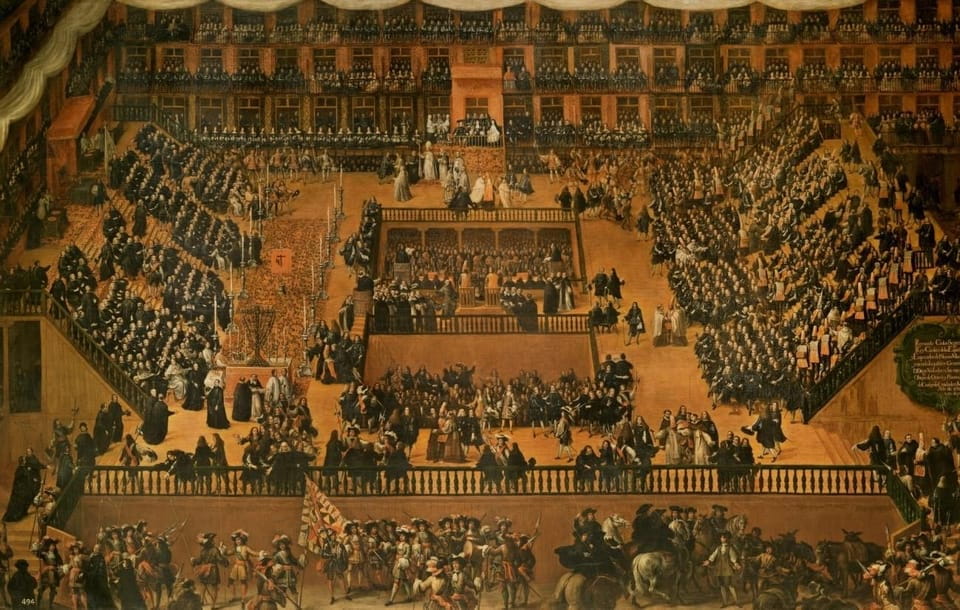
- The tour highlights the infamous autos-da-fé held in Plaza de Zocodover, where thousands witnessed the public humiliation and execution of suspected heretics and practitioners of witchcraft.
- Narratives of notable Inquisition prisoners, such as Isabel de Castilla and Diego de Uceda, demonstrate the Inquisition’s disregard for rank and privilege in its crusade against religious deviation.
- The tour aims to educate visitors about the lasting impact of the Inquisition on Toledo’s cultural and religious landscape, and encourages an open and respectful mindset when exploring this sobering chapter of history.
Overview of the Spanish Inquisition
The Spanish Inquisition was established in 1478 by the Catholic Monarchs, Ferdinand and Isabella, with the primary goal of eradicating heresy and maintaining religious orthodoxy within the kingdom.
Toledo, a significant religious and cultural center, was a hub of Inquisition activity during this period.
The Inquisition exerted strong control over the population, conducting public trials and executions in locations like Plaza de Zocodover.
Accused individuals faced severe punishments, including arrest, interrogation, torture, and even execution, if found guilty of heresy or witchcraft.
This dark chapter in Spanish history witnessed the persecution of those deemed a threat to the Catholic faith.
You can also read our reviews of more tours and experiences in Toledo.
Significance of Toledo in the Inquisition
As a significant religious and cultural center during the Spanish Inquisition, Toledo played a crucial role in the persecution of those deemed heretics. The city witnessed numerous public trials and executions, known as autos de fe, at locations like Plaza de Zocodover.
The Holy Inquisition exerted strong control over the population through:
- Interrogation and torture of suspected heretics
- Harsh punishments, including imprisonment, banishment, and execution
- Surveillance and denunciation of those deemed a threat to Catholic orthodoxy
- Public displays of power to instill fear and conformity
This dark chapter in Toledo’s history reflects the immense influence and brutality of the Inquisition, which left an indelible mark on the city’s religious and cultural landscape.
Tools and Methods of the Holy Office
Though the Holy Office of the Inquisition wielded immense power, its tools and methods were both sophisticated and cruel. Interrogations often involved torture, from thumbscrews and the rack to waterboarding.
Accused individuals faced grueling trials, with the presumption of guilt and strict rules of evidence that heavily favored the prosecution. Those found guilty could be subjected to public humiliation, imprisonment, or even execution by burning at the stake.
The Inquisition’s power extended beyond the courtroom, as it maintained a large network of informants to root out heresy. This fearsome and uncompromising approach allowed the Holy Office to maintain a firm grip over the population of Toledo.
Infamous Autos-da-Fé in Toledo
Toledo’s Plaza de Zocodover witnessed the spectacle of numerous autos-da-fé during the Spanish Inquisition. These public displays of faith involved the sentencing and punishment of those accused of heresy or witchcraft.
- Thousands of people were forced to watch as prisoners were paraded through the streets, humiliated, and subjected to severe punishments like flogging, imprisonment, or even execution.
- The first auto-da-fé held at San Pedro Mártir saw over 700 individuals face judgment, a chilling testament to the Inquisition’s ruthless pursuit of religious conformity.
- Victims were often coerced into false confessions through torture, their fates sealed by the Inquisition’s unwavering commitment to eradicating any deviation from Catholic orthodoxy.
- The autos-da-fé served as a powerful tool of social control, instilling fear and obedience among the populace under the Inquisition’s watchful eye.
Stories of Notable Inquisition Prisoners
The Inquisition’s relentless pursuit of heresy also ensnared several notable individuals in Toledo, each with a unique and harrowing tale.
One such prisoner was Isabel de Castilla, a noblewoman accused of Judaizing. Despite her social status, she endured interrogation, torture, and eventual execution, her story symbolic of the Inquisition’s disregard for rank or privilege.
Another was Diego de Uceda, a priest who challenged the Inquisition’s authority. He was imprisoned for years, his health and sanity deteriorating before a forced confession led to his ultimate demise.
These tragic narratives underscored the Inquisition’s ruthless crusade against any perceived deviation from orthodoxy.
- Discover Toledo:From Madrid-Private Tour With Guide & Driver
- Toledo: Walking Tour With a Local Guide
- City Sightseeing Toledo Hop-On Hop-Off Bus Tour
- Visit Toledo With an Accredited Official Guide
- Toledo Jewish Heritage Private Tour With Expert Local Guide
- Toledo: Cathedral, Synagogue, Church, Mosque and Monastery.
Witchcraft and the Inquisition
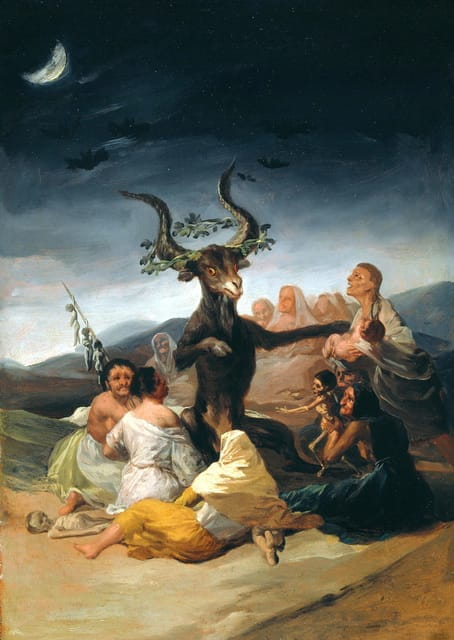
During the Spanish Inquisition, the Catholic Church‘s zealous pursuit of heresy extended to the realm of witchcraft, which was viewed as a grave offense against divine order.
Accused individuals faced severe consequences, including arrest, interrogation, torture, and even execution. The Inquisition saw witchcraft as a manifestation of satanic influence, and those suspected of practicing it were subjected to intense scrutiny and persecution.
This dark chapter in Toledo’s history left a lasting impact on the city’s cultural and religious landscape. Witchcraft trials and punishments became a grim reality for many during this tumultuous period.
- The Inquisition’s view of witchcraft as a form of heresy
- Harsh punishments and consequences faced by accused individuals
- The Inquisition’s zealous pursuit of those suspected of practicing witchcraft
- The lasting impact of the Inquisition’s witchcraft trials on Toledo’s history
Legacy of the Inquisition in Toledo
Centuries after the Inquisition’s zeal had subsided, its legacy continued to loom large over Toledo’s cultural and historical landscape.
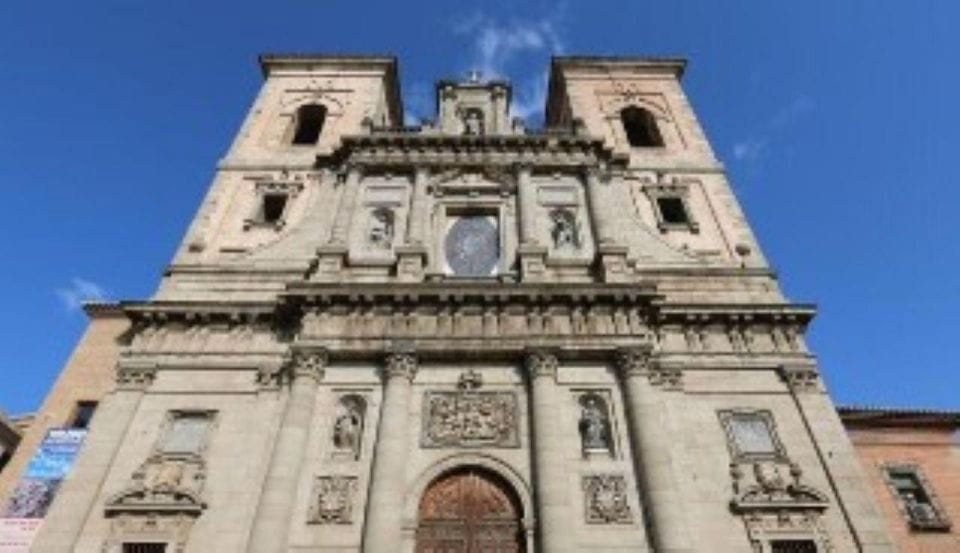
Visitors can explore the remnants of this dark period through a specialized tour, which delves into the Inquisition’s impact on the city. The tour traces the paths of public trials and executions, visiting sites like Plaza de Zocodover and San Pedro Mártir.
Participants learn about the prisons, punishments, and torture methods employed by the Holy Inquisition, gaining a deeper understanding of this complex and often troubling chapter in Toledo’s past.
The tour aims to educate and enlighten, shedding light on a contentious era that left an indelible mark on the city’s identity.
Preparing for the Inquisition Tour
Before embarking on the Inquisition Tour, visitors should ensure they’re well-prepared for the sobering subject matter.
The tour explores Toledo’s dark history as a center of the Spanish Inquisition, where individuals faced harsh punishments, including torture and execution, for alleged heresy or witchcraft.
To fully appreciate the significance of the sites visited, visitors are encouraged to:
- Familiarize themselves with the historical context of the Inquisition and its impact on Toledo.
- Approach the tour with an open and respectful mindset, acknowledging the gravity of the events.
- Be prepared for emotionally challenging content and seek support if needed.
- Engage with the guide’s expertise to gain a deeper understanding of this complex and sensitive period.
Things To Know
Is the Tour Guide Licensed or Certified?
The tour guide’s licensing or certification is not explicitly mentioned in the overview. However, the tour is operated by a reputable company, FollowMe Toledo, suggesting the guide likely has the appropriate qualifications to lead this historical tour.
How Accessible Is the Tour for Individuals With Disabilities?
The tour is wheelchair accessible, allowing individuals with disabilities to fully participate. It caters to a small group size and doesn’t require any additional tickets or expenses for accessibility accommodations.
What Is the Maximum Group Size for the Tour?
The maximum group size for the tour is 6 participants. This is limited to family and friends travelling together, as the tour requires a minimum of 6 people to be conducted.
Can I Receive a Partial Refund for a Late Cancellation?
According to the tour information, customers can receive a full refund if they cancel up to 24 hours in advance. However, there’s no mention of partial refunds for late cancellations.
Are There Any Additional Fees or Expenses Beyond the Tour Price?
According to the tour information, there are no additional ticket or expense required beyond the tour price of $10.94 per person. The tour is inclusive of the stated pricing with no hidden fees.
Sum Up
The Tour of the Inquisition and Witchcraft in Toledo provides a sobering exploration of a dark chapter in the city’s history. Visitors will gain profound insights into the brutal methods employed by the Inquisition against alleged heretics and witches, and understand the lasting impact of these events on Toledo’s cultural landscape. This tour offers a thought-provoking opportunity to reflect on the enduring consequences of persecution and fear.
You can check availability for your dates here:More Tours in Toledo
More Tour Reviews in Toledo
Not for you? Here's more things to do in Toledo we have recnetly reviewed
- Subway Toledo: night tour 4 subways including Thermae
- Toledo and its 7 Monuments: Tourist Bracelet + Guided Visit
- Toledo: Private Monuments Walking Tour with Monument Entry
- Toledo: Convent Route with Marzipan and Wine Tasting
- From Madrid: Toledo Tour with Wine Tasting and 3 Monuments
- Madrid: Private Day Trip to Toledo & Segovia
- TOUR TRES CULTURAS
- Toledo’s Private Tour in Spanish
- Guided tour of the Toledo Cathedral (Input no included)
- Tour Nocturno de Leyendas y Misterios con Subterráneo
- Toledo: Marzipan Convent Route with Tasting and Wine
- Toledo Mágico, the original night tour: mystery, curiosities, and secrets.