
Hiroshima’s path to peace and renewal is a powerful testament to the human spirit. Visitors can enjoy the city’s profound history, starting at the iconic Peace Memorial Park. Here, they’ll encounter the haunting A-Bomb Dome, a somber reminder of the past. But as they explore further, they’ll discover symbols of hope and resilience, hinting at the city’s remarkable journey towards healing and reconciliation.
Key Points
- Visit the iconic A-Bomb Dome, a haunting reminder of the 1945 atomic blast and a symbol of Hiroshima’s resilience.
- Reflect on the human toll of the bombing at the Peace Memorial Museum, which chronicles the city’s history and the long-term effects.
- Pay respects at the Cenotaph, a memorial housing the names of those who perished, and the Children’s Peace Monument honoring young lives lost.
- Explore the tranquility of the Shukkeien Garden, a historic landscape that offers a respite for contemplation amidst the city’s somber history.
- Gain a deeper understanding of Hiroshima’s transformation from devastation to a vibrant, modern city, and its enduring commitment to peace and nuclear disarmament.
Hiroshima’s Tragic History
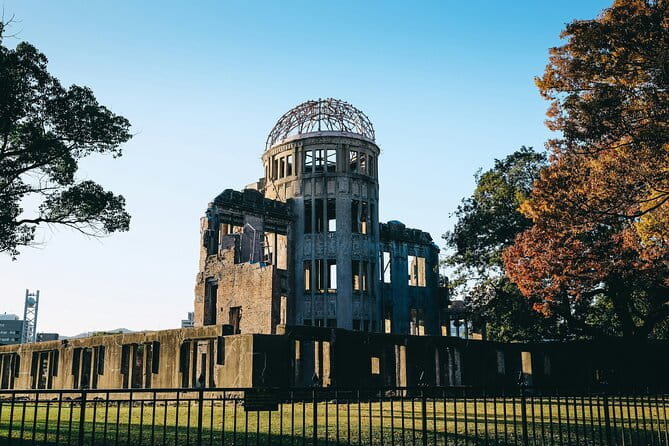
Though Hiroshima is now a vibrant, modern city, it bears the scars of a tragic past.
On August 6, 1945, the city was devastated by the world’s first atomic bomb attack. The blast killed an estimated 70,000 people, and by the end of 1945, the death toll had reached 140,000. Many more died in the years that followed from the bomb’s lingering radiation effects.
The city’s iconic landmark, the A-Bomb Dome, stands as a powerful reminder of this tragedy, symbolizing both the horrors of war and a commitment to peace and non-proliferation.
Here are more great tours and experiences we've reviewed in Hiroshima
The Peace Memorial Park
The Peace Memorial Park stands as a poignant testament to Hiroshima’s resilience. Meticulously designed, the park honors the victims of the 1945 atomic bombing.
Visitors can pay their respects at the Cenotaph, an arched monument housing the names of the dead. The iconic A-Bomb Dome, a haunting remnant of the blast, serves as a sober reminder.
The Peace Memorial Museum chronicles the event’s devastating human toll through exhibits and artifacts. Nearby, the Children’s Peace Monument commemorates the many young lives lost.
Throughout, the park’s serene gardens and reflecting pools offer a contemplative space to reflect on Hiroshima’s enduring spirit.
The Atomic Bomb Dome
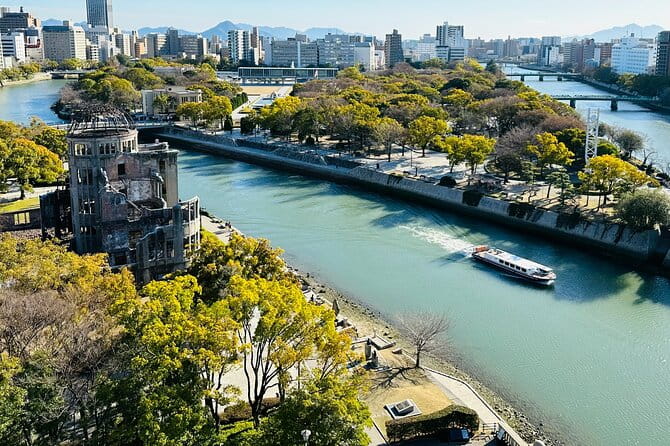
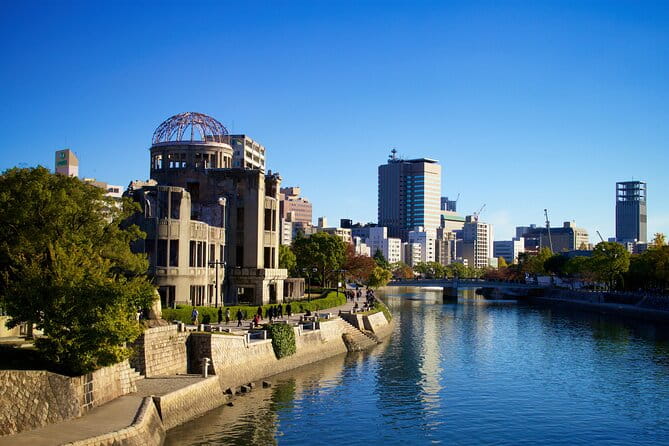
Jutting up from the Ōta River, the Atomic Bomb Dome stands as a somber relic of Hiroshima’s tragic past.
Once the Hiroshima Prefectural Industrial Promotion Hall, the skeletal structure was one of the few buildings to survive the 1945 atomic blast.
Today, it serves as a powerful symbol of resilience and a reminder of the devastation of nuclear war.
Visitors can:
- Gaze upon the haunting silhouette and imagine the horrific moment when the bomb detonated overhead.
- Reflect on the unimaginable human suffering that occurred in the aftermath.
- Ponder the importance of promoting world peace and nuclear disarmament.
The Children’s Peace Monument

After visiting the somber Atomic Bomb Dome, visitors find themselves drawn to the towering Children’s Peace Monument.
Inspired by the story of Sadako Sasaki, a young girl who died from radiation exposure after the bombing, the monument features a bronze statue of Sadako holding a paper crane.
Visitors can leave their own paper cranes, a symbol of peace and hope, at the base of the statue.
The Children’s Peace Monument stands as a poignant reminder of the devastating impact of nuclear weapons and the resilience of the human spirit in the face of tragedy.
The Memorial Museum
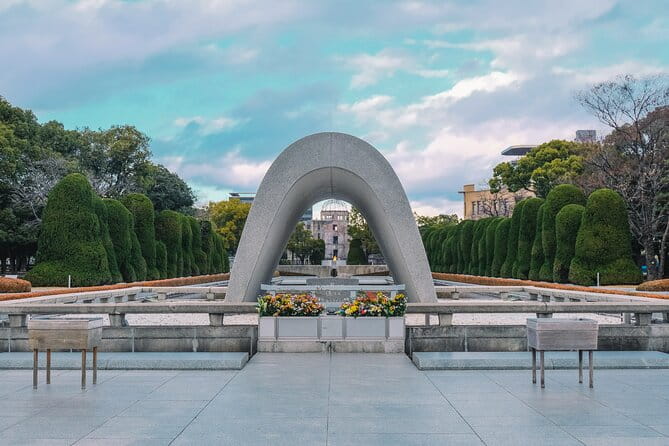
Moving on from the poignant Children’s Peace Monument, visitors now encounter the Hiroshima Peace Memorial Museum. This comprehensive museum offers a sobering yet meaningful experience, guiding visitors through the horrors of the atomic bombing and its aftermath.
The museum features:
- Powerful exhibits that display personal belongings of the victims, such as melted glassware and charred uniforms, serving as haunting reminders of the tragedy.
- Informative displays that explain the historical context, the scientific details of the bomb, and the long-term effects on the city and its people.
- An opportunity to reflect on the importance of peace and the need to prevent such devastation from ever happening again.
Strolling Through Shukkeien Garden
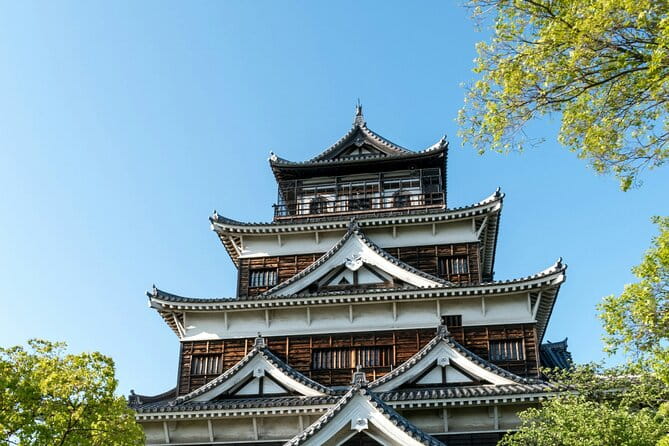
From the Peace Memorial Museum, the tour now leads visitors to the tranquil Shukkeien Garden.
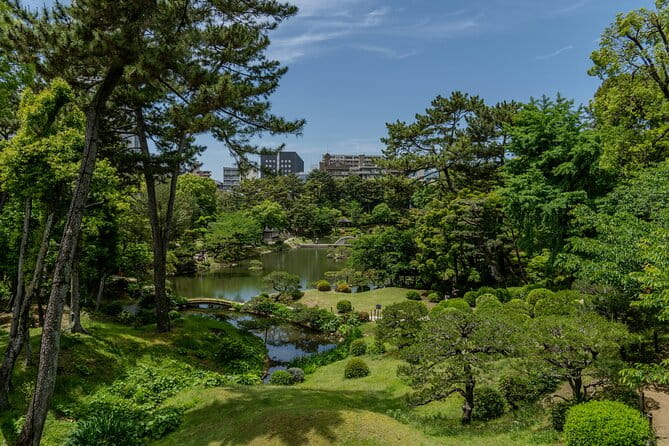
This historic landscape garden dates back to the 17th century and offers a serene respite from the bustle of the city. Strolling along the winding paths, guests will discover a central pond surrounded by meticulously sculpted bonsai trees, bridges, and pagodas.
The garden’s design symbolizes the cycle of life, with the ebb and flow of water mirroring the human experience. Visitors can enjoy the natural beauty and find moments of contemplation before continuing on their journey through Hiroshima’s spirit.
Reflecting on Hiroshima’s Resilience
The resilience of Hiroshima’s spirit resonates powerfully as visitors stand before the Atomic Bomb Dome, a haunting reminder of the city’s tragic past. This iconic structure, left partially standing, bears witness to the city’s determination to move forward.
Reflections on Hiroshima’s resilience are further amplified through:
- The Peace Memorial Museum, where exhibits tell the stories of those impacted by the atomic bomb, inspiring visitors to strive for a more peaceful world.
- The Children’s Peace Monument, a tribute to the young victims, reminding all of the devastating human toll of war.
- The city’s vibrant present, bustling with activity and hope, a testament to the indomitable human spirit.
Embracing Hope and Healing
Hiroshima’s spirit of hope and healing permeates the city, guiding visitors on a profound journey of reflection and resilience. From the somber Peace Memorial Park to the serene Shukkeien Garden, the tour offers a multifaceted experience that celebrates the city’s unwavering determination to move forward.
| Highlights | Significance | Takeaways |
|---|---|---|
| Peace Bell | Symbol of peace and harmony | Contemplation of humanity’s capacity for both destruction and renewal |
| Children’s Peace Monument | Tribute to the resilience of youth | Inspiration to build a more just and peaceful world |
| Shukkeien Garden | Tranquil oasis amidst urban landscape | Appreciation for nature’s restorative power |
This tour invites travelers to embrace Hiroshima’s resilience, honoring the city’s past while embracing its hopeful future.
Frequently Asked Questions
Is Photography Allowed Throughout the Tour?
Photography is generally allowed throughout the tour, though visitors should be respectful of any restrictions or guidance provided by the guide. Participants can capture memorable moments to commemorate their experience, while adhering to any site-specific rules.
Can I Bring My Own Food and Drinks?
Travelers can’t bring their own food and drinks on this tour. The inclusions cover entry fees only, and meals, snacks, or shopping are not included. Participants will need to purchase any food or drinks during the tour.
Is There a Dress Code for the Tour?
There’s no mentioned dress code for this tour. Visitors can wear comfortable and appropriate clothing for walking and visiting historical sites. The tour focuses on Hiroshima’s spirit, so dressing respectfully is recommended.
Can I Extend My Stay at Shukkeien Garden?
Visitors can explore Shukkeien Garden on their own after the tour ends. The garden is a 15-minute walk from Hiroshima Station, allowing travelers to extend their stay and further enjoy Hiroshima’s cultural heritage.
Do I Need to Purchase Tickets in Advance?
No, you don’t need to purchase tickets in advance for this tour. The entry fees to all attractions visited during the tour are included in the tour price. You can simply show up at the meeting point on the day of the tour.
The Sum Up
Hiroshima’s tragic history is etched in the Peace Memorial Park, where the A-Bomb Dome and Children’s Peace Monument stand as poignant reminders. Yet, the city’s resilient spirit shines through in the reflective exhibits and tranquil Shukkeien Garden, inspiring hope amidst remembrance. Visitors can gain a profound understanding of Hiroshima’s past and its ongoing journey toward healing and peace.
More Half-Day in Hiroshima
More Tour Reviews in Hiroshima
- Hiroshima Castle 1h Guide Tour
- Enjoy Korakuen Japanese Garden and Old Japanese Street Kurashiki
- Hiroshima Peace Memorial and Highlights Private Tour With a Local
- Time With a Japanese Master Swordsmith a Insight and Appreciation
- Forge Your Own Knife From Katana-Steel With a Master Swordsmith
- 1-Day Miyajima Sightseeing Tour
Not for you? Here's more things to do in Hiroshima we have recnetly reviewed
- Enjoy Okonomiyaki at Okonomi-mura in Hiroshima
- 5-Day One Way Bus Trip to North Hyogo From Fukuoka to Hiroshima
- Matcha and Japanese Dance With Kimono and Photography Experience
- Private Transfer From Hiroshima Port to Hiroshima Airport (HIJ)
- Hiroshima and Miyajima 2 Days Bus Tour From Osaka and Kyoto
- Hiroshima and Miyajima Bus Tour With Indian Lunch
- Full-Day Private Guided Tour in Hiroshima
- Hiroshima Data Esim 0.5gb Daily to 50GB 30 Days
- Hiroshima 6hr Private Guided Tour & Shopping With Concierge
- 2-Hour Private Hiroshima Morning Tour
- Onomichi 9hr Private Tour – Hiroshima DEP. With Licensed Guide
- 2 Hour Private Morning Tour Highlights in Peace Memorial Park