
Discovering Berlin’s Dark Heart: A Deep Dive into the Third Reich with a Historian
If you’re curious about the more nuanced stories of Berlin during the Nazi years, this two-hour walking discussion offers a compelling alternative to typical sightseeing. Led by an experienced English-speaking historian, the tour takes you away from the crowds and into the neighborhoods where history unfolded for everyday Berliners. It’s not just a chronological recounting, but a thoughtful exploration of what motivated ordinary people to support a brutal regime, and how the city continues to remember those dark years.
What I particularly like about this experience are two things. First, the tour’s focus on understanding the ideology behind Nazism through natural surroundings like Monbijou Park—a surprisingly effective way to connect ideas with environment. Second, the personal stories and local sites like the New Synagogue and Clarchens Ballhaus breathe life into dry history, making it relatable and thought-provoking.
A potential consideration is that a two-hour tour can’t cover everything, and for those with a deep prior knowledge of WWII, it might serve as a good overview but not the exhaustive history some seek. Still, the focus on ordinary Berliners’ experiences offers a fresh perspective often missing from conventional tours.
Key points / Takeaways
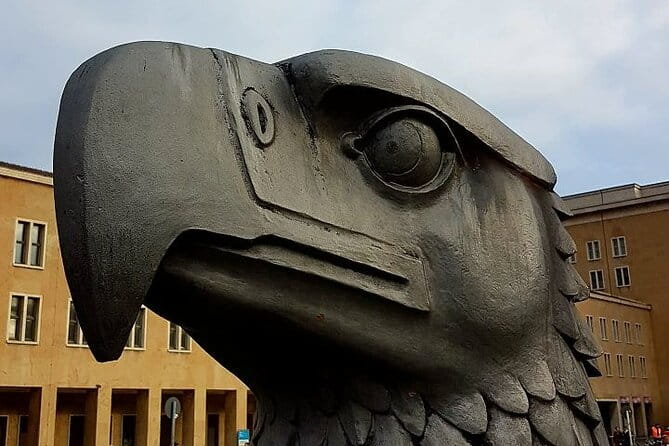
- Focused on motivations behind support for the Nazi regime, not just dates and battles.
- Uses parks and local neighborhoods to explain complex ideological themes in a visual way.
- Led by Stewart Sean Devin, whose storytelling skills and depth of knowledge make history engaging.
- Includes sites of Jewish life and anti-Semitic violence, highlighting the Jewish community’s experience in Berlin.
- Encourages reflection on how Berlin commemorates its past, through discussions about the Battle of Berlin and memorials.
- Small group size (up to 8) ensures an intimate and flexible experience, with plenty of space for questions.
An In-Depth Look at the Tour Experience
You can also read our reviews of more tours and experiences in Berlin.
Starting Point: Monbijou Hotel and Monbijou Park
The tour kicks off at the Monbijou Hotel, a convenient location near public transportation. From there, you’ll stroll into Monbijou Park, an unexpected but clever choice for a first stop. Stewart Sean Devin uses this green space to explain key elements of Nazi ideology—a method I found surprisingly effective. Standing amid the trees and open space, it’s easier to grasp the propaganda and psychological underpinnings that fueled support for Hitler’s regime.
Sean’s approach is clear and accessible, making complex ideas digestible without oversimplifying. His storytelling has been described as “incredible,” with reviewers noting how he brings Berlin’s history alive. You’re encouraged to think about how environment influences political sentiments, and the connection between public spaces and ideology.
The Jewish Experience at the New Synagogue
The next stop is the New Synagogue Berlin – Centrum Judaicum, a poignant site. The synagogue was a hub of pre-war Jewish life and later the scene of the violent pogrom in November 1938. Here, the discussion shifts to the Jewish community’s ordeal under the Third Reich. While the visit lasts only about 15 minutes, it packs an emotional punch.
Admission isn’t included, but it’s well worth visiting if you want a tangible link to Berlin’s Jewish history. This stop acts as a stark reminder of the persecution and the resilience of those who survived. Many travelers appreciate the way the guide contextualizes this Jewish history within the broader Nazi narrative, making it more than just a tragic story, but a vital part of Berlin’s identity.
Life in Berlin During the Nazi Years at Heckmann Höfe
The tour continues through Heckmann Höfe, an area that reveals how ordinary life persisted and transformed during the 1930s and 1940s. The focus here is on understanding daily routines, public opinion, and support for the regime. The site helps bridge the gap between high politics and personal experience—a key point for many who want a more authentic, ground-level perspective.
Commemorating the Battle of Berlin at Clarchens Ballhaus
Finally, the journey moves to Clarchens Ballhaus, an iconic location that also serves as a symbol of Berlin’s resilience and memory. Here, the discussion turns to how the city remembers and commemorates its wartime past, especially the Battle of Berlin. For many, this is a chance to reflect on how history is preserved and interpreted in modern Germany.
Who Will Appreciate This Tour?
This experience is ideal for travelers who crave more than surface-level history. If you’re interested in understanding what motivated the people of Berlin to support the Nazi regime, and how ordinary citizens’ choices shaped history, this tour is a perfect fit. It’s also suited for those who want to see a more personal and human side of Berlin’s history, not just the sites of famous battles or political leaders.
Given its small group size and personal storytelling, it’s best for those who enjoy engaging discussions and asking questions. If you’re looking for a comprehensive chronological account, you might find this tour more focused and thematic, which can be refreshing.
Value and Price Analysis
At $52 for about two hours, the cost is quite reasonable considering the depth of insight and the expert guidance offered. The focus on authentic local sites and thought-provoking themes provides a different dimension from typical sightseeing trips. It’s a very value-packed experience for anyone interested in understanding Berlin at a deeper level, especially if you prefer engaging stories over just ticking off landmarks.
Practical Tips
- Meet at Monbijou Hotel at 11:00 am—plan your transport accordingly.
- The tour is accessible via public transit, making it easy to integrate into your day.
- It’s suitable for most travelers; service animals are allowed.
- Remember, most of the sites are free to enter, but some (like the Synagogue) charge admission, which you may want to budget for.
- Cancelling at least 24 hours in advance guarantees a full refund, making it flexible if your plans change.
Final Thoughts
This tour offers a thoughtful examination of Berlin’s darkest chapter through the eyes of a knowledgeable local historian. You won’t just hear dates and facts; instead, you’ll explore the motivations, beliefs, and everyday lives of Berliners during Nazi rule. It’s a rare opportunity to see the city’s history not just as a series of monuments, but as a living, breathing story of human choices and societal pressures.
For travelers who want to walk away with a deeper understanding of how such a regime took hold and how the city continues to confront its past, this experience is well worth the price. The combination of authentic sites, engaging storytelling, and thought-provoking discussion makes it a meaningful addition to any Berlin itinerary.
FAQ
How long is the tour?
The tour lasts approximately 2 hours, making it a manageable, focused experience.
Where does the tour start and end?
It begins at the Monbijou Hotel, Monbijoupl. 1, 10178 Berlin, and finishes back at the same point.
What is the group size?
The experience is limited to a maximum of 8 travelers, ensuring personal attention and space for questions.
Do I need to pay for entrance fees?
Most sites are free to explore, but the New Synagogue isn’t included in the price, so you might want to budget for admission if you wish to go inside.
Is this tour suitable for history enthusiasts?
Yes, especially for those interested in the motivations behind Nazi support and how ordinary Berliners experienced the era.
Can I cancel if my plans change?
Yes, you can cancel free of charge up to 24 hours before the tour for a full refund.
Are there any physical requirements?
The tour involves walking through neighborhoods; comfortable shoes and weather-appropriate clothing are recommended.
Is this tour accessible for people with disabilities?
While most sites are accessible, it’s best to confirm specific needs with the provider beforehand.
What makes this stand out from other Berlin tours?
Its focus on ordinary people’s support and ideology rather than just battles or leaders makes it a uniquely human perspective on a dark chapter.
In summary, this tour provides a rare chance to understand Berlin’s history from the ground up, through meaningful conversations and local sites. Ideal for travelers seeking depth, authenticity, and a more nuanced view of the city’s past—and a reminder of the choices that shape history.
More Tours in Berlin
- Berlin: 2-Hour Premium Segway Tour
- Berlin: Hidden gems around the Gendarmenmarkt – Guided walking tour
- Berlin: Guided group tour of Kreuzberg 36, the alternative district
- Tour in Berlin from Warnemünde and Rostock Cruise Port
- Berlin: Guided Street Food Tour with Tastings
- Potsdam: Original steam ship Gustav from 1908. Coal-fired, boat tour
More Tour Reviews in Berlin
Not for you? Here's more things to do in Berlin we have recnetly reviewed
- Potsdam: 5-Hour-Tour “Parks & Palaces” from Berlin by VW-Bus
- Berlin: guided canoe | kayaktour
- Berlin: 3-Hour Guided Small Group Fat Tire E-Scooter Tour
- Rickshaw private driver, shared Guide Berlin Highlights
- Berlin: Madame Tussauds Happy Hour Ticket
- Berlin: Green City Guided Bike Tour
- VIP Warnemünde-Berlin: Private Shore Excursion with a Van
- Understanding Kreuzberg: The roots of local (sub)culture
- Tranfer with small or Bigger introduction Tour Berlin
- Private Tour – Highlights of Berlin for Families
- Berlin: Germany’s Very first Craft Beer Tour and Experience
- Private Highlights of Berlin Bike Tour