
Exploring the Herring Era Museum in Siglufjordur offers a fascinating glimpse into Iceland’s once-thriving fishing industry. This museum isn’t just a collection of old boats and fish scales — it’s a well-curated journey through the economic and social impact of herring fishing in Iceland. From Norwegian fish-processing stations to recreated port scenes, the museum paints an authentic picture of a industry that shaped the town and the nation.
Two things I especially enjoy about the experience: First, the preservation of historic buildings like Róaldsbrakki, which feels like stepping into a 1907 Norwegian herring station. Second, the interactive recreations in the Boathouse, where the lively atmosphere of a 1950s port is palpable. The Herring Café adds a tasty, local touch, offering traditional dishes and home-baked sweets that make the history tangible.
A possible drawback? The museum’s main attractions are outdoor and building-based, so if the weather turns sour or you’re visiting in the off-season (October-April), some parts might be less accessible or enjoyable. However, planning your visit during the open season (May to September) can help you make the most of this experience.
Key Points / Takeaways
Authentic historic buildings like Róaldsbrakki and Grána offer a genuine feel of Iceland’s herring past.
Interactive exhibits and recreations make learning about the industry engaging and memorable.
The museum is highly regarded internationally, winning awards like the European Museum Award in 2004.
The Herring Café provides a delicious way to taste the local history with traditional dishes and baked sweets.
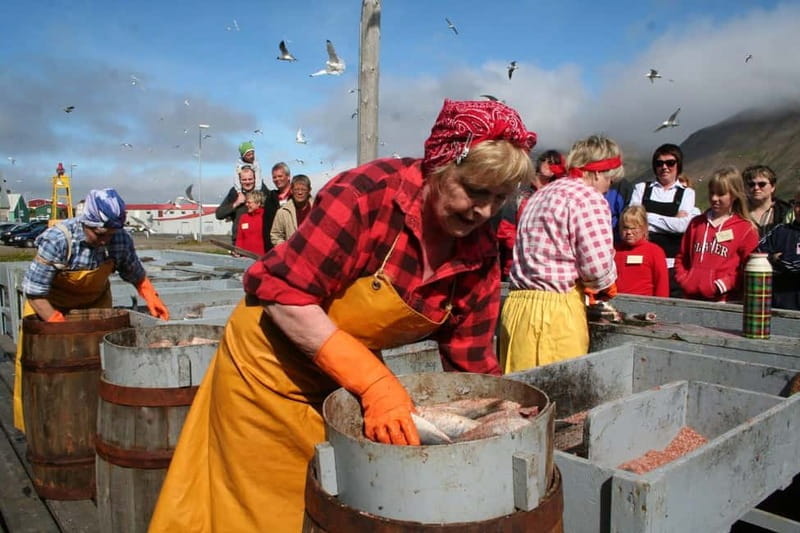
Visit on Saturdays if you want to experience the outdoor salting show and accordion dance — a lively and authentic touch.
The museum’s flexible ticketing allows for a full day of exploration, with the current ticket valid for one day — check availability for start times.
Exploring Siglufjordur’s Herring Past: A Fully Detailed Review
You can also read our reviews of more tours and experiences in Siglufjordur.
A Quick Introduction to the Herring Era Museum
If you’re interested in Iceland’s maritime history, you’ll find the Herring Era Museum in Siglufjordur to be a standout. It’s the largest maritime museum in Iceland, and perhaps the only one dedicated specifically to the herring industry, which was once the backbone of Iceland’s economy. The museum’s collection spans over 2,500 square meters across three buildings, each offering a different perspective on the herring industry’s rise and fall.
What struck me most was how this museum balances historical depth with accessibility. You don’t need to be a maritime buff to appreciate the stories told here — it’s engaging, well-organized, and full of authentic details. Plus, you get the chance to see how the industry shaped local communities, especially in a remote town like Siglufjordur, which became a bustling port during the height of the herring boom.
What’s Included and How It Works
Your entrance ticket grants access to all three main buildings — Róaldsbrakki, Grána, and the Boathouse. You can explore at your own pace, with the option to witness a live outdoor salting show and enjoy traditional Icelandic music on Saturdays. The museum is open from May 1 to September 30, with some parts accessible by appointment in the off-season, making timing important.
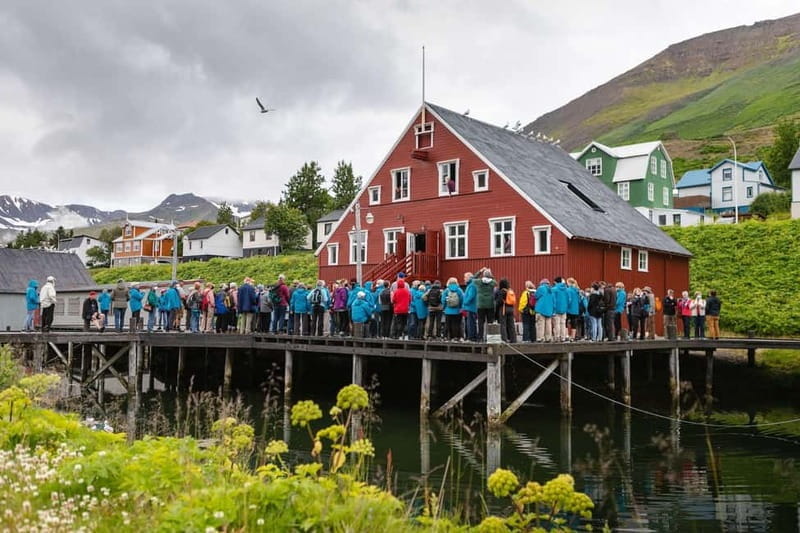
The experience begins with Róaldsbrakki, a Norwegian herring station from 1907, painstakingly preserved to mirror how it looked when herring girls worked there during summers. Walking through, I appreciated how the building feels like a portal into a different time, with simple yet effective displays illustrating the seasonal work that drove this industry.
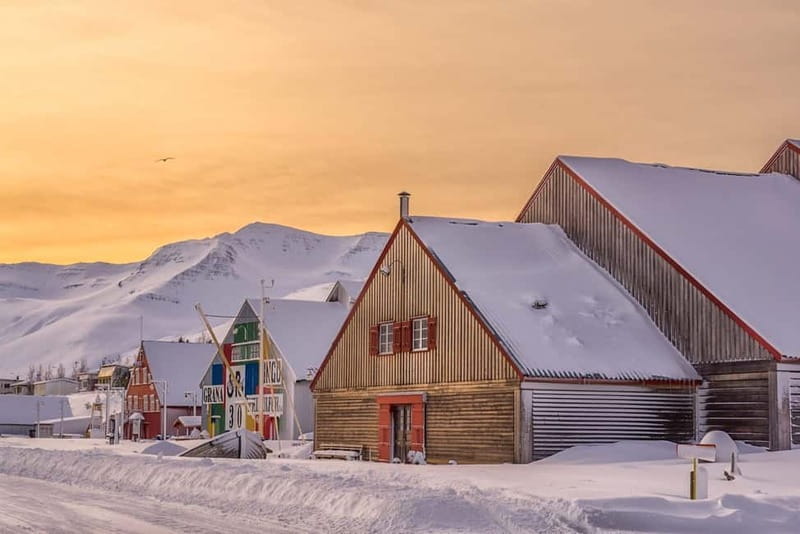
Next, Grána showcases a small 1930s factory, offering insight into the reduction industry — Iceland’s first major industry, and pivotal for the country’s development. Here, you get a glimpse of how herring was processed, canned, and exported, which underscores the scale and sophistication of Icelandic fishing operations at the time.
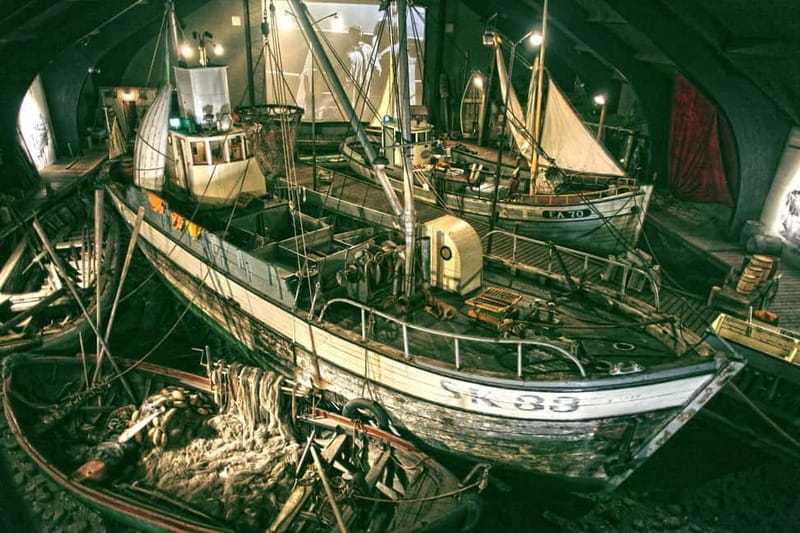
Finally, the Boathouse recreates a 1950s port scene. Standing among the recreated quayside, I could almost hear the hustle of port workers and see the boats bobbing in the water. It’s an immersive environment that wraps the history in a lively context.
Why These Buildings Matter
What makes this museum particularly compelling is how each building tells a different part of the story. Róaldsbrakki reflects the Norwegian influence and the seasonal nature of herring fishing, while Grána highlights technological progress. The Boathouse captures the port’s vibrant atmosphere, completing the narrative of a thriving industry.
The museum’s recognition — winning the Icelandic Museum Award in 2000 and the European Museum Award in 2004 — isn’t just for show. It’s a testament to how well the exhibits are curated and how effectively they tell a story that’s both local and globally significant.
More Great Tours NearbyTasting the Past at the Herring Café
A highlight not to miss is the Herring Café, where you can sample traditional herring dishes and indulge in home-baked cakes and sweets. It’s an excellent way to connect with the culinary heritage of Icelandic fishing towns. The café’s menu reflects how herring was not only an industrial product but also a staple in local diets.
Practical Tips for Visiting
- Timing matters: The museum is open daily from May to September; visiting during these months ensures full access and outdoor activities.
- Check availability: If visiting in the off-season, you’ll want to schedule your visit by appointment.
- Saturday visits offer extra entertainment, including outdoor salting demonstrations and accordion dancing, which add a lively, authentic touch.
- Allow at least 2 hours for a thorough visit, especially if you plan to enjoy the café and watch the outdoor shows.
- Consider a guided tour: While not necessary, guides like “The Herring Era Museum” staff can deepen your understanding with anecdotes and insights.
Who’s This For?
This museum suits travelers interested in maritime history, Icelandic culture, or unique industrial stories. It’s especially good for those who love authentic, hands-on exhibits and local flavors. Families, history buffs, and even casual visitors will find something memorable here. Keep in mind, if you’re traveling in the shoulder seasons, check in advance about access.
The Value of Visiting Siglufjordur’s Herring Museum
The Herring Era Museum offers a well-rounded, authentic experience that goes beyond just looking at old boats. It immerses you in the story of how a small Nordic town became a major player in global fishing markets. The combination of historic buildings, interactive displays, and cultural touches makes it a worthwhile stop. It’s particularly valuable for travelers wanting a deeper understanding of Iceland’s economic roots, set against a stunning natural backdrop.
The ticket price includes access to all buildings, optional outdoor shows, and the chance to taste local cuisine, which adds to the overall value. Though the site is best during the warmer months, planning ahead ensures you won’t miss out on the full experience.
Who Should Visit?
If you’re keen on maritime history, enjoy cultural storytelling, or simply want a break from natural sights with some educational fun, this museum is worth your time. It’s also a good choice for those interested in seeing how Iceland’s industry shaped its society and economy.
FAQs
Is the ticket valid for just one day?
Yes, your ticket is valid for one day, so plan to explore the museum fully during that time. Check the opening hours and availability beforehand.
Are outdoor shows included?
Yes, the outdoor salting show and accordion dance are included but only happen on Saturdays, so plan accordingly if you want to see those.
Can I visit in the off-season?
Yes, but by appointment only from October 1 to April 30, so you’ll need to schedule your visit in advance.
Is the museum suitable for children?
Absolutely. The interactive exhibits and authentic buildings make it engaging for all ages, especially if accompanied by adults.
How long should I plan for the visit?
Allow at least two hours to see all three buildings and enjoy the café, plus extra time if you want to watch outdoor shows.
Is there any guided tour available?
The experience is self-guided, but staff are available in English and Icelandic to answer questions.
What should I wear?
Plan for Iceland’s weather — layers, waterproofs, and sturdy shoes are recommended, especially if you want to explore outdoor parts.
How accessible is the museum?
The main attractions are accessible, but as it involves outdoor and historic buildings, some areas might be less so; check in advance if you have specific needs.
To sum it up, the Siglufjordur Herring Era Museum offers a compelling, authentic peek into a vital chapter of Icelandic history. It’s a visit that combines cultural insight, historical curiosity, and local flavor. Perfect for those who want to understand Iceland’s maritime roots while enjoying a scenic, charming town. With thoughtful exhibits, lively reenactments, and delicious local food, it remains a highlight for travelers exploring Iceland’s less-explored coastal stories.
You can check availability for your dates here: