
Reviewing a visit to Shrewsbury Prison offers a fascinating look into the UK’s penal past, from the Victorian era to more recent history. This experience combines a guided tour led by a prison officer with time to explore the museum artifacts at your own pace, all within the atmospheric walls of a historic prison. I love how the guides, such as Graham and Charlotte, bring stories to life with passion and detailed knowledge—your understanding of prison life is likely to deepen with each story. The chance to see the execution rooms and historic cells makes it more than just a walk-through; it’s an eye-opening glimpse into a world many prefer to forget. A potential downside is the coldness behind the thick stone walls, which guides often mention; dressing warmly is definitely advisable, especially if you plan to linger.
One aspect I particularly appreciate is the balance of history and authentic experience. You’ll walk through the Victorian wings, imagining what it was like for the prisoners, officers, and visitors, while also learning the fascinating stories of executioners like Albert Pierrepoint. The self-guided tour included in the ticket is perfect if you want to explore the artifacts and prison layout in more detail after the guided part. On the other hand, the limited duration of 1.5 hours might feel a bit rushed if you’re keen to absorb every detail, especially considering the wealth of stories and sights.
All in all, if you’re interested in criminal justice history, architecture, or simply enjoy immersive storytelling, this tour offers a value-packed experience. It’s ideal for history buffs, curious travelers, and those interested in the darker, lesser-seen sides of Britain’s past. The high ratings—4.8 out of 5 from 28 reviews—reflect how well this experience resonates with visitors, many praising the knowledge and enthusiasm of the guides.
Key Points / Takeaways
Authentic storytelling by experienced prison officers makes the tour engaging and memorable.
Access to historic cells and execution rooms offers a rare peek into how justice was carried out in the past.
Self-guided exploration is included, allowing you to linger over artifacts and the prison layout at your own pace.
Interesting details like the B.O.S.S. chair and the story of Albert Pierrepoint add depth to the experience.
The guides’ passion shines through, with reviewers frequently mentioning Graham and Charlotte for their knowledge and engaging manner.
The entire visit is wheelchair accessible, ensuring everyone can enjoy the history.
The Experience: Walking Through a Living Piece of History

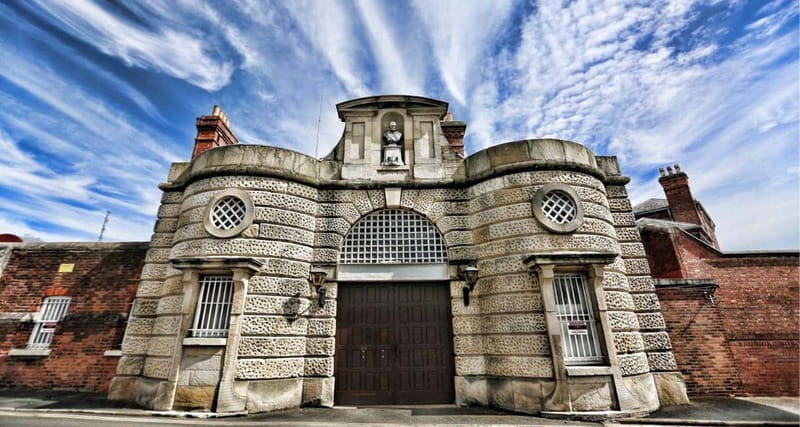
Visiting Shrewsbury Prison is not just a walk through old stone corridors; it’s a chance to step into the shoes of those who lived and worked behind bars. The guided tour starts at the visitor center, where a friendly staff member helps you find the right starting point. Once inside, you’re greeted by the imposing metal gates and the faint echo of footsteps from the past. It’s immediately clear this is no ordinary historic site—it’s a place where stories of punishment, reform, and justice unfold in the shadows of towering walls.
Loving the local insights? Here are more guided experiences we recommend in Shrewsbury
The Guided Tour: A Deep Dive into the Past
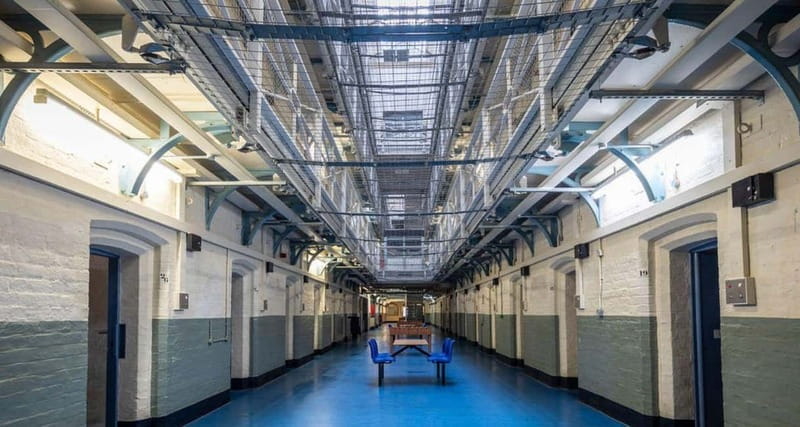
Led by a prison officer, the tour covers the key areas of the prison—two Victorian wings with cells for both men and women, the reception area, and the exercise yards. The guide’s expertise shines as they explain how A Wing was built to house 350 men in 172 cells, while C Wing was originally designed for female prisoners until 1921. As you walk the narrow landings, you’ll get a vivid sense of what it was like to be locked behind those steel doors, imagining the daily routines and struggles.
The reception area is especially intriguing with the B.O.S.S. chair—a device used to scan body orifices—highlighting the darker sides of prison security. The exercise yards are surrounded by high walls and netting, which might seem odd at first, but have practical origins—designed to prevent prisoners from escaping or throwing objects. According to reviews, many visitors find it fascinating to hear that prisoners might have always walked clockwise in the yards, adding a quirky detail to the routine of incarceration.
The Darker Corners: Justice and Execution
One of the most powerful parts of the tour is the section on executions. Stepping into the executioner’s bedroom, you’re reminded that these were real people with lives before and after the condemned. The execution room itself is especially haunting—where eight men lost their lives, including the last man to be hanged here, George Riley, in 1961. Tour guides often recount the stories of Albert Pierrepoint, the world’s most famous executioner, who would have stayed in the very room you stand in, preparing for his grim work.
Talking about public executions and the subsequent abolition in 1965 gives perspective on how societal views on justice and punishment evolved. Many visitors comment on how these stories, shared with sensitivity and clarity, transform an otherwise grim subject into compelling history.
Artifacts and the Museum: A Closer Look
The self-guided portion of your visit allows for an exploration of artifacts from former inmates—things like personal belongings, photographs, and tools used inside the prison. This part offers a more personal connection to the stories told during the guided tour, and many reviews praise the well-curated displays as a highlight.
More Great Tours NearbyPracticalities and Value
The ticket price covers both the guided tour and unlimited access to the museum artifacts, which is excellent value for a 1.5-hour experience. The tour is suitable for wheelchair users and offers a restaurant on-site, perfect for a quick bite or a coffee break. The availability varies, so it’s wise to check in advance, especially during busier times.
Who This Tour Will Suit

This experience is perfect for history lovers, especially those intrigued by the criminal justice system or Victorian architecture. It’s also a good fit for families with older children interested in stories of justice and punishment, or anyone curious about the darker chapters of British history. If you’re after a lighthearted or superficial visit, this might not be for you—there’s a lot to take in and reflect on.
Practical Tips for Visitors
- Dress warmly; the thick walls make it quite cold, even on sunny days.
- Arrive early to explore the museum artifacts at your leisure.
- Wear comfortable shoes; the landings and yards are uneven.
- Book in advance, especially during peak times, to ensure a spot.
- Take time to read the artifacts and reflect on the stories—they add depth to the guided narrative.
Price and Logistics
At around 1.5 hours, the tour offers a comprehensive glimpse into the prison’s past at a reasonable price, especially considering the included museum access. The tour’s small group size (guided by a knowledgeable prison officer) ensures you’ll get plenty of personal attention and answers to your questions.
The meeting point is straightforward—the main gates lead to the visitor center, where staff help you find your guide. The tour ends back at the entrance, making logistics simple for planning your day.
Is It Worth It?

Absolutely, if you’re looking for an authentic, immersive experience that combines storytelling, history, and tangible artifacts. The knowledgeable guides, often praised for their enthusiasm—like Graham and Charlotte—make all the difference in making the experience memorable. The dark stories of executions and the atmosphere of the historic building provide a visceral sense of what life was like inside.
While it might be a bit chilly or intense for very young children, older teens and adults will find this tour both educational and deeply engaging. Considering the reviews and the detailed content, it offers good value for the price, especially if you’re interested in authentic, human stories from the past.
The Sum Up
The Shrewsbury Prison Guided Tour and Museum Access is a standout experience for anyone curious about penal history, Victorian architecture, or true crime stories. The mix of guided narration and self-guided exploration allows you to connect with the past on multiple levels. The guides’ passion and knowledge, combined with haunting artifacts and atmospheric locations, make it a memorable visit.
This tour is especially well-suited for history enthusiasts, those wanting to understand Britain’s justice system, or travelers with a taste for the darker side of history. It’s a meaningful, thoughtful experience that balances storytelling with authentic sights, making it an excellent addition to your Shrewsbury visit.
FAQ

Is the tour suitable for wheelchair users? Yes, the tour is wheelchair accessible, allowing everyone to enjoy the experience.
How long does the tour last? The guided tour lasts about 1.5 hours, with additional time for the self-guided exploration.
Can I explore the museum artifacts at my own pace? Yes, your ticket includes access to the museum, where you can browse artifacts before or after the guided tour.
Are there food options on-site? Yes, there is an onsite restaurant offering hot and cold food, drinks, and homemade cakes.
Is booking required? It’s recommended to reserve your spot in advance to guarantee availability, especially during busy times.
What should I wear? Dress warmly, as the inside of the prison can be quite cold, even during sunny days.
Are the tours available in languages other than English? The tour is primarily in English; check with the provider if other language options are needed.
What’s the best time to visit? Check availability and consider visiting during quieter times if you prefer a less crowded experience.
Can I take photos inside the prison? The provided information doesn’t specify restrictions, but often museums allow photos in public areas—look for signage or ask your guide.
Is this experience good for families? Yes, especially for older children interested in history and stories of justice; younger children might find some topics intense.
This detailed visit to Shrewsbury Prison promises an authentic, engrossing journey into Britain’s penal past—think of it as stepping into a real-life crime story told by those who lived it.
You can check availability for your dates here: