
Review of “Saved Art. Masterpieces beyond the war from the MuMA in Le Havre”
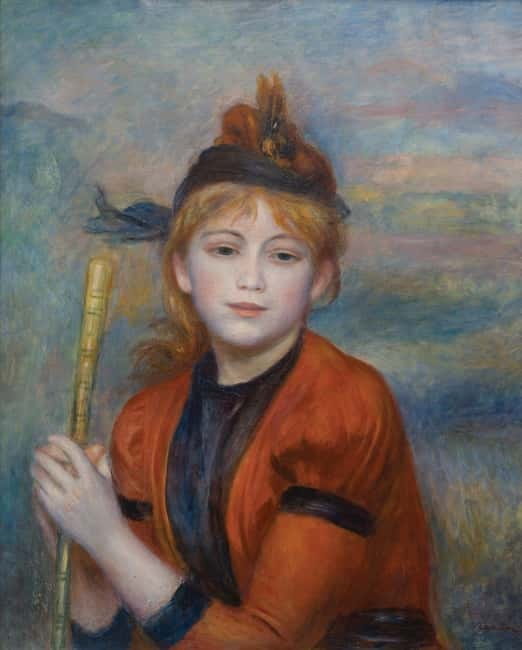
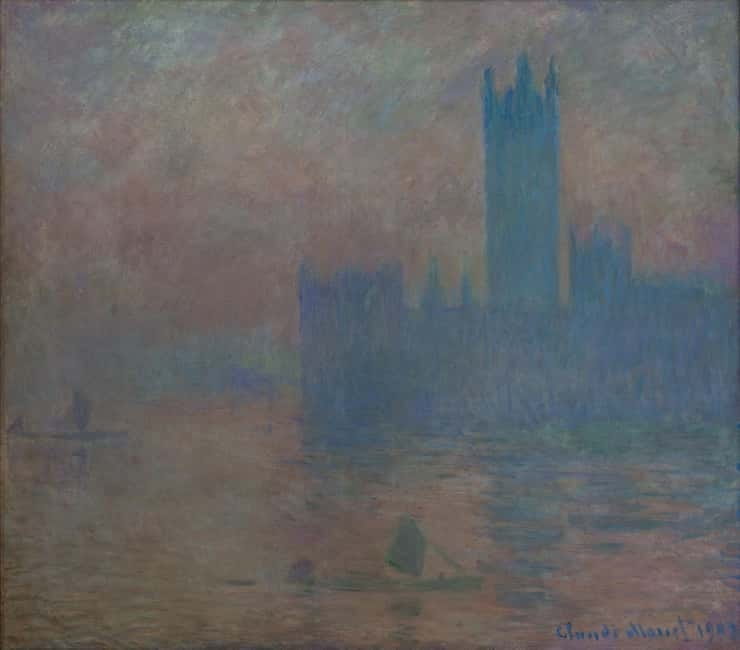
This new exhibition at M9 – Museo del ‘900 in Venice Mestre offers a rare glimpse at French Impressionist and Fauve paintings that survived the devastation of WWII. For the first time in Italy, you can see over 50 masterpieces from the MuMa in Le Havre, including works by Monet, Renoir, Gauguin, and Braque. It’s a poignant reminder of how art can be both a symbol of resilience and a bridge between past and present.
Two things I particularly appreciate about this show are its deep symbolic significance—highlighting the importance of protecting cultural treasures—and its thoughtful curation by Marianne Mathieu, a renowned expert in Impressionism. The exhibition is thoughtfully designed to make you reflect on the stories behind these works and the city of Le Havre’s extraordinary rebuilding after wartime destruction.
One potential drawback is that the exhibition is temporary and relatively small—just over 50 works—so it may feel limited compared to larger museum collections. However, what you lack in size, you gain in meaningfulness and exclusivity. Remember, this is a one-of-a-kind chance to view these paintings outside France, making the visit quite special for art lovers and history buffs alike. Be sure to check the available start times and plan accordingly.
Key points / Takeaways
- First-ever Italian display of MuMa’s impressionist and post-impressionist masterpieces saved from WWII.
- Symbolic connection between Le Havre and Venice, emphasizing resilience and cultural memory.
- Expert curators Marianne Mathieu and Geraldine Lefebvre ensure a well-informed, meaningful experience.
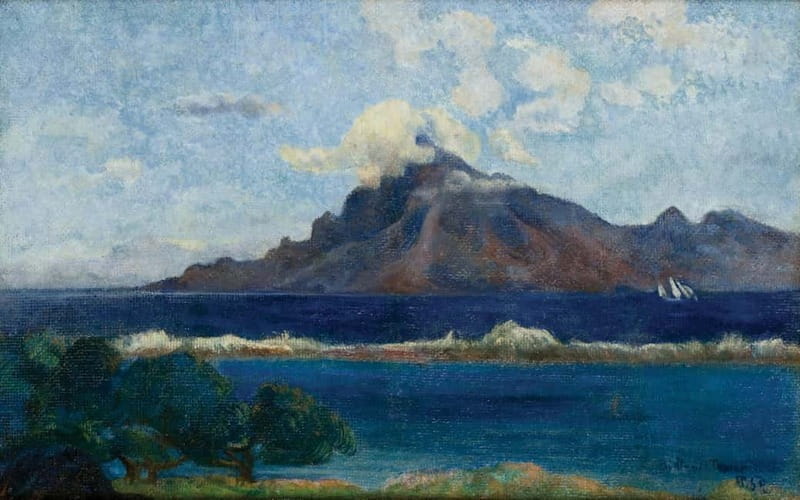
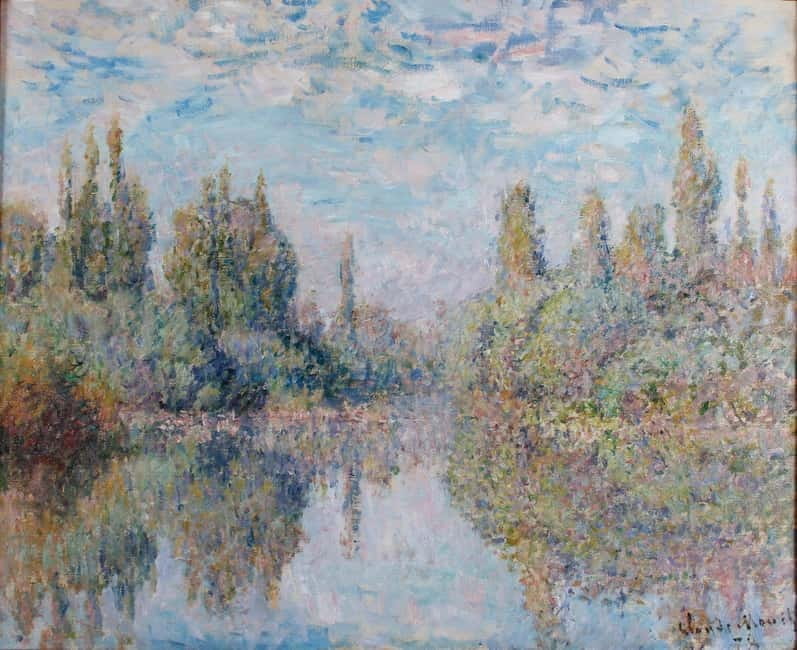
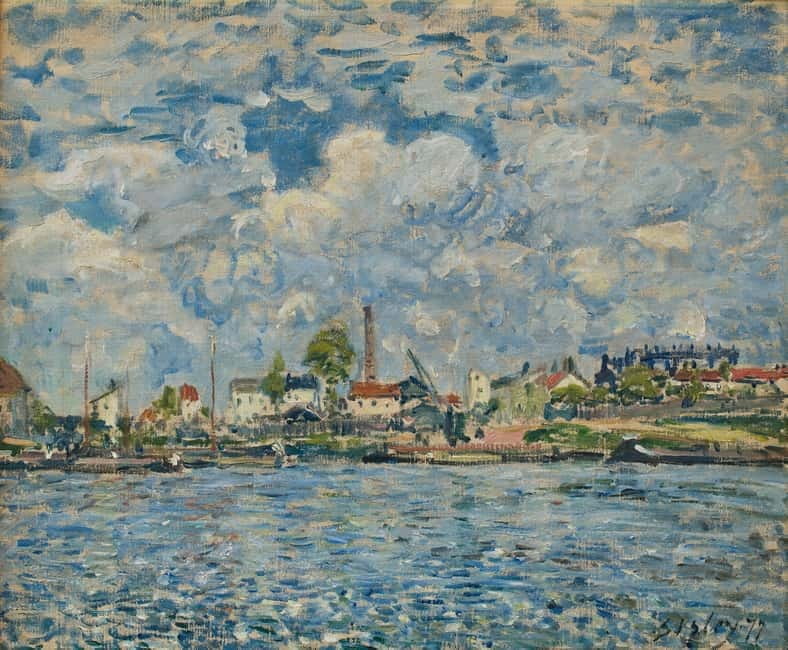
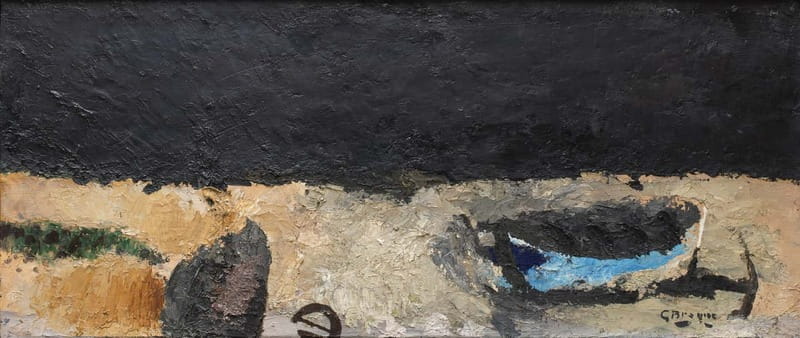
- Includes works by Monet, Renoir, Gauguin, Braque, Sisley, Dufy, Marquet, Boudin, offering a rare opportunity to view these iconic artists’ works in Italy.
- Exhibition runs from March 15 to August 31, so plan your visit accordingly.
- Part of the 80th-anniversary celebrations marking WWII’s end, adding extra historical weight.
Exploring the Exhibition: Art, Rebirth, and Reflection
You can also read our reviews of more tours and experiences in Mestre.
Entering the Exhibition at M9
Walking into M9, you’re immediately struck by the thoughtful placement of works in a space that combines modernity with respect for the art. The exhibition is housed within Italy’s premier museum dedicated to 20th-century art, making it a fitting setting for these masterpieces. As you start, you’re greeted with an overview of Le Havre’s history—built from the ruins of WWII—and its role in safeguarding these artistic treasures.
The Significance of the Collection
The core of the exhibition is a collection lent by the MuMa, the André Malraux Museum of Modern Art in Le Havre. This collection is considered France’s most important outside Paris for Impressionist paintings. The artworks survived the bombing of Le Havre in September 1944—an event that razed the city—and are now symbols of cultural resilience.
The curators, especially Marianne Mathieu, emphasize the “passing of the baton” between the two cities, reinforcing how art can foster collective memory and healing. The connection isn’t just visual but emotional—these works stand as reminders of both destruction and rebirth.
What You’ll See
The exhibition features more than 50 paintings from the late 19th and early 20th centuries, including works by Monet, Renoir, Gauguin, and Braque. You might see Monet’s Water Lilies, Renoir’s warm figurative scenes, Gauguin’s bold post-impressionist uses of color, and Braque’s early Cubist experiments. There’s also a special section dedicated to photographs and documentaries that explore the rebuilding of Le Havre, offering a broader context that ties art and history tightly together.
More Great Tours NearbyThe Experience of Viewing These Works
What makes this exhibition stand out is not just the rarity of the works but their survivor stories. As Marianne Mathieu explains, these paintings represent “an ideal passing of the baton,” linking the past with today’s viewers. Many reviews praise the “knowledgeable guides,” and although guided tours are not included, the curated labels provide enough insight to understand each piece’s importance.
The Setting and Logistics
The exhibition is accessible and well-organized, with wheelchair accessibility and clear signage. Since guided tours are not included, I recommend doing a little homework before your visit, especially if you’re an art enthusiast wanting to dig deeper into each artist’s background. The ticket price offers good value considering the significance of the artworks and the emotional weight behind them.
Who Will Love This?
This experience is perfect for art lovers seeking a meaningful connection to WWII history, those interested in Impressionism and Post-Impressionism, and anyone curious about how art survives and inspires after tragedy. It’s also an ideal stop for visitors to Venice who want a reflective, culturally rich activity off the usual tourist trail.
Price and Logistics
The ticket includes entry to the exhibition only, with no guided tour, which keeps costs reasonable. The exhibition runs from March 15 to August 31, making it a flexible option during your Venice stay. Since the experience is in Mestre, just a quick tram or bus ride from central Venice, it’s easy to incorporate into a day trip.
Practical Tips for Visiting
- Check the starting times and plan to arrive early or later in the day to avoid crowds.
- Reserve your ticket in advance, especially during peak months, to ensure entry.
- Wear comfortable shoes and plan for about an hour or two to explore thoroughly.
- Bring a notebook or camera (if permitted) to capture details or jot down impressions.
Who Should Consider Visiting?
This exhibition is best suited for those who value meaningful art experiences—not just viewing masterpieces but understanding their stories. Art historians, students, or travelers with an interest in WWII history will find it particularly engaging. If you’re looking for a quick, surface-level museum visit, this might be more than you need. But if you want to walk away with a deeper appreciation, this exhibition delivers.
The Sum Up
“Saved Art. Masterpieces beyond the war from the MuMA in Le Havre” offers more than just a display of beautiful paintings. It’s a story about survival, resilience, and hope told through the lens of Impressionism and Fauvism. The carefully curated selection and the symbolic importance of the collection give this experience a palpable emotional weight, making it a compelling visit for anyone interested in the intersection of art and history.
If you’re in Venice Mestre and have an afternoon free, I highly recommend making the short trip to M9 for this exhibition. It’s a rare chance to see works that survived the chaos of WWII, and it serves as a powerful reminder of how art can be a beacon of hope amid destruction. This isn’t just about viewing paintings; it’s about connecting with a story of rebirth that continues to resonate today.
FAQ
Is the exhibition suitable for children?
While there are no specific restrictions, children might find the focus on WWII and the historical context less engaging unless they have a keen interest in history or art.
How long does the visit typically take?
Most visitors spend about an hour to explore the artworks and read the labels, but you can take more or less time depending on your interest level.
Can I buy tickets on the day of my visit?
Yes, but it’s recommended to reserve in advance online to guarantee entry, especially during busy periods.
Is guided tour available?
Guided tours are not included in the ticket price, but you might find options to book a guide separately.
Are the artworks protected from light and humidity?
The museum maintains high standards to preserve artworks, so you can enjoy the pieces in a controlled environment.
What is the best time to visit to avoid crowds?
Early mornings or late afternoons tend to be quieter, but check the museum’s schedule for peak times.
Is there an audio guide available?
The information provided emphasizes labels and curatorial notes; check with the museum ahead if an audio guide is available.
How accessible is the exhibition for wheelchair users?
The museum states that it is wheelchair accessible, making it easier for visitors with mobility needs to enjoy the show.
Can I take photographs?
Photography policies are not specified, but generally, museums restrict flash photography and sometimes prohibit photography altogether. Check at the entrance.
What makes this exhibition stand out compared to others in Venice?
It’s the only exhibition in Italy featuring these specific masterpieces from Le Havre’s MuMa, coupled with the emotional and historical narrative of art’s resilience after WWII.
This exhibition at M9 offers a special opportunity to engage with stunning art stories that go beyond brushstrokes—reminding us that beauty and hope can be preserved even amid chaos. Perfect for anyone seeking a meaningful, insightful experience away from the bustling tourist spots.
You can check availability for your dates here: