
Tucked away in the heart of Tokyo, Ryogoku is the epicenter of Japan’s revered sumo wrestling tradition. Here, visitors can enjoy the rich history and vibrant culture of this ancient sport. From witnessing intense training sessions to savoring the hearty chanko-nabe stew that fuels the wrestlers, exploring Ryogoku offers a truly authentic experience. But beyond the spectacle, this unique neighborhood holds secrets waiting to be uncovered – secrets that reveal the deep-rooted significance of sumo in Japanese society.
Key Points
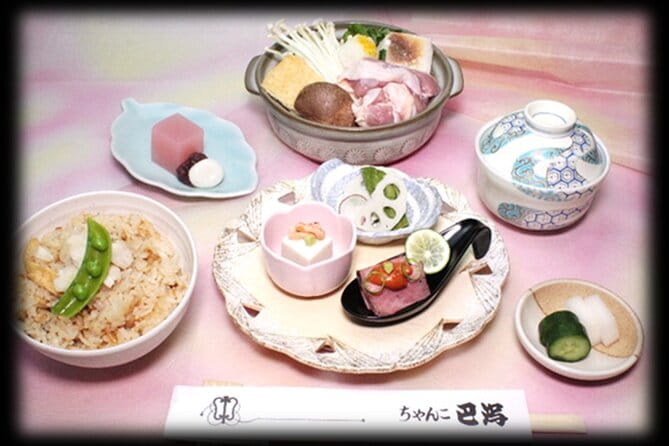
- Ryogoku has served as the epicenter of sumo wrestling in Japan for centuries, home to the national sumo stadium and numerous sumo stables.
- Sumo wrestlers adhere to a strict code of conduct, including early morning training sessions and communal living in stables to foster unity.
- Chanko-nabe, a nutrient-dense stew, is a staple meal for sumo wrestlers, providing sustained energy for their intensive workouts and matches.
- Visitors can enjoy the sumo experience by witnessing authentic practice or matches, and even enjoying a chanko-nabe lunch.
- Ryogoku also offers a rich cultural heritage, with architectural landmarks like the Ryogoku Kokugikan and the Edo-Tokyo Museum, as well as serene gardens and a specialized sumo merchandise store.
Ryogoku: The Heart of Sumo in Tokyo
Nestled in the heart of Tokyo, Ryogoku is known as the epicenter of sumo wrestling in Japan. Home to the Kokugikan – the national sumo stadium – and several sumo stables, this district has been the traditional hub of the sport for centuries.
Sumo wrestlers, or rikishi, live and train here, following the sport’s ancient rituals and traditions. Visitors can witness the unique culture firsthand by attending sumo tournaments, visiting sumo stables, and dining on the hearty chanko-nabe stew that fuels the wrestlers.
Ryogoku’s deep connection to sumo makes it a must-visit destination for anyone interested in this venerable Japanese pastime.
Fascinated by Tokyo's past? More historical tours we've covered
Sumo Stable Traditions and Training
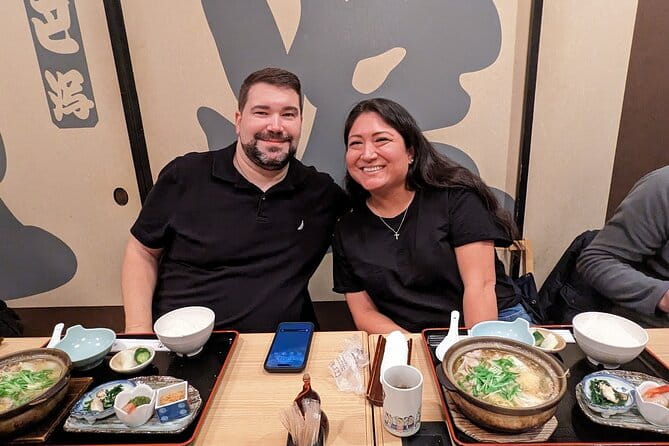
Beyond the vibrant energy of Ryogoku’s sumo culture lies the intriguing traditions and rigorous training regimes of the sumo stables.
Sumo wrestlers, known as rikishi, adhere to a strict code of conduct and daily routines that have been passed down for generations.
This includes:
- Waking up as early as 4 AM for intensive training sessions
- Eating the stew-like meal of chanko-nabe to maintain their massive bulk
- Undergoing spiritual rituals and ceremonies to purify the body and mind
- Living in communal stables with their coach and fellow wrestlers to foster unity
Chanko-Nabe: The Staple Meal of Sumo Wrestlers
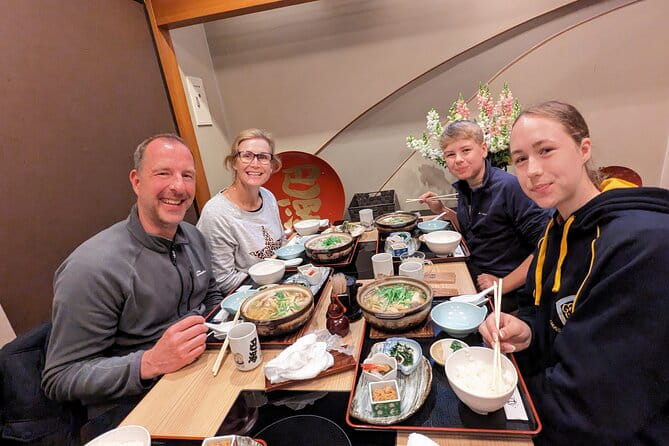
Chanko-nabe, the hearty stew that nourishes sumo wrestlers, is a central part of their rigorous training regimen.
This protein-packed, nutrient-dense dish is a staple in the daily diet of these elite athletes. Packed with an array of vegetables, meat, and tofu, chanko-nabe provides the sustained energy and nourishment required to fuel their intense workouts and matches.
The communal preparation and shared meal reinforces the camaraderie and team spirit within each sumo stable.
For visitors, sampling chanko-nabe offers a unique window into the traditions and lifestyle of Japan’s iconic wrestlers.
The Sumo Match Experience in Ryogoku
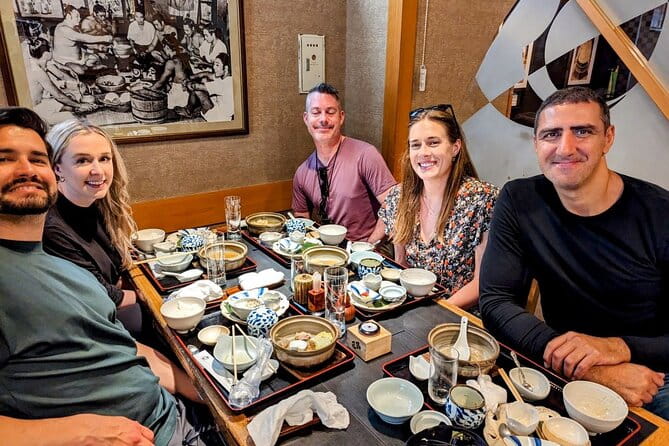
While Ryogoku is renowned as the heart of Japan’s sumo wrestling culture, the opportunity to witness the sport’s captivating matches firsthand is a unique experience that draws visitors from around the world.
This immersive tour offers:
- Authentic sumo practice or match viewing
- A behind-the-scenes look at the sumo stable
- Insightful commentary from an expert guide
- A delicious chanko-nabe lunch, the staple of sumo wrestlers
With limited group sizes and convenient transportation, this experience provides an unparalleled glimpse into the traditions and rituals of Japan’s national sport, making it a must-do for any traveler in Ryogoku.
Exploring Ryogoku’s Unique Architecture and Landmarks
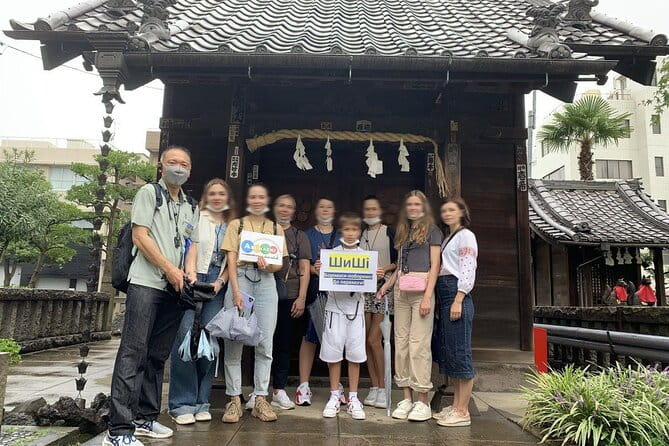
Ryogoku’s architectural landscape is a captivating blend of historic and modern structures, each offering a unique window into the town’s rich heritage.
The iconic Ryogoku Kokugikan, home to the grand sumo tournaments, stands as a testament to traditional Japanese design, with its distinctive curved roofs and ornate detailing.
Nearby, the imposing Edo-Tokyo Museum showcases the region’s storied past through its innovative architecture, blending contemporary elements with the area’s historical significance.
Visitors can also explore the charming Kiyosumi Gardens, where serene ponds and meticulously manicured landscapes provide a peaceful respite from the bustling town.
Here are more great tours and experiences we've reviewed in Tokyo
Discovering Sumo-Related Museums and Shops
Alongside the iconic Ryogoku Kokugikan, visitors can discover a wealth of museums and specialty shops that explore the captivating world of sumo wrestling.
These include:
- The Sumo Museum, showcasing centuries-old artifacts, costumes, and insights into sumo’s rich heritage.
- The Sumo Experience, where visitors can try on authentic sumo attire and learn about the sport’s traditions.
- Ryogoku Shou-butsuden, a shop specializing in sumo-related merchandise, from handcrafted figurines to traditional ceramics.
- Ryogoku Shitamachi Museum, exploring the neighborhood’s history and its connections to the sport of sumo.
These immersive experiences offer a deeper appreciation for the cultural significance of sumo wrestling in Ryogoku.
Taking in the Vibrant Sumo Culture
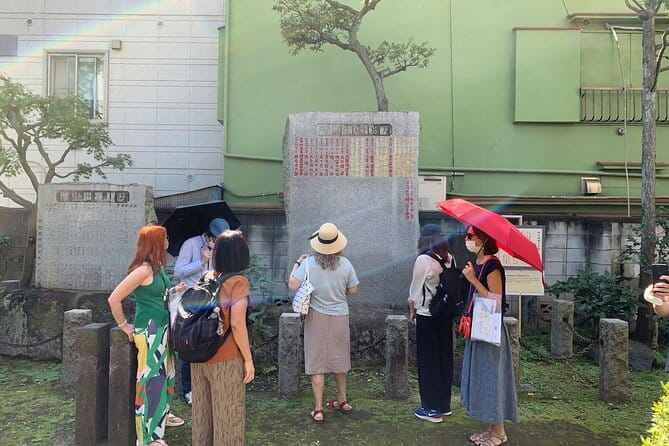
Beyond the museums and shops, visitors can fully enjoy Ryogoku’s vibrant sumo culture.
The highlight is attending a sumo practice or match, where they can witness the sport’s discipline and athleticism up close.
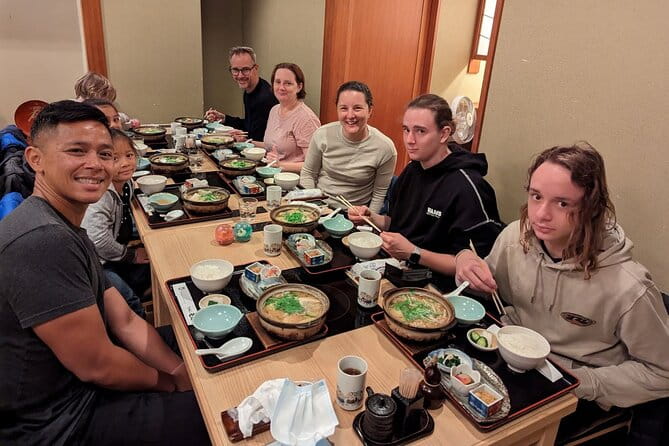
Travelers also enjoy a traditional chanko-nabe lunch, the staple meal of sumo wrestlers.
Sipping local alcoholic beverages, they learn about sumo customs and history from knowledgeable guides.
This immersive experience, with hotel pick-up and drop-off, provides a well-rounded introduction to the fascinating world of sumo wrestling in its spiritual home of Ryogoku.
The Significance of Ryogoku in Preserving Sumo Heritage
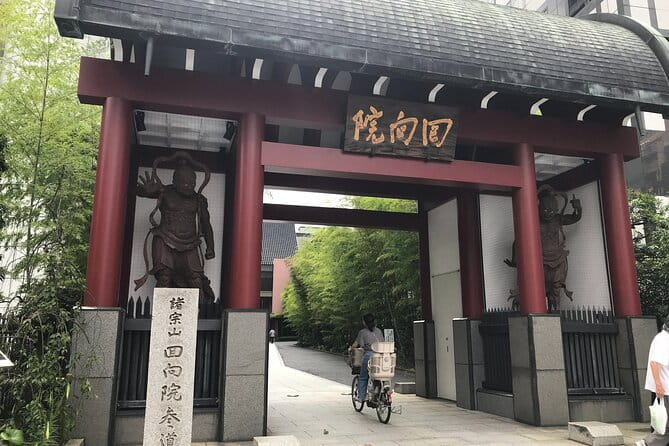
As the historic heart of sumo wrestling in Japan, Ryogoku has played a vital role in preserving the sport’s rich heritage.
Serving as the base for many prominent sumo stables and training facilities, this vibrant district has nurtured generations of sumo wrestlers.
The area is home to:
- The Ryogoku Kokugikan, the primary venue for professional sumo tournaments
- Chanko-ya, restaurants that serve the traditional sumo wrestler’s diet of hearty chanko-nabe stew
- The Sumo Museum, which showcases the sport’s storied past
- The annual Honozumo exhibition matches, a hallmark of Ryogoku’s living sumo culture
Frequently Asked Questions
Is the Tour Wheelchair Accessible?
No, the tour is not wheelchair accessible. According to the tour details, it states "Not wheelchair accessible." Travelers with mobility issues may have difficulty participating in this sumo-viewing experience.
Can Infants Participate in the Tour?
Infants can participate in the tour, but they must sit on a lap. The tour is not wheelchair accessible, but it is near public transportation, and most travelers can participate.
Are Alcoholic Beverages Included in the Tour Price?
Yes, alcoholic beverages are included in the tour price. The overview states the tour "includes chanko-nabe lunch, alcoholic beverages, hotel pick-up and drop-off," so alcoholic drinks are part of the overall experience.
What Is the Maximum Group Size for the Tour?
The maximum group size for the tour is 8 travelers. The tour includes hotel pick-up and drop-off, a chanko-nabe lunch, and alcoholic beverages, and is recommended by 100% of its 18 reviewers.
Is There a Free Cancellation Policy?
Yes, there is a free cancellation policy for this tour. According to the details, travelers can cancel up to 24 hours before the experience starts without incurring any charges.
The Sum Up
Ryogoku’s rich sumo heritage and vibrant culture offer visitors an immersive experience. From witnessing intense training sessions to indulging in the hearty chanko-nabe stew, Ryogoku celebrates the discipline and camaraderie of this traditional sport. Exploring the iconic Kokugikan stadium, sumo-related museums, and unique architecture provides a deeper appreciation for sumo’s significance in preserving Japan’s cultural legacy.
More Lunch Experiences in Tokyo
- 5-Hour Tokyo & Edo Hidden Gem Bike Tour With Lunch
- TSUKIJI Market Deep Dive & Lunch (Optional GINZA Tour & Tea)
- Mt FUJI – Panoramic Tour W/ Hoto Lunch, JP Sake & Onsen Tatto OK!
- Nagano Snow Monkey 1 Day Tour With Beef Sukiyaki Lunch From Tokyo
- Mt Fuji Lake Kawaguchi Oshino Hakkai Gotemba | Tokyo With Lunch
- Restaurant Bus Tokyo With Japanese Lunch and Zazen Experience
More Historical Tours in Tokyo
- Learnig History of Tokyo in Depth With a Certified Tour Guide
- Explore the Culture and History of Nikko With This Private Tour
- 1 Day Tour Explore Nikko’s World Heritage and National Park
- Old Tokyo History Coffee Gardens and Traditional Street Food
- Asakusa: Japanese Kitchen Knife Store Visits After History Tour
- Day Trip To Historic Kawagoe From Tokyo
More Tour Reviews in Tokyo
Not for you? Here's more things to do in Tokyo we have recnetly reviewed
- Tokyo Private Half Day Tour With Licensed Guide by Car
- Tokyo City Cherry Blossom Private Sightseeing Tour
- 1 Day Tokyo Private Tour With English Speaking Guide
- Audio Guide Tour in The East Gardens of the Imperial Palace
- Private Karuizawa, Nagano Tour – Bilingual Chauffeur
- Sunday Morning JDM Experience
- Mt. Fuji 5th Station and Hakone Day Tour From Tokyo
- True Tokyo Luxury Shopping Private Tour
- Discover Your Tokyo -Private Tokyo Customized Walking Tour-
- Simple and Fun to Make Inari Sushi Party in Tokyo
- JDM Daikoku Car Meet GTR35 600HP to Famous Spot
- Experience of Large Calligraphy Performance in Asakusa Tokyo