
Exploring Romania through a carefully crafted 7-day private tour offers an unmatched way to see the country’s most treasured sights without the hassle of planning or navigating on your own. From the bustling medieval streets of Sibiu to the peaceful wooden churches of Maramures and the painted monasteries of Bucovina, this journey covers a lot of ground—and a lot of history, culture, and stunning scenery. It’s a good choice if you’re after an immersive experience that combines comfort with authentic flavor and expert guidance.
What I particularly appreciate about this tour is the combination of iconic attractions and lesser-known gems, all brought to life by a knowledgeable guide. The tour’s inclusion of UNESCO World Heritage Sites like the painted monasteries and wooden churches means you’re seeing some of Eastern Europe’s finest religious art and architecture. Plus, the itinerary is thoughtfully designed to balance sightseeing with time to absorb the local atmosphere. The second big plus? The reviews praise the guide, Bogdan, for his enthusiasm and deep knowledge, which makes the experience far more engaging and memorable.
On the flip side, one thing to consider is the cost—at over $1,600 per person, it’s on the higher end, but you’re paying for convenience, expert guiding, and a carefully curated route. Also, some of the sights involve entrance fees (around 50 Euros total) that aren’t included, so planning for those extra costs is a good idea. Still, many travelers find that the value, comfort, and depth of experience more than justify the price.
In short, if you’re looking for a well-organized, insightful adventure that takes the stress out of traveling through Romania’s diverse regions, this tour delivers. It’s especially suited for those who want to see a broad swath of Romanian culture and landscapes without the hassle of self-driving or extensive research—plus, it’s good for history buffs, architecture lovers, and anybody eager for authentic local experiences.
Key Points / Takeaways
- Comprehensive Route: Covers Romania’s UNESCO sites, medieval towns, wooden churches, and mountain landscapes in just 7 days.
- Expert Guide: Bogdan, the guide, earns rave reviews for his knowledge and enthusiasm, making each site come alive.
- Authentic Experiences: Visits artisan workshops, tastes regional cuisine, and explores local customs—beyond just sightseeing.
- Comfort and Convenience: All transportation is in air-conditioned vehicles, with hotels, some meals, and skip-the-line access included.
- Cultural Depth: The tour emphasizes Romania’s unique blend of influences—Romanian, Saxon, Moldavian—and its well-preserved traditions.
- Cost vs. Value: Roughly $1,615 per person, including lodging and some meals, but excluding entrance fees. Many find this offers good value for a guided, all-inclusive experience.
The Itinerary Breakdown: What You’ll See and Why It Matters
Want to keep it personal? More private experiences we love in Bucharest
Day 1: Bucharest and Ceausescu’s Palace & Cozia Monastery
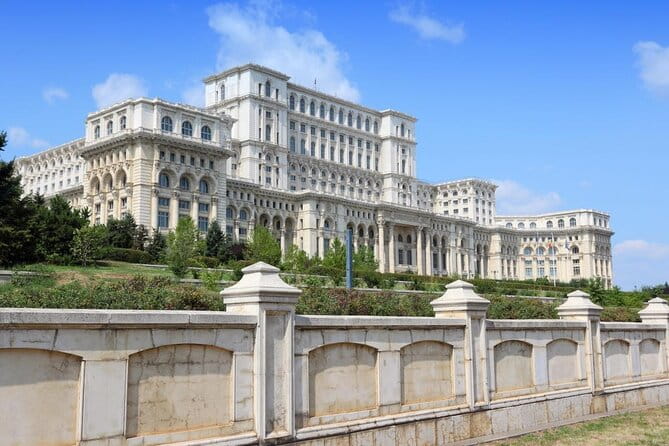
Your journey kicks off with a visit to Ceausescu’s Palace, a colossal symbol of Romania’s communist past. This building, ordered by Nicolae Ceausescu himself, is the second-largest administrative building in the world. It’s a stark reminder of Romania’s recent history—imposing and slightly surreal, especially if you’re used to more modest European palaces. The guide will likely point out that the palace’s construction was a monument to vanity, yet it’s impossible to ignore its scale when you stand nearby.
Next, a stop at Cozia Monastery offers a quiet contrast. Originally founded in the 14th century, it was once a spiritual hub, but what makes it particularly intriguing is the story of Ceausescu’s stained glass windows. After the fall, those windows, which featured his portrait, were demolished and hidden away—an odd footnote of history that shows how Romanian society has grappled with its past.
Then, in Sibiu, you’ll wander through cobblestone streets and take in the city’s medieval charm. Famous for its Three Squares—Big Square, Small Square, and Huet Square—Sibiu’s blend of Saxon and Romanian influences is evident in its architecture and diverse religious monuments. The Gothic evangelical church and “houses with the eyes” (decorative facades) are highlights that bring the city’s history to life.
Day 2: UNESCO Citadels and Salt Mines
The day begins with Cetatea Alba Iulia, a star-shaped fortress that is often overlooked but is packed with history. Its grand walls and museums offer insights into Romania’s past, especially its unification efforts.
Next, an underground adventure at Salina Turda turns the day into a fun adventure. Once a salt mine, now an underground amusement park, it features a ferris wheel and even a rowing boat—truly a surreal experience. The salt mine’s legacy is also tied to legends about vampires and demons, adding local folklore flavor.
Day 3: Maramures Wooden Churches and Merry Cemetery
Traveling into Maramures, you’ll encounter a region seemingly frozen in time. The Surdesti Wooden Church, a UNESCO site, is the tallest wooden church in Europe, with its double-eaved roof and towering spire. Built in 1721, it showcases the remarkable craftsmanship of local carpenters.
The Merry Cemetery is a must-see for its unique approach—colorful crosses with poetic epitaphs and humorous carvings tell stories of the departed’s lives. The originality of this cemetery, carved by Stan Ioan Pătraș and his apprentice, offers a glimpse into local outlooks on life and death.
The Barsana Monastery adds to the spiritual landscape, with its impressive wooden architecture and active convent life, showcasing ongoing religious traditions.
Day 4: Painted Churches of Bucovina
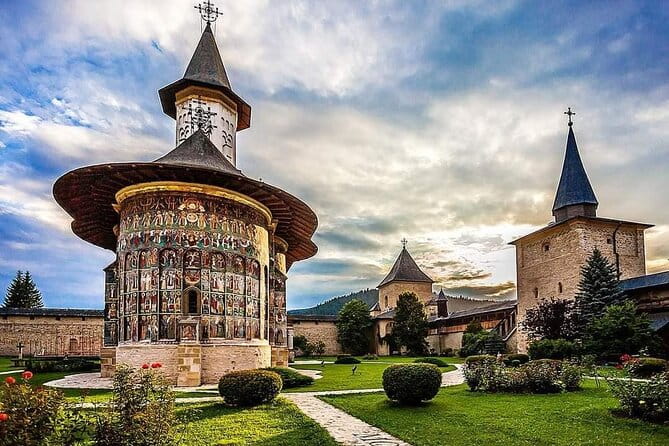
This day focuses on Moldovita and Sucevita monasteries, both UNESCO sites famed for their vivid frescoes. The exterior walls are like giant religious comics, illustrating biblical stories with extraordinary detail. The Sucevita monastery, built in the 17th century, combines Gothic and Byzantine styles, serving as a testament to Moldavian artistry.
The ceramics workshop in Marginea offers a chance to see traditional black pottery—an art form with centuries-old roots. You might want to pick up a hand-painted egg or a ceramic vase as a souvenir.
Voronet Monastery is often called the Sistine Chapel of the East for its vibrant blue frescoes, which have remained remarkably intact over centuries.
Here are more great tours and experiences we've reviewed in Bucharest
Day 5: Medieval Fortresses and Natural Wonders
Humor Monastery is a peaceful spot, built in 1530, with its characteristic medieval architecture.
The Neamt Fortress stands as a symbol of Moldavia’s medieval resilience, having survived attacks and sieges. You’ll get an idea of the strategic importance of this region in Romania’s history.
The Bicaz Gorges, carved through the Carpathians, are some of the most scenic natural attractions. Walking trails along the gorges reveal dramatic cliffs and lush forests, and you’ll pass the famous Red Lake, formed by a landslide, with its eerie trunks submerged deep beneath the water.
Day 6: Sighisoara and Bran Castle
Sighisoara, a UNESCO World Heritage site, is one of the best-preserved medieval towns in Europe. Its colorful houses, fortified walls, and the Clock Tower make it feel like stepping into a fairy tale. The birthplace of Vlad the Impaler adds historical intrigue, especially with the House where Vlad was born just a short walk away.
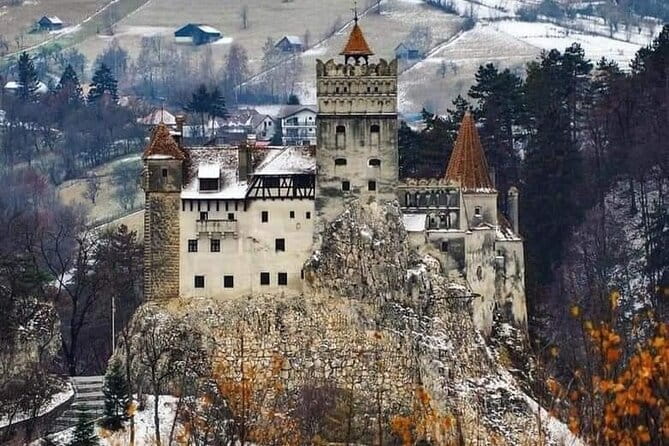
Afterward, Bran Castle—the so-called Dracula’s Castle—offers a mix of history and myth. Built between 1377 and 1382, it’s more of a stunning fortress than a vampire lair, but its dramatic setting on a hilltop makes it a must-see.
Day 7: Bears and Peles Castle
The tour wraps up with a visit to the Libearty Bear Sanctuary, home to around 100 rescued bears. It’s a heartwarming experience to see these animals living freely in a large forested area, especially knowing they’ve escaped captivity.
Finally, at Peles Castle, you’ll marvel at the ornate architecture, designed in a mix of styles including Renaissance and Italianate. As the summer residence of Romania’s first king, it’s a fitting end to a journey through Romania’s regal and rustic sides.
Who Will Love This Tour?
This 7-day adventure is perfect if you want a comprehensive yet manageable introduction to Romania’s diverse regions. It’s especially suited for travelers who appreciate a mix of history, architecture, and natural beauty—and who don’t mind a fair bit of walking and stair-climbing at some sites. If you prefer to avoid the stress of planning every detail, this guided tour takes care of logistics, transportation, and admissions (though some fees are extra).
Travelers who value authentic experiences will enjoy the visits to artisans, tasting regional foods, and engaging stories from the guide. The tour’s emphasis on UNESCO sites and well-preserved traditions means you’ll come away with a real sense of Romanian identity.
While the price might seem steep, many reviews highlight the value for money in terms of the guide’s expertise, the comfortable transport, and the curated itinerary. It’s a good fit for those wanting a deep dive into Romania’s culture without sacrificing comfort or time.
FAQ

Is this a group or private tour?
This experience is a private tour, meaning only your group will participate, allowing for a more personalized and flexible experience.
What’s included in the price?
The tour includes round-trip transportation, an English-speaking guide, live commentary, six breakfasts, three dinners, and skip-the-line access to many sites. Lodging is also included.
Are entrance fees covered?
No, entrance fees are not included—expect to budget around 50 Euros for all sites. The guide can help you plan your visits and costs.
How physically demanding is the tour?
Most travelers with moderate fitness levels can comfortably participate, but be prepared for some walking, stairs, and uneven surfaces, especially at the monasteries and castles.
Can I customize the experience?
Since it’s a private tour, your guide, Bogdan, is happy to answer questions, provide tips, and tailor parts of the experience, within the structure of the itinerary.
When does the Peles Castle open?
Peles Castle is closed on Mondays, so you will only see it from the outside on those days. Other sites have flexible timings, but check ahead if you’re eager to go inside.
Final Thoughts
This 7-day Romanian tour offers a well-rounded way to see the country’s highlights comfortably and with expert guidance. You’ll visit UNESCO sites, explore charming medieval towns, see stunning wooden churches, and enjoy breathtaking mountain views—all in a single trip. It’s especially ideal if you want a knowledgeable guide to fill in the details and help you navigate the logistics.
The tour’s emphasis on authentic experiences—like artisan workshops and local cuisine—adds a memorable touch that goes beyond typical sightseeing. And with its balance of history, culture, and natural beauty, it appeals to a broad spectrum of travelers.
If you’re after a hassle-free way to get a comprehensive taste of Romania’s best, and you appreciate engaging storytelling and comfortable travel, this tour is a strong contender. Just be ready for a full schedule, some entrance fees, and a bit of walking, but in return, you’ll gain a rich, layered understanding of a fascinating country.
Whether you’re a history enthusiast, an architecture lover, or just someone eager to experience Romania’s diverse landscapes and traditions, this private tour offers real value and memorable sights. It’s a carefully curated experience designed to maximize your time and deepen your appreciation of Romania’s many treasures.
More Private Tours in Bucharest
- Private tour Underground Wonders & Vineyard Delights
- Private Walking Tour Bucharest
- Tailored Transylvania – 5 day private guided tour
- Private Tour from Bucharest to Dracula’s tomb and Mogosoaia
- Therme Bucharest – Private Transfer and 3 Hours Tickets
- Private Bucharest Driving Tour with a Vintage Car- 120min
More Tours in Bucharest
- Transylvania Tour: Dracula’s Castle, Peles Palace & Brasov
- Bucharest: tour in the Parliament in Italian+exterior visit with guide
- Private tour: departure Bucharest to Peles Castle, Bran and Brasov Old Town
- From Bucharest: A Day by the Black Sea Shared Group Tour
- Bucharest city tour by car
- Bucharest: private and exclusive Italian walking tour
More Tour Reviews in Bucharest
- Bucharest : Parliament, Village Museum & Ceauescu Mansion
- Small Group Tour to Mogosoaia Palace & Snagov Monastery
- Bucharest: Walking tour with Italian speaking guide for small groups
- Bucharest Tuk Tuk City Tour
- Bucharest: Old Town & Historical Landmark Guided Tour
- Bucharest: Dracula Castle, Peles Castle & Brasov Guided Tour
Not for you? Here's more things to do in Bucharest we have recnetly reviewed
- PREMIUM TOUR SMALL GROUP: Peles&Bran Castles&Brasov Day Trip
- From Bucharest: Bulgaria Private Day Trip with Guide
- Slavery in Romania,Myths and Truths on Gypsies, Walking Tour
- Museums and Galleries walking tour in Bucharest
- PREMIUM TOUR SMALL GROUP Bucharest-Constana: Coastal Escape
- Private tour to Bulgaria : Ivanovo Churches & Veliko Tarnovo
- Therme:Spa Day at the biggest oasis of RelaxationBucharest
- From Bucharest: Dracula’s Castle & Bear Sanctuary Adventure
- Bucharest: Hidden Gems 2.5-Hour Walking Tour
- Communist Museums Marathon: 3 museums and all transfers incl
- Bucharest: Arc de Triomphe & Village Museum Guided Tour
- Bucharest: Custom Souvenir Workshop