
If you’re traveling through Emilia-Romagna, taking a trip to the Museum of Pasta in Parma offers a fascinating look into one of Italy’s most beloved culinary traditions. This museum isn’t just about eating pasta; it’s an immersive journey through its history, technology, and cultural significance—perfect for food lovers and curious travelers alike. From the roots of wheat cultivation to the art of pasta-making, the exhibits reveal how this humble staple became a national treasure.
Two things I really appreciate about this experience are its detailed sections on pasta’s development and the chance to write down authentic Italian recipes—a fun, hands-on way to bring a piece of Italy home. The exhibits of old tools and machinery give a tangible sense of how pasta was crafted through the ages. On the flip side, a common concern is that some visitors find the location a bit off the beaten path and less central than other attractions in Parma. If you’re expecting a lively, bustling museum right in the city center, this might require a short trip out of the way.
Nonetheless, if you go with an open mind and interest in food history, you’ll find this museum offers a genuine, educational experience that’s worth the visit. It’s particularly well-suited for those wanting to understand Italy’s culinary culture deeply, or anyone who loves the stories behind their favorite dishes. The optional tasting at the end adds a delicious note to the visit, although it’s an extra cost and not included in the ticket.
Key Points / Takeaways
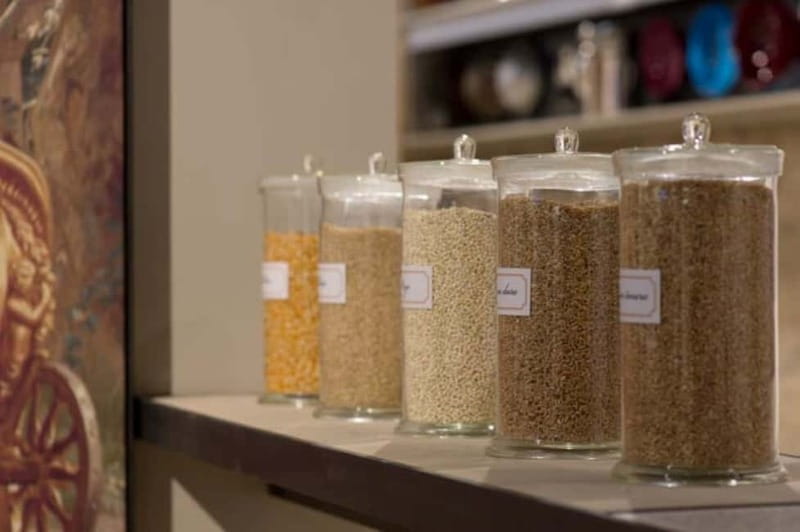
- Focus on wheat and cultivation: Learn how wheat forms the backbone of pasta making, with models and old farming tools that reveal Italy’s agricultural roots.
- Historical pasta machinery: Discover the evolution from ancient grindstones to modern industrial machines, illustrating the technological progress in pasta production.
- Italian recipes: Get the chance to jot down traditional recipes, offering a practical takeaway that can inspire your own cooking at home.
- Cultural significance: The exhibits highlight pasta’s role in Italian identity, with posters, art, and promotional materials that show how pasta is woven into Italy’s cultural fabric.
- Authentic artifacts: See a variety of historical items, from old posters to kitchen tools, that give a tangible sense of Italy’s pasta traditions.
- Optional tasting: A chance to sample different pasta varieties, perfect for food lovers wanting a deeper connection to Italian cuisine.
How the Museum is Organized
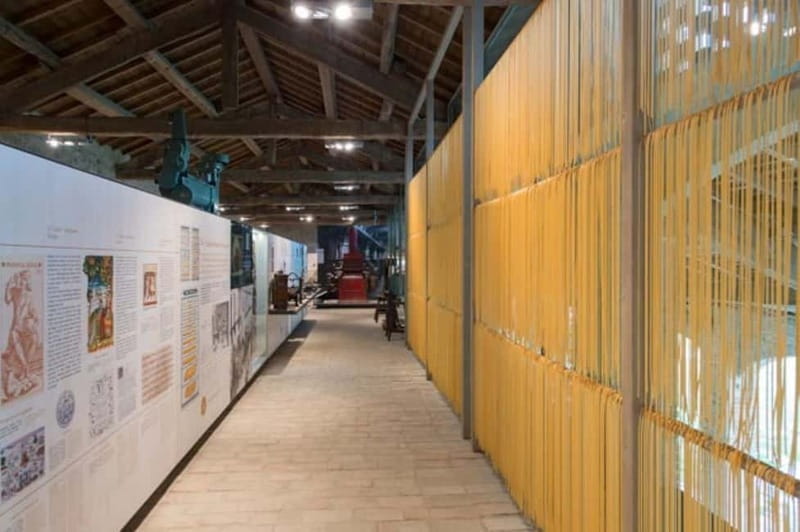
The Museum of Pasta in Parma is divided into ten distinct sections, each offering a different perspective on this beloved food. It’s a self-guided experience, so you can go at your own pace, lingering over the exhibits that catch your interest. The layout begins with the basics—wheat and cultivation—and moves through the entire process of turning raw ingredients into the pasta we all adore.
The Wheat and Agriculture Section
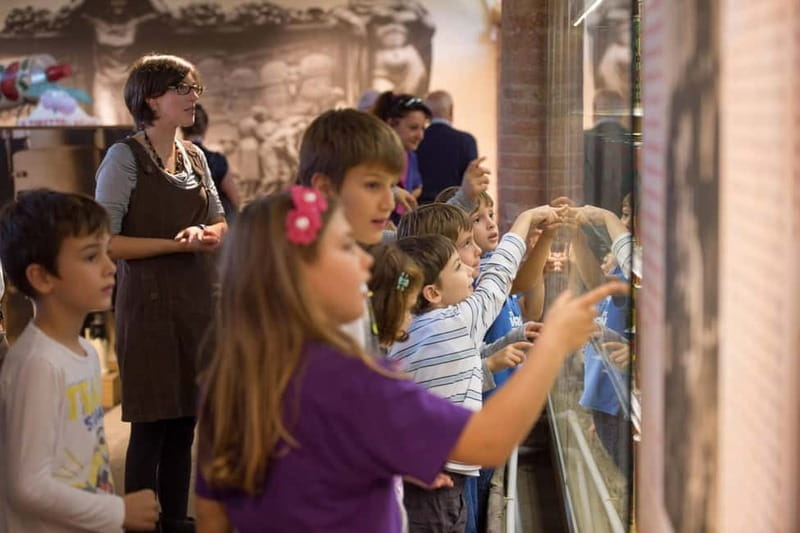
This first part offers an insightful look into wheat’s properties and farming methods. You’ll see models and agricultural implements that date back decades, giving a sense of how Italian farmers have cultivated wheat over time. It’s a solid reminder that behind every piece of pasta is a farming tradition rooted in centuries of expertise.
Milling and Grinding
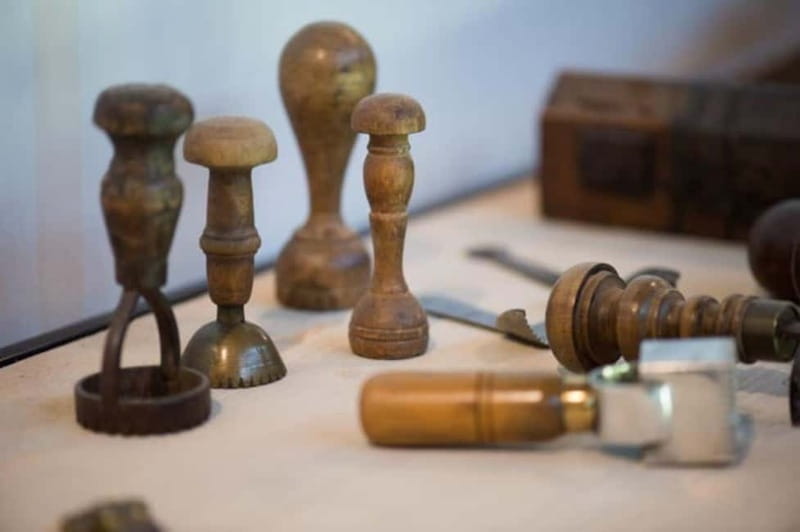
Next, you’ll explore how wheat is turned into flour, with models of old millstones and modern cylinder mills. Seeing these side-by-side demonstrates technological progress. If you’re interested in how pasta’s foundation connects to agriculture and industry, this section will be especially engaging.
Household Tools and Pasta Artisanship
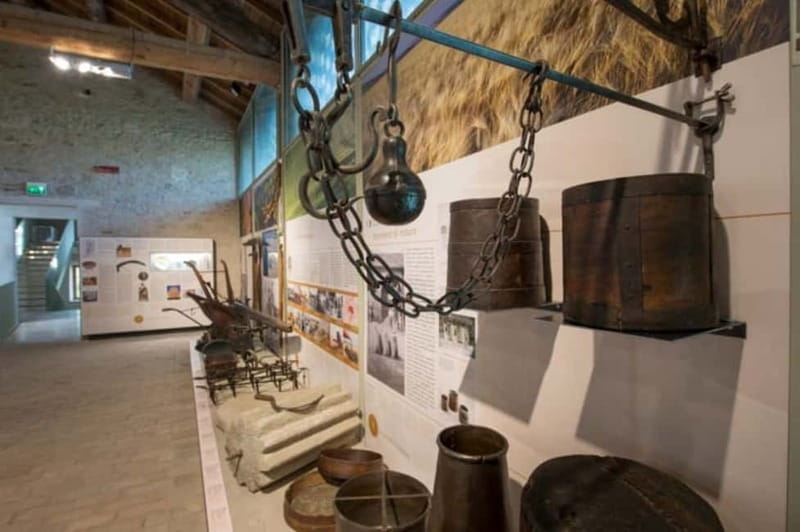
The museum showcases small-scale household equipment used in pasta-making, including traditional rolling pins and dough cutters. It’s a visual reminder of the pride Italians take in making fresh pasta at home. If you’re a cooking enthusiast, you might find inspiration in these simple tools.
More Great Tours NearbyThe Industrial Revolution in Pasta
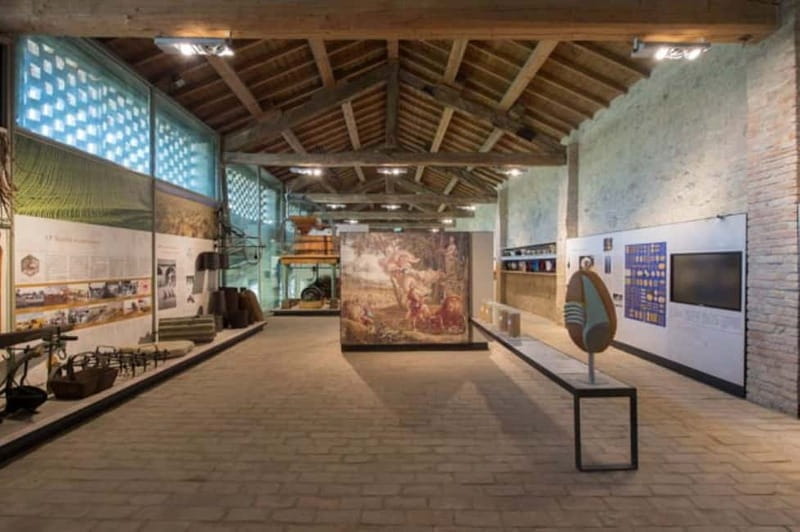
The exhibit on early industrial pasta factories reveals Italy’s move toward mass production in the 19th century. You’ll learn about the machinery that allowed pasta to become a widespread, affordable product—and see how tradition and technology meet in today’s factories.
Local Artisan Traditions
Another section highlights pasta production in Emilia-Romagna, with models and equipment from the last century. It’s a slice of local history, showing how regional differences influence pasta shapes and techniques.
Promotion and Art
The museum’s collection of posters, playbills, and promotional items reveals how pasta was marketed across Italy. Artworks and stamps depicting pasta remind visitors that this dish isn’t just food—it’s part of Italy’s cultural identity.
Gastronomy and Recipes
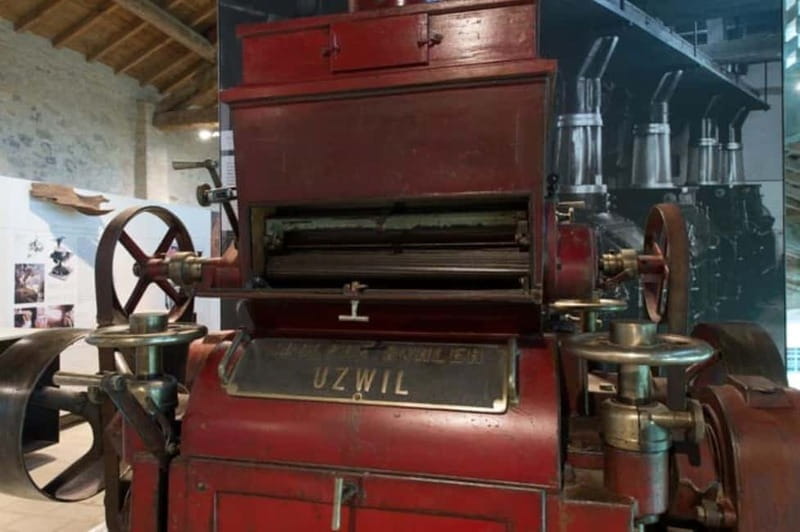
Here, you’ll find history about pasta utensils like colanders, along with vintage cookbooks and condiment suggestions. It’s a practical section that offers tips on regional pasta dishes and pairing ideas, making it quite useful for home cooks.
Art, Culture, and Pasta
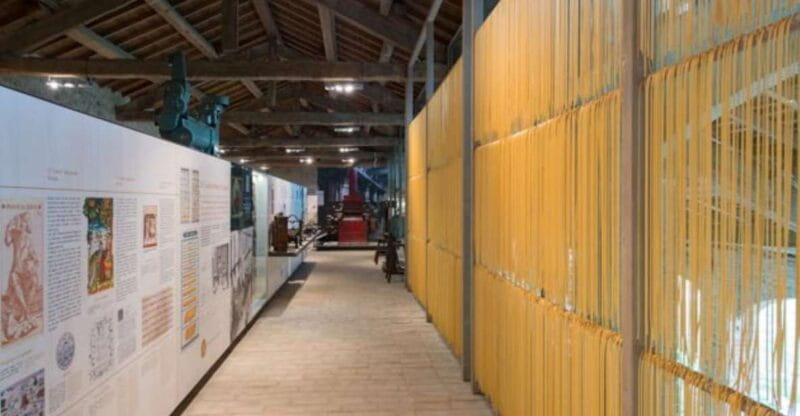
The final section explores how pasta has been depicted in paintings, stamps, and popular culture. It’s a fun reminder that pasta isn’t just a meal, but also an icon in Italian art and society.
Tasting Experience
The optional pasta tasting is a highlight for many visitors. Though not included in the basic ticket, this segment offers a sample of regional pasta varieties, allowing you to taste the results of centuries of tradition. It’s a sweet ending for those eager to connect history with flavor.
Who Should Visit?
This museum is ideal for food lovers, history enthusiasts, and families interested in Italy’s culinary heritage. It’s especially suited for those who enjoy hands-on experiences, like jotting down recipes or examining vintage tools. Travelers seeking a quick, light activity might find it a bit longer than anticipated, especially if they’re not interested in the detailed exhibits. Given its location outside the city center, plan for a short bus or taxi ride, unless you’re already exploring nearby attractions.
Price and Accessibility
Your ticket provides entry to all exhibits for one day, making it flexible to visit at your own pace. The museum is wheelchair accessible, which is a considerate touch. The cost is reasonable, especially considering the depth of content; however, keep in mind that the tasting is optional and costs extra. Parking is available, but check local routes ahead of time, as the museum isn’t directly in Parma’s main tourist zones.
Practical Tips
- Wear comfortable shoes—you’ll be walking through multiple sections.
- Allocate about 1.5 to 2 hours for a thorough visit.
- Reserve your tickets in advance to ensure availability.
- If you’re a foodie, consider including the optional tasting—it’s a delightful way to conclude your visit.
- Use the detailed exhibits to pick up local recipes or bring home ideas for your next pasta night.
Visiting the Museum of Pasta in Parma offers more than just a glimpse into Italy’s culinary past; it’s a chance to appreciate how deeply pasta is intertwined with Italian culture. The exhibits are thoughtfully curated, with plenty of visual and tactile elements that make history come alive. While the location might require a bit of planning, the experience rewards those interested in authentic, well-researched displays.
This museum is especially suited for travelers who love food and want to understand its roots—those curious about technology’s role in tradition or families looking for an educational outing. The optional tasting adds an enjoyable dimension, allowing you to experience regional flavors firsthand. It’s a worthwhile stop that combines learning with sensory delight.
If you’re passionate about Italian cuisine, enjoy historical artifacts, or simply want a taste of Parma’s local character, this museum will serve you well. Just keep in mind it’s a quieter, more niche attraction—not a bustling city center spectacle—and plan accordingly.
Is the ticket for a specific time?
No, the ticket is valid for one day, but you should check available starting times to plan your visit.
Can I cancel my reservation?
Yes, you can cancel up to 24 hours in advance for a full refund.
Is the museum wheelchair accessible?
Yes, the museum is wheelchair accessible, making it easier for all visitors to explore.
Does the ticket include a guided tour?
No, the ticket grants entry but does not include a guide. You explore at your own pace.
Can I buy the tasting separately?
Yes, the tasting is optional and paid separately.
How long does a typical visit take?
Plan for about 1.5 to 2 hours to see all the exhibits thoroughly.
Are there any age restrictions?
There are no specific age restrictions, and children often enjoy the visual displays and artifacts.
What should I bring?
Comfortable shoes are recommended since you’ll be walking through multiple sections.
Is parking available?
Yes, there is parking nearby, but it’s wise to check local options ahead of your visit.
Would this experience suit a large group?
Yes, it can accommodate groups, but consider booking in advance if you’re a big party to avoid wait times.
This detailed overview should help you decide if a visit to Parma’s Museum of Pasta fits your travel plans. It’s a well-crafted, authentic peek into Italy’s culinary heart, offering both education and enjoyment for a reasonable price.
You can check availability for your dates here: