
Our review of the NATO Bombing of Belgrade Private Tour offers a chance to explore a deeply sensitive part of Serbian recent history. Priced at about $138.86 per person, this tour lasts approximately 3 to 4 hours and is handled by Serbian Private Tours, with options for hotel pickup and a small-group experience. While many visitors appreciate the informative narrative and personal stories, it’s especially suited for those interested in understanding the city’s history from a local perspective.
What stands out most are the visits to actual sites still bearing the scars of the 1999 NATO bombing, and the guide’s ability to share moving stories of the night’s tragedies from a local viewpoint. The tour also features original photos of bombed sites, which bring history to life in a visceral way. I particularly like the way the tour balances somber reflection with historical context, creating a respectful yet engaging atmosphere. However, since the sites are still visibly damaged, travelers should be prepared for emotional moments and some sites under reconstruction, like the Hotel Jugoslavija, which might currently be inaccessible for interior exploration.
Key Points
– Authentic Sites: Visit actual locations like RTS, the Ministry of Defense, and the Air Force Command Building, where scars of the past are still visible.
– Personal Stories and Images: The guide shares firsthand accounts from the period, complemented by original photographs of the bombing aftermath.
– Balanced Perspective: Offers insights into Serbia’s side of the story, providing a nuanced view often missing in mainstream narratives.
– Emotional Impact: Be prepared for moving stories, especially at the RTS site and the monument “Zato?” that memorializes civilians lost during the attack.
– Flexible and Private: Conducted privately, with pickup, drop-off, bottled water, and options to add a local truffle tasting afterward for a taste of regional flavors.
– Educational Value: Highly rated (4.5/5 from 11 reviews), with guests describing it as “very educational” and enriching their understanding of Serbia’s recent history.
An In-Depth Look at the NATO Bombing of Belgrade Private Tour
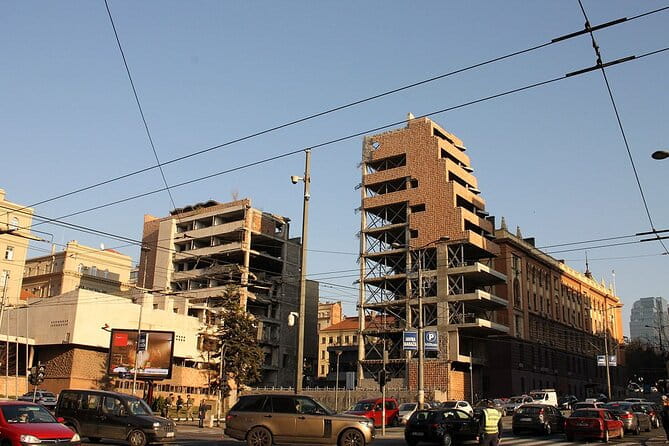
Starting from the moment I read about this experience, I knew it would offer more than just a superficial glance at Belgrade’s recent past. This private tour is designed to give you a nuanced and personal account of the NATO campaign that hit Belgrade in 1999. It’s not just about sightseeing—though you’ll visit several sites with visible bomb damage—it’s about understanding the emotional weight carried by the local residents.
Why choose this tour?
The price of close to $140 per person might seem steep at first glance, but for the depth of experience offered—including hotel pickup, a private guide, and the chance to learn firsthand from stories shared by locals—it provides considerable value. The small-group or private format ensures a personalized experience, with flexibility in how long you spend at each site. Plus, the option to relax afterward with a drink at a local café helps frame the experience as part of a broader understanding of Belgrade’s resilience.
Want to keep it personal? More private experiences we love in Belgrade
What I really appreciate about this tour is the focus on sites still bearing the scars of war.** You’ll walk through places like the RTS building, where a tragic event claimed young lives, and the Ministry of Defense, which was a primary target on the night of April 29, 1999.** The stories are told by guides who have a personal connection or in-depth knowledge, adding authenticity that big sightseeing buses can’t match.
The itinerary: A site-by-site breakdown
1. RTS Building & “Zato?” Memorial
This is the first stop, and the site is deeply sobering. The story behind the monument “Zato?” (Why?) is haunting. A reflection of a night when 16 civilians, mostly young, lost their lives while working shifts at the station. The original building remains, now a memorial, and hearing about the tragedy from the guide makes this a powerful start. As one reviewer noted, “We learned so much about the history of the bombing and Serbian perspectives.”
2. Ministry of Defense
Next, you head to where many bombings occurred, with the still-standing façade serving as a grim reminder. The site’s history is compelling: NATO targeted military objectives, but civilian buildings nearby suffered as well. The guide explains the strategic importance of this location and its role in the broader campaign. This stop emphasizes the importance of understanding the civilian toll and the complex decisions made during wartime.
3. Business Center Ue / Former Central Committee of Yugoslavia
Here, the tour reveals why this building was considered bomb-proof—a critical piece of information that helps clarify the military thinking behind some targets. It’s fascinating to see how the original architecture played a role and learn about the reasons it was selected as a target.
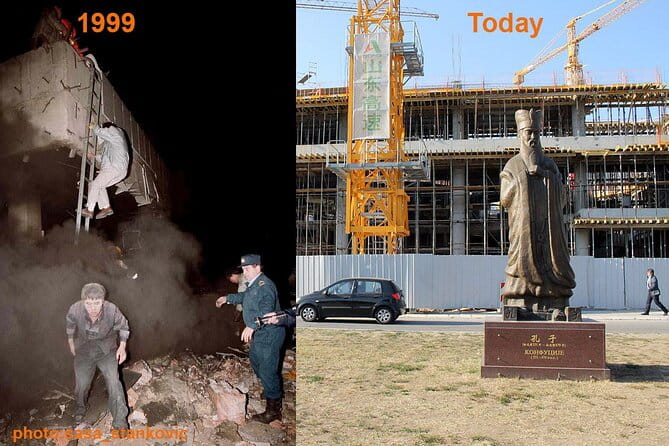
4. Chinese Cultural Center / Former Chinese Embassy
Perhaps the most controversial site, the bombing of the Chinese embassy raised questions about mistaken intelligence versus other motives. Four Chinese citizens died, and the tragedy was widely covered. The guide shares insights into the incident, offering perspectives that are often overlooked. It’s a reminder of how even distant diplomatic sites can be caught in conflict’s crossfire.
5. Hotel Jugoslavija
Once the most luxurious hotel in Yugoslavia, it was hit on the same night as the Chinese embassy. The demolition of the hotel in late 2024 means you’ll only see photos and hear stories, but this stop underscores how war reshapes entire cityscapes. Visitors should note that the hotel itself is no longer accessible for inside visits.
6. Air Force Command Building
The final site encapsulates the military side of the bombing campaign. Built in 1935, it was targeted with two missiles. Here, the guide recounts stories of pilots who lost their lives defending Serbia, adding a human layer to the aerial conflict.
7. Optional Truffle Tasting in Skadarlija
If you’re up for relaxing after absorbing so much history, the tour offers an optional tasting of local truffle products and white wine, paired with stories about regional cuisine. It’s a delightful way to switch modes from reflection to enjoyment, making the trip more rounded.
Practical considerations
The private guide and flexible timing make this tour particularly suited for those who prefer an intimate setting and deeper understanding. The group discounts and mobile tickets simplify logistics, and hotel pickup/drop-off remove the hassle of navigating Belgrade’s streets. The tour generally books 6 days in advance, so planning ahead is advised.
While the sites are meaningful, keep in mind that some locations—like Hotel Jugoslavija—are under reconstruction, and interior visits may not be possible. The guide will use photos and stories to bring the history alive when the physical site isn’t accessible.
Authentic insight from past visitors
One review sums up a common sentiment: “We learned so much about the history of the bombing and about the Serbian people.” Others appreciated the visual presentation with original photos, which enhanced storytelling. The guides are praised for their knowledge and engaging manner.
- Northern Serbia: Sremski Karlovci and Novi Sad Full-Day Tour From Belgrade
- Belgrade Nightlife Bar Pub Club Crawl
- Day Trip From Belgrade: Gems of Eastern Serbia
- Belgrade Big Tour: Top Attractions and Belgrade Neighborhoods
- Taxi To/From Belgrade Airport To/From Belgrade City Center
- Eastern Serbia Monasteries and Resava Cave Tour From Belgrade
Who is this tour best for?
This experience suits travelers with an interest in history, conflict studies, or Balkan affairs. It’s especially meaningful for those wanting a balanced view that includes personal stories and regional perspectives. Be prepared for emotional moments, especially if you’re sensitive to tragedies involving civilian casualties.
Final thoughts on value
At just over $130, this tour offers an unusually thoughtful and authentic perspective on a difficult chapter of Belgrade’s history. You won’t just see scars—you’ll hear stories, see images, and walk through the very places where history happened. The private format and optional truffle tasting add to its appeal, making it a well-rounded experience for curious travelers who seek more than just surface-level sightseeing.
Who should consider this tour?
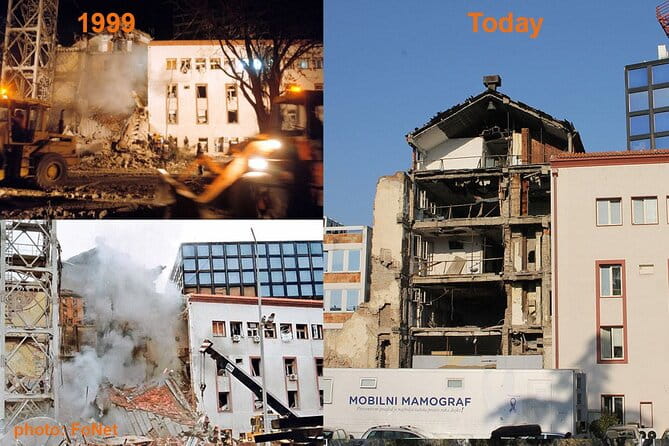
If you’re a traveler eager to understand Serbia’s recent past from a local’s perspective, this is a meaningful option. It’s ideal for those with a taste for history, personal stories, and thoughtful discussion. The emotional weight and the authenticity of sites make it more than a typical sightseeing trip; it’s a chance for reflection.
On the other hand, if you’re uncomfortable with intense or somber topics, this might not suit every traveler. The tour’s focus on visible scars and stories of loss isn’t light entertainment—it’s about understanding tragedy and resilience.
FAQs
Is hotel pickup included in the tour?
Yes, the tour includes hotel pickup and drop-off, making logistics easier.
How long does the tour last?
It typically lasts around 3 to 4 hours, giving ample time at each site without feeling rushed.
Can I cancel the tour if I change my mind?
Yes, free cancellation is available up to 24 hours before the start.
Is this a group or private experience?
It’s a private tour, ensuring personalized attention and flexibility.
Are there any additional costs?
The tour price includes most sites—additional optional costs include the truffle tasting for about $32 per person.
Do I need to buy tickets for each site?
Most sites do not require an admission fee, but some stops are free, and the guide will cover the significance of each location.
Is the guide knowledgeable about the history?
Yes, past reviews praise guides for their storytelling and depth of knowledge.
What about accessibility?
While most sites are viewable from the outside, some under reconstruction may not allow interior visits.
Can I revisit sites later?
The tour is designed as a guided experience; self-guided visits later are possible but not included.
This private tour offers a rare and meaningful glimpse into a turbulent chapter of Belgrade’s recent past. It’s well suited for those open to reflection, eager for authentic stories, and interested in understanding the complex history behind the scars.
More Private Tours in Belgrade
- Belgrade: Private City Highlights Guided Walking Tour
- From Belgrade: Highlights of Iron Gates Gorge Private Tour
- From Zlatibor/Uice: Uvac Canyon – Private Tour
- Belgrade: Private Exclusive History Tour with a Local Expert
- Private Novi Sad, Sremski Karlovci & Farmer’s House
- Belgrade: Private custom tour with a local guide
More Tours in Belgrade
More Tour Reviews in Belgrade
Not for you? Here's more things to do in Belgrade we have recnetly reviewed
- Kablar: Hiking tour – Kablar mount viewpoint and monasteries
- Belgrade: Best of West (Drina House, Drvengrad and Sargan 8)
- From Belgrade: Golubac Fortress and Iron Gate Gorge Tour
- Red Star Football Club Stadium Tour Ticket
- RePlay Pub Crawl in Belgrade
- From Belgrade: Rtanj mountain pyramid hiking Full-Day Trip
- Red Belgrade Communist Tour
- From Belgrade: Novi Sad & Fruska gora & winery and monastery
- Tito and Yugoslavia – short Belgrade tour (by car)
- Belgrade : Old Town Walking Tour With A Guide
- NATO Bombing of Belgrade Private Tour
- From Belgrade: Gems of Eastern Serbia Tour