
Discovering the Villanovan Civilization at Verucchio’s Archaeological Museum
If you’re headed to Emilia-Romagna, stopping at the Museo Archeologico di Verucchio offers a window into Italy’s early Iron Age cultures. This museum isn’t just a collection of old objects; it’s an engaging journey through over a thousand years of ancient life, told through artifacts uncovered from decades of excavations. For just $9, you get a detailed guided tour that promises a fascinating peek into a civilization that laid many of the foundations for later Italian cultures.
What I really appreciate about this experience is the depth of expertise you encounter, thanks to knowledgeable guides who make the ancient world come alive. Plus, the artifacts—especially the jewelry and the carved throne—are genuinely impressive and tell stories of those who lived, worshipped, and fought here. The only potential downside? The tour lasts about an hour, which is perfect for a quick cultural fix, but if you’re hungry for more, you might wish for a longer exploration.
This experience strikes a well-balanced mix of education, authenticity, and value. It’s a stellar choice if you’re curious about Italy’s prehistoric past or simply want a meaningful cultural activity that won’t break the bank.
Key Points / Takeaways

- Affordable Entry: At only $9, this museum provides a wealth of insight into early Italian civilizations.
- Expert Guides: Learn from guides who bring the Villanovan culture to life with detailed stories and context.
- Exceptional Artifacts: Expect to see stunning jewelry, ancient clothes, and the famous carved wooden throne.
- Unique Preservation: Fabrics in the Sala del Mantello are especially well-preserved, thanks to the special soil composition.
- Historical Depth: The museum’s exhibits span from the 9th century BC through centuries of village life, including sacred sites and funerary practices.
- Wheelchair Accessibility & Flexibility: The tour is suitable for all travelers, with options to cancel up to 24 hours in advance.
Inside the Museum: What to Expect at Each Stop

You can also read our reviews of more tours and experiences in Verucchio.
The Entrance and Guided Introduction
As you arrive, the welcoming staff will likely point you toward your guide, who typically speaks Italian but can share vivid stories about the site’s significance. Once inside, the guided tour begins with an overview of how Verucchio’s villagers thrived around 900 BC, establishing one of Italy’s most advanced early societies.
The Hall of the Ancestors
This section impresses with artifacts dating back to the ninth century BC, the earliest finds in the museum. Expect to see tools, pottery, and possibly some of the oldest relics that reveal how these people organized their lives and funerary rites. The guide will explain how these objects connect to the long history of settlement in the region.
The Sala del Mantello (Mantle Room)
Here, the highlight is the remarkably preserved fabrics, which are quite rare in archaeological contexts. Thanks to the special soil composition of Verucchio, these textiles have survived for over 2,500 years in exceptional condition. You’ll get to see the craftsmanship of Villanovan artisans, including details about their textiles and clothing.
More Great Tours NearbyWarriors and Weapons Exhibit
This section features helmets, shields, and weapons in bronze and iron, illustrating the martial side of the Villanovan society. Expect to see some splendid craftsmanship and learn about the importance of warfare and protection during that era. Guides often point out the sophistication of their armor and how these artifacts reflect societal hierarchy and martial values.
The Throne Room and the Tomb of Lippi 89
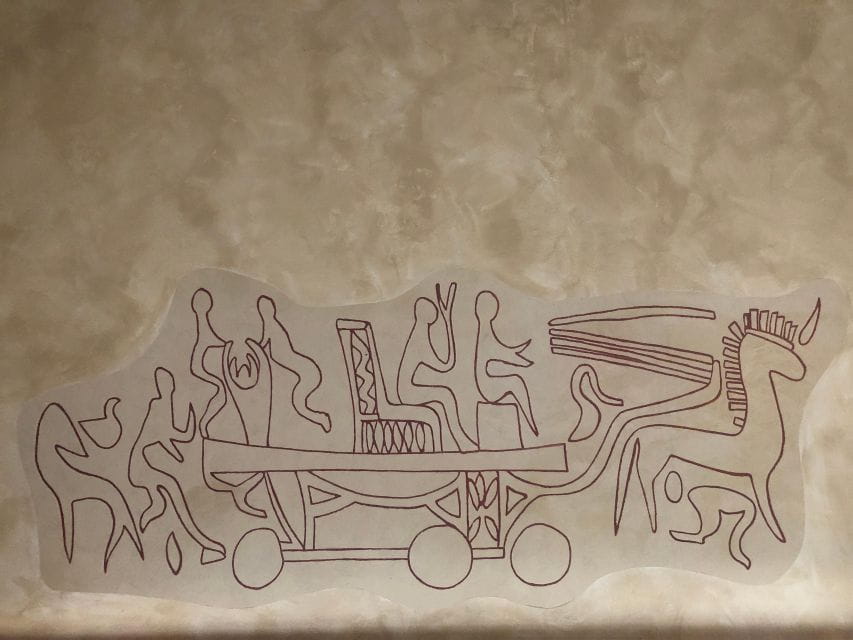
The crown jewel of the museum is the carved wooden throne from the Lippi 89 Tomb, which gives a direct glimpse into elite funerary practices. The tomb’s funeral set, including ornaments and the throne itself, conveys the importance of ritual and status. The guide will recount stories about the person buried here, adding depth to your understanding of Villanovan social structure.
Symbolism and Ritual Elements
The museum’s logo and imagery connect visitors to the sacred aspects of Villanovan life. The Amber Room and recent excavations reveal ongoing discoveries that continue to deepen our understanding of their relationship with nature and spiritual beliefs.
Sacred Area and Votive Well
The final stop is the Sacred Area, which features a well used for centuries for votive offerings. It stands as a testament to the enduring spiritual practices of the Villanovan people, lasting until the 4th century BC. This part of the tour underscores how religion intertwined with daily life, even as society evolved.
Price and Logistics: A Good Deal for Cultural Enthusiasts
For only $9, the tour delivers excellent value considering the depth and quality of artifacts on display. The guided aspect makes it especially worthwhile, as you get expert narration that transforms static objects into stories of ancient life. Check the availability beforehand, as the tour lasts about an hour and is scheduled at specific times. The museum is accessible for wheelchair users, which broadens its appeal.
In terms of logistics, it’s best suited for travelers who enjoy compact but enriching cultural visits. The short duration makes it easy to include in a day of exploring Verucchio or nearby areas. Since the tour is in Italian, some non-Italian speakers might want to prepare with a translation app or look for guided options that could include subtitles or additional language support.
Who Will Love This Tour?

If you are fascinated by archaeology, early civilizations, or ancient craftsmanship, you’ll find plenty to enjoy here. It’s particularly suited for travelers with a keen interest in Italy’s prehistoric past who appreciate seeing artifacts that are well-preserved and contextually explained. History buffs, students, and those seeking authentic experiences that go beyond the typical tourist fare will find this museum a hidden gem.
It’s also a perfect stop for families with older children who enjoy stories of warriors, princesses, and mysterious funerary rituals. If a quick but meaningful cultural fix sounds appealing, this tour hits the mark.
Final Thoughts

The Museo Archeologico di Verucchio offers an honest, engaging look into Italy’s Villanovan civilization. With its knowledgeable guides, stunning artifacts—especially the jewelry and the carved throne—and the fascinating preservation of ancient fabrics, it’s a high-value experience. For only $9, you’ll walk away with a deeper understanding of how these early communities lived, fought, worshipped, and buried their dead.
This tour is best suited for those who value authentic encounters, appreciate archaeology, or simply want to add a touch of ancient history to their Italian itinerary without spending a fortune. Whether you’re a dedicated history lover or a curious traveler looking for a meaningful activity, this museum delivers a rare glimpse into Italy’s distant past.
FAQs

Is the guided tour included in the price?
Yes, the $9 fee covers both entrance and a guided tour, providing a comprehensive and informative experience.
How long is the tour?
The tour lasts approximately 1 hour, so plan your schedule accordingly. Check availability for specific starting times.
Is the museum accessible for wheelchair users?
Yes, the museum is wheelchair accessible, making it suitable for travelers with mobility needs.
Can I cancel the booking?
Yes, you can cancel up to 24 hours in advance for a full refund, offering flexibility in planning.
What language is the tour conducted in?
The tour is conducted in Italian. Non-Italian speakers should consider this when booking or prepare accordingly.
Is there parking nearby?
While not explicitly mentioned, Verucchio generally has options for parking, but it’s best to check local info for convenient parking options.
In essence, the Museo Archeologico di Verucchio is a compact, well-curated museum that offers a genuine peek into Italy’s ancient Villanovan culture. It’s especially worthwhile for those who enjoy authentic artifacts, expert guiding, and a glimpse into early Iron Age life—all at a price that feels more than fair.
You can check availability for your dates here: