
Exploring the captivating world of sumo in Tokyo is a rare opportunity not to be missed. Visitors can witness the intense morning training sessions at a sumo stable, guided by a knowledgeable local who provides insights into the sport’s rich Shinto traditions. This immersive experience offers a profound connection to Japan’s cultural heritage, as you observe the dedication and physical prowess of the wrestlers. From engaging with the athletes to savoring the traditional chanko nabe meal, this unique encounter promises to leave a lasting impression.
Key Points
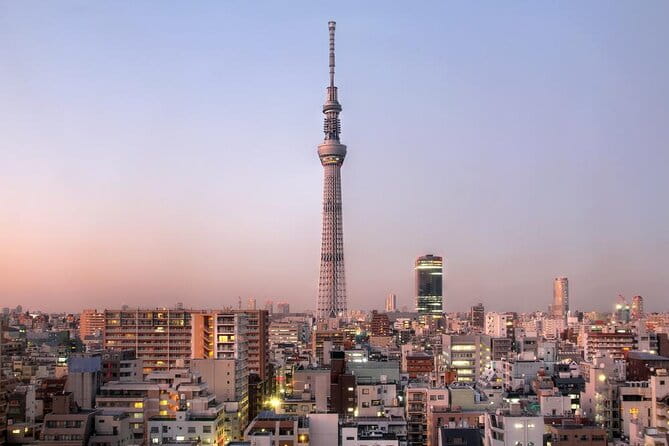
- Gain a rare, insider’s view of traditional Japanese sumo wrestling during a morning training session at a sumo stable in Tokyo.
- Experience the intensity and dedication of sumo wrestlers as they undergo rigorous exercises and practice bouts on the dohyo.
- Explore the Shinto roots and rituals of sumo, including purification ceremonies and the consecration of the ring as a sacred space.
- Interact with the wrestlers and capture memorable moments, while adhering to respectful etiquette for a genuine and immersive experience.
- Benefit from the guidance of a private local guide who provides historical context and facilitates access to the typically closed-off sumo stable.
Overview of the Experience
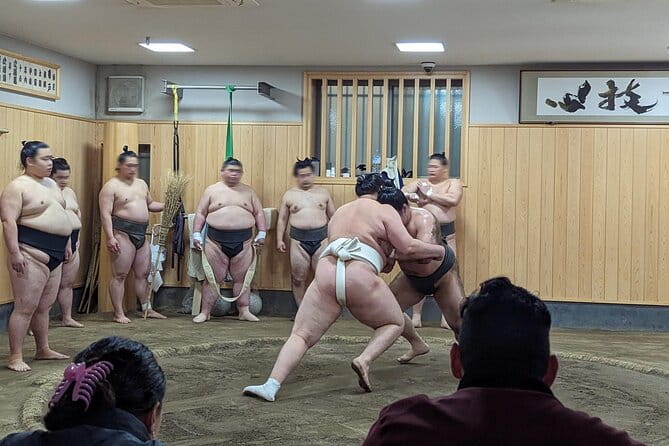
This experience offers travelers a rare glimpse into the traditional world of Japanese sumo wrestling.
Held at a sumo stable, the morning training session provides intimate access to the wrestlers as they warm up and practice their ancient art.
Visitors witness the dedication and physicality of the sumo lifestyle, gaining insight into the sport’s Shinto roots and rituals.
An engaging local guide enhances the experience by providing historical context and etiquette guidance.
With a 98% traveler recommendation rate and a Badge of Excellence, this tour is an exceptional opportunity to take in the unique culture of sumo wrestling.
Here are more great tours and experiences we've reviewed in Tokyo
Accessing the Sumo Stable
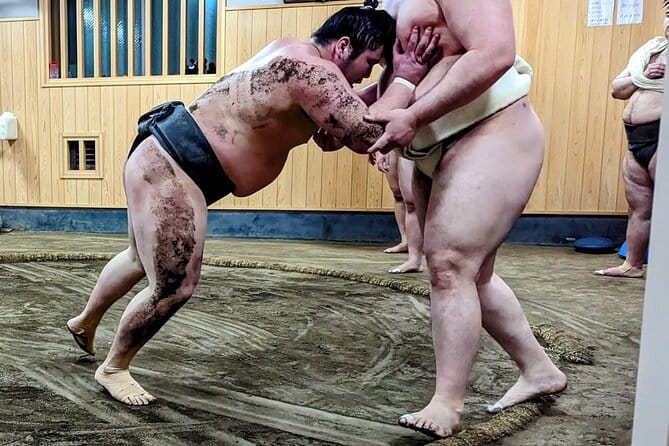
Gaining access to the sumo stable is a key component of this exclusive experience.
The tour includes visits to the Naruto-beya Sumo Stable, which is typically difficult to access independently. Participants meet at Tokyo Skytree Station and are transported to the stable by a private guide. The tour’s donation fees help support the stable.
Once there, visitors can observe the wrestlers’ warm-up routines and training sessions up close. This insider view provides a rare glimpse into the traditional rituals and intense physicality of sumo wrestling.
Witnessing the Intense Training
As visitors enter the Naruto-beya Sumo Stable, they’re immediately struck by the intensity of the wrestlers’ training. The stable’s dohyo, or sumo ring, becomes a captivating stage as the athletes engage in rigorous exercises and practice bouts.
| Activity | Description |
|---|---|
| Tsukedashi | Wrestlers charge at each other, locking hands and pushing forcefully |
| Kimarite | Wrestlers practice signature throwing and grappling techniques |
| Ashitori | Wrestlers work on footwork, stepping in and out of the ring quickly |
| Gyoji | Referees supervise and provide guidance, ensuring proper form |
| Chanko | Wrestlers refuel with the hearty stew that fuels their massive frames |
The dedication and physicality on display leave a lasting impression on all who witness this traditional Japanese spectacle.
Insights Into Sumo’s Shinto Roots
Beneath the surface of sumo’s dynamic physical displays lies a deep connection to the ancient Shinto religion.
Sumo’s rituals and customs draw heavily from Shinto beliefs, reflecting the sport’s spiritual roots. Wrestlers engage in purification ceremonies, wearing traditional dress, and invoking the blessings of the kami, or Shinto deities, before each bout.
The ring itself is consecrated as a sacred space, with salt used to purify the area. This intertwining of the physical and the spiritual is a crucial aspect of sumo that provides insight into Japan’s cultural heritage and reverence for the natural world.
Engaging With the Knowledgeable Guide
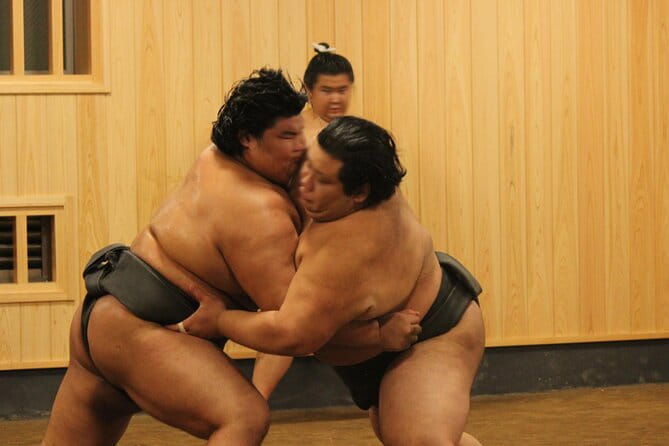
The engaging and knowledgeable guide brings the morning sumo practice to life, enriching the experience with their deep understanding of the sport’s history and traditions.
They provide insightful commentary, sharing the ancient Shinto roots of sumo and explaining the cultural significance of the rituals performed.
With a focus on etiquette, the guide helps participants navigate the practice session, ensuring they fully appreciate the dedication and physicality of the wrestlers.
Their expertise enhances the authenticity of the experience, leaving visitors with a newfound appreciation for the intricacies of this centuries-old Japanese tradition.
- Tokyo: Soba (Buck Wheat Noodles) Making Experience
- Tokyo, Asakusa, Senso-Ji, Skytree: Private Photo Tour
- Shibuya Foodie Walking Friendly Tour With a Local Expert
- Tokyo: Nikko Toshogu Shrine and Kegon Waterfall Tour
- Manga Lesson by Pro-Manga Artist Who Drew Ace Attorney
- Ultimate One-Day Tokyo Must-Sees Tour With Photo Spots
Capturing Memorable Moments
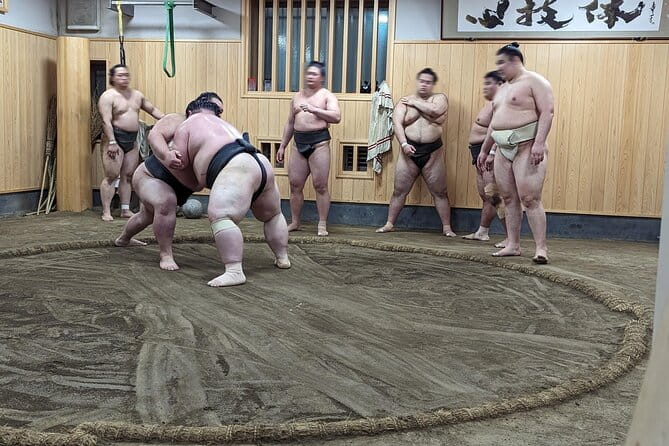
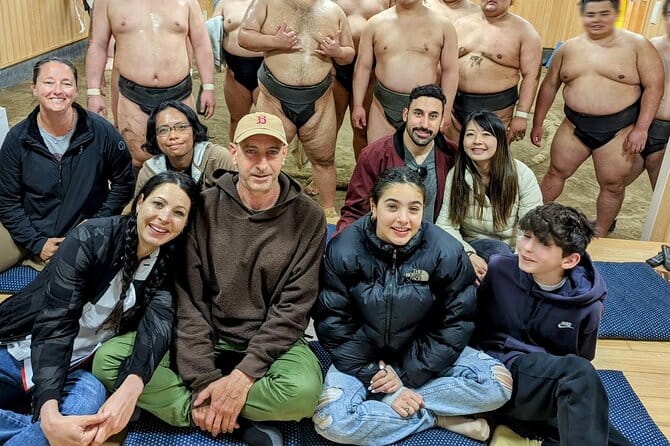
How does one capture the memorable moments during the morning sumo practice? The opportunity to photograph and interact with the wrestlers is a highlight. Visitors can snap photos as the wrestlers warm up and practice their techniques. Guides encourage respectful etiquette, ensuring a genuine experience. To further enhance the memories, a table of photo opportunities is provided:
| Moment | Tip | Emotion |
|---|---|---|
| Wrestlers Stretching | Wait for a dynamic pose | Awe |
| Chanting Ritual | Focus on facial expressions | Reverence |
| Pushing Practice | Capture the power and skill | Exhilaration |
| Group Photo | Ask guide for best position | Pride |
These fleeting moments truly capture the essence of this centuries-old tradition.
Savoring the Traditional Chanko Nabe
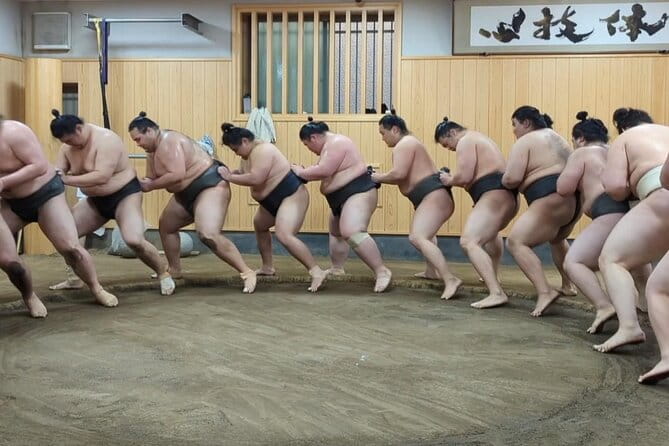
After the exhilarating viewing of the sumo wrestlers in action, visitors are invited to savor the traditional chanko nabe, the hearty stew that sustains these athletic giants.
Chanko nabe is the staple dish of sumo wrestlers, made with a variety of ingredients like chicken, vegetables, and tofu, simmered in a flavorful broth.
During the tour, guests have the opportunity to enjoy this nourishing meal alongside the wrestlers, providing a unique glimpse into their daily lives.
The experience allows visitors to fully enjoy the traditions of the sport and appreciate the dedication of these remarkable athletes.
Traveler Feedback and Recommendations
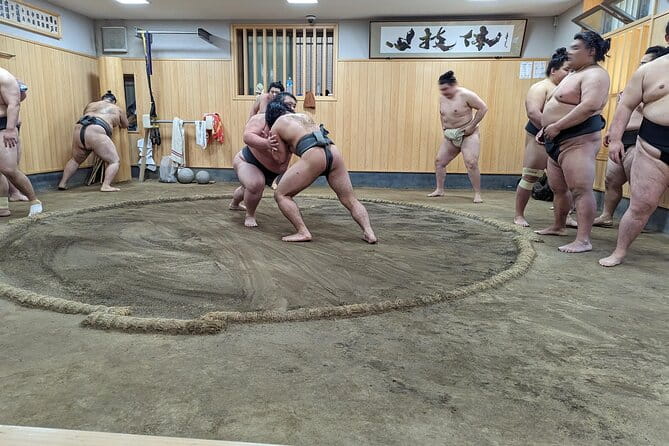
Travelers consistently praise the Morning Sumo Practice in Tokyo for its authenticity and educational value.
With an average rating of 4.9 out of 5, the experience receives overwhelmingly positive feedback. Reviewers highlight the guides’ exceptional knowledge, which enhances the experience by providing insightful context and etiquette.
Participants are impressed by the intensity of the wrestlers’ training and their impressive skills. The opportunity to witness traditional rituals and the physicality of sumo creates a memorable and enjoyable event.
Frequently Asked Questions
Can I Request to See Specific Wrestlers Practice?
While participants can’t request specific wrestlers, the tour provides an immersive glimpse into the athletes’ rigorous training. The guide ensures an engaging experience highlighting the sport’s cultural significance and the wrestlers’ dedication.
Are Photography and Video Recording Allowed During the Session?
Photography and video recording are allowed during the session, but participants are advised to be respectful and avoid disrupting the wrestlers’ training. Guides can provide guidance on appropriate etiquette for capturing the experience.
What Should I Wear to the Sumo Practice Viewing?
Wear comfortable, loose-fitting clothing that’s easy to move in. Avoid anything too formal or restrictive. The session involves sitting on cushions, so opt for shoes that can be easily removed or non-slip socks.
Is There a Dress Code or Any Special Etiquette to Follow?
There’s no strict dress code, but visitors should dress respectfully. Avoid shorts, sleeveless tops, and revealing clothing. Sit on floor cushions politely and avoid disturbing the wrestlers during their intense practice session.
Can I Purchase Souvenirs or Merchandise at the Sumo Stable?
Visitors can’t purchase souvenirs or merchandise directly at the sumo stable. However, there may be opportunities to buy sumo-related items from vendors nearby or at the Tokyo Skytree station where the tour starts and ends.
The Sum Up
Witnessing the captivating morning sumo practice in Tokyo is a profound cultural experience. Visitors gain rare access to the intense training sessions, observing the wrestlers’ dedication and traditional rituals. The knowledgeable local guide provides valuable insights, allowing participants to enjoy Japan’s storied sumo heritage. This immersive experience offers a unique opportunity to appreciate the sport’s physical demands and rich traditions.
More Morning in Tokyo
More Tour Reviews in Tokyo
Not for you? Here's more things to do in Tokyo we have recnetly reviewed
- Tokyo Private Half Day Tour With Licensed Guide by Car
- Tokyo City Cherry Blossom Private Sightseeing Tour
- 1 Day Tokyo Private Tour With English Speaking Guide
- Audio Guide Tour in The East Gardens of the Imperial Palace
- Private Karuizawa, Nagano Tour – Bilingual Chauffeur
- Sunday Morning JDM Experience
- Mt. Fuji 5th Station and Hakone Day Tour From Tokyo
- True Tokyo Luxury Shopping Private Tour
- Discover Your Tokyo -Private Tokyo Customized Walking Tour-
- Simple and Fun to Make Inari Sushi Party in Tokyo
- JDM Daikoku Car Meet GTR35 600HP to Famous Spot
- Experience of Large Calligraphy Performance in Asakusa Tokyo