
Menorca: Naveta des Tudons Burial Monument Ticket Entrance — a journey into prehistoric Menorca for just $2.28
Getting a glimpse of Menorca’s ancient past doesn’t have to be complicated or expensive. For about the price of a coffee, you can visit Naveta des Tudons, one of the island’s most recognizable archaeological landmarks. This modest entrance fee offers a window into the island’s 9th-century B.C. past, revealing a fascinating burial tradition that has intrigued visitors and archaeologists alike.
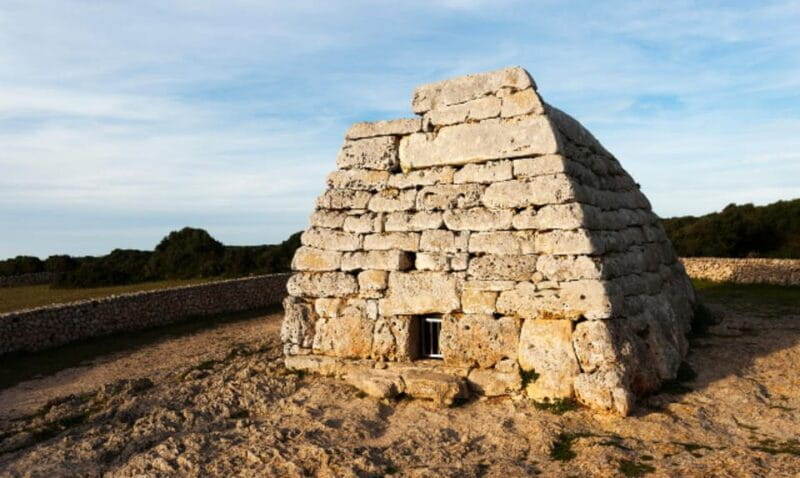
What I find especially compelling about this experience is how accessible it makes a key piece of Menorca’s history. The outside of the monument is impressive enough—its upturned boat shape and Cyclopean stonework are striking. Plus, the chance to see ancient burial goods like bronze bracelets and pottery, uncovered during excavations in the 1960s, adds a tangible layer to your understanding of early humans.
However, one thing to keep in mind is that access inside the monument is not permitted. You won’t be climbing or walking inside; instead, you’ll appreciate the structure from the outside, which is still captivating if you take the time to read the informational signs. For those who crave in-depth guided tours or interior exploration, this might feel a little limited. Still, for its price, it offers a meaningful glimpse into Menorca’s ancient world.
Key points / Takeaways
- Affordable entry: At just $2.28 per person, it’s a budget-friendly way to explore Menorca’s archaeological heritage.
- Unique Cyclopean construction: The method of fitting medium stones without mortar showcases early engineering skills.
- Ancient burial artifacts: Discover bronze bracelets, bone buttons, pottery, and even a carved bone stopper with human hair—tools and rituals from over 3,000 years ago.
- Historical significance: The tomb dates back to the 9th century B.C. and was excavated in the 1960s, revealing the bones of about a hundred individuals.
- Exterior viewing only: Safety and conservation prevent entry, but the outside view and interpretive signs offer plenty of insight.
- Ideal for casual history lovers: No need for long guided tours; just a quick visit that adds depth to your Menorca experience.
Discovering Menorca’s Most Famous Burial Site
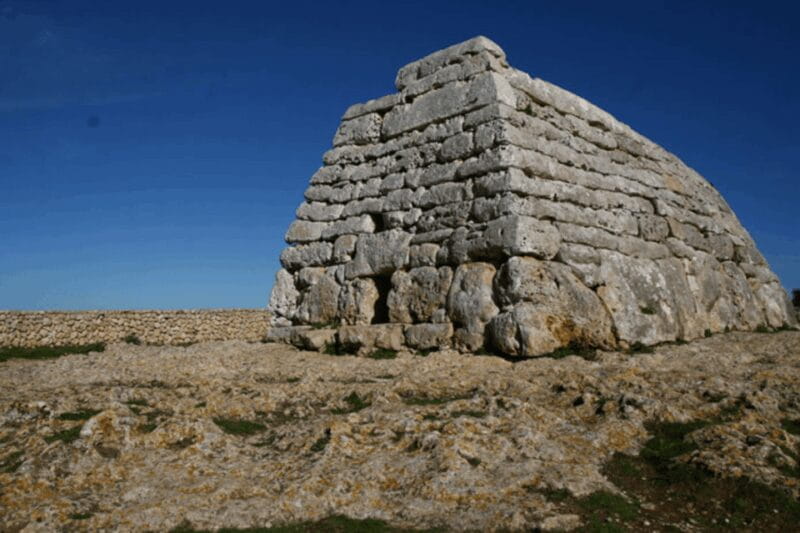
Menorca might be renowned for its beaches and coastal landscapes, but its archaeological sites hold equally impressive stories. The Naveta des Tudons is the most iconic of these, standing as a testament to the island’s prehistoric inhabitants. Built around the 9th century B.C., this “upturned boat” shape is more than just a curious structure; it’s a carefully constructed tomb used for communal burials.
You’ll find the monument on the Carretera Maó – Ciutadella, km 40, easily accessible by car. When you arrive, you’ll need to exchange your ticket at the wooden kiosk—simple and straightforward, with no added hassle. The entire visit is designed to be quick but meaningful, with the ticket valid for one day, allowing you to choose your preferred starting time depending on availability.
What makes the outside of Naveta des Tudons so compelling is its Cyclopean style—big, fitted stones that have withstood millennia. You’ll appreciate the craftsmanship, especially knowing that these stones were placed without mortar, a true feat of prehistoric engineering. The structure’s shape resembles an overturned boat, giving it an almost whimsical air that sparks the imagination.
You can also read our reviews of more tours and experiences in Ciutadella De Menorca.
The Excavations and Artifacts

During the excavations of the 1960s, a treasure trove of archaeological finds was uncovered. María Lluïsa Serra, a prominent Manorca archaeologist, led the work that revealed skeletons of about a hundred individuals, along with burial objects. Among the artifacts were bronze bracelets, bone buttons, pottery vases, and a carved bone stopper containing human hair—a ritualistic detail that hints at the complex burial customs of the time.
While you can’t go inside the naveta, the exterior provides a comprehensive view of its construction and purpose. The monument is divided into two levels, with the upper chamber displaying different stone types and the lower chamber accessible through a small passage. Acknowledging the craftsmanship helps you appreciate how these early builders created this enduring tomb.
What You’ll See and Learn
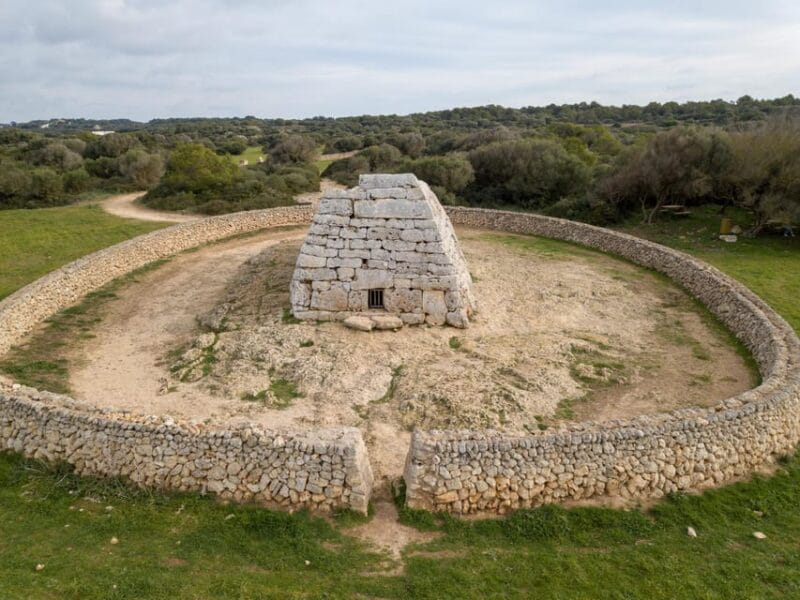
Your visit includes viewing the exterior and reading informative signs that explain the site’s history and construction techniques. Although no interior access is allowed, the exterior features and the interpretive information make it worthwhile. In fact, many reviewers find that the site’s historical significance outweighs the fact that you can’t step inside.
One visitor summed it up well: “I liked the site, and the history of the place. It is not very spectacular but if you pass through the route, it is worth seeing.” This comment reflects the experience of many who enjoy authentic, off-the-beaten-path sights without the crowds or fuss of guided tours.
Who Will Enjoy This
This experience is perfect for history and archaeology enthusiasts on a budget, or travelers seeking a quick, meaningful stop that adds cultural depth to their trip. It’s especially suitable for those who enjoy outdoor sights and interpretive signage but don’t require inside access or guided commentary. It’s also a great spot for families with older children interested in prehistoric cultures.
Keep in mind, if you or someone in your group has mobility issues, the site’s outdoor nature and limited pathways mean it might not be the best fit. Also, bring sun protection, water, and comfortable shoes—there’s some walking involved, and the Mediterranean sun can be intense.
More Great Tours NearbyPractical Tips for Visiting Naveta des Tudons
- Wear comfortable shoes — the outside is rocky and uneven.
- Bring water and sunblock — there’s limited shade, and the sun can be strong.
- Visit early or late in the day — avoiding midday heat makes the experience more pleasant.
- Read the signs carefully — they add valuable context to what you’re seeing.
- No climbing or entering the monument — respect the rules to help preserve this ancient site.
- Photography outside only — capturing from a respectful distance is permitted and encouraged.
- Check availability in advance — ticket times can vary, and the site is open for a single day.
Final Thoughts: Is It Worth It?
For just over two dollars, the Naveta des Tudons offers a surprisingly rich peek into Menorca’s early civilizations. It’s a straightforward visit that rewards curiosity about ancient burial practices and stone craftsmanship. The exterior view alone sparks the imagination, and the archaeological finds make it more than just a photo op.
If you’re a traveler who enjoys authentic, unpretentious sites with historical significance, you’ll find this worth the short detour. It’s an affordable, no-fuss addition to your Menorca itinerary that enriches your understanding of the island’s prehistoric past.
However, if you’re eager for inside access or guided stories, you might find this experience a bit limited. Still, the interpretive signs and outdoor views provide enough substance to satisfy most casual history buffs.
In brief, Naveta des Tudons is a genuine piece of Menorca’s soul—an ancient tomb that’s simple, striking, and well worth the modest entrance fee. It’s a spot that invites reflection on those who built it thousands of years ago and reminds us of the enduring nature of human craftsmanship.
FAQ
Is the ticket valid for multiple visits on the same day?
No, the ticket is valid for one day only, so plan your visit accordingly.
Can I enter the naveta?
No, entry inside the monument is not permitted for safety and conservation reasons.
How much does the ticket cost?
The entrance fee is approximately $2.28 per person, making it a very budget-friendly experience.
Where do I exchange my ticket?
You should go to the wooden kiosk at the site to exchange your voucher for your entry ticket.
How long does the visit take?
The visit can be as quick or as long as you like, but most people spend about 15-20 minutes viewing the outside and reading signs.
Are guided tours included?
No, this ticket does not include a guided tour. You’ll explore independently, which suits those who prefer self-guided experiences.
Is it accessible for people with mobility impairments?
The outdoor nature of the site and limited pathways mean it’s probably not suitable for visitors with mobility issues.
What should I bring for the visit?
Comfortable shoes, water, sun protection, and a camera for outside photos are recommended.
Can I take photos inside the monument?
Photography is only allowed outside the monument; interior access is not permitted.
In summary, if you’re looking for an authentic, affordable glimpse into Menorca’s prehistoric past, Naveta des Tudons offers just that—an intriguing, well-preserved monument with enough story and scenery to make it a worthwhile stop.
You can check availability for your dates here: