
Immersing oneself in the art of Japanese confectionery can be a truly captivating experience. At a private studio in the heart of Tokyo, visitors have the unique opportunity to learn the intricate techniques behind crafting traditional wagashi, such as mochi and nerikiri. Through personalized guidance and hands-on demonstrations, this class promises to unveil the rich cultural heritage and meticulous craftsmanship that define these delightful sweets. With the chance to savor your handmade creations alongside fragrant tea, this culinary adventure offers a delectable glimpse into the world of Japanese sweets.
Key Points
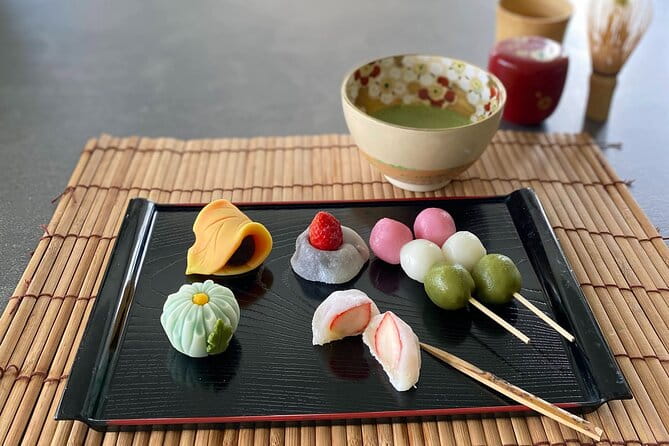
- Hands-on workshop teaching traditional Japanese wagashi confections, including mochi and nerikiri sweets, in a private home studio in Tokyo.
- Small group format with personal attention from experienced instructors, providing cultural insights and step-by-step guidance in making and decorating the sweets.
- Complimentary matcha green tea or herbal tea, and an English recipe sheet to take home for reference.
- Class suitable for travelers of all ages, with a minimum age of 4 and a maximum group size of 12.
- Highly rated workshop with a focus on kneading, shaping, and artful presentation of the homemade Japanese desserts.
Class Overview and Structure
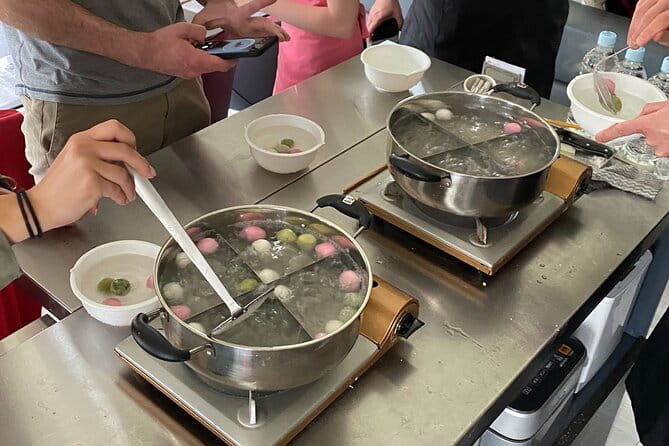
The Japanese sweets making class focuses on the creation of traditional wagashi confections.
It’s held in a private home in Tokyo, with mochi-making available upon request. The small-group format ensures personal attention, and travelers can choose between morning or afternoon sessions.
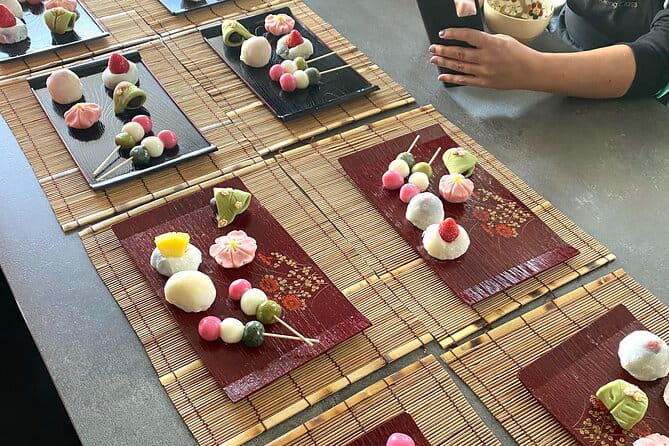
The sample menu showcases classic wagashi like strawberry daifuku, three-color dango, and nerikiri sweets.
Travelers receive an English recipe sheet, along with matcha or herbal tea to complement their handmade treats.
The class accommodates up to 12 participants, with a minimum booking of 2 people and age restrictions.
Want to keep it personal? More private experiences we love in Tokyo
Sample Menu
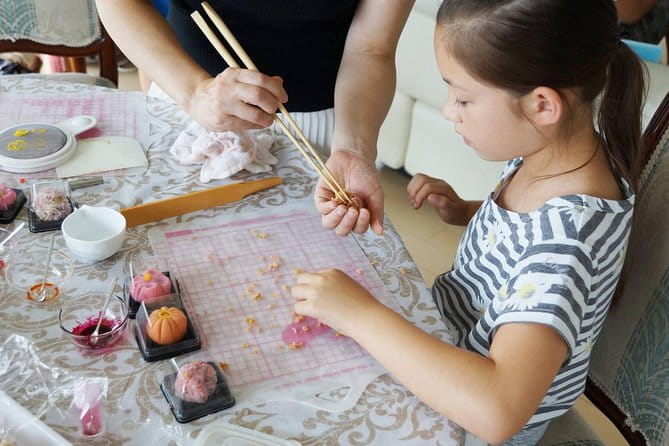
A sample menu for the Japanese sweets making class showcases three classic wagashi confections.
Students will learn to create:
- Strawberry Daifuku: Mochi with bean paste and strawberry filling (2 pcs)
- Three Color Dango: Mochi balls on skewers (2 pcs)
- Nerikiri Wagashi: Traditional sweets using dough made with bean paste and mochi (2 pcs)
These delicate, artful treats offer a taste of Japan’s rich confectionery heritage.
Under the guidance of skilled instructors, you will gain hands-on experience in the time-honored techniques of wagashi preparation, from kneading the mochi dough to shaping and decorating the final products.
Included Features
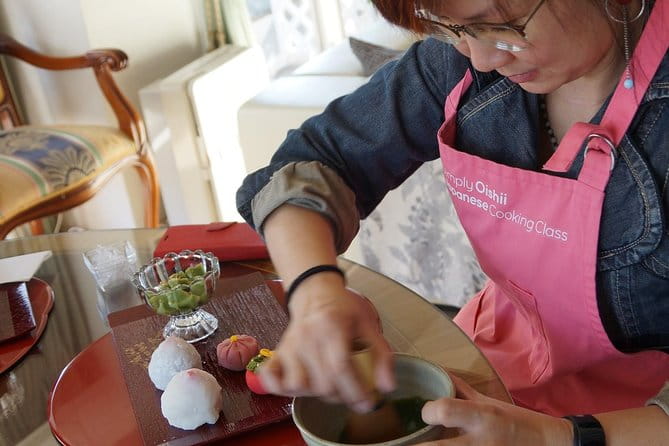
Participants in the Japanese sweets making class can expect a hands-on, immersive experience.
The class includes a traditional sweets making lesson where students will learn the craft of creating wagashi. They’ll get to taste the sweets they make, including strawberry daifuku, three-color dango, and nerikiri wagashi.
Aprons are provided, and students will receive an English recipe sheet to take home. The class also includes matcha green tea or non-caffeinated tea.
However, no other food or drinks are included, and there’s no hotel pickup or drop-off service provided.
Meeting Point and Logistics
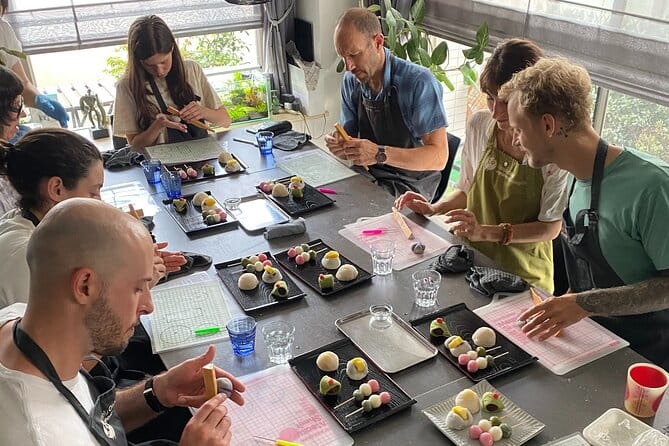
To attend the Japanese sweets making class, participants should head to the specified address in Meguro City, Tokyo, near a Family Mart convenience store.
The entrance is up stairs or a slope, and visitors should call #303 for entry.
The class has a maximum capacity of 12 travelers, with a minimum booking of 2 people.
Age restrictions apply, with a minimum age of 4 and infants permitted on laps.
- Address: Tokyo, Meguro City, near Family Mart Convenience Store
- Access: Go up stairs or slope to find entrance, call #303 for entry
- Class capacity: Maximum of 12 travelers
- Minimum booking: 2 people; age restrictions apply (minimum age 4, infants on laps)
Reviews and Feedback
How has the Japanese sweets making class been received by participants?
Based on over a dozen reviews, the class has earned an impressive 4.9-star average rating.
Travelers have enthusiastically highlighted the patient and knowledgeable instructors, the hands-on approach with detailed guidance, and the valuable cultural insights, including a tea ceremony.
Many praised the opportunity to learn the history and craft of traditional wagashi sweets.
The free cancellation policy has also been appreciated.
With a small-group format, participants enjoy personalized attention in creating mochi, dango, and nerikiri.
Here are more great tours and experiences we've reviewed in Tokyo
- Tokyo From Meiji Shrine to Shibuya Crossing & Lunch,Dessert
- Meiji Shrine Visit and Shopping & Sweets Tour in Harajuku
- Making Wagashi (Japanese Sweets) at Tokyo’S Koboji Temple
- Tokyo : Asakusa Sweets Hunting and Kimono Shopping Tour
- Tokyo Jewelry Sweets Experience With Kaori Review
- 2 Hours Sweets and Palm Reading Tour in Asakusa
The Art of Wagashi Making
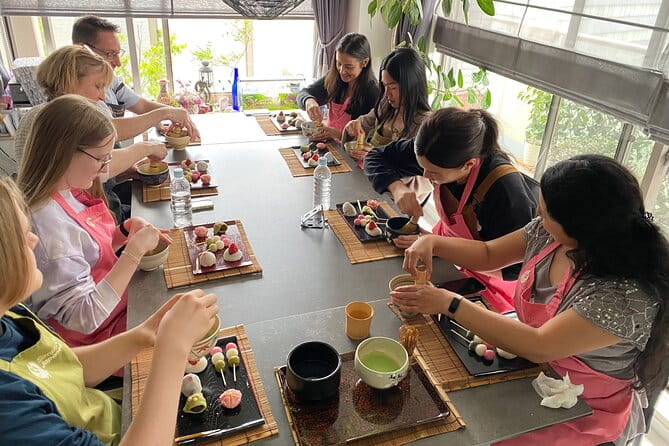
The art of wagashi making is a centuries-old tradition that combines intricate techniques, seasonal ingredients, and cultural significance.
In this class, you’ll learn the nuanced skills required to craft these delicate Japanese confections:
- Mochi-making: Gently manipulating sticky rice dough to shape and fill with sweet bean paste
- Nerikiri: Expertly blending mochi and bean paste to create vibrant, intricate designs
- Seasonal ingredients: Showcasing the freshest fruits, vegetables, and flowers in each creation
- Cultural traditions: Exploring the historical origins and symbolic meanings of wagashi
This hands-on experience promises to immerse you in the captivating world of Japanese sweets artistry.
Mastering Mochi Craftsmanship
Although mochi-making may appear delicate and intricate, the process involves a series of carefully orchestrated steps that, when mastered, yield remarkably supple and flavorful results.
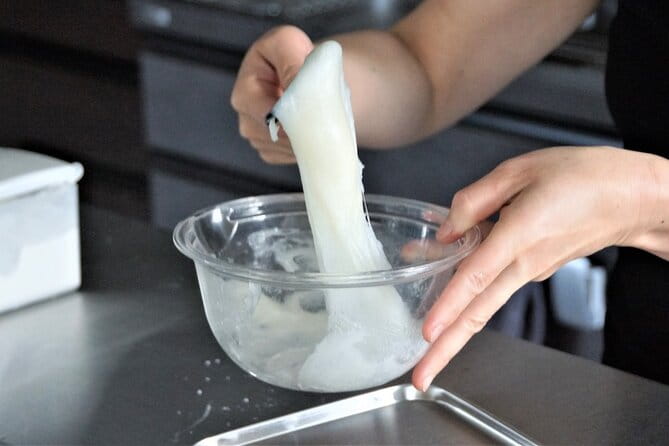
Students learn to expertly knead the sticky rice dough, shaping it into plump, bite-sized pieces. They meticulously fill each mochi with an array of sweet bean pastes, fruit compotes, and other traditional fillings.
The final touch requires deftly wrapping the mochi in colorful, edible rice paper, preserving its soft, pillowy texture.
Exploring Nerikiri Traditions
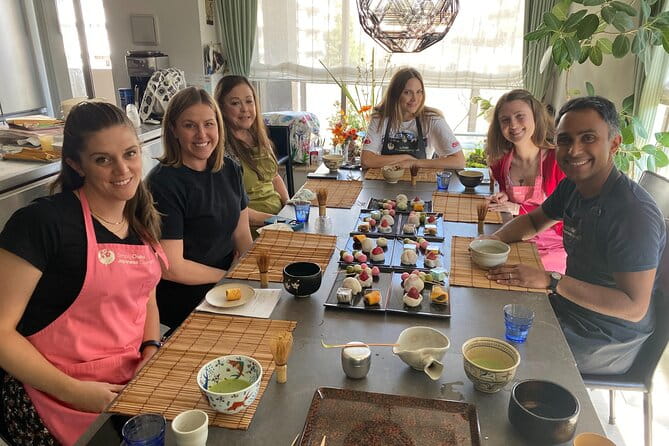
Nerikiri, the intricate and visually captivating wagashi, represent a time-honored Japanese confectionery tradition.
These elegant sweets captivate with their delicate textures, vibrant colors, and exquisite designs.
During the hands-on wagashi class, you will:
- Learn the art of kneading and shaping nerikiri dough, made from bean paste and mochi
- Discover techniques for creating intricate floral and seasonal motifs
- Understand the symbolism and cultural significance behind traditional nerikiri designs
- Savor the refined flavors and textures of the meticulously crafted nerikiri confections
The class offers a immersive exploration of this revered Japanese culinary art form.
Frequently Asked Questions
Can I Bring My Own Ingredients to the Class?
Bringing your own ingredients to the class is not mentioned in the class overview. The class provides all necessary ingredients and materials for the traditional sweets making lesson. Participants should follow the instructions provided by the knowledgeable instructors.
Is the Studio Accessible for People With Disabilities?
The studio’s accessibility for people with disabilities isn’t explicitly mentioned. However, the entrance has stairs or a slope, which may pose challenges. It’s best to inquire with the host about specific accommodations before booking.
Do You Offer Gluten-Free or Vegan Sweets Options?
The studio doesn’t currently offer gluten-free or vegan sweets options. They’re focused on traditional Japanese wagashi made with mochi and bean paste. Customers with dietary restrictions should inquire about potential accommodations when booking.
Can I Take the Leftover Sweets Home With Me?
Yes, participants can take home any leftover sweets they’ve made during the class. The instructor provides containers for storing the sweets, allowing you to enjoy your handcrafted creations later.
Is the Class Suitable for Children Under 4 Years Old?
The class has a minimum age requirement of 4 years old. Infants are allowed to attend on laps, but the class may not be suitable for children under 4 due to the hands-on nature of the activities.
The Sum Up
Enjoy the captivating world of Japanese sweets-making at this private studio workshop. Hone your skills in crafting delectable mochi and nerikiri, while gaining insights into the rich cultural traditions behind these delights. With personalized guidance and the chance to savor your handmade creations, this experience promises a truly memorable culinary adventure that you can recreate at home.
More Dessert Tours in Tokyo
- Tea Tasting & Japanese Sweets-Making Experience
- Matcha Tea Making With Sweets Experience
- To All Vegans! Ramen,Sweets & Amusement Arcade in Shibuya!
- Japanese Dessert & Sake Pairing & Retro Tokyo Walk W/ Local Guide
- Traditional Japanese Sencha Tea Brewing Lesson With Sweets
- Tokyo: Japanese Sweets Making Experience
More Private Tours in Tokyo
- Tokyo Private Driving Tour by Car/Van With English Chauffeur
- 8-hour Tokyo Private Tour, Experience Modern Japan
- Private Haneda Airport (HND) to Central Tokyo City Transfer
- Tokyo 6hr Private Guided Tour & Tablet Guided Origami Experience
- Private Transfer Between Tokyo and Lake Kawaguchi/Mt. Fuji/Hakone
- Tokyo Customized Private Walking Tour With Local Guide
More Tour Reviews in Tokyo
Not for you? Here's more things to do in Tokyo we have recnetly reviewed
- Tokyo Private Half Day Tour With Licensed Guide by Car
- Tokyo City Cherry Blossom Private Sightseeing Tour
- 1 Day Tokyo Private Tour With English Speaking Guide
- Audio Guide Tour in The East Gardens of the Imperial Palace
- Private Karuizawa, Nagano Tour – Bilingual Chauffeur
- Sunday Morning JDM Experience
- Mt. Fuji 5th Station and Hakone Day Tour From Tokyo
- True Tokyo Luxury Shopping Private Tour
- Discover Your Tokyo -Private Tokyo Customized Walking Tour-
- Simple and Fun to Make Inari Sushi Party in Tokyo
- JDM Daikoku Car Meet GTR35 600HP to Famous Spot
- Experience of Large Calligraphy Performance in Asakusa Tokyo