
The Hiroshima Walking Tour provides a profound exploration into the historical events that led to the devastating atomic bombing of the city in 1945. Guides expertly unpack the complex geopolitical tensions between the United States, Soviet Union, and Japan during World War II, shedding light on the strategic considerations that factored into this momentous decision. As visitors walk the hallowed grounds, they’ll gain a deeper understanding of the catastrophic human toll and the lasting global impact of nuclear warfare. The tour leaves participants with much to ponder about the fragility of peace and the enduring quest for a more just world.
Key Points
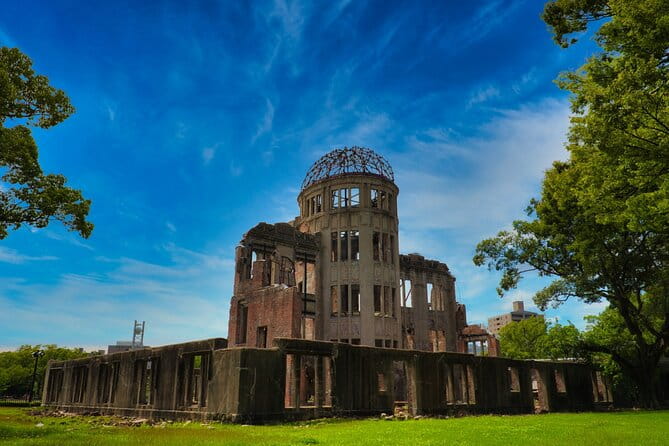
- The Hiroshima walking tour provides historical context on the political tensions leading to the US decision to drop the atomic bomb on the city.
- The tour explains Japan’s role in World War II and how the decision-making process unfolded behind the use of the atomic bomb.
- Guides share personal stories and accounts of the devastating human toll, highlighting the horrors of the bombing’s aftermath.
- The tour emphasizes the lasting impact of the bombing, including environmental contamination and psychological trauma experienced by survivors.
- The tour encourages reflection on the significance of Hiroshima in world history and the need for nuclear disarmament.
The Hiroshima Bombsite Tour
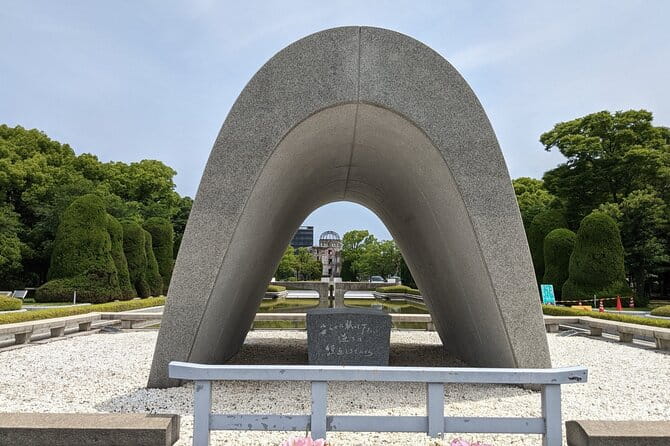
The Hiroshima Bombsite Tour takes visitors through the poignant sites that bear witness to the aftermath of the 1945 atomic bombing.
Guides lead the group to the Atomic Bomb Dome, a haunting reminder of the destruction. Participants learn the historical context and hear personal stories, fostering a deeper understanding of Hiroshima’s tragedy.
The tour then proceeds to the Peace Memorial Park and Museum, where visitors reflect on the horrors of nuclear warfare.
Throughout the experience, the guides strike a delicate balance, conveying the gravity of the events while honoring the resilience of the Hiroshima community.
If you're enjoying exploring Hiroshima on foot, you'll love these other walking tours we recommend
Exploring the Atomic Bomb Dome
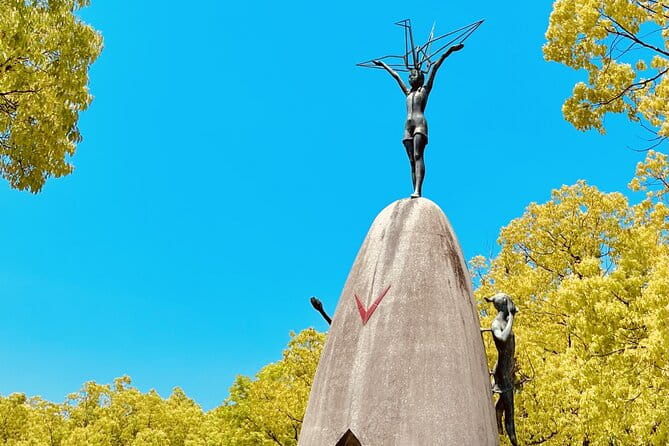
As visitors approach the iconic Atomic Bomb Dome, they’re struck by its haunting presence, a grim relic of the 1945 atomic blast that devastated Hiroshima.
The dome, once the Prefectural Industrial Promotion Hall, stands as a powerful symbol of resilience and a sobering reminder of the atrocities of war.
Visitors can:
- Examine the building’s skeletal framework, a testament to the immense force of the explosion.
- Reflect on the personal stories of those who perished in the attack.
- Gain a deeper understanding of the nuclear age’s impact on Hiroshima and the world.
- Honor the victims and survivors through quiet contemplation.
Significance of the Hiroshima Peace Memorial
The Hiroshima Peace Memorial stands as a poignant reminder of the city’s resilience and the global necessity for nuclear disarmament. This UNESCO World Heritage site memorializes the horrors of the atomic bombing, preserving the remains of the iconic Atomic Bomb Dome as a powerful symbol.
Visitors to the memorial gain a deeper understanding of the devastating human toll and long-lasting impacts. The adjacent Peace Memorial Museum further enlightens with sobering exhibits, personal accounts, and educational programs.
Together, these sites inspire reflection on the importance of peace and fostering international cooperation to prevent such catastrophic events from occurring again.
Perspective on the Devastation and Aftermath
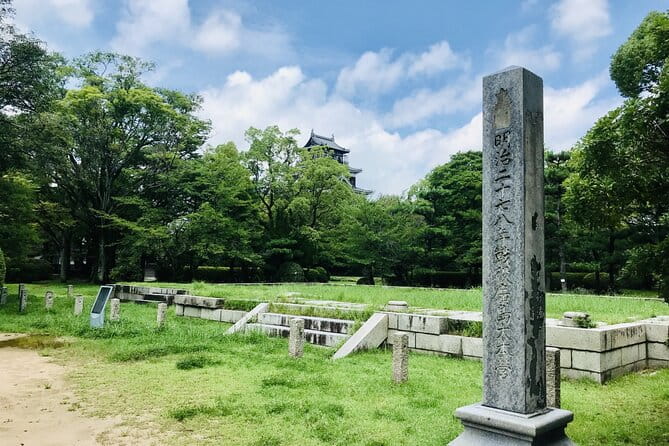
Stepping into the Hiroshima Walking Tour, participants confront the sobering realities of the atomic bombing and its lingering aftermath.
The guides skillfully navigate this delicate territory, fostering understanding without sensationalism. Through their accounts, the sheer devastation comes to life – lives lost, buildings destroyed, and the landscape forever scarred.
Participants gain insights into:
- The immense human toll, with thousands perishing instantly and many more succumbing to radiation sickness in the years that followed.
- The lasting environmental impact, as radioactive fallout contaminated the soil and water.
- The psychological trauma endured by survivors, their stories of resilience and healing.
- The global significance of Hiroshima, a symbol of the horrors of nuclear warfare.
Understanding the Historical Context
While the Hiroshima Walking Tour focuses on the devastating aftermath of the atomic bombing, guides also provide essential historical context to help participants understand the broader circumstances leading up to this pivotal moment.
Guides detail the political tensions between the United States, Soviet Union, and Japan prior to World War II, as well as Japan’s role in the war and the decision to use the atomic bomb.
Participants gain a deeper appreciation for the complex factors that culminated in the Hiroshima tragedy, fostering a more comprehensive understanding of this watershed event in world history.
Emotional Connections and Personal Stories
As participants embark on the Hiroshima Walking Tour, they’re often struck by the emotional connection they develop with the subject matter.
The guides skillfully weave personal stories into the historical context, lending a poignant human dimension to the tour.
Visitors may:
- Feel a somber sense of reverence when visiting the Atomic Bomb Dome
- Reflect on the resilience of the Hiroshima people in the face of unimaginable tragedy
- Gain a deeper understanding of the lasting impact on survivors and their families
- Leave the tour with a renewed appreciation for the importance of peace and non-violence.
Recommendations for Post-Tour Activities
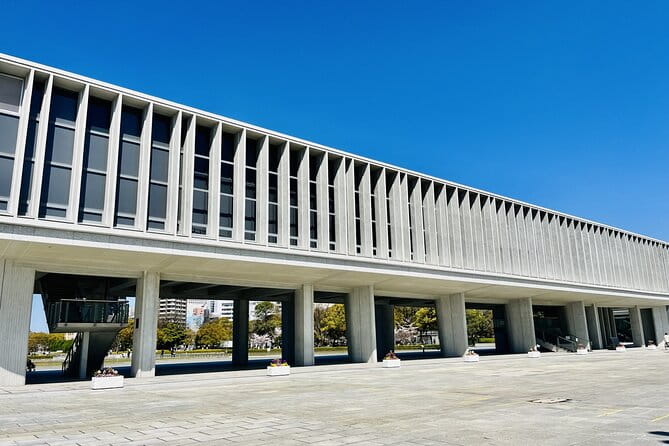
After the somber experience of the Hiroshima Walking Tour, guides often recommend a variety of post-tour activities to help visitors process the emotions and continue their exploration of the city.
Travelers may be directed to local dining establishments, showcasing the resilience and culinary traditions of Hiroshima. Nearby shopping districts offer opportunities to discover unique crafts and souvenirs.
Guides may also suggest visiting the Peace Memorial Park and Museum to further explore the historical context and personal stories surrounding the atomic bombing.
These recommendations provide a well-rounded experience, allowing visitors to engage with Hiroshima’s past, present, and future.
Preparing for an Impactful Experience
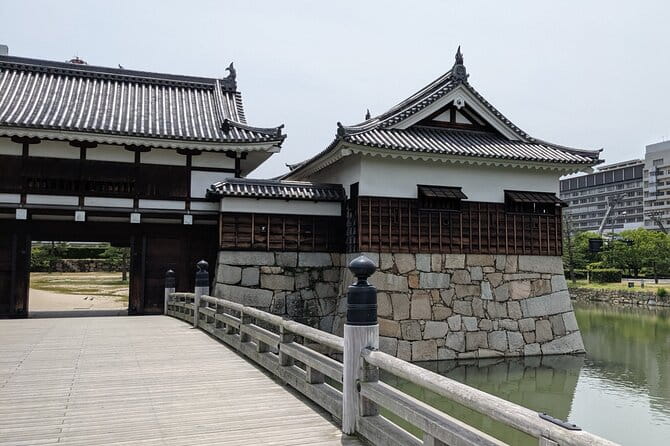
How can visitors best prepare for the emotional and impactful experience of the Hiroshima Walking Tour?
Educating oneself beforehand can enhance the tour’s resonance. Travelers should:
- Read about the history of the atomic bombing and its aftermath to contextualize the sites visited.
- Reflect on personal feelings and emotions they may encounter, preparing themselves mentally and emotionally.
- Pack tissues, as the subject matter can be deeply moving for some.
- Arrive with an open mind, ready to listen, learn, and honor the victims and survivors.
Approaching the tour with thoughtfulness and sensitivity can ensure a profound and meaningful experience.
Frequently Asked Questions
Was the Bomb Dropped Intentionally to Destroy Hiroshima?
The bomb was dropped intentionally on Hiroshima to destroy the city and its military targets. It was a calculated decision made by the US government during World War II, with the goal of forcing Japan’s surrender.
Why Were Nuclear Weapons Developed During World War II?
Nuclear weapons were developed during World War II as a strategic military advantage. The US pursued the Manhattan Project to create an atomic bomb, believing it could bring a quicker end to the war against Japan.
How Many People Died in the Hiroshima Atomic Bombing?
The 1945 Hiroshima atomic bombing killed around 70,000 people instantly, with tens of thousands more dying later from radiation exposure. It was one of the deadliest attacks in human history, marking a tragic chapter in World War II.
What Long-Term Effects Did the Bombing Have on Hiroshima?
The Hiroshima bombing had long-lasting effects, including high rates of radiation sickness, cancer, and birth defects. The city’s infrastructure was devastated, and recovery efforts were hampered by the immense scale of the destruction and the radioactive fallout.
Are There Any Ongoing Efforts to Prevent Nuclear Warfare?
There are ongoing global efforts to prevent nuclear warfare, including nuclear disarmament treaties, international organizations like the IAEA, and grassroots movements advocating for nuclear abolition. These aim to reduce nuclear stockpiles and promote peaceful uses of nuclear technology.
The Sum Up
The Hiroshima Walking Tour provides a powerful and thought-provoking exploration of the historical context and devastating consequences of the atomic bombing. By examining the political dynamics and strategic considerations that led to this catastrophic event, visitors gain a deeper understanding of Hiroshima’s pivotal role in shaping global history and the ongoing efforts for peace. The tour fosters an emotional connection to the personal stories, reminding attendees of the human impact and the importance of nuclear disarmament.
More Walking Tours in Hiroshima
- Miyajima Half-day Trip Historical Walking Tour
- Hiroshima and Miyajima A Walk Through of History and Peace
- 7 Hours Private Customizable Walking Tour in Hiroshima
- Hiroshima Local Food and Peace Memorial Park 1 Day Walking Tour
- 3 Hours Walking Tour in Hiroshima Peace Memorial Park
- Hiroshima Custom Private Walking Tour With Licensed Guide (4/8h)
More Tours in Hiroshima
- Hiroshima Peace Memorial and Atomic Bomb Dome Private Tour
- Bouldering, Sake and Food, Local Gem Hiroshima Evening Tour
- Hiroshima Peace Memorial Park Private Guided Walking Tour
- Half-Day Hiroshima Highlights Tour
- Miyajima Island Tour With Certified Local Guide
- Hiroshima Peace (Heiwa) Walking Tour at World Heritage Sites
More Tour Reviews in Hiroshima
- Hiroshima Castle 1h Guide Tour
- Enjoy Korakuen Japanese Garden and Old Japanese Street Kurashiki
- Hiroshima Peace Memorial and Highlights Private Tour With a Local
- Time With a Japanese Master Swordsmith a Insight and Appreciation
- Forge Your Own Knife From Katana-Steel With a Master Swordsmith
- 1-Day Miyajima Sightseeing Tour
Not for you? Here's more things to do in Hiroshima we have recnetly reviewed
- Enjoy Okonomiyaki at Okonomi-mura in Hiroshima
- 5-Day One Way Bus Trip to North Hyogo From Fukuoka to Hiroshima
- Matcha and Japanese Dance With Kimono and Photography Experience
- Private Transfer From Hiroshima Port to Hiroshima Airport (HIJ)
- Hiroshima and Miyajima 2 Days Bus Tour From Osaka and Kyoto
- Hiroshima and Miyajima Bus Tour With Indian Lunch
- Full-Day Private Guided Tour in Hiroshima
- Hiroshima Data Esim 0.5gb Daily to 50GB 30 Days
- Hiroshima 6hr Private Guided Tour & Shopping With Concierge
- 2-Hour Private Hiroshima Morning Tour
- Onomichi 9hr Private Tour – Hiroshima DEP. With Licensed Guide
- 2 Hour Private Morning Tour Highlights in Peace Memorial Park