
Hiroshima and Miyajima offer a profound journey through the juxtaposition of past and present. While Hiroshima’s Peace Memorial Park stands as a poignant reminder of the devastating atomic bombing, Miyajima’s iconic Itsukushima Shrine embodies Japan’s rich cultural heritage. These two destinations provide a thought-provoking exploration of history, resilience, and the ongoing pursuit of peace. As visitors navigate this powerful landscape, they’ll uncover the delicate balance between humanity’s darkest moments and its capacity for healing and hope.
Key Points
- Hiroshima symbolizes resilience, peace, and reconciliation, showcased through the Peace Memorial Park and Museum’s stark reminders of nuclear warfare.
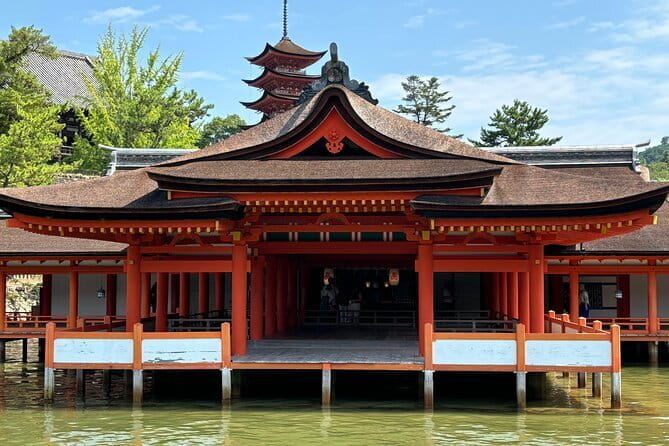
- Miyajima offers a tranquil contrast, featuring the iconic vermilion Torii gate and the UNESCO-listed Itsukushima Shrine with its rich cultural heritage.
- The tour of Hiroshima’s Atomic Bomb Dome and the Peace Memorial Museum conveys the immense human tragedy and the importance of nuclear disarmament.
- The ferry ride across the Inland Sea to Miyajima provides scenic views and an opportunity to explore the island’s natural beauty and friendly deer.
- Miyajima’s ancient temples, traditional crafts, and folklore contribute to a deeper understanding of the region’s cultural significance and spiritual connection.
The Enduring Legacy of Hiroshima
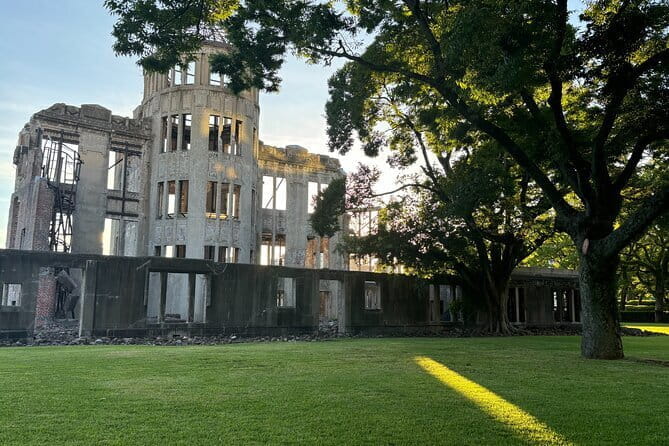
Though the atomic bomb that devastated Hiroshima on August 6, 1945 unleashed untold destruction, the city’s enduring legacy extends far beyond that fateful day.
Today, Hiroshima stands as a symbol of resilience, peace, and reconciliation. The Peace Memorial Park and Museum serve as powerful reminders of the horrors of nuclear warfare, while also inspiring visitors to work towards a future free from such atrocities.
Hiroshima’s message of hope has resonated globally, fostering international cooperation and disarmament efforts. The city’s reconstruction, guided by a commitment to peace, has transformed it into a vibrant, forward-looking metropolis.
If you're enjoying exploring Hiroshima on foot, you'll love these other walking tours we recommend
Exploring the Peace Memorial Park
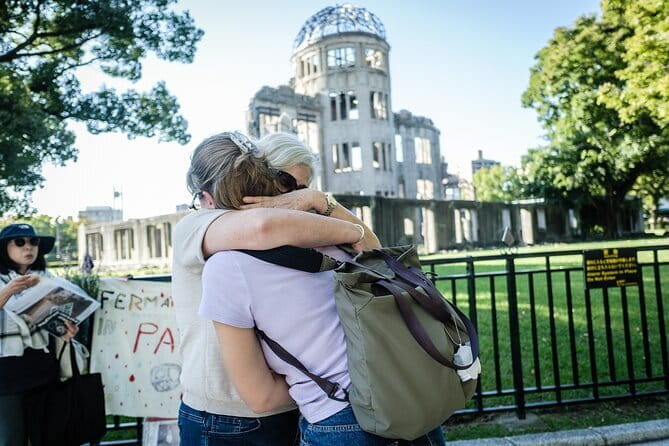
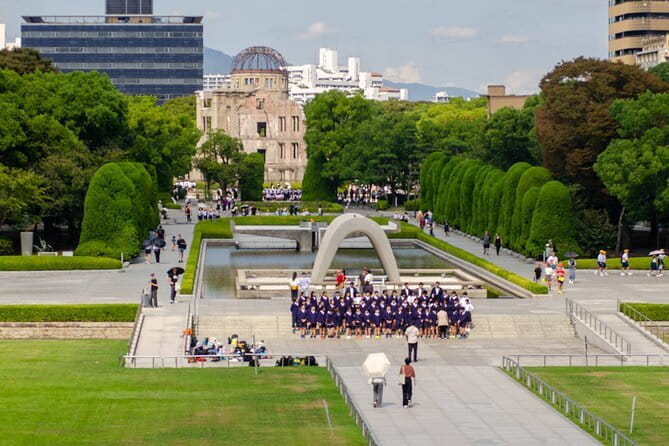
The Peace Memorial Park in Hiroshima stands as a solemn and poignant testament to the city’s resilience. Visitors are drawn to the iconic A-Bomb Dome, a haunting reminder of the devastation caused by the atomic bomb.
The park’s centerpiece, the Peace Memorial Museum, offers a powerful and thought-provoking experience, guiding visitors through the horrors of that fateful day and the ongoing quest for peace.
Nearby, the Children’s Peace Monument pays tribute to the innocent victims, while the Cenotaph for the A-Bomb Victims honors those who perished.
Throughout the park, the lingering scars of the past intersect with a steadfast dedication to a future free from nuclear warfare.
Uncovering the Horrors of the Atomic Bomb
Stepping beyond the solemn reminders of the Peace Memorial Park, the tour ventures into the heart of Hiroshima’s most harrowing chapter.
The guide leads visitors through the Atomic Bomb Dome, a chilling reminder of the devastation wrought by the nuclear blast. Haunting personal accounts, preserved artifacts, and vivid testimonies unfold, conveying the immense human tragedy.
Visitors confront the sobering reality of the bomb’s impact, grappling with the immense loss of life and the lasting trauma that scarred the city.
The tour’s emotional weight underscores the profound importance of nuclear disarmament and global peace.
Crossing the Inland Sea to Miyajima
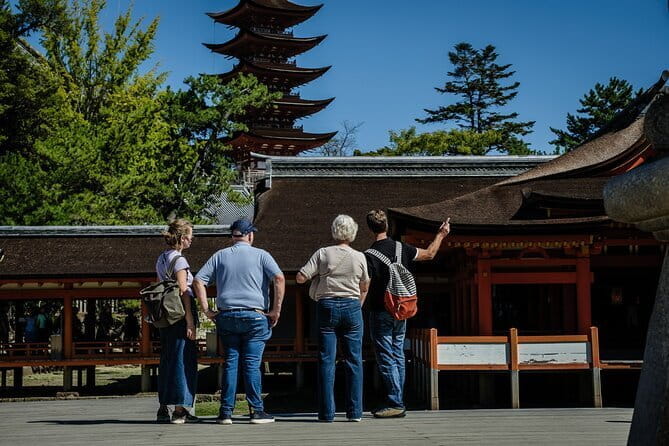
After confronting the somber realities of the atomic bomb’s devastation, the tour pivots towards the serene beauty of Miyajima, an island oasis in the Inland Sea.
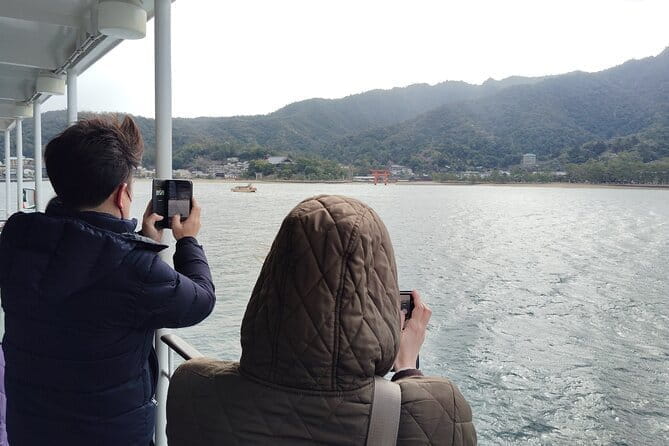
Leaving Hiroshima, the group boards a ferry for the short voyage across the sparkling waters. Upon arrival, they’re greeted by the iconic vermilion Torii gate, seemingly floating on the tides.
Guests explore the shrine complex, hike to scenic viewpoints, and encounter friendly deer roaming the streets.
The tranquil atmosphere and rich cultural heritage of Miyajima provide a restorative contrast to the earlier heavy themes, offering a glimpse of Japan’s natural splendor.
The Iconic Floating Torii Gate
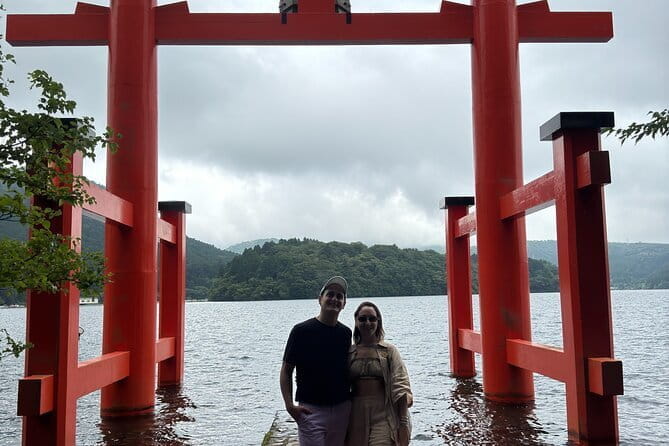
Visitors to Miyajima are immediately captivated by the iconic vermilion Torii gate that appears to float atop the waters of the Seto Inland Sea.
This 53-foot tall gate is one of the most recognizable landmarks in Japan, serving as the symbolic entrance to the sacred island.
As the tide rises, the gate’s reflection creates a stunning, mirror-like effect, making it seem to levitate.
Countless visitors have made the pilgrimage to Miyajima to witness this breathtaking sight, which has become an enduring symbol of Japan’s natural beauty and spiritual heritage.
Fascinated by Hiroshima's past? More historical tours we've covered
- Hiroshima: Miyajima Half-day Historical Walking Tour
- Hiroshima History Tour Review: A Memorable Experience
- Hiroshima Historical Walking Tour – Why A-Bomb Was Dropped
- Hiroshima’s Historic Walk: Castle, Dome & Peace Park
- Hiroshima Heritage Trail Review: A Memorable Experience
- Hiroshima: Peace Walking Tour of World Heritage Sites
Discovering the Serenity of the Itsukushima Shrine
As visitors step off the ferry and onto the island of Miyajima, they’re immediately drawn to the serene presence of the Itsukushima Shrine. This iconic UNESCO World Heritage site, dating back to the 6th century, sits peacefully on the water’s edge, its vermilion torii gate appearing to float at high tide.
| Architectural Highlights | Ritual Traditions | Symbolic Significance |
|---|---|---|
| Wooden structures with sweeping thatched roofs | Purification rituals performed in the shrine’s waters | Representing the connection between the human and divine realms |
| Expansive prayer hall and numerous smaller shrines | Seasonal festivals honoring the Shinto deities | Embodying the harmony between nature and spirituality |
The tranquil atmosphere and stunning natural setting make Itsukushima Shrine a profound and unforgettable experience for all who visit.
Delving Into Miyajima’s Rich Cultural Heritage
Beyond the iconic Itsukushima Shrine, Miyajima’s rich cultural heritage unveils itself through a tapestry of historical sites, traditional crafts, and captivating folklore.
Dotting the island, ancient Buddhist temples and Shinto shrines offer glimpses into the region’s spiritual past. Artisans continue time-honored techniques, crafting intricate lacquerware, delicate woodcarvings, and vibrant textiles.
Legends of shape-shifting deer and miraculous deities add an air of enchantment. From the revered Five-story Pagoda to the picturesque vermilion Torii gate, Miyajima’s layered history and living traditions captivate visitors, inviting deeper exploration of this sacred island.
Reflections on Peace, History, and Resilience
Though the serene natural beauty of Miyajima captivates, Hiroshima’s lasting legacy as the first city to endure an atomic bombing beckons visitors to reflect on the horrors of war and the resilience of the human spirit.
The Peace Memorial Park serves as a sobering reminder, its monuments honoring the victims and advocating for global peace.
Survivors’ accounts offer poignant insights into the unimaginable suffering and remarkable recovery.
Visitors feel the weight of history as they tour the remnants of the Atomic Bomb Dome, a UNESCO World Heritage site.
Hiroshima’s resilience inspires hope, reminding us of the human capacity to overcome even the most devastating tragedies.
Frequently Asked Questions
What Is the Cancellation Policy for the Tour?
The cancellation policy is flexible – guests can cancel up to 72 hours before the tour for a full refund. There are no penalties for last-minute cancellations, allowing for an easy booking process.
Can We Customize the Tour Itinerary Further?
Yes, the tour itinerary can be customized further based on the group’s preferences. The local guide will work with you to create a personalized experience that aligns with your interests and needs.
How Many People Are Typically in a Tour Group?
Tour group sizes are typically small, ranging from 2 to 8 participants. This allows for a more personalized experience and the ability to adapt the itinerary to the group’s preferences and interests.
Are There Any Dietary Restrictions or Accommodations?
The tour allows for dietary restrictions and accommodations. Vegetarian, vegan, and gluten-free options are available upon request. The guide will work with you to ensure your dietary needs are met during the tour.
Are There Any Discounts or Package Deals Available?
No specific discounts or package deals are mentioned. However, the tour includes lunch, transportation, and entry fees, providing a convenient and inclusive experience. Guests should inquire with the local provider about any potential special offers or bundled pricing.
The Sum Up
Hiroshima and Miyajima offer a profound journey through Japan’s complex history and the enduring pursuit of peace. From the sobering reminders of the atomic bombing in Hiroshima to the serene beauty of Miyajima, visitors are confronted with the fragility and resilience of the human spirit. These places serve as powerful testaments to the lessons of the past and the ongoing commitment to creating a more peaceful world.
More Historical Tours in Hiroshima
- Takehara Historical Townscape Sake Tasting & Rabbit Island
- Miyajima UNESCO World Heritage Site Private Tour
- Morning Hiking Tour: Mt. Futaba & Hiroshimas History
- Samurai Immersion: Train & Capture History in Armor
- Hiroshima Guide Take You to Two World Heritage Sites in Hiroshima
- Hiroshima Historical Hot Spots Private Tour
More Walking Tours in Hiroshima
- Hiroshima Peace Memorial Park Private Guided Walking Tour
- Hiroshima Peace (Heiwa) Walking Tour at World Heritage Sites
- Miyajima Half-day Trip Historical Walking Tour
- 7 Hours Private Customizable Walking Tour in Hiroshima
- Hiroshima Walking Tour Why a Bomb Was Dropped to Hiroshima
- Hiroshima Local Food and Peace Memorial Park 1 Day Walking Tour
More Tour Reviews in Hiroshima
- Hiroshima Castle 1h Guide Tour
- Enjoy Korakuen Japanese Garden and Old Japanese Street Kurashiki
- Hiroshima Peace Memorial and Highlights Private Tour With a Local
- Time With a Japanese Master Swordsmith a Insight and Appreciation
- Forge Your Own Knife From Katana-Steel With a Master Swordsmith
- 1-Day Miyajima Sightseeing Tour
Not for you? Here's more things to do in Hiroshima we have recnetly reviewed
- Enjoy Okonomiyaki at Okonomi-mura in Hiroshima
- 5-Day One Way Bus Trip to North Hyogo From Fukuoka to Hiroshima
- Matcha and Japanese Dance With Kimono and Photography Experience
- Private Transfer From Hiroshima Port to Hiroshima Airport (HIJ)
- Hiroshima and Miyajima 2 Days Bus Tour From Osaka and Kyoto
- Hiroshima and Miyajima Bus Tour With Indian Lunch
- Full-Day Private Guided Tour in Hiroshima
- Hiroshima Data Esim 0.5gb Daily to 50GB 30 Days
- Hiroshima 6hr Private Guided Tour & Shopping With Concierge
- 2-Hour Private Hiroshima Morning Tour
- Onomichi 9hr Private Tour – Hiroshima DEP. With Licensed Guide
- 2 Hour Private Morning Tour Highlights in Peace Memorial Park