
Malta’s Heritage Pass offers an efficient way to explore the island’s ancient sites, museums, and scenic views in just three days. It includes access to over 20 attractions, from forts and temples to underground catacombs, along with unlimited hop-on hop-off bus rides and harbor cruises. With a price of around $92.69 per person, it promises a packed itinerary, especially for those eager to cover a lot without the hassle of buying individual tickets.
Two things I particularly like about this pass are the convenience of one ticket for multiple sites — saving time queuing and planning — and the inclusion of scenic cruises and bus routes that help you see Malta from different angles. However, some travelers have noted that not all attractions are open year-round, which can be frustrating if you’ve planned around specific visits. Still, for those who want a broad overview of Malta’s past and present, the Heritage Pass offers some real value.
One possible downside is the variability of experience quality; reviews mention issues like buses not always sticking to schedules or some sites being less maintained than expected. Plus, understanding how to use the pass properly can be confusing, especially since some reviews mention difficulty with site timings or closed attractions. But overall, if you’re organized and know what’s included, this pass can be a great way to maximize your three days.
Key points / Takeaways

- Unlimited Access: The pass grants unlimited use of hop-on hop-off buses over three days, making it easy to hop between sites at your own pace.
- Diverse Attractions: It covers more than 20 sites, from archaeological temples to museums and historic forts, providing a broad cultural snapshot.
- Cruise Included: The harbor cruise around Valletta and the Three Cities is free with Wi-Fi onboard, adding a relaxing scenic element.
- Time Management: Each stop generally allows about an hour, so planning your day efficiently is key to fitting everything in.
- Mixed Reviews on Reliability: Some reviews praise the helpful guides and smooth bus service, while others report schedule hiccups and closed attractions, so flexibility is advised.
- Value for Money: The price compares favorably to paying for individual entries, especially if you plan to visit multiple sites and take the cruises.
Exploring Malta in Depth with the Heritage Pass
Fascinated by Valletta's past? More historical tours we've covered
A Bundle of Malta’s Top Attractions
The Heritage Pass is essentially a ticket to a concentrated crash course in Malta’s incredible history and vibrant culture. It’s designed for travelers who want to cover a lot of ground in a short time without the hassle of buying separate tickets or managing complicated schedules. I love the way it combines historical sites with scenic experiences, making it ideal for first-time visitors who want a broad, active overview.
The first stops include Fort St. Elmo and the National War Museum. Fort St. Elmo, a star-shaped fortress on Valletta’s seaward edge, is famous for its role in the 1565 Great Siege. Standing there, you get a sense of the military significance of Malta. The museum inside offers free entry, and the views across the harbor are impressive — you’ll want your camera ready.
The Art and Natural History Stops
Next, the MUZA – The Malta National Community Art Museum is housed in an 18th-century palace and showcases works from both Maltese and foreign artists, mainly European styles. It’s a good stop if you’re into art, and admission is free, so it’s a sweet bonus. Not far away is the National Museum of Natural History in Mdina, which gives you a glimpse of Maltese ecosystems, endemic plants, and underwater life. It’s housed in a beautifully rebuilt 18th-century palace, and again, free entry makes it accessible.
Ancient Temples That Define Humanity’s Beginnings
The highlight for many is the Hagar Qim and Mnajdra archaeological sites. These megalithic temples are over 5,000 years old and truly astonishing. Built from soft globigerina limestone, their stones have withstood millennia, and their layout reflects complex spiritual practices. Bookings here are included in the pass, which is great because individual entry can be costly. Expect an hour to walk around, admire the stones, and ponder the fact that these are among the oldest religious sites on Earth.
Megalithic and Prehistoric Sites
You’ll also visit Skorba Temples and Borg In-nadur, two more archaeological complexes that shed light on Malta’s Neolithic and Bronze Age periods. These sites are less crowded and offer a more intimate experience, although some reviews suggest they are less “spectacular” than Hagar Qim. Still, they’re essential for understanding Malta’s ancient history.
Military and Maritime Heritage
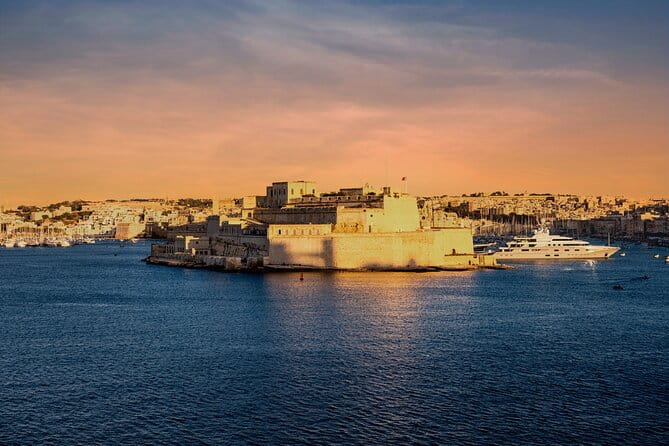
Moving to Fort St. Angelo in Birgu, you get a sense of Malta’s strategic importance. This fortress was the Order of Saint John’s headquarters during the Great Siege and later served as a key naval base. The Malta Maritime Museum in Birgu is housed in a historic naval bakery and displays over 20,000 artifacts, perfect for those interested in maritime history.
Underground and Religious Sites
For a different perspective, the St. Paul’s Catacombs are notable as one of Malta’s premier early-Christian sites. The extensive underground galleries reveal a different side of Maltese history, showing the island’s role in early Christianity. The Domus Romana offers a peek into Roman aristocratic life with mosaics and artifacts, while the St. Paul’s Catacombs can be both fascinating and slightly eerie.
The Hidden Gems & Local Touches
The Ghar Dalam Cave is another special stop. It contains bones of extinct animals and has lent its name to a prehistoric phase in Maltese history. Another highlight is the Palace of the President, with its regal state rooms, and the Palace Armoury, which showcases Medieval and Knights Templar armor.
The Practicalities of the Tour
The scenic coastal routes to Comino and Gozo are included, plus the harbor cruise, which is a perfect way to unwind after a day of walking. Onboard Wi-Fi is a nice touch, allowing you to share views or plan your next stop.
While the itinerary is extensive, you should plan your days carefully. Each site generally allows about an hour, so some attractions might be rushed if you want to see everything thoroughly. The buses are a key component; many reviews mention helpful drivers like Giancarlo and Monalisa, but some complain about cleanliness and schedule adherence. It’s wise to always check the bus stops and schedules in advance.
Who Will Love the Heritage Pass?
This pass suits history enthusiasts, families, and first-time visitors eager to maximize their time and see diverse aspects of Malta. If you’re comfortable with a busy schedule and enjoy guided transportation, it’s a good deal. But if you prefer more relaxed visits or are concerned about attraction closures, you might want to plan some flexibility into your trip.
Final Thoughts
The value of this pass lies in its convenience and the chance to see a huge chunk of Malta’s highlights without the hassle of individual tickets. Yes, some attractions are less spectacular or occasionally closed, but the majority offer a meaningful glimpse into Malta’s ancient past, military history, and maritime significance.
In my experience, the scenic cruises and the historic sites like Hagar Qim and Fort St. Elmo make this pass worth considering. It’s especially attractive for those who want a structured, all-in-one package that lets them focus on enjoying the sights rather than managing logistics.
Frequently Asked Questions
How long is the Heritage Pass valid for?
The pass covers three days of unlimited use of hop-on hop-off buses, cruises, and access to over 20 sites within that period.
What attractions are included in the pass?
It includes sites like Fort St. Elmo, MUZA Art Museum, Natural History Museum, Ta’ Hagrat Temples, Ghar Dalam Cave, Fort St. Angelo, Malta Maritime Museum, Hagar Qim and Mnajdra Archaeological Park, State Rooms, Palace Armoury, Skorba Temples, Borg In-nadur, St. Paul’s Catacombs, Domvs Romana, Tarxien Temples, Mnajdra Temples, and coastal routes to Comino and Gozo.
Are the sites open year-round?
Most are open from 8AM to 6PM daily, but some reviews mention closures, so checking opening hours beforehand is a good idea.
Is the cruise really free with the pass?
Yes, the harbor cruise of Valletta and the Three Cities is included, and Wi-Fi onboard is provided.
Can I use the bus routes on non-consecutive days?
Yes, the pass is valid over a six-day period, allowing flexible scheduling, though the key offer is for three specific days.
What about the quality of the buses and guides?
Many reviewers find the bus drivers helpful and friendly, but some mention buses being less clean or schedules not always being strictly followed.
Is this experience good value for money?
Compared to individual entry fees, especially when including cruises, the pass offers good value — assuming you plan to visit multiple sites and take full advantage of the transportation options.
In the end, if you’re eager to see Malta’s highlights efficiently and don’t mind a busy schedule, the Heritage Pass can be a real time-saver and a cost-effective way to get a broad sense of this fascinating island. Just remember to double-check site timings and keep your plans flexible.
More Historical Tours in Valletta
- The Dark History of Valletta – Walking Tour
- Vallettas Historic Charm: A Guided Walking Tour
- Valletta Private Historical and Cultural Walking Tour
- Hagar Qim temple (UNESCO), Limestone Heritage & Marsaxlokk Market guided tour
- Hagar Qim temple (UNESCO) and Limestone Heritage guided tour
- Valletta: Historic Center Self-Guided Audio Tour (ENG)
More Tour Reviews in Valletta
- Valletta – Private Photo Session (English/Polish)
- Majestic Malta: Shore Excursion for cruise passengers
- Vallettas Festive Lights Tour: A Christmas Walk
- Between Creations and Miracles: Handicrafts and the Basilica of Mosta TOUR IN PORTUGUESE
- SINFUL SECRETS OF VALLETTA – Blood, Booty and Courtesans
- Professional Vacation photographer in Valletta Malta
Not for you? Here's more things to do in Valletta we have recnetly reviewed
- From Valletta: Rabat, Mdina, & San Anton Gardens Tour
- Mysteries in a Valletta Monastery – Guided Tour
- Valletta: The Dark Side Walking Tour
- Valletta : Highlights & Hidden Gems Walking Tour
- Malta Scenery: Complete Panoramic Tour IN PORTUGUESE
- Valletta: Monastery and Secret Garden Entry Ticket
- Valletta: Private Walking Tour With A Guide ( Private Tour )
- World War II Malta Full-Day Walking Tour
- Valletta Family Adventure: History & Fun Walk
- Valletta Black Friars Experience by Hidden Valletta
- Valletta: Guided Walking Tour with St. John’s Co-Cathedral
- Southern Beauties: Marsaxlokk and Blue Cave TOUR IN PORTUGUESE