
Hanafuda, a captivating traditional Japanese card game, captures the essence of strategy and chance. With its origins tracing back to the 16th century, it reflects Japan’s rich cultural heritage. Players engage in forming combinations from beautifully illustrated cards that represent the months of the year. As families and friends gather for this timeless pastime, they connect over its unique gameplay and seasonal themes. What draws so many to this enchanting game, and how can one get started?
Key Points

- Hanafuda is a traditional Japanese card game featuring 48 cards, divided into 12 suits representing the months of the year.
- The objective of Hanafuda is to collect sets of cards through matching suits or combinations to score points.
- Originating in the 16th century, Hanafuda reflects Japan’s cultural evolution and seasonal beauty through its intricate illustrations.
- The game promotes friendly competition, making it enjoyable for players of all ages with easy-to-learn rules.
- You can experience Hanafuda at KADARU+ in Hirosaki, Aomori Prefecture, with guided sessions available for an affordable price.
Overview of Hanafuda
Hanafuda, a captivating traditional Japanese card game, offers players a unique blend of strategy and chance. It features a beautifully illustrated deck consisting of 48 cards, divided into 12 suits, each representing a month of the year.
Players aim to form combinations to score points, engaging in a dance of tactics and luck. Though the rules might seem complex at first, they quickly become intuitive as players enjoy the game.
Hanafuda’s vibrant history and cultural significance make it a delightful experience, allowing participants to connect with Japan’s rich heritage while enjoying friendly competition with friends and family.
You can also read our reviews of more tours and experiences in Aomori Prefecture.
History of Hanafuda
Originating in the 16th century, Hanafuda reflects Japan’s cultural evolution and societal changes.
Initially inspired by Portuguese card games, these vibrant flower cards quickly gained popularity among Japanese citizens. By the Edo period, Hanafuda became a staple pastime, enjoyed across various social classes.
The game’s design features intricate illustrations representing the twelve months, showcasing Japan’s seasonal beauty.
As the nation modernized, Hanafuda adapted, maintaining its appeal through the ages.
Today, it symbolizes not just entertainment but also a rich heritage, bridging the past with contemporary gameplay, and inviting new generations to appreciate this unique slice of Japanese culture.
How to Play Hanafuda
To enjoy Hanafuda, players need to familiarize themselves with a deck of 48 beautifully illustrated cards divided into twelve suits, each representing a month of the year.
The game typically involves two to four players, and the objective is to collect sets of cards based on matching suits or specific combinations. Players take turns drawing cards and playing from their hands while aiming to score points through various card combinations.
Strategies often include blocking opponents and maximizing one’s own score. With its vibrant artwork and easy-to-learn rules, Hanafuda offers both fun and challenge for players of all ages.
Types of Hanafuda Cards
In Hanafuda, the unique deck consists of 48 cards, each adorned with vibrant illustrations that represent the twelve months of the year. Each month features four cards, showcasing various flowers, animals, or seasonal elements, making the game visually captivating.
The types of Hanafuda cards can be categorized as follows:
- Yayoi (January) – Featuring plum blossoms, symbolizing resilience.
- Kisaragi (February) – Showcasing a crane, representing longevity.
- Yayoi (March) – Depicting cherry blossoms, evoking springtime beauty.
These illustrations not only enhance gameplay but also connect players to nature and the changing seasons, enriching the overall experience.
Cultural Significance of Hanafuda
While many games serve as mere entertainment, Hanafuda holds a deeper cultural significance in Japan, reflecting the country’s rich traditions and seasonal changes. This card game embodies storytelling through its beautifully illustrated cards, each representing distinct elements of nature and life. Families often gather to play, strengthening bonds and passing down wisdom.
| Symbol | Meaning |
|---|---|
| Cherry Blossom | Renewal and beauty |
| Pine | Longevity and endurance |
| Cranes | Good fortune |
| Moon | Reflection and tranquility |
Through Hanafuda, players connect with their heritage, celebrating life’s fleeting moments.
- Public Hachinohe Yakata Boat Inner Harbor Tour
- Goshogawara Full-Day Private Tour With Government-Licensed Guide
- Hirosaki Full-Day Private Tour With Government-Licensed Guide
- Hachinohe Full-Day Private Trip With Government-Licensed Guide
- Hachinohe Half-Day Private Trip With Government-Licensed Guide
- Shared 3 Hours Tour to Discover the Character of Sakichi Horie
Where to Experience Hanafuda
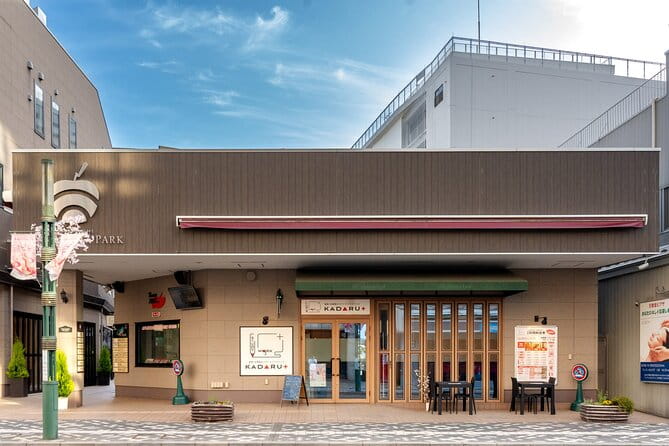
For those eager to enjoy the world of Hanafuda, the best place to experience this traditional Japanese card game is at KADARU+ in Hirosaki, Aomori Prefecture.
Here, participants can enjoy a guided session that brings the game’s rich history to life.
Here’s what to expect:
- Affordable Pricing: Enjoy the experience starting from €19.38 per person.
- Convenient Location: Easily accessible near public transport at Dotemachi, Community Park B.
- Free Cancellation: Change your plans? Cancel up to 24 hours in advance without any fees.
Dive into this unique cultural activity today!
Tips for Beginners
Before diving into a game of Hanafuda, beginners should familiarize themselves with the basic rules and card combinations. Understanding the different suits and points helps players strategize effectively.
It’s essential to learn which cards to collect and how to create pairs or sets for maximum scoring. Plus, beginners can practice with a friend or family member to build confidence.
Watching online tutorials or reading guides can also enhance their skills. Lastly, patience is key; mastering Hanafuda takes time.
The Future of Hanafuda
As interest in traditional games revives globally, Hanafuda is poised to capture the attention of new generations. Its unique blend of strategy and artistry makes it appealing for those seeking cultural experiences.
Here are three reasons why Hanafuda’s future looks bright:
- Digital Adaptations: Online platforms and mobile apps are making Hanafuda more accessible.
- Cultural Exchange: Increased interest in Japanese culture fosters a growing audience for the game.
- Community Engagement: Events and tournaments introduce the game to wider audiences, sparking interest.
With these factors, Hanafuda is set to thrive in a modern gaming landscape.
Frequently Asked Questions
Can Children Participate in the Hanafuda Experience?
Children can participate in the experience, but it’s recommended for older kids who can understand the game rules. The activity’s engaging nature makes it enjoyable for families, fostering learning and fun together.
What Language Is the Hanafuda Experience Conducted In?
The experience is conducted primarily in Japanese, ensuring authentic engagement for participants. However, guides often accommodate English-speaking travelers, providing explanations and support, fostering an inclusive environment for everyone to enjoy the activity.
Is There a Minimum Number of Participants Required?
The experience doesn’t specify a minimum number of participants, allowing individuals or small groups to join. It’s designed to accommodate most travelers, ensuring everyone can enjoy the cultural activity without restrictions.
Are There Age Restrictions for Participants?
There aren’t specific age restrictions for participants, so most you can join. However, parental guidance may be recommended for younger players to ensure they fully understand and enjoy the experience while playing.
What Should I Bring to the Hanafuda Experience?
For the experience, participants should bring comfortable clothing, a positive attitude, and maybe a notepad for notes. It’s also wise to carry some cash for snacks or souvenirs, enhancing their overall enjoyment.
The Sum Up
Hanafuda continues to captivate players with its blend of strategy and artistry. As it bridges generations and cultures, this traditional game not only offers a glimpse into Japan’s rich heritage but also fosters connections among friends and family. Whether played casually or in competitive settings, Hanafuda invites everyone to appreciate the beauty of life’s fleeting moments. As interest in this timeless game grows, its future looks bright, promising countless enjoyable experiences for new enthusiasts and seasoned players alike.
More Tour Reviews in Aomori Prefecture
Not for you? Here's more things to do in Aomori Prefecture we have recnetly reviewed
- 1 Hour Private Photoshoot in Aomori
- Local Nightlife Tour With Oma Maguro Fisherman
- Full-Day Jomon World Heritage Site Tour in Hirosaki Area
- Private Cherry Blossom Tour in Hirosaki With a Local Guide
- Shirakami Sanchi Day Hike With Government-Licensed Guide
- [Aomori Prefecture] Tour the History and Architecture in Towada City, the Art City
- Private Aomori Handicraft Making Experience Tour
- Sanriku Reconstruction National Park Trekking and Fishermans Lunch Tour