
If you’re wandering through the charming town of Sciacca in Sicily, a visit to the Coral Museum offers a glimpse into a centuries-old craft intertwined with local history and craftsmanship. For just $10 per person, this 30-minute guided experience promises an engaging look at the origins, tradition, and artistry of Sicilian coral—an excellent stop for those curious about cultural heritage and authentic local trades.
What I find especially appealing about this tour is the chance to see precisely how coral is processed and cleaned, witnessing a traditional technique that has hardly changed over generations. Plus, the collection of ancient tools and jewelry provides a tangible link to the past, making the history of Sicilian coral feel more immediate and real.
The only possible downside? Since the tour lasts only 30 minutes, it’s quite brief—so if you’re craving a deep dive into marine biology or detailed history, this might feel a little light. But for a quick, authentic encounter that offers a good value, it hits the mark.
Key Points / Takeaways
- Affordable and Short: At just $10, it’s an inexpensive way to add cultural depth to your Sicilian trip.
- Hands-On Demonstration: Watching coral being cleaned using traditional techniques adds a memorable, tactile element.
- Rich Historical Context: The museum showcases jewelry and tools illustrating a craftsmanship that’s survived for thousands of years.
- Small Group Setting: Limited to 10 participants, ensuring a more personal experience with better interaction.
- Bilingual Guides: Available in English and Italian, appealing to a broader range of visitors.
- Flexible Booking: You can reserve now and pay later, with cancellations up to 24 hours in advance—great for uncertain travel plans.
The Dive into Sicilian Coral: What To Expect

Visiting the Coral Museum in Sciacca is more than just a quick peek at shiny jewelry; it’s a glance into a trade deeply woven into Sicilian life. From the moment you arrive, you’re greeted by guides—probably speaking your language—who share stories about coral’s origins in the Mediterranean and its importance for local sailors and artisans.
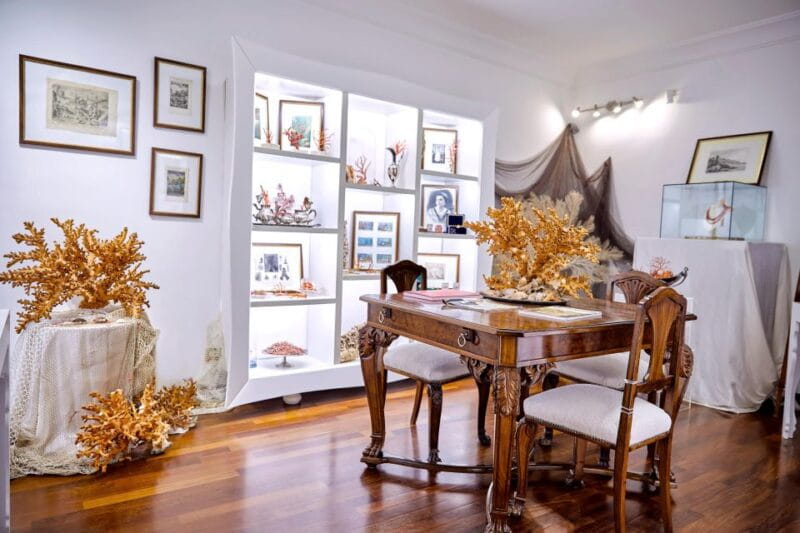
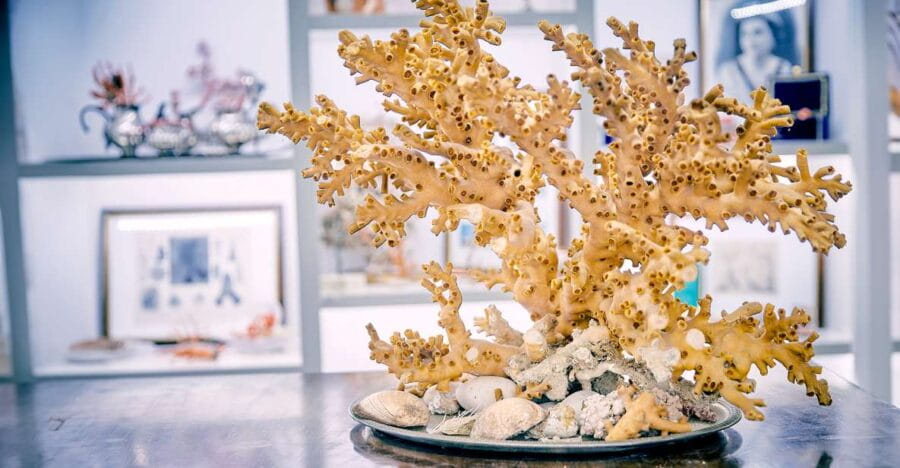
The museum itself is compact but packed with interesting exhibits. You’ll see a carefully curated collection of coral jewelry, showcasing both the beauty and craftsmanship involved. More fascinating still are the tools and artifacts from ancient times, which reveal how coral was processed long before modern techniques. One reviewer mentions that the collection of jewelry and tools provides tangible evidence of a glorious past, making it clear that coral was historically more than just decorative; it was a livelihood.
The highlight of the tour is the demonstration of coral cleaning in a dedicated workshop area. This live demonstration reveals the traditional method, which involves careful, skillful cleaning—done by a craftsman with a fine touch—allowing visitors to witness the endless beauty of raw coral transformed into jewelry or ornaments. This process is not only educational but also gives a sense of the patience and skill required.
Timing-wise, you should check availability beforehand, as the tour runs at specific times. Expect around 30 minutes of engaging storytelling, jewelry viewing, and demonstration—just enough to whet your appetite without feeling rushed. The total experience feels intimate, thanks to the small group size, making it easier to ask questions or simply enjoy the atmosphere.
Ready for more culture? More museums we feature in Sciacca
Why This Experience Matters for Travelers
For those interested in local crafts and traditions, this tour offers a rare glimpse into a trade that has survived for millennia. It’s particularly appealing if you enjoy learning about the process behind jewelry making or want to see authentic Sicilian craftsmanship in action. The low price point makes it easy to add to a day’s itinerary without breaking the bank—especially when paired with other local sights like the nearby archaeological sites or scenic town centers.
While it’s brief, the quality of the demonstration and the historical context offered make it a worthwhile stop. Plus, the small group setting ensures a more personalized experience, where guides like Empeeria can answer your questions and tailor some insights based on your interests.
This tour suits travelers who prefer short, meaningful experiences over lengthy excursions. It’s ideal for families, solo travelers, or anyone with a curiosity about Sicily’s maritime heritage and artisan traditions.
Inside the Coral Museum: An Itinerary Breakdown

Once you step into the Coral Museum, you’re immediately immersed in the story of coral’s significance in Sicilian culture. The exhibits offer a visual history—from ancient jewelry to tools used by artisans long ago. I love how the collection helps bring centuries-old traditions to life, giving you a real sense of how coral was harvested and processed.
The tour then transitions into the demonstration workshop, where a craftsman shows the traditional coral cleaning technique. Watching the expert at work is surprisingly calming—an art that demands patience and precision. The guide may explain that this process reveals the natural beauty of the coral, turning a rough piece into something stunning.
The entire experience is designed to give you tangible insight into Sicilian artisanry, making it much more than just a sightseeing stop. The guides are knowledgeable and enthusiastic, often sharing stories about local sailors and the journey of coral from sea to jewelry. That’s what makes it more engaging—not just a static exhibit, but a narrative you can follow.
Price, Timing, and Practical Tips
At $10 per person, this tour offers fantastic value—especially given the demonstration and guided commentary included. You should plan to check availability in advance, as the tour runs at specific times, and it’s only 30 minutes long. The flexible reservation policy—reserve now and pay later—makes it easy to slot into your itinerary without pressure.
Since the experience is in English and Italian, non-Italian speakers should have no trouble following along. The small group size (limited to 10 participants) means you’ll likely get more personalized attention, which can make the demonstration more engaging.
Be sure to arrive on time, as latecomers might miss the start. If you’re especially interested in local crafts or history, I recommend combining this visit with other nearby attractions in Sciacca, such as the medieval old town or the thermal baths.
More Great Tours NearbyWho Will Love This Tour?
This experience is perfect for culture seekers, craft lovers, and history enthusiasts looking for an authentic taste of Sicilian tradition. It’s especially suited for those who appreciate small group tours and want a quick, engaging peek into a craft that has shaped Sciacca’s identity for thousands of years. Families with children interested in learning about the sea and crafts will also find it worthwhile.
If you’re someone who enjoys seeing behind-the-scenes craftsmanship and values local stories, this tour hits the right notes. Since it’s brief and inexpensive, it’s a great add-on to a full day of sightseeing without feeling like a big commitment.
In a nutshell, the guided tour of the Coral Museum in Sciacca is a small but meaningful experience that combines history, craftsmanship, and local tradition in a neat package. For just $10, you gain access to beautiful jewelry collections, a live demonstration of coral cleaning, and a window into Sicilian maritime culture. It’s an easy, accessible way to enrich your Sicilian journey with a touch of authenticity.
While it’s brief, the tour provides enough insight—and a visual treat—that it’s well worth your time. It’s suited for travelers who prefer short, engaging, and informative experiences over long excursions. Plus, the small group size ensures you won’t feel like just another face in the crowd.
If you’re passing through Sciacca and want a taste of local artisanry, this tour deserves a spot on your itinerary. It’s a charming, affordable, and genuine way to connect with Sicily’s maritime roots and traditional craftsmanship.
What is the cost of the tour?
It costs $10 per person, which includes the museum visit and coral cleaning demonstration.
How long does the tour last?
The tour lasts approximately 30 minutes, so it’s a quick but enriching experience.
Are guides available in English?
Yes, guides speak both English and Italian, making the experience accessible for most visitors.
Do I need to reserve in advance?
Yes, it’s recommended to check availability and reserve ahead, especially during busy seasons. You can book now and pay later.
Can I cancel the tour?
Absolutely. You can cancel up to 24 hours in advance for a full refund, which offers nice flexibility if your plans change.
Is the tour suitable for children?
Most likely, yes. Kids interested in crafts, jewelry, or the sea may especially enjoy the demonstration and exhibits.
What should I wear or bring?
Comfortable clothing is fine; just be sure to arrive on time. No special gear is necessary.
Are there any other experiences similar to this?
Yes, there are other coral-related experiences nearby, but this tour specifically combines a museum visit with an actual demonstration.
Where exactly is the Coral Museum located?
The museum is in Sciacca, Sicily, and is part of the local cultural attractions.
Is it worth it for just a 30-minute visit?
Definitely. The combination of history, craftsmanship, and a live demonstration makes it a worthwhile, enriching stop for such a short visit.
Exploring Sicilian traditions through this Coral Museum tour offers a balanced mix of education, authenticity, and entertainment—all at an accessible price. Whether you’re a craft aficionado, history lover, or curious traveler, this experience provides a meaningful glimpse into Sciacca’s maritime soul.
You can check availability for your dates here: