
Authentic Bosnian Flavors in Jablanica: Grandma’s Kitchen Cooking Class
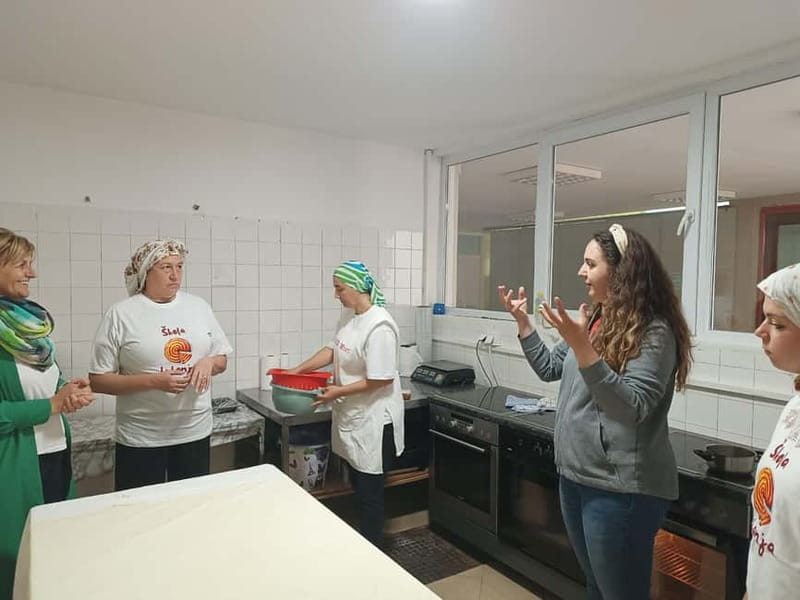
Walking into Grandma’s Kitchen in Jablanica offers more than just a cooking lesson; it’s a chance to connect with Bosnian traditions through food, stories, and shared smiles. This 3-hour hands-on experience is hosted within the historic “Battle for the Wounded” museum, which adds a layer of cultural depth to the culinary journey. Guides lead you through crafting pita, baklava, and Bosnian coffee, all while sharing stories that bring these dishes to life. It’s an intimate, community-oriented experience you won’t forget.
What I find especially appealing are the personalized guidance and the cozy atmosphere. The fact that all tools, aprons, and recipes are included means you’re set for a seamless experience—no secret ingredients, just authentic techniques passed down through generations. I also appreciate that the class accommodates vegan and vegetarian diets, making it more inclusive. The only thing to keep in mind is that the group size is limited to five people, which ensures plenty of attention but might require early booking.
A possible consideration is that the class runs around 3 hours, which is great for a relaxed, meaningful experience but might be tight for those who want a more extensive culinary tour. Also, since the starting times vary, it’s wise to check availability ahead of your trip. This experience offers a genuine taste of Bosnia in a setting that’s as much about storytelling as it is about cooking.
You can check availability for your dates here:Key points / Takeaways
- Authentic recipes: Learn to make traditional pita, baklava, and Bosnian coffee using techniques that have been handed down through generations.
- Historic setting: The class takes place inside the “Battle for the Wounded” museum, adding a memorable cultural context.
- Personalized experience: Limited to only five participants, ensuring individual guidance and a friendly atmosphere.
- Inclusive menu options: Vegan and vegetarian adjustments are available, making the experience accessible.
- All essentials provided: Tools, aprons, recipes, and ingredients are included, so you don’t have to bring a thing.
- Authentic storytelling: Guides share stories about Jablanica’s heroic past alongside culinary tips, enriching your understanding of local culture.
You can also read our reviews of more tours and experiences in Jablanica.
A Closer Look at Grandma’s Kitchen: What Makes It Special
When I first heard about Grandma’s Kitchen, I was intrigued by the blend of history and home-style cooking. The setting within the “Battle for the Wounded” museum is quite evocative—here, history isn’t just something you read about; it’s woven into the atmosphere. As you walk from the museum parking lot to the cozy kitchen space, you can feel a sense of stepping into a living piece of Bosnia’s past.
The guides, whose names aren’t specified but who clearly have a passion for sharing their heritage, start with a warm welcome. You’re handed a drink, perhaps traditional Bosnian tea or juice, and then the storytelling begins. I loved how they blended personal anecdotes with culinary secrets; for example, stories about the significance of certain dishes or the history of Jablanica itself. It’s clear that this isn’t just about cooking—it’s about understanding the culture behind the food.
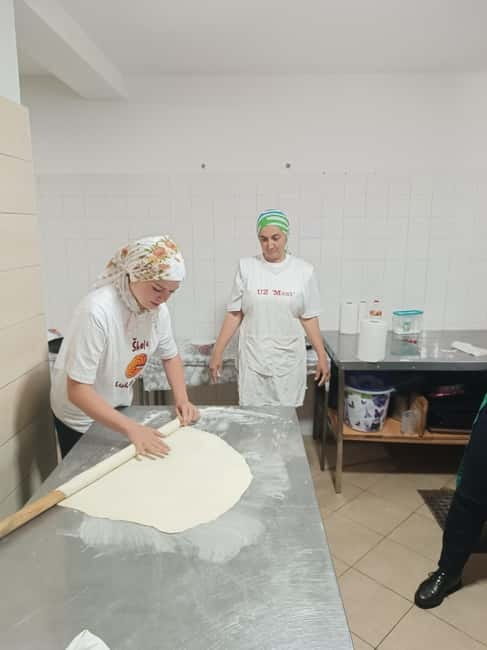
During the class, you’ll learn to make pita—a savory pastry filled with cheese, spinach, or meat—using authentic techniques that involve rolling dough just right and filling it with care. The process is tactile and rewarding, especially when you get to fill and fold your own burek. Afterward, the sweet part of the day involves crafting baklava, a layered pastry filled with nuts, and drizzling honey over it. The guide walks you step-by-step, making it accessible even for beginners.
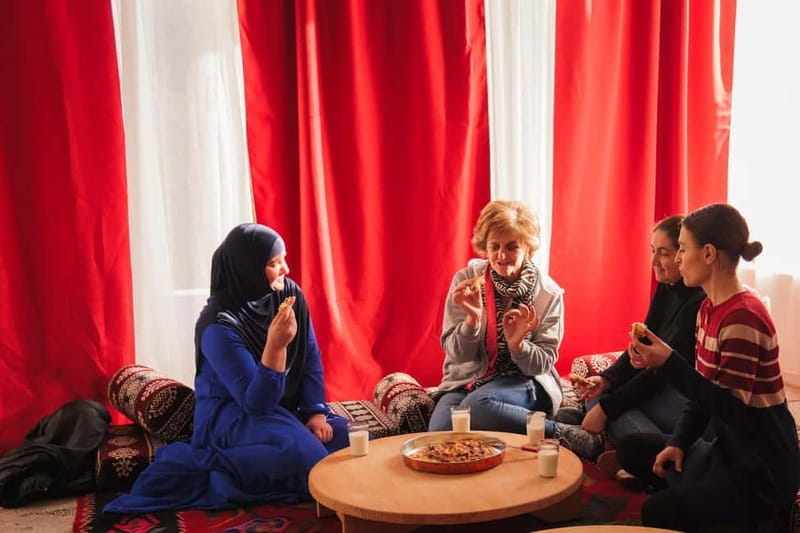
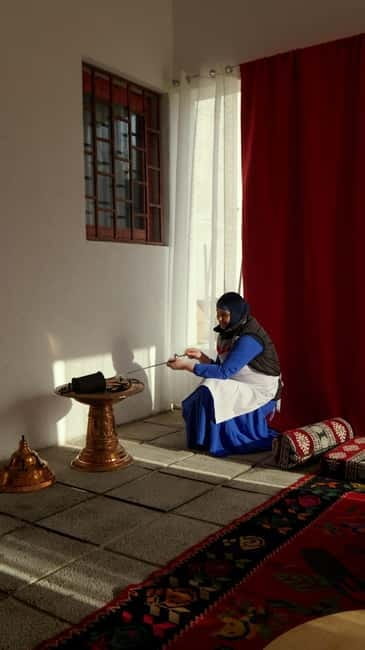
The highlight is sitting down in the ethno corner afterward, enjoying your homemade baklava and Bosnian coffee. The coffee, traditionally prepared in a džezva, is more than just a caffeine hit; it’s a ritual. Sipping it while listening to stories about Bosnian hospitality and customs makes the experience feel genuine and warm.
The Itinerary: How the Three Hours Unfold
Your journey begins in front of the museum, where the guide greets you and explains what to expect. From there, a short walk takes you into the kitchen, which feels welcoming and intimate. The class is designed to be relaxed but structured—there’s no rushing.
First, you’ll start with the preparation of pita. The guide demonstrates how to knead and roll the dough, then guides you through filling and folding. This part can be quite tactile, and I found the step-by-step guidance invaluable, especially if you’re new to baking. Many reviews mention the patience and friendliness of the guides, with one noting, “They made me feel like I was baking with my grandma.”
Next, attention shifts to making baklava. You’ll learn how to layer the pastry, place the nuts, and cut it into squares before baking. The guide emphasizes using authentic ingredients and techniques—no shortcuts here. The smell of baking pastry and honey fills the air, making it tempting to sneak a piece early.
While the baklava bakes, you move on to the Bosnian coffee. The process involves boiling finely ground coffee in a džezva on a stovetop, then pouring the foam over the coffee grounds just so. The guide shares tips for achieving that perfect foam and balancing flavor. It’s a ritual that reveals a lot about Bosnian hospitality—taking time to enjoy coffee together is customary and meaningful.
Once everything is ready, you’ll gather around in the ethno corner, sitting comfortably with your creations. You’ll taste the freshly baked baklava, rich with honey, and sip on your homemade coffee, sharing stories and laughter. Many reviewers comment on the cozy, authentic setting that makes the experience feel like visiting family rather than attending a class.
What’s Included and Practicalities
All necessary tools, aprons, and ingredients are provided, eliminating any guesswork or extra expense. You’ll leave with printed recipes and tips that are easy to follow back home. The class is suitable for all skill levels, from complete beginners to those with some kitchen experience, and the guides are attentive and encouraging.
The duration is approximately 3 hours, which strikes a good balance—long enough to do justice to each dish but not so long that it becomes tiring. The activity starts with a short walk from the museum parking lot, and free parking is available nearby. Confirming start times in advance is recommended, as they vary.
The experience is priced to reflect its value, especially considering the personalized guidance, authentic techniques, and cultural insights. It’s a fair trade for the memories you’ll take home—plus, the recipes are yours to keep.
More Great Tours NearbyWho Will Love This Experience?
If you’re curious about Bosnian culture and enjoy hands-on cooking, this class offers a wonderful introduction. It’s especially suitable if you want a relaxed, intimate setting with small groups—limited to five participants—so you’ll have plenty of personal attention. Food lovers who enjoy sweet and savory baked goods will find particular joy in making pita and baklava from scratch.
History buffs and culture enthusiasts will appreciate the setting within the historic museum and the stories shared by guides. It’s also excellent for travelers who want a genuine, non-touristy experience that connects them more deeply with local customs.
Families, couples, or solo travelers seeking a meaningful activity will find this experience rewarding. The inclusion of vegan and vegetarian options broadens its appeal. Plus, you’ll leave with not just new recipes but a greater understanding of Bosnian hospitality and traditions.
The Sum Up: A Tasty Cultural Escape
Grandma’s Kitchen in Jablanica offers a warm, authentic taste of Bosnia through a well-organized and personable cooking class. It’s an experience that balances culinary skill-building with storytelling, set against the backdrop of a historic museum. For those who love discovering new cuisines in a relaxed environment, this experience delivers real value—learned techniques, shared stories, and delicious results.
This tour is ideal for curious travelers eager to understand local culture through food, especially if you appreciate hands-on activities that leave you with skills you can use at home. The small group size ensures a personal experience, making it feel more like visiting a friend’s kitchen than attending a commercial class.
If you want to bring a piece of Bosnia home—literally, with recipes and sweet treats—this is a worthwhile choice. It’s a genuine, heartfelt way to connect with the country’s culinary soul, leaving you with more than just souvenirs but memories of shared laughter, stories, and good food.
FAQ
How long does the cooking class last?
It lasts around 3 hours, which is enough time to learn, cook, and enjoy your creations without feeling rushed.
What dishes will I learn to make?
You’ll learn to make pita (Bosnian burek), baklava, and Bosnian coffee. The recipes are authentic and passed down through generations.
Are dietary restrictions accommodated?
Yes, the class can accommodate vegan and vegetarian diets. Just be sure to specify your preferences in advance.
Do I need to bring anything?
No, all tools, aprons, and ingredients are provided. You’ll receive recipes to take home.
Where does the class take place?
Inside a cozy kitchen within the “Battle for the Wounded” museum in Jablanica, starting from the museum parking lot.
Can I book the class in advance?
Yes, you should check availability and reserve beforehand, especially since the group is limited to five.
Is there free parking nearby?
Yes, free parking is available close to the museum, making it easy to join without worry about parking fees.
This experience is a charming way to enjoy Bosnia’s culinary traditions while soaking in the local history—a memorable addition to any trip to Jablanica.
You can check availability for your dates here: