
Exploring a Former Communist Prison: A Deep Dive into Romania’s Dark Past
This full-day tour in Bucharest offers a rare opportunity to see a side of Romania many travelers overlook—the country’s communist history and the sites that shaped it. For about $173, you’ll spend roughly six hours uncovering the city’s military and political history, culminating in an exclusive visit to Jilava Fort 13, a former prison turned memorial. Whether you’re a history enthusiast or simply curious about Romania’s recent past, this experience promises a mix of insightful storytelling, authentic sights, and local flavor.
What I really like about this tour is how it balances historical depth with a personal touch—guided by passionate hosts like Mircea, who has firsthand experience of the revolution. The drive through the “Bronx of Bucharest” gives a stark reality check, revealing the stark living conditions of communist-era dormitories. I also appreciate the inclusion of street snacks and traditional bites, which help to ground the experience in local culture. One possible consideration is that the mobility and the outdoor nature of stops mean you’re exposed to weather conditions, so good shoes and weather-appropriate clothing are a must.
This tour stands out for its authenticity and value. It’s an excellent option for travelers who want more than just pictures and superficial facts—this is about understanding how Romania’s recent history continues to influence its present. It’s a unique journey that transforms travelers into a part of Romania’s living story.
Key points / Takeaways
Authentic insights from guides with personal experience enrich the storytelling.
Exclusive access to Jilava Fort 13 offers a rare glimpse into Romania’s darkest detention sites.
Drive through Bucharest’s communist neighborhoods provides a visceral view of recent social history.
Includes local food and snacks that enhance the culture of the tour.
Small group size (max 8) ensures personalized attention and meaningful conversations.
A well-balanced itinerary combines history, architecture, and local life for a comprehensive experience.
Exploring Romania’s Communist Past: A Detailed Review
You can also read our reviews of more tours and experiences in Bucharest.
Starting Point: Rebirth Square and the City’s Overview
The tour begins early, gathering at the Memorial of Rebirth in Bucharest. From there, your guide—likely Mircea, who received glowing reviews—takes you on a driving tour of the city’s core. This initial walkthrough isn’t just about pointing at buildings; it’s about understanding how Bucharest’s landscape reflects 500 years of change, from fortress walls to modern government buildings.
You’ll get a brief but engaging overview of how Bucharest developed around its military fortifications. This background provides crucial context, explaining how the city’s architecture and neighborhoods grew out of strategic needs. For those interested in the city’s evolution, these snippets are a great way to get your bearings before diving into the more intense sites.
Revolution Square: A Historic Snapshot
A highlight of the first part of the tour is a stop at Revolution Square. Here, you’ll hear personal stories from guides like Angela, who shared that her friend’s favorite activity was touring this area. This square is loaded with symbolism—monuments to the 1989 fall of communism and remnants of the old regime’s power.
The guided explanation turns what might be just another square into a vivid narrative of Romania’s recent upheaval. It’s an emotional spot, and having a guide with personal experience (as Angela did) makes it more tangible. Expect to hear about the regime’s fall, the protests, and their aftermath, giving you a sense of how recent these events are.
The Palace of Parliament: A Monument of Power
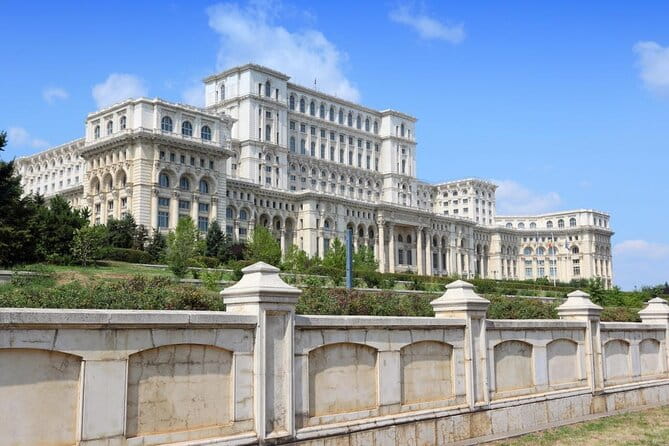
Next, you’ll make a quick stop at the Palace of Parliament, one of the largest administrative buildings in the world. While you may not go inside, the 20-minute exterior viewing allows for some great photos and an understanding of Romania’s ambitions during the Ceaușescu era. Guides will share stories about its darker side—how it was built with forced labor and how locals perceive it today.
This site is an eye-opener—an architectural feat that also symbolizes the excesses of the regime. It’s a reminder of how authoritarian power can reshape a city, sometimes at great human cost.
The “Bronx” of Bucharest: A Harsh Reality Check
Driving through the communist neighborhoods, particularly the “Bronx” of Bucharest, is where things get real. This area is a stark contrast to Bucharest’s more polished parts. It’s where many of the city’s working-class residents lived during the last 50 years of communism.
The highlight here is a visit to Second Hand Ferentari, where an old military fort is still in use as an active prison. Inside, visitors are not allowed to use their phones, emphasizing the seriousness of the site. This part of the tour was described as a “reality check,” giving visitors a raw glimpse of how social policies impacted everyday life. You’ll see the utilitarian, often grim architecture, and get a sense of what life was like for those who opposed or were imprisoned by the regime.
- Draculas Castle, Peles Castle and Brasov Day Trip From Bucharest
- Transylvania and Dracula Castle Full Day Tour From Bucharest
- Small-Group Day Trip to Draculas Castle, Brasov and Peles Castle From Bucharest
- Bohemian Bucharest Markets and Mahallas Traditional Food Tour
- Draculas Castle, Brasov and Peles Full-Day Tour From Bucharest
- The Real Tour of Communism
Carol Park and the Mausoleum
Your next stop is Carol Park, home to the mausoleum of communist leaders. It’s an iconic and somewhat eerie spot, especially if you’re interested in how political regimes memorialize their heroes—and their villains. The park’s solemn atmosphere complements the more intense prison visit later.
While at the park, you’ll enjoy a traditional communist meal—a thoughtful touch that adds flavor to the experience. Many reviews have highlighted the delicious local bites, which serve as a reminder that even in tough times, food remains a vital part of community and culture.
Jilava Fort 13: The Prison That Tells a Dark Story
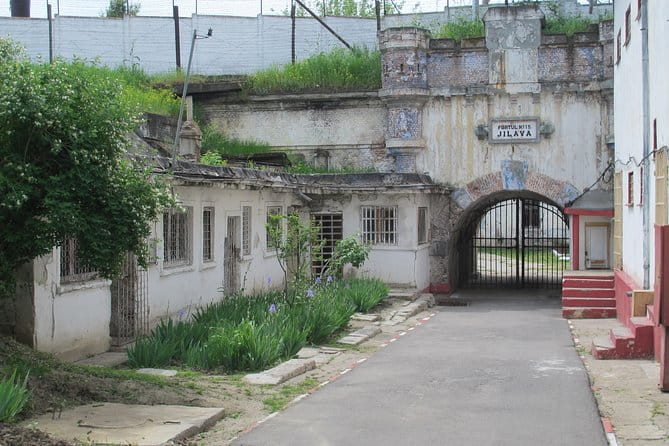
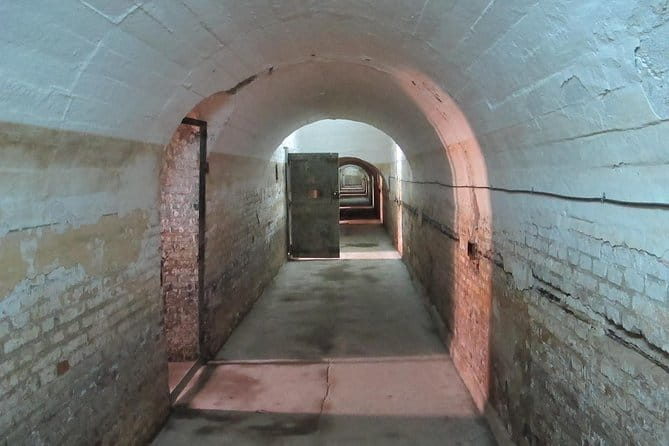
The centerpiece of the tour is the Jilava Fort 13, a 19th-century military fort turned detention and execution camp. This visit is undoubtedly the most intense part of the tour. Inside, phones are not allowed, ensuring a respectful atmosphere, and photos are only permitted with a camera.
Here, guides will explain how the fort was used as a place of exile and execution during Romania’s darkest periods. One reviewer, Angela, called it “fascinating,” emphasizing the importance of hearing those stories firsthand. Be prepared for a sobering experience—standing in the very cells and corridors where many suffered. It’s a stark reminder of how brutal political repression can be.
End of the Day: Reflection and Refreshments
The tour wraps up back at the starting point, with a final chance to reflect over bottled water, coffee, or a local beer. The inclusion of snacks and drinks helps to unwind after such a heavy day, grounding the experience with a sense of local hospitality.
Who Will Love This Tour?
If you’re interested in Romania’s recent history, this experience offers a rare and authentic look at its darker chapters. It’s ideal for travelers who appreciate guided storytelling and want to go beyond surface-level sights. The small group size ensures you can ask questions and engage deeply with your guide—great for those who enjoy personal interactions.
The tour is also a good fit for history buffs or anyone curious about how political regimes shape cities and societies. The inclusion of local food, like traditional bites and street snacks, makes it particularly appealing for those who want to experience culture in every sense.
However, be mindful that the prison visit can be intense, and a certain level of emotional resilience is helpful. The outdoor elements and walking involved mean comfortable footwear and weather-appropriate clothing are advisable.
Price and Value
At $173.47 per person, this tour offers good value considering the exclusive access, guided storytelling, and local food included. The emphasis on authentic sites and personal stories makes it more than just a sightseeing trip; it’s an eye-opening educational experience.
Final Thoughts
This tour is a compelling way to understand Bucharest’s past from the perspective of those who lived it. It transforms cold facts into stories that stick with you long after the day ends. It’s perfect for curious and engaged travelers who want to see Romania’s history through the eyes of locals and firsthand sites.
FAQ
Is transportation included in the tour?
Yes, the tour is conducted in an air-conditioned vehicle, making it easy to move between sites comfortably.
How long is the tour?
It lasts about six hours, with most stops being between 20 minutes and two hours, depending on the site.
What is the group size?
The maximum number of travelers is eight, ensuring a more personalized experience.
Are meals included?
Not exactly. The tour includes traditional snacks, street bites, and a typical communist meal, but additional food and drinks are extra.
Can I take photos inside the prison?
Photos are only allowed with a camera (not phones) inside Jilava Fort 13. Phones are prohibited for safety and respect.
What should I wear?
Comfortable shoes are a must, as there is walking involved. Weather-appropriate clothing is recommended since some parts are outdoors.
Is the tour suitable for children?
Most travelers can participate, but given the intense nature of the prison visit, it might be better suited for teens and older.
What is the cancellation policy?
You can cancel up to 24 hours before the tour for a full refund. Last-minute cancellations are not refundable.
Is this tour good for solo travelers?
Absolutely. Small group size makes it easy to connect with others and engage in meaningful conversations.
Will I get a good overview of Bucharest’s history?
Yes, the tour combines city highlights with deep dives into the communist era, making it a well-rounded experience.
To sum it up, this tour is a prime choice for those eager to explore Romania’s recent past through authentic sites, compelling storytelling, and meaningful local experiences. It’s especially well-suited for history enthusiasts, curious travelers, and anyone interested in understanding how history continues to influence the present. With its thoughtful itinerary and passionate hosts, it’s a journey that leaves a lasting impression.
More Tour Reviews in Bucharest
- Bucharest : Parliament, Village Museum & Ceauescu Mansion
- Small Group Tour to Mogosoaia Palace & Snagov Monastery
- Bucharest: Walking tour with Italian speaking guide for small groups
- Bucharest Tuk Tuk City Tour
- Bucharest: Old Town & Historical Landmark Guided Tour
- Bucharest: Dracula Castle, Peles Castle & Brasov Guided Tour
Not for you? Here's more things to do in Bucharest we have recnetly reviewed
- PREMIUM TOUR SMALL GROUP: Peles&Bran Castles&Brasov Day Trip
- From Bucharest: Bulgaria Private Day Trip with Guide
- Slavery in Romania,Myths and Truths on Gypsies, Walking Tour
- Museums and Galleries walking tour in Bucharest
- PREMIUM TOUR SMALL GROUP Bucharest-Constana: Coastal Escape
- Private tour to Bulgaria : Ivanovo Churches & Veliko Tarnovo
- Therme:Spa Day at the biggest oasis of RelaxationBucharest
- From Bucharest: Dracula’s Castle & Bear Sanctuary Adventure
- Bucharest: Hidden Gems 2.5-Hour Walking Tour
- Communist Museums Marathon: 3 museums and all transfers incl
- Bucharest: Arc de Triomphe & Village Museum Guided Tour
- Bucharest: Custom Souvenir Workshop