
Exploring the ancient ruins of Herculaneum offers a fascinating glimpse into life before the eruption of Mount Vesuvius in 79 AD. This UNESCO World Heritage Site is remarkably preserved, with many buildings, frescoes, and even food still visible after nearly 2,000 years buried under volcanic ash. The experience is accessible via a straightforward entry ticket with an optional audio guide, making it a manageable and rewarding stop for travelers interested in history, archaeology, or simply looking for a quiet alternative to the larger Pompeii site.
What I particularly like about this experience is how well-preserved the site is — you get to walk on cobbled streets where ancient Romans once strolled, and see structures still containing beds, doors, and even food. The audio guide, available in multiple languages, adds depth by providing insights into social customs and the daily lives of the inhabitants, which I found more engaging than just admiring the architecture. Plus, many reviews highlight knowledgeable guides, like Giovanni, who bring the ruins to life with stories that make the past feel immediate.
One possible consideration is that the site can be a bit tricky to navigate without a guide or a clear map, as some visitors noted difficulties in locating certain sights. The audio guide devices are helpful, but some found the tracking a little off or wished for suggested routes to maximize time. Also, since the site closes earlier in winter (around 5 PM), planning your visit earlier in the day helps avoid rushing through the ruins.
This ticket offers a fantastic value — especially considering the entrance fee of just $21 — and it’s ideal for independent travelers who enjoy flexible schedules. The option to reserve and pay later adds convenience, and the self-guided format allows you to explore at your own pace. For those seeking an authentic, immersive experience into Roman life with minimal fuss, Herculaneum is a must-see.
Key points / Takeaways

- Remarkable preservation: Many buildings, frescoes, and even food remain intact after nearly 2000 years.
- Audio guide depth: The app provides detailed information about social structure and daily life, enhancing the visit.
- Small crowd advantage: Herculaneum tends to be quieter than Pompeii, making for a more relaxed experience.
- Accessibility and flexibility: Your ticket is valid for a full day, giving you time to explore without rush.
- Helpful guides and reviews: Visitors praise guides like Giovanni for making the ruins come alive.
- Practical tips: Wear comfortable shoes and arrive early to beat the crowds or avoid closing time.
Why Herculaneum Stands Out Among the Ruins

Herculaneum is often overshadowed by Pompeii, yet it offers a uniquely intimate look into Roman life before the volcano’s destructive blast. The site was buried under ash, which surprisingly preserved much of the city’s architecture, furniture, and even food, creating a snapshot of 1st-century life. You won’t just walk through empty shells of buildings; you’ll get to see beds, doors, even food left on tables — a haunting yet fascinating reminder of the tragedy.
If you value authenticity and a less crowded atmosphere, Herculaneum is a winner. It’s smaller and easier to navigate, giving you a chance to really absorb the details. The ruins are compact enough that you can see the highlights in a few hours, yet rich enough that you’ll find new discoveries each time you turn a corner.
Here are more great tours and experiences we've reviewed in Ercolano
Navigating the Entrance and Ticketing
Getting into Herculaneum is straightforward with a ticket purchased online, which is a smart move during peak seasons to avoid queues. The price of $21 per person is reasonable for such well-preserved ruins, especially when you consider the depth of information the audio guide adds. You show your mobile voucher at the online ticket desk, then proceed to pick up your audio guide device, which is included if you opt for the physical option.
The fact that your ticket is valid for one entire day means you can start early or return later — a flexibility many travelers appreciate. The site’s hours shift seasonally, opening from 8:30 AM to 7:00 PM in summer, and closing earlier in winter, so planning your visit around these times helps ensure you get the most out of your trip.
Walking the Cobblestone Streets

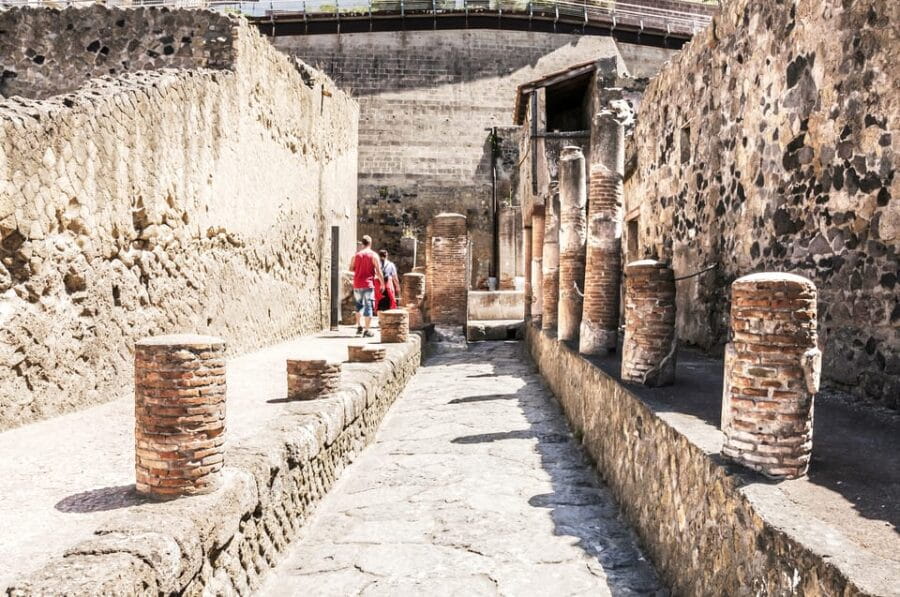
Once inside, your journey begins by walking the cobbled streets that once bustled with Roman life. The site’s layout is surprisingly clear, with well-preserved building remains that allow you to visualize the social hierarchy and daily routines. The public baths, gymnasium, shops, and villas are still visible, each offering a different perspective on the lives of Herculaneum’s residents.
Travelers universally praise the opportunity to step into buildings that have remained largely unchanged for nearly 2,000 years. As one reviewer notes, “The ability to actually enter buildings where the people lived and worked” makes the experience deeply tangible.
Insights from the Audio Guide

The app audio guide enhances the visit with detailed descriptions. It covers the social structures, daily rituals, and personal stories that bring the ruins to life. Instead of just admiring architecture, you learn about the people who inhabited these spaces.
Some reviews mention that the tracking can be tricky, and suggestions for suggested routes or maps could improve the experience. Still, the guide’s content is praised — with one visitor describing it as “a lot of information about the people and their social structures,” which adds a human dimension to the ruins.
More Great Tours NearbyThe Highlights: Well-Preserved Structures and Murals

Walking through the site, you’ll see intact frescoes, mosaics, and even food preserved beneath the ash. The town’s houses, shops, and baths give a vibrant sense of Roman life, with some structures still showing the original rooflines and furniture. The public swimming baths are impressive, allowing you to imagine the leisure pursuits of ancient Romans.
A notable highlight is the House of the Deer, with its stunning mosaics, and the well-preserved floors and walls that give you a real sense of the craftsmanship of the time.
Loving the local insights? Here are more guided experiences we recommend in Ercolano
- Private Tour: Pompeii and Herculaneum Excavations With Guide From Naples
- Excellent Herculaneum Guided tour with a Licensed Guide..
- Herculaneum Guided Walking Tour with Entry Ticket
- Herculaneum: Private Guided Tour
- Herculaneum with an Archaelogical Guide & Ticket
- Herculaneum: Private Walking Tour with Archeologist Guide
Guides, Tips, and Practicalities

Many visitors speak highly of knowledgeable guides, such as Giovanni, who can turn a 2-hour visit into a lively story. If you prefer exploring on your own, the audio guide is sufficient, but a guide can add anecdotes and answer questions.
Practical advice includes wearing comfortable shoes, as cobbled streets can be uneven, and arriving early to beat the afternoon heat or the closing time, especially in colder months. The site closes earlier from October to March, so planning is key.
Comparing Herculaneum and Pompeii

Some reviews compare Herculaneum favorably to Pompeii, citing its smaller size and quieter atmosphere. While Pompeii covers more ground, Herculaneum’s intimacy and well-preserved state make it more approachable for a relaxed visit.
However, if you’re drawn to larger, more comprehensive archaeological sites, Pompeii might still appeal. But for a more personal, less crowded experience, Herculaneum ticks all the boxes.
Who Would Love This Experience?

Travelers with an interest in history, archaeology, or architecture will find Herculaneum rewarding. It’s also a good choice for those who prefer avoiding the crowds, as it’s generally quieter than Pompeii. The self-guided format suits independent travelers comfortable with using a smartphone app or audio device.
If you’re traveling with family or group, the manageable size makes it easy to explore at a comfortable pace, and the engaging audio content keeps visitors of all ages interested.
Is It Worth The Price?

At $21, including the audio guide, the entry fee is reasonable considering the high level of preservation and the detailed insights provided. The flexibility of a full-day ticket adds value — you can take your time, revisit spots, or simply soak in the atmosphere.
Some guests mention that prebooking helps avoid queues, especially in peak season. The option to reserve and pay later makes it accessible and low-stress to plan.
This experience is ideal for travelers craving a more intimate archaeological adventure. If you appreciate well-preserved ruins and want to learn about daily life in Roman times, Herculaneum delivers in both authenticity and depth. It suits those who prefer exploring at their own pace — be it a quick visit or a leisurely afternoon.
It’s also a fantastic choice for those seeking a quieter alternative to Pompeii, with the added bonus of stunning mosaics, food remains, and preserved structures that tell a vivid story of history. The knowledgeable guides and detailed audio commentary make it accessible for all levels of interest, from casual travelers to history enthusiasts.
For a manageable, meaningful, and well-priced outing that offers a real connection to the past, Herculaneum remains a top choice in Italy’s archaeological treasures.
Is the ticket valid for a specific time?
Your ticket is valid for one day, but starting times depend on availability. Check in advance and plan to arrive early to maximize your visit.
Can I buy tickets on-site?
You can buy tickets on-site, but booking online is recommended to avoid queues and ensure your preferred time slot.
What is included in the audio guide?
The app audio guide provides detailed explanations of the ruins, social structures, and daily life, available in several languages.
Are guided tours available?
This ticket is self-guided, but some reviews mention guides like Giovanni who enhance the experience. Guided options are available separately.
What should I wear?
Comfortable shoes are essential due to cobbled streets and uneven terrain. Dress appropriately for the weather, especially in summer.
How long should I plan for the visit?
Most visitors spend around 2 hours exploring, but the full-day access allows you to take your time or return later.
Is the site accessible for all visitors?
While many parts are accessible, uneven surfaces mean that mobility may be limited in some areas. Wear suitable footwear.
Are there facilities like cafes or shops?
Some visitors wish for more amenities like cafes. The review mentions no cafes at the site, so consider bringing water or snacks.
This detailed look at Herculaneum highlights its unique charm and the practicalities of visiting. It’s a rewarding stop for those interested in history and archaeology, offering an authentic glimpse into ancient Roman life with excellent value for money.
You can check availability for your dates here:More Tour Reviews in Ercolano
Not for you? Here's more things to do in Ercolano we have recnetly reviewed
- Ercolano: Herculaneum Entry Ticket with Optional Audio Guide
- Herculaneum Private Tour (skip-the-line admission included)
- Herculaneum: Private Walking Tour with Archeologist Guide
- Herculaneum: 2H Private Tour
- Herculaneum: 2-Hour Private Tour of the Ruins
- Herculaneum
- Round-Trip to Vesuvius National Park From Ercolano
- Naples: Pompeii & Herculaneum Tour w/Lunch and Wine Tasting
- Herculaneum with an Archaelogical Guide & Ticket
- Herculaneum: Entrance tickets + audioguide
- Herculaneum: Private Guided Tour
- Herculaneum – Small Group Tour (admission included)