
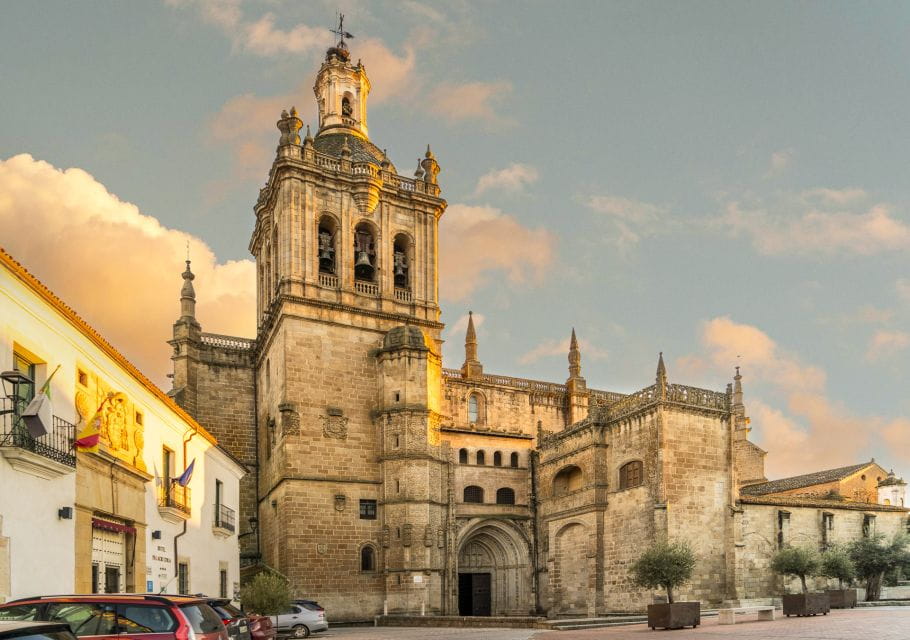
The Cathedral of Coria in Spain is a stunning architectural wonder that captivates visitors with its blend of late Gothic, Renaissance, and Baroque styles. Priced at just $6.52 per ticket, it offers an enriching experience without breaking the bank. Guests can explore the cathedral’s ornate altarpieces, Mudéjar-style seating, and 18th-century masterpieces, all while immersed in the rich history and artistry that permeate this remarkable structure. With flexible booking options and a full refund policy, the Cathedral of Coria promises an unforgettable encounter for those who venture through its doors.
Key Points
- Ticket prices for the Cathedral of Coria start at $6.52 per person with no upfront payment required and full refunds available for cancellations made 24 hours in advance.
- Tickets are valid for 1 day with flexible starting time options, allowing visitors to easily plan their exploration of the cathedral’s history and architecture.
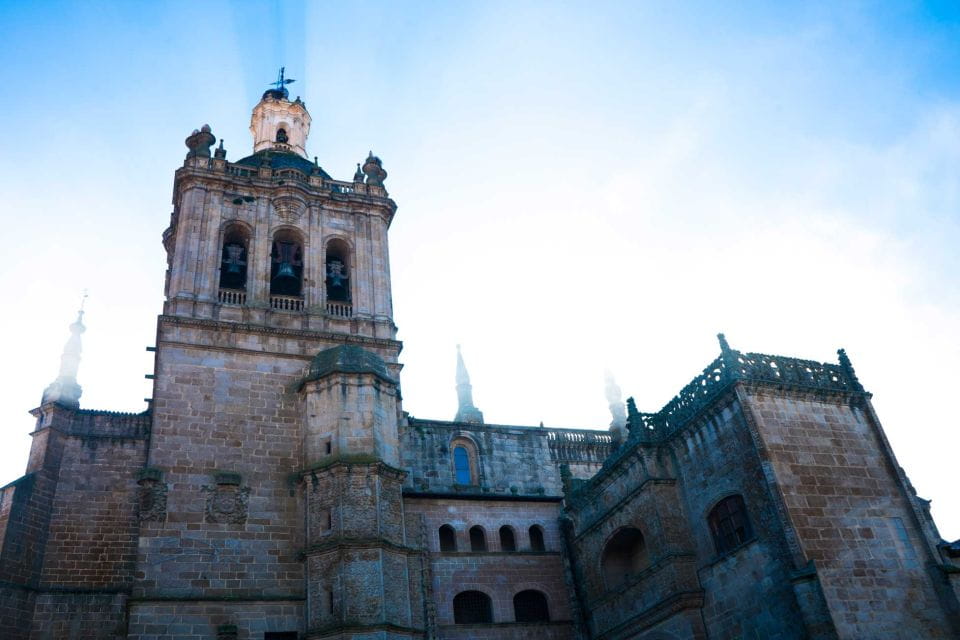
- The cathedral is dedicated to the Assumption and combines late Gothic, Renaissance, and Baroque architectural styles, having been built between the 15th and 18th centuries.
- Noteworthy features include the main altarpiece showcasing Baroque craftsmanship, the ornately carved Mudéjar-style choir stalls, and various Seventeenth and Eighteenth Century altarpieces.
- The cathedral’s captivating architectural design and rich history offer visitors a unique opportunity to explore the region’s religious heritage and appreciate the juxtaposition of diverse architectural styles.
Ticket Information and Booking
The Cathedral of Coria offers visitors an array of ticket options. Prices start from $6.52 per person, and there’s no need for upfront payment – you can reserve your spot and pay later.
What’s more, you can cancel your booking up to 24 hours in advance for a full refund. The tickets are valid for 1 day, so you can choose a starting time that suits your schedule.
Whether you’re looking to learn about the cathedral’s rich history or marvel at its architectural beauty, the flexible ticketing options make it easy to plan your visit.
You can also read our reviews of more tours and experiences in Extremadura.
Historical Significance
Dedicated to the Assumption, the Cathedral of Coria stands as an important place of worship within the Coria-Cáceres dioceses, alongside the Co-Cathedral Santa María de Cáceres.
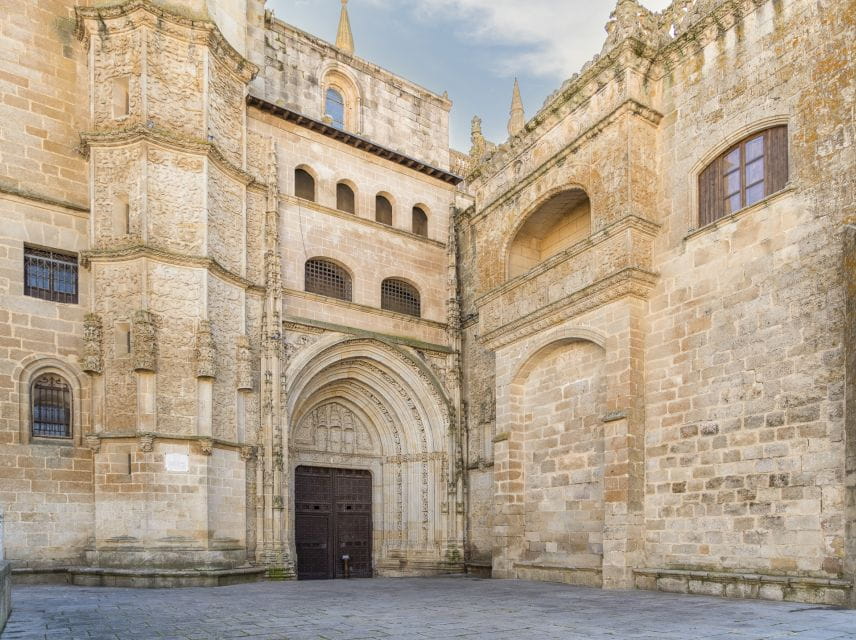
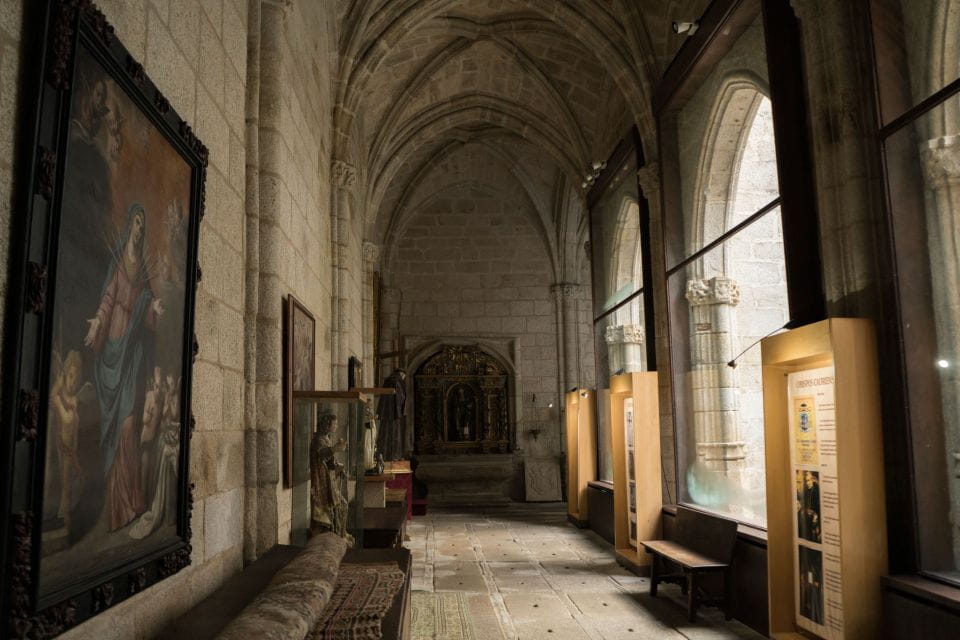
Built between the Fifteenth and Eighteenth Centuries, the cathedral replaces an earlier church, with only the Fifteenth Century cloister remaining. The structure combines late Gothic, Renaissance, and Baroque styles, with construction beginning in 1496 under Bishop Pedro Ximénez de Préxamo.
Notable elements include:
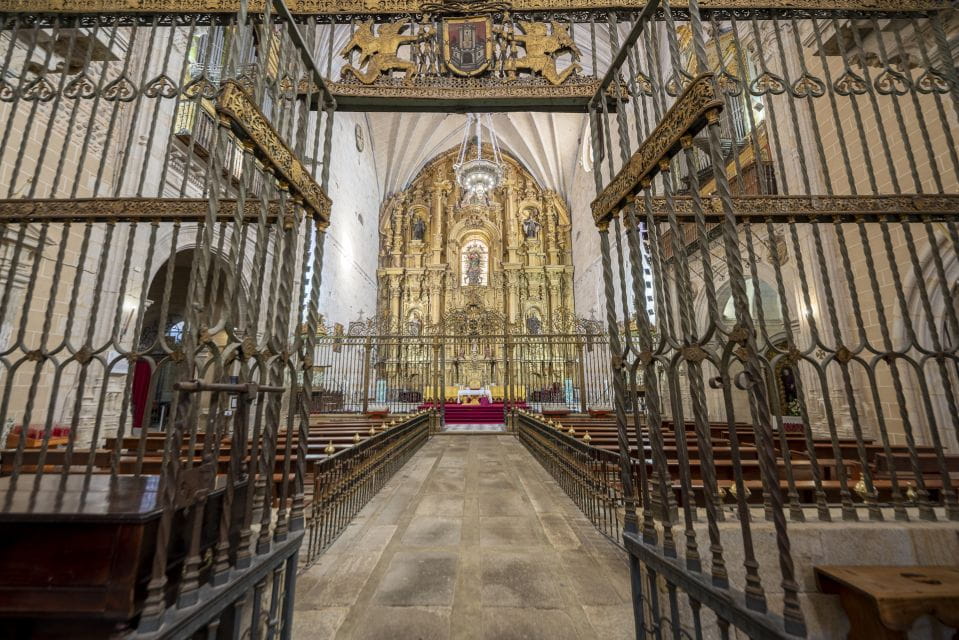
- Main altarpiece from the Eighteenth Century with carvings by Alejandro Carnicero.
- Mudéjar-style walnut seating in the choir from the Fifteenth and Sixteenth Centuries.
- Significant altarpieces of las Reliquias (Eighteenth Century) and San Pedro de Alcántara (Seventeenth Century).
- Two thresholds: northern wall (late Gothic, Martín de Solórzano) and southern door (Plateresque, Pedro de Ybarra).
Architectural Design
Combining late Gothic, Renaissance, and Baroque styles, the Cathedral of Coria’s architectural design spans centuries of work. Construction began in 1496 under Bishop Pedro Ximénez de Préxamo, showcasing two distinct thresholds. The northern wall features late Gothic elements crafted by Martín de Solórzano, while the southern door showcases Plateresque design by Pedro de Ybarra.
| Architectural Period | Notable Features |
|---|---|
| Late Gothic | Northern wall, Martín de Solórzano |
| Renaissance | Plateresque southern door, Pedro de Ybarra |
| Baroque | Main altarpiece, Eighteenth Century |
The Cathedral’s diverse architectural influences create a captivating visual experience for visitors, blending the styles of different eras into a harmonious whole.
Main Altarpiece
One of the Cathedral’s most significant elements is its main altarpiece, dating back to the Eighteenth Century.
The altarpiece features intricate carvings by renowned artist Alejandro Carnicero.
It’s a stunning display of Baroque craftsmanship, with:
- Detailed figures and scenes depicting religious imagery.
- Ornate golden detailing that catches the light.
- Towering columns and arches that frame the central artwork.
- An overall design that commands the attention of all who enter the Cathedral.
This magnificent altarpiece is a true centerpiece, showcasing the artistic excellence and religious devotion that are hallmarks of the Cathedral of Coria.
Mudéjar-Style Seating
Nestled within the Cathedral of Coria’s interior, visitors can marvel at the stunning Mudéjar-style walnut seating that dates back to the Fifteenth and Sixteenth Centuries.
These ornately carved choir stalls showcase the cathedral’s rich artistic heritage, blending Gothic and Islamic influences. The seating’s intricate designs and warm wood tones create an inviting ambiance, transporting guests back in time.
As visitors explore the cathedral, they’ll be captivated by the striking juxtaposition of the Mudéjar-style seating against the grand, otherworldly architecture.
This unique feature offers a glimpse into the cathedral’s storied past and the diverse cultural influences that shaped its evolution over the centuries.
Eighteenth-Century Altarpieces
Adorning the Cathedral of Coria’s interior are the magnificent Eighteenth-Century altarpieces, products of the region’s renowned artisans.
The most notable is the main altarpiece, featuring intricate carvings by the esteemed sculptor Alejandro Carnicero.
Plus, the cathedral boasts the altarpiece of las Reliquias, also from the Eighteenth Century, and the altarpiece of San Pedro de Alcántara, dating back to the Seventeenth Century.
These altarpieces showcase the cathedral’s rich artistic heritage and serve as a testament to the skilled craftsmanship of the era.
Visitors can marvel at the stunning details and enjoy the cathedral’s captivating history.
Seventeenth-Century Altarpieces
Along With the cathedral’s magnificent Eighteenth-Century altarpieces, visitors can admire the stunning Seventeenth-Century altarpiece of San Pedro de Alcántara. This ornate altar features intricate carvings and a striking central figure of the saint. The altarpiece’s rich colors and detailed craftsmanship transport visitors back in time, evoking the piety and devotion of the era.
| Emotion | Architectural Feature |
|---|---|
| Awe | Ornate Carvings |
| Wonder | Central Figure |
| Reverence | Rich Color Palette |
| Admiration | Detailed Craftsmanship |
Visitor Experience
Visitors often find themselves captivated by the Cathedral of Coria’s striking architectural features and rich history.
Immersing oneself in the Cathedral’s Roman Catholic legacy, guests can:
- Marvel at the stunning structure, a product of centuries of construction spanning Gothic, Renaissance, and Baroque styles.
- Learn about the Cathedral’s notable elements, including its ornate altarpieces and Mudéjar-style choir seating.
- Appreciate the juxtaposition of architectural styles, from the late Gothic northern wall to the Plateresque southern door.
- Gain insight into the Cathedral’s significance within the Coria-Cáceres dioceses as a prominent place of worship.
The Cathedral of Coria offers visitors a unique opportunity to step back in time and explore the region’s captivating religious heritage.
Things To Know
Are Guided Tours Available for the Cathedral?
Guided tours are not explicitly mentioned in the information provided. However, many cathedrals offer guided tours to enhance the visitor experience and provide deeper insight into the cathedral’s history and architectural features.
What Are the Opening Hours for Visitors?
The Cathedral of Coria is open to visitors from 10:00 AM to 6:00 PM daily. Guided tours may be available, so visitors should check with the cathedral’s website or on-site staff for the latest information.
Is the Cathedral Wheelchair Accessible?
The cathedral is wheelchair accessible. Visitors can explore the historic structure and its architectural features with ease, seeing the Roman Catholic heritage of the site.
Can I Take Photographs Inside the Cathedral?
Visitors are generally allowed to take photographs inside the cathedral, though flash photography may be prohibited to preserve the delicate interior. It’s best to check with staff upon arrival for any specific photography guidelines.
Are There Any Gift Shops or Souvenir Vendors On-Site?
The cathedral has a small gift shop on-site where visitors can purchase religious souvenirs and mementos. However, there are no independent souvenir vendors located within the cathedral grounds.
Sum Up
The Cathedral of Coria offers a captivating visitor experience with its blend of architectural styles and significant features. Flexible ticketing, a full refund policy, and the opportunity to explore the cathedral’s rich history and artistry make it a must-visit destination. Whether admiring the ornate altarpieces or the Mudéjar-style seating, visitors are sure to be immersed in the cathedral’s remarkable charm.