
Exploring Cisternino’s “The Gardens of Pomona” offers a refreshing taste of Italy’s green side, away from the crowded historic sites. For just $14 per person, this 4-hour experience combines a captivating walk through 10 hectares of organically cultivated fruit trees with lively insights from knowledgeable guides. It’s an ideal outing for anyone curious about biodiversity, sustainable agriculture, or simply seeking a peaceful, scenic escape in Apulia.
What I particularly appreciate are the diverse plant collections—ranging from tropical guavas to hardy Canadian Amelianchier—and the intimate connection to local and global biodiversity. Plus, the tour’s emphasis on water conservation and permaculture offers practical takeaways that add value beyond just sightseeing. A potential downside? The experience’s focus on botanical details might be less engaging for those seeking a fast-paced adventure or in-depth culinary tastings.
This tour balances education, tranquility, and authentic landscape appreciation. It’s a wonderful choice for travelers who enjoy learning about plants, love being outdoors, and want to see how sustainable practices are woven into Italian farming traditions.
Key Points / Takeaways
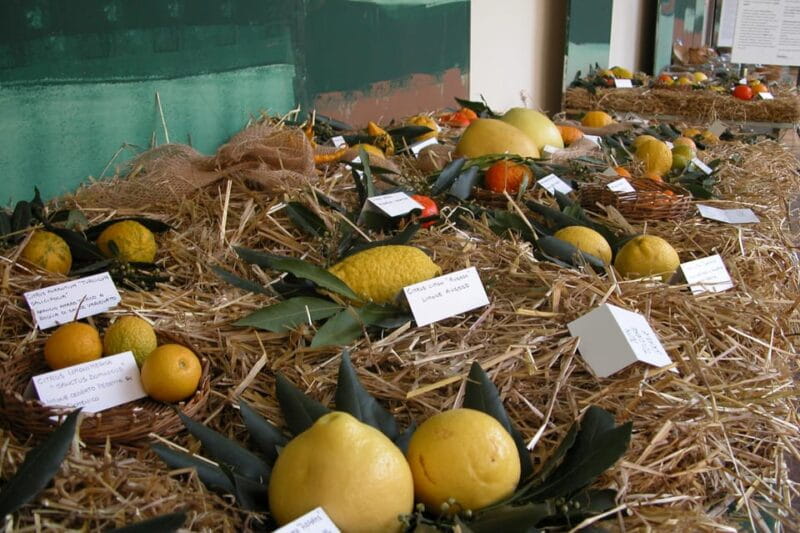
- Diverse Fruit Collection: Over 1,200 varieties of fruit trees, including rare and historic Italian citrus.
- Biodiversity Focus: Discover plants from extremes of heat and cold, from tropical guavas to cold-hardy Canadian species.
- Scenic Outdoor Setting: 10 hectares of organically cultivated fields, lavender labyrinth, and historical landscape.
- Educational Insights: Learn about water-saving techniques and permaculture in agricultural practices.
- Guided Expertise: Tours led by knowledgeable guides (such as P. Belloni) who passionately share plant stories and ecological tips.
- Tasting Included: Enjoy fresh, ripe fruit straight from the trees, with a detailed map of the gardens.
Entering The Fruit Garden
From the moment you step into the Gardens of Pomona, you’ll feel like you’ve entered a living orchard museum. The guide, whose name I believe is P. Belloni, warmly introduces the vast collection of fruit trees. Here, you’ll find a mix of rare plants and climate-resistant varieties sourced from hot and cold regions alike. This part of the tour makes you realize just how much biodiversity is packed into a modest 10 hectares.
I loved the way the guide explained the history behind Italian citrus varieties—like bitter orange scannellati and cornuti—connecting each plant to local traditions. One reviewer even remarked, “The tour started with a visit to the fruit garden, which felt like a stroll through a Mediterranean fruit paradise,” offering a warm, familiar feeling for those who enjoy edible landscapes.
You can also read our reviews of more tours and experiences in Cisternino.
The Collection of Unique and Historic Fruits
The highlight for many is the fig collection, boasting around 600 different accessions. I found it fascinating to wander among these trees, observing the variety that has thrived in the Mediterranean for centuries. It’s not just about admiring the fruit but understanding how each cultivar has adapted to specific local conditions.
Along the way, you’ll see plants from extreme climates, such as the Nagasaki Kaki, which is a symbol of peace, having survived the atomic bombing in Japan. The guide shared touching stories behind these plants, enriching the experience beyond botanical facts.
Another reviewer appreciated how the tour covers plants of historical Italian citrus, describing them as “a living Italian orchard museum” that offers insight into centuries of cultivation. Tasting fresh fruit during the walk is a delightful, tangible connection to what you’ve just learned.
The Lavender Labyrinth and Peaceful Landscapes

Next, you’ll walk through a lavender labyrinth—an aromatic, calming space designed for both relaxation and education. At its center is the Nagasaki Kaki, standing as a powerful emblem of resilience and hope. The labyrinth itself is a photographer’s dream, offering scent-filled moments that linger long after your visit.
Walking these peaceful landscapes, I appreciated the way the guide explained the importance of organically cultivated practices and water efficiency. The emphasis on virtue in water use and food forests demonstrates a genuine commitment to sustainable farming, making this experience feel responsible as well as beautiful.
Water Conservation and Sustainable Farming in Action
A significant part of the tour involves discussing water consumption in agriculture—a hot topic everywhere—and how “The Gardens of Pomona” show virtuous examples through permaculture systems. I found this section particularly insightful because it connects gardening to broader environmental concerns.
The guide showcased examples of water-sparing techniques, explaining how each method benefits the environment and the local economy. As someone who cares about sustainable food production, I appreciated that these practices are not just theoretical—they’re implemented here, making this experience both educational and inspiring.
More Great Tours NearbyPractical Details and What to Expect
The tour begins at the Educational Farm Shop, where you’ll meet your guide and receive a map of the gardens along with a fruit tasting. The walk lasts about two hours, covering the entire 10 hectares, but allow extra time if you want to linger or photograph.
Comfortable clothing and a sun hat are recommended, especially during warm months. The group sizes are usually small, which means more personalized attention and easier conversations about specific plants. The tour is available in Italian, French, and English, making it accessible to most travelers.
Price-wise, at $14, the experience offers excellent value considering the size of the garden, the depth of knowledge shared, and the inclusion of tastings. You won’t find many other tours that combine this level of plant diversity with sustainable farming insights for such a modest fee.
Who Will Love This Experience?
This tour is perfect for plant enthusiasts, sustainability-minded travelers, and curious foodies. If you enjoy walking outdoors, learning about different fruit varieties, or simply relaxing in a scenic environment, you’ll find plenty to love here. It’s also suitable for families, especially since children can taste ripe fruit straight from the trees and engage with the plants.
However, if you’re looking for a fast-paced, culinary-focused experience, this might not be your best fit. It’s more about appreciating biodiversity and landscape, rather than tasting a variety of prepared foods or exploring local markets.
Final Thoughts
For travelers seeking an authentic, educational adventure that combines botanical beauty with ecological awareness, this guided tour of “The Gardens of Pomona” hits the mark. The knowledgeable guides and diverse plant collections make it stand out as a thoughtful way to spend part of your time in Apulia.
The experience offers more than just pretty scenery—it invites you to reflect on biodiversity, sustainability, and the importance of resilient landscapes. It’s a peaceful, enriching journey for those who enjoy observing nature’s variety and learning how traditional and modern practices can work together to protect it.
While it’s not a quick sightseeing stop, the value for money and the chance to taste fresh, ripe fruit make it well worth the effort. Whether you’re a plant lover or a curious traveler, “The Gardens of Pomona” provides a genuine, memorable slice of rural Italy with meaningful lessons for modern life.
FAQ
How long is the tour?
The guided tour lasts about 2 hours, covering 10 hectares of gardens, with additional time for walking to and from the meeting point and optional lingering.
Where does the tour start?
It begins at the Educational Farm Shop, which is also the meeting point. The activity ends back at the same spot.
What is included in the price?
Your ticket includes admission, a map of the gardens, and a tasting of ripe fruit directly from the trees.
Is there a cost for beverages?
Beverages are not included in the tour price, so if you want something to drink afterward, you’ll need to purchase it separately.
What should I wear?
Comfortable shoes and a sun hat are recommended, especially during warmer months when the sun can be strong.
In which languages are the tours offered?
Tours are available in Italian, French, and English, helping most travelers participate comfortably.
How flexible is the booking?
You can reserve now and pay later, keeping your plans adaptable. Cancellations are free if made up to 24 hours in advance.
Are group sizes large or small?
The tours tend to be small, allowing for personalized attention and more engaging conversations.
Is this experience suitable for children?
Yes, children can enjoy tasting fresh fruit and exploring the garden, making it family-friendly.
What if I want to visit other nearby experiences?
The Gardens of Pomona is a unique botanical experience, but similar options or local workshops can be found linked on the provider’s site.
In essence, this tour stands out as a thoughtful, authentic way to see a different side of Italy—focused on nature, sustainability, and the joy of discovering diverse fruit varieties. It’s a quiet, educational treat for those who love getting to know the land beyond the typical tourist spots.
You can check availability for your dates here: