
Chania: Battle of Crete and WW2 History Tour with Bunkers — An Authentic Journey into Crete’s Wartime Past
If you’re interested in military history, especially World War II, this private tour in Crete offers an engaging way to uncover the island’s role during the Battle of Crete and Operation Mercury. Led by a licensed historian guide, the experience combines visits to iconic battlefields, abandoned German bunkers, cemeteries, and lesser-known relic sites, making it a compelling mix of storytelling and exploration. For $192 per person, you get roughly 6.5 hours of deeply researched insights, tailored to your pace and interests.
What I particularly like about this tour is the expert guidance. The licensed historian, with their vast knowledge and access to rare archives, offers a perspective you simply can’t get from a standard sightseeing tour. Plus, the focus on lesser-visited sites, like abandoned military installations and secret lookout points, makes this a unique experience for those keen to go beyond the usual tourist spots. That said, the tour is physically active, with walking involved, so comfortable shoes are a must.
A possible consideration is the price, which might seem steep at first glance. However, when you factor in the private nature of the tour, the depth of historical access, and the exclusive sites visited—some of which are off-limits to the general public—it becomes clear this is a good value for serious history enthusiasts. One caveat worth mentioning is that it isn’t suitable for very young children or those with mobility concerns, due to the walking and terrain involved.
Key points / Takeaways
- Expert-led private experience with a licensed historian guide.
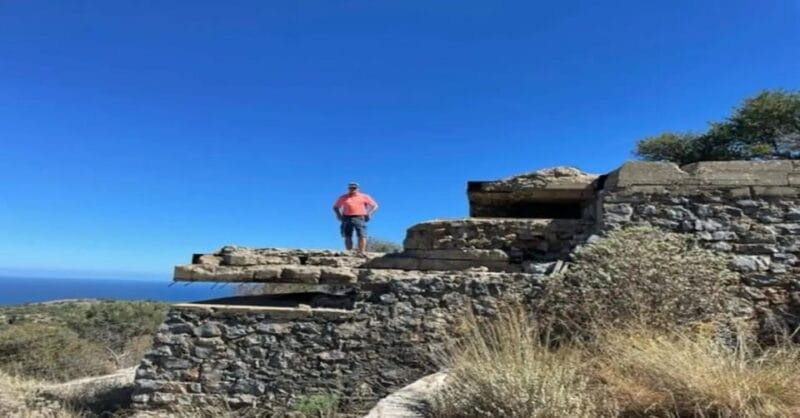
- Visits to key WW2 battlefields and hidden relics, including the Maleme airfield and unknown German bunkers.
- Unique access to abandoned military sites and rare archives, making history tangible.
- In-depth storytelling that covers the strategic importance of Crete in WW2, not just a surface overview.
- Includes visits to major cemeteries and monuments, providing a complete picture of the war’s impact.
- Flexible, private group setup ensures a personalized experience tailored to your interests.
Discovering the Battlefields of Crete: A Journey through War
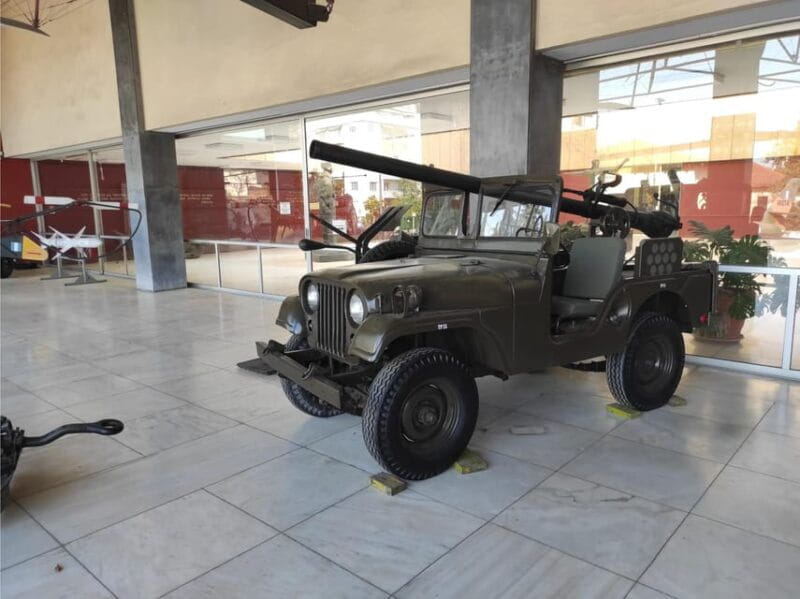
Starting in Chania, the tour sets the stage for an immersive day. Your private guide, a licensed historian, picks you up and begins the journey with a detailed briefing about the significance of the Battle of Crete, emphasizing the strategic importance of the island in WWII. You quickly realize that this isn’t just a sightseeing trip; it’s an educational experience that aims to connect you with the stories behind the ruins.
Maleme Airfield is the first major stop. Once the scene of intense fighting, today it’s a quiet, open space, but your guide brings it alive through historical photos and detailed explanations. You’ll learn how the Germans launched their Operation Mercury in 1941, aiming to secure Crete and dominate the Mediterranean. Standing on the airfield, I was struck by how this area witnessed some of the most critical moments of the campaign, and I appreciated having a knowledgeable guide to interpret what I was seeing.
Next, a photo stop and walk around the nearby battlefields deepen your understanding. Your guide points out specific locations where fierce combat took place, highlighting strategic positions that shaped the outcome. During the walk, you’ll get a sense of the terrain—how hills like Hill 107 played a pivotal role in the conflict. It’s awe-inspiring to see these sites firsthand and realize how terrain and logistics influenced history.
You can also read our reviews of more tours and experiences in Souda.
Uncovering Hidden WW2 Sites and Relics
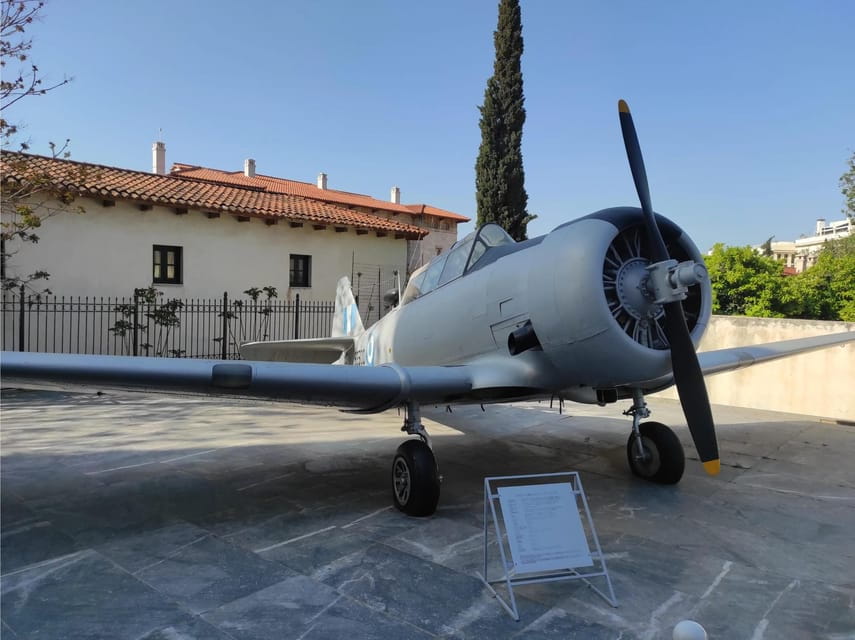
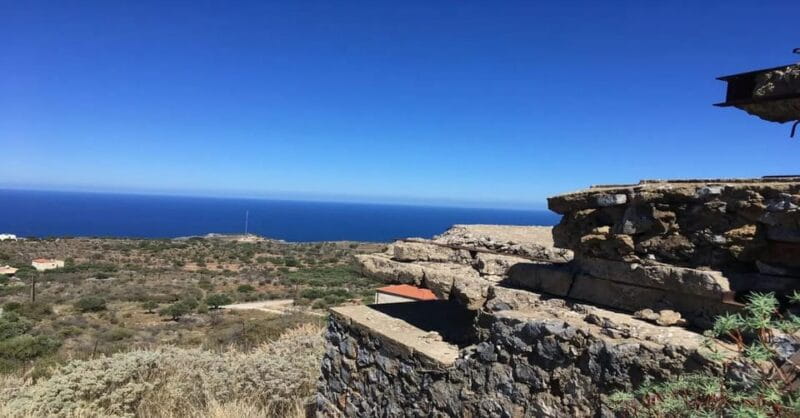
What sets this tour apart are the lesser-known, off-the-beaten-path locations. Your guide takes you to abandoned German bunkers, some of which are part of an undisclosed system that only military history experts know about. Exploring these silent relics, you get a feel for the scale of the operations and the defensive measures taken by German forces during their occupation.
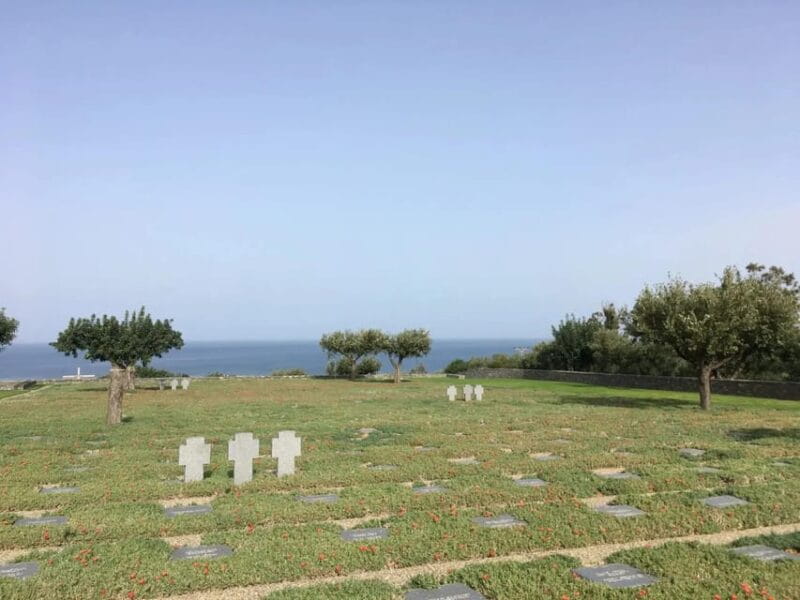
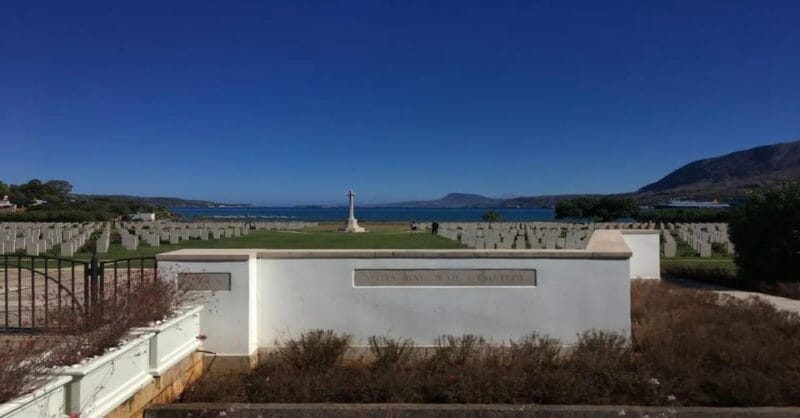
The tour includes visits to WW2 cemeteries, like the German War Cemetery and the Allied War Cemetery in Souda. These sites offer a poignant reminder of the human cost of war and provide a respectful setting for reflection. The guide’s careful explanations help you grasp the strategic importance of these memorials and the stories of those who fought and fell here.
One of the favorite moments, according to reviews, is the exploration of rare abandoned military installations. These sites, often concealed from casual visitors, include German bunkers and lookout points. Seeing relics like old machine gun emplacements and crumbling concrete structures was fascinating—these are tangible links to the past, and your guide’s insights add layers of understanding.
The Value of Rare Archives and Photos
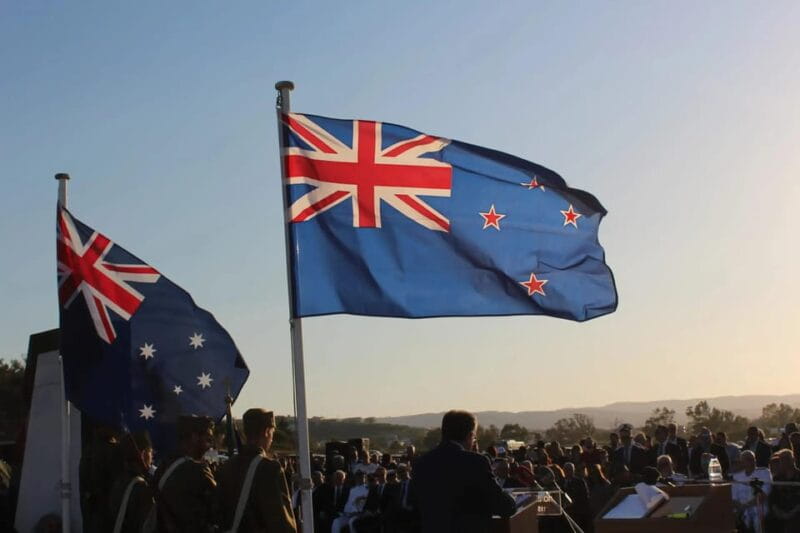
A highlight of the tour is the use of rare historical archives and photos that your guide shares. These visuals help you compare past and present, revealing how much of the landscape has changed—and what has remained. It’s one thing to see a battlefield and another to see photographs of soldiers or maps from the period, which the guide expertly interprets.
These archives make the history accessible, especially when you’re standing in the actual locations. For instance, seeing images of German bunkers during the war while standing next to their remains provides an immersive experience that sticks with you long after the tour ends.
The German Bunker System: A Highlight
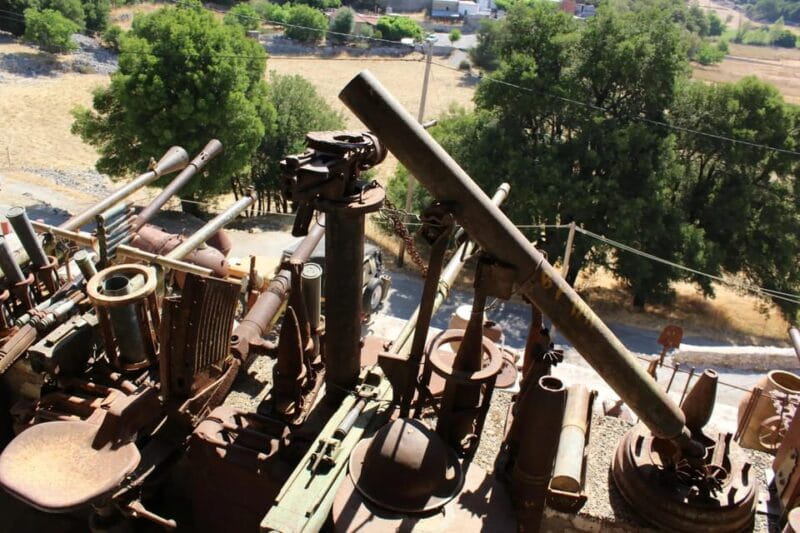
Perhaps the most striking part of the experience is the visit to an undisclosed German bunker system. The guide describes the purpose behind these defensive installations—how they were part of the larger network of Wehrmacht fortifications during the occupation. Exploring the tunnels and viewing the relics offers a visceral sense of the wartime infrastructure.
The views from these lookout points are spectacular, adding a scenic backdrop to the historical narrative. Standing amidst these relics, it’s easy to imagine the tension and stakes that played out here nearly 80 years ago.
More Great Tours NearbyWhat to Expect: Logistics and Practicalities
The tour is fully private, ensuring you’re not stuck in a large group, which allows for flexibility and in-depth discussion. Pickup and drop-off are included from all Chania central areas, making logistics straightforward. The modern A/C vehicle keeps the journey comfortable, even on warm days.
Timing is flexible—check the schedule for starting times, but plan to devote about 6.5 hours for a comprehensive experience. Since there’s walking involved, comfortable shoes are recommended, and you’ll want to bring a hat, camera, sunscreen, and plenty of water.
You’ll also find that the tour is suitable for those who are mobile and comfortable exploring uneven terrain. It isn’t designed for young children or those with mobility issues, given the nature of the sites visited.
- Battle of Crete Highlights: Half Day Shore Excursion
- Boat Experience in Almyrida
- Chania: Private Sailboat Day Trip With Food and Drinks
- From Chania: Zorbas Beach, Agia Triada, Allies War Graves
- Chania: Private Sunset Sightseeing Tour with Historian Guide
- Chania: Private Cruise with Sup Food & Unlimited Drinks
Price and Value Analysis
While $192 per person might seem high for a half-day tour, the value lies in the private, expert-guided focus combined with access to rare sites and archives. It’s an immersive, educational experience that offers more depth than many standard history tours. The inclusion of surprise gifts at the end adds a personal touch, and the full liability insurance provides peace of mind.
If you’re passionate about WWII, military history, or just love learning about the lesser-known stories that shaped Crete, this tour offers an excellent balance of education, exploration, and personal attention.
Who Should Consider This Tour?
This experience is best suited for history enthusiasts, military buffs, or travelers wanting a meaningful, personalized insight into Crete’s WWII past. It’s ideal if you’re comfortable with walking and have a curiosity for uncovering hidden sites. If you prefer a more relaxed, less active visit, or are traveling with very young children or mobility concerns, you might want to explore other options.
Summary: Is it Worth It?
In short, this tour provides a rare opportunity to see Crete’s WWII sites through the eyes of an expert, making history come alive. The private setting, coupled with exclusive access to abandoned bunkers and detailed storytelling, makes it a worthwhile investment for those with a serious interest in military history. The knowledge and stories shared by the guide add genuine value, creating an experience that’s both educational and memorable.
If you’re looking for a deeply personalized, insightful journey through Crete’s wartime landscape, this tour is a standout. You’ll leave with a better understanding of the strategic importance of Crete during WWII and a bunch of stories to tell back home.
FAQ
Is this tour private or group?
It’s a private tour, meaning you and your companions will be the only ones on it, allowing for a personalized experience.
How long does the tour last?
The experience lasts about 6.5 hours, with flexible starting times based on your schedule.
What is included in the price?
The cost covers a professional, licensed historian guide, private transportation, visits to key battlefields, abandoned bunkers, cemeteries, and the use of rare archives and photos.
Are food and entrance fees included?
No, food and drinks are not included, and there is a €5 entrance fee for the Battle of Crete War Museum if you choose to visit.
Is the tour suitable for children?
It’s not recommended for children under 8 years or for those with mobility issues due to walking and terrain.
What should I bring?
Bring comfortable shoes, a hat, camera, sunscreen, and water.
Can I book this tour for a cruise ship stop?
Yes, it’s also available as a Shore Excursion covering Chania and Souda cruise port.
What languages are available?
The tour is conducted in English and Greek.
To sum it up, whether you’re a history lover or simply curious about Crete’s role in WWII, this private, expert-guided tour offers a meaningful and authentic way to experience the island’s wartime legacy. The combination of accessible battlefields, hidden relics, and expert narration makes it a memorable addition to your Crete itinerary—especially if you value deep insight over surface-level sightseeing.
You can check availability for your dates here: