
Engaging the Senses at Nuremberg’s Rally Grounds with a VR Bus Tour
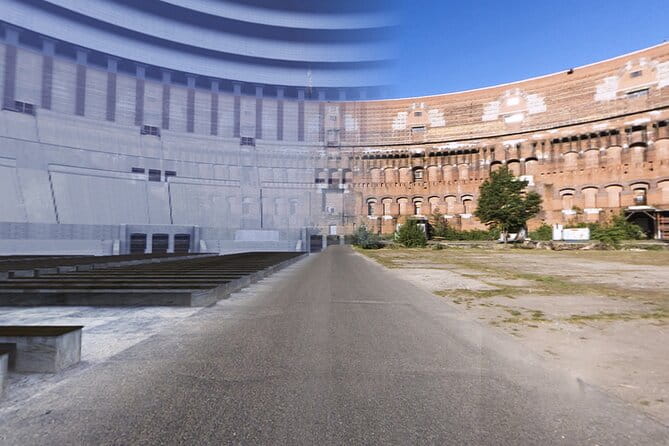
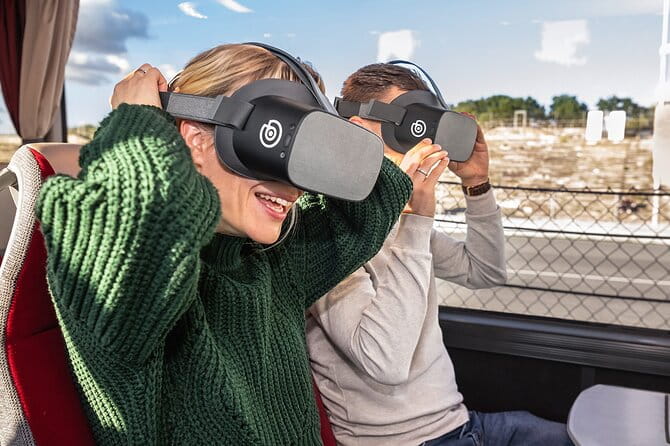
Imagine sitting comfortably in a cozy bus, watching history unfold through cutting-edge virtual reality glasses while a knowledgeable guide explains the story behind the ruins of Nazi Germany’s largest rally grounds. That’s exactly what the Bus VR Tour of the former Nazi Party Rally Grounds in Nuremberg offers. This approximately 90-minute experience stands out because it blends technology with education in a way that makes the past feel surprisingly immediate and tangible.
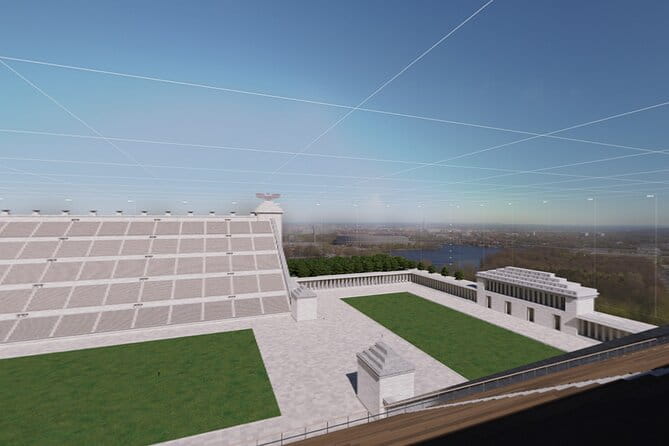
Two things I particularly like about this tour: First, the use of VR glasses to visualize unbuilt or dilapidated structures brings a fresh perspective that traditional walking tours can’t match. Seeing the unfinished Congress Hall or the German Stadium as they were intended to look, right on the site, makes the entire history more vivid. Second, the small group size of just six travelers ensures you’ll receive personalized attention and detailed explanations from the tour guide, who is from Geschichte für Alle e.V., adding a layer of authenticity and passion.
A possible drawback is that the admission tickets are not included for most stops, which means you’ll need to budget extra for entry fees if you want to see the sites up close. Plus, the tour’s virtual reality content is an immersive supplement, but some might find the technology a bit overwhelming at first, especially if you’re not used to VR glasses. Still, the overall value comes from the unique insights that VR provides, making this a tour worth considering for those interested in history, technology, and honest storytelling.
Key Points / Takeaways
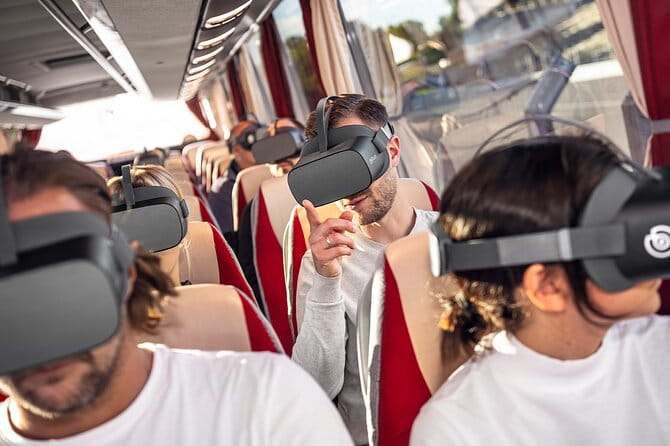
- Innovative use of VR transforms the way you experience historical sites.
- Small group size allows for more engaging and personal explanations.
- Starting at the Congress Hall offers a powerful introduction into Nazi architecture and ambitions.
- Visiting Zeppelin Field and the Grandstand gives you a visual grasp of the scale of Nazi rallies.
- The German Stadium shows how grandiose plans were, even if never finished, with VR illustrating what could have been.
- Accessible for most travelers with minimal physical effort and near public transportation.
You can also read our reviews of more tours and experiences in Nuremberg.
The Journey into History: A Detailed Look at the VR Tour Experience
If you’re curious about how the Bus VR Tour works, it’s best to start with the logistics. Meeting at Bayernstraße 110, the tour begins with a short introduction by your guide from Geschichte für Alle e.V., who is clearly passionate and knowledgeable about the site’s history. Small groups of just six travelers mean you’re unlikely to feel lost in a crowd, which makes asking questions or simply absorbing the detailed commentary much easier.
The first stop, the Congress Hall, is particularly striking. Not only does the guide provide historical background about this massive unfinished structure — visualize a colossal coliseum that was meant to symbolize Nazi power — but with VR glasses, you see an architectural visualization of what the completed hall would’ve looked like. A reviewer noted, “seeing the intent of an unfinished project through the virtual glasses was so educational and real.” It’s a reminder of both the hubris and ambition behind Nazi architecture.
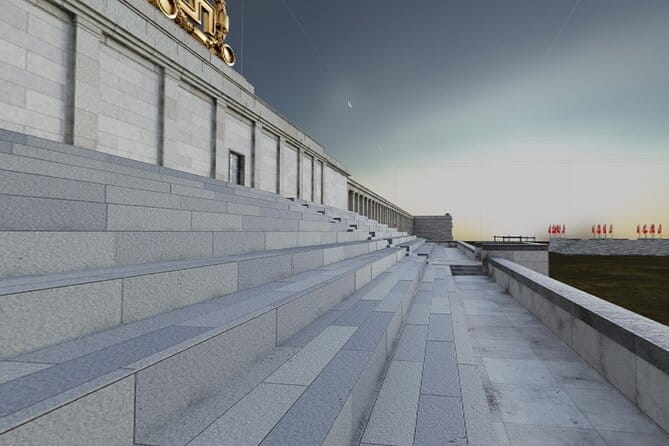
Next, the bus travels to the Zeppelin Field and the Zeppelin Grandstand, which is one of the few parts of the rally grounds still standing and used during the regime. The VR content here complements the guide’s explanations, showing how the space was used for massive rallies and emphasizing the sheer scale of Nazi propaganda events. Walking through this area, you get a sense of the authoritarian spectacle that the Nazis aimed to project.
At the Große Straße, the focus is on the German Stadium plans. Here you’ll see the excavation pit called Silbersee, which marks where the stadium’s foundation was to be laid. Using VR, you’ll get a vivid impression of how vast and ambitious the project was — a true showcase of Nazi megalomania. One reviewer expressed surprise that “the VR made the unrealized plans feel so real, it was a powerful experience.”
Throughout the tour, the guided commentary is key. The guide’s insights help connect the visualizations with historical context, making the experience more meaningful. Since the VR content is included in the ticket, you get an interactive layer that turns the site from just ruins into a storytelling canvas.
A noteworthy point is that the admission tickets to the sites at each stop are not included in the tour price. This means you might want to plan for the extra costs if you want to explore the sites more closely or visit specific interiors. Still, the VR supplemented with the guide’s narration offers a unique perspective that’s hard to replicate through traditional tours.
Transportation and Duration: Why It Matters
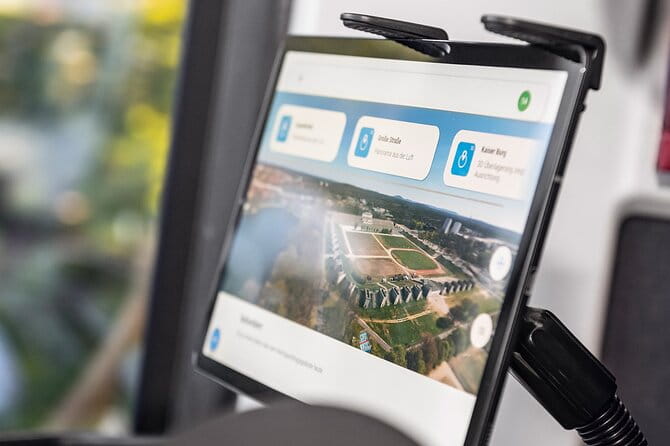
The bus itself is part of the experience. Sitting comfortably while traveling between sites allows you to relax and take in the sights without the physical exertion of walking. The duration of about 90 minutes strikes a good balance — long enough to cover the key sites but short enough to keep your attention engaged.
The tour starts and ends at the same location, near public transportation, so getting there is straightforward. The small group size also means that the experience remains intimate and flexible, ideal if you prefer tours that avoid the mass tourist feel.
Who Will Love This Tour?
This tour suits travelers interested in history, technology, and authentic storytelling. It’s particularly valuable for those who want a visual understanding of Nazi architecture and rally grounds, without the physical demands of walking extensive ruins. It also works well for visitors who appreciate guided explanations and want a personalized learning experience.
Because the tour involves VR glasses, it might not be ideal for travelers who are sensitive to VR technology or who prefer more traditional, on-foot historical explorations. However, for curious minds wanting an immersive, educational snapshot of a significant period, this tour offers an innovative and memorable perspective.
Price and Value: Analyzing the Cost
While the tour itself is free, you should consider the additional costs for site admissions. However, the fact that the VR experience is included makes this stand out as a cost-effective way to visually explore sites you might otherwise only see from afar. The personalized guide and the VR content elevate the experience beyond a simple bus ride, making the price more than justified for a memorable, educational journey.
Who Should Consider This Tour?
This experience is ideal for travelers who want a combination of history, technology, and storytelling without extensive walking or multiple site entries. It’s also perfect for those short on time, as it condenses key sites into a manageable 90-minute experience. The small group size means you’ll get a tailored experience, and the guide’s passion adds to the tour’s overall quality.
If you’re looking to complement a visit to the Nuremberg Trials or want a primer before exploring other WWII sites, this VR tour provides a unique, visual context you won’t find elsewhere.
Final Thoughts: Is It Worth It?
In a nutshell, this Bus VR Tour offers a fresh way to experience Nazi rally grounds, blending historic insight with immersive technology. It’s an engaging alternative to traditional walking tours, especially if you’re interested in architecture, propaganda, or just want a detailed, guided overview in a short time.
The small group setting and knowledgeable guides make it feel personal and authentic. The VR component enhances understanding by visualizing buildings that no longer exist or are only ruins, making it a powerful tool for learning.
If you’re open-minded about technology and eager to explore a complex chapter of history through a different lens, this tour provides a valuable and memorable perspective. It’s a perfect choice for history buffs, tech enthusiasts, or anyone curious about how architecture and ideology intertwined during the Nazi era.
FAQs
Is this tour suitable for all age groups?
Yes, most travelers can participate, but younger children might find VR glasses or the historic content less engaging. It’s best suited for older kids, teenagers, and adults interested in history.
Do I need to buy tickets for the sites?
Yes, the VR tour includes the experience but does not cover admission fees for the individual sites visited, such as the Congress Hall or Zeppelin Field.
How long does the VR experience last?
The VR content is integrated into the approximately 90-minute tour, with about 25 minutes spent at each major site.
What should I wear or bring?
Comfortable clothing and shoes are recommended. VR glasses are provided, so no need to bring your own tech. Just be prepared for a seated, relaxed experience on the bus.
Is the tour guided in English?
The tour guide speaks German, but the description emphasizes a detailed narration, so check if English guides are available if needed.
Are there any physical demands?
Not much—most of the tour is seated on the bus, with brief stops at each site. It’s suitable for travelers who prefer minimal walking.
What makes this tour stand out?
The combination of on-site visits, expert guides, and immersive VR visualization makes it a unique way to understand a dark chapter of history with clarity and impact.
This Bus VR Tour of the Nazi Party Rally Grounds in Nuremberg balances education, technology, and storytelling in a way that makes history accessible and engaging. It’s a thoughtful option for those who want more than just a typical sightseeing trip, offering a vivid, personal glimpse into the ambitions and failures of Nazi architecture and propaganda.
More Tours in Nuremberg
- Nuremberg: Tunnels and Secret Passages in the City Wall Tour
- Stein: Public guided tour of the “Old Mine” museum
- Old Town Nuremberg: Historical tour with a local guide
- Tour en español al Campo Zeppelin
- Nuremberg:Complete Tour! Castle/Old Town/World War history
- Nuremberg Old Town and Nazi Rally Grounds Walking Tour
More Tour Reviews in Nuremberg
- Nuremberg: 1-day ticket Germanisches Nationalmuseum
- Nuremberg: Castle and Old Town Tour – incl. admission tickets and red beer tasting
- Nuremberg Private Premium Tour with Night PubCrawl
- Nuremberg: Historical Rock Cellars Tour
- Nuremberg: Theater Tour “The Executioner’s Wife”
- Nuremberg: 3-Hour St. Johannis Food Tour in German
Not for you? Here's more things to do in Nuremberg we have recnetly reviewed
- Nürnberg: Scavenger Escape Room Experience: Gangsta’s Cage
- Nürnberg: Secret Surgery Escape Room Game
- Tour del tercer Reich por Núremberg en español
- Nuremberg: Art and Culture revealed by a Local
- Nuremberg’s Mystery Morning: Breakfast & Escape Game
- Nuremberg: The Old Town in Evening Light – IN GERMAN
- Nuremberg: Guided BYO Bike Tour
- Nuremberg: Theater Tour “Of nightwatchmen, executioners, and nymphs”
- Nürnberg: Prison Break Escape Room
- Nuremberg: Medieval Time Travel for Kids
- Nuremberg Christmas 3-Hour Christkindles market Walking Tour
- Nuremberg – Old town Historic Walking tour