
Introducing the Museum of Communication in Berlin offers a surprisingly engaging look into how humans have connected over centuries, from primitive signals to modern smartphones. The museum’s collection includes everything from ancient hand axes to the famous Blue Mauritius stamp—among the rarest in the world—and boasts a dynamic, hands-on approach that makes learning about communication both fun and enlightening.
What I particularly appreciate is how the museum balances interactive displays with rich historical context. You’ll love the digital and physical exhibits that invite you to try signaling with smoke or light, and the way the museum emphasizes dialogue, inviting visitors to reflect on current debates about how we stay connected. Plus, the affordable entry fee of just $9 and the flexible, one-day validity make it an accessible choice for curious travelers.
A possible consideration is that the museum can feel a bit confusing to navigate, especially since some exhibits are only in German and signage isn’t always clear. Still, with the provided audio-visual app, you’ll get enough guidance to enjoy what’s on offer—though you might need to pay a little extra attention during your visit. Also, be prepared for some exhibits not functioning perfectly, as noted by visitors—an understandable issue in a hands-on museum with many interactive elements.
Key Points / Takeaways
- Interactive exhibits make learning about communication engaging and fun.
- The rare Blue Mauritius stamp is a standout highlight for philatelists.
- The museum’s self-guided approach allows you to explore at your own pace.
- Accessibility features and free cancellation add flexibility to your visit.
- The museum’s focus on both historical and modern communication themes makes it relevant today.
- Signage and language could be improved, especially for non-German speakers.
Exploring the Highlights of Berlin’s Museum of Communication
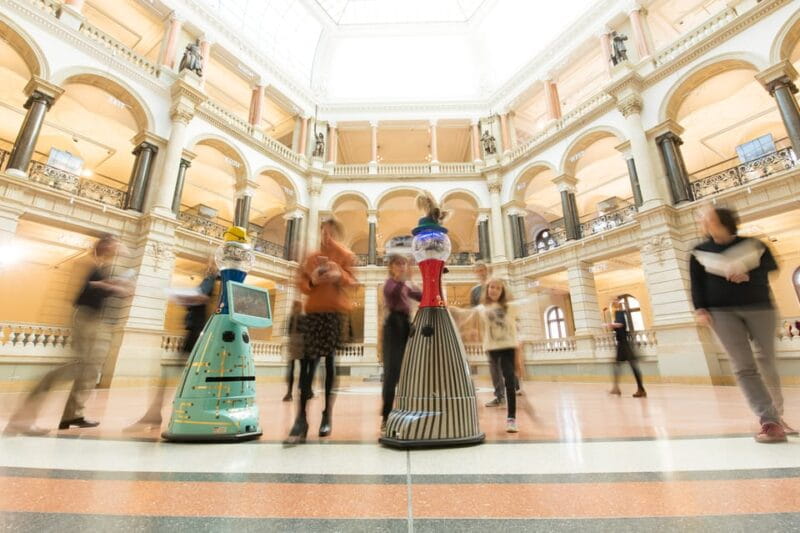
The Museum of Communication in Berlin is not your typical dull collection of old objects. It’s a lively space packed with over 2,000 artifacts spanning 40,000 years of how humans have exchanged ideas, emotions, and information. The location in Berlin makes it a practical addition to any cultural itinerary, especially if you’re traveling with kids or with a curiosity about how communication shapes society.
The Entrance and Ticketing Process is straightforward. You can buy tickets at the door or online via GetYourGuide, which offers the option to reserve and pay later—ideal if your plans are still flexible. For just $9 per person, you gain access to a full day’s worth of exhibits, and there’s no need to book a timeslot, making it a flexible choice for spontaneous or scheduled visits. The ticket includes access to an audio-visual app that guides you through the museum, enhancing your experience without the pressure of a guided tour.
Here are more great tours and experiences we've reviewed in Berlin
What to Expect Inside the Museum
Entering the Museum feels like walking into a treasure trove of communication history. The building itself is quite beautiful, with a spacious, modern design that encourages exploration. The main atrium hosts the communication gallery, where interactive terminals make the learning process lively. Expect to experiment with signaling methods—using smoke, lights, or sound—and even try out digital displays that simulate real-world communication.
Exhibits range from prehistoric tools like hand axes used for early communication to sophisticated modern devices such as smartphones. You’ll find a fascinating variety of objects, including the world-famous Blue Mauritius stamp, one of the rarest and most valuable stamps globally. As one visitor noted, “We wandered in to use the loo and only then realized where we’d wandered into,” which underscores how unexpectedly engaging the museum can be—sometimes you stumble upon the best surprises.
The Interactive Experience: Fun and Education Combined
What makes this museum stand out is its hands-on approach. The exhibits aren’t just for looking—they’re for doing. You can send signals by smoke or light, learn how to greet people from different countries, and understand the evolution of communication through multimedia displays. The digital terminals especially appeal to kids, and the museum even hosts a workshop for younger visitors, as noted by a family visitor who said, “Our 5-year-old found the exhibits interesting.”
However, some reviews suggest that signage and guidance could be better, particularly for non-German speakers. The exhibition’s content is mostly available in English, but some parts are German-only, which can cause confusion. Still, the audio-visual app helps bridge this gap, providing explanations and context as you explore.
Special Exhibits and Unique Finds
The museum’s collection includes 40,000 years of communication history, which is impressive for its breadth. The post office exhibits are particularly noteworthy, given the museum’s claim as the world’s oldest postal museum. You’ll see vintage mailboxes, early postal routes, and learn how postal systems evolved globally. The Philately collection with the Blue Mauritius stamp is a definite highlight—an item that many visitors have praised as “among the world’s most famous and rarest stamps.”
More Great Tours NearbyThe Value for Money
At $9, the museum provides excellent value. For less than the price of a coffee, you gain a comprehensive, self-paced experience that’s suitable for all ages. The flexible ticket policy, including free cancellation up to 24 hours before, offers reassurance for travelers with unpredictable schedules.
Ready for more culture? More museums we feature in Berlin
- WWII History in Berlin Private Tour & German-Russian Museum
- Full Classical Experience – Altes Museum & Pergamon Panorama
- Berlin: Interactive DeJa Vu Museum Entrance Ticket
- Berlin: Ticket for Photography Exhibitions at C/O Berlin
- Skip-the-Line: Berlin Wall Museum at Checkpoint Charlie
- Berlin: Stasi Museum Private Guided Tour With Entry Ticket
Who Should Visit?
This museum suits history enthusiasts, families with kids, and anyone curious about the future of communication. It’s especially appealing if you enjoy interactive, hands-on exhibits and want a break from more traditional museums. While it may not be the best choice if you prefer guided tours or detailed signage, the self-guided approach allows you to tailor your visit to your interests.
Final Thoughts: Practical, Engaging, and Affordable
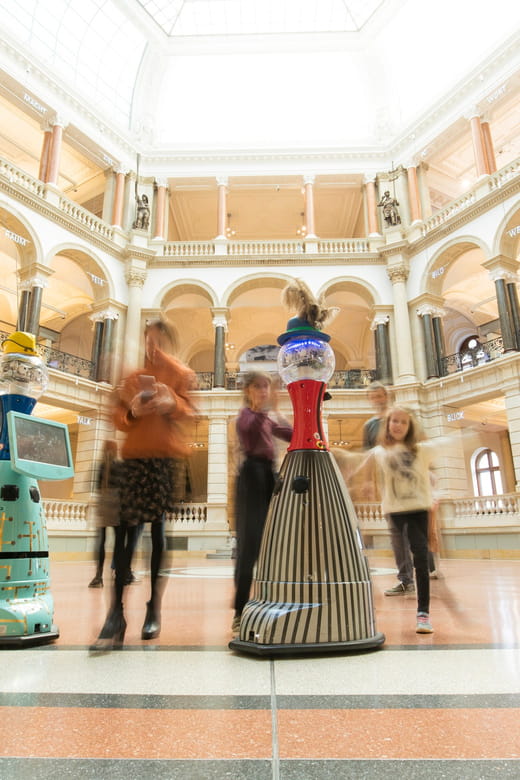
Berlin’s Museum of Communication offers a thoughtful mix of history and interaction that makes learning about human connection accessible and enjoyable. The self-guided audio-visual app, combined with engaging exhibits, creates a flexible experience that can appeal to a wide range of visitors. The rare stamps, vintage postal artifacts, and interactive signaling demonstrations make it more than a typical museum—it’s a playful look at how we’ve kept in touch through the ages.
While some signage and exhibit functionality could be improved, these minor drawbacks don’t overshadow the overall value and uniqueness of the experience. The museum’s affordable price point, combined with its family-friendly atmosphere, makes it a great option for budget-conscious travelers eager to discover fresh insights about communication.
If you love interactive, educational experiences and are in Berlin for a few days, this museum is well worth your time. It provides a tangible connection to how humans have found ways to share ideas for millennia—something worth exploring, no matter your age.
FAQ

Is it necessary to reserve tickets in advance?
No, you can buy tickets at the museum or online with the option to reserve and pay later. No time slot is required, giving you flexibility.
How long should I plan for my visit?
Most visitors spend about an hour to an hour and a half exploring the exhibits, but you could spend more if you want to participate in activities or use the app thoroughly.
Is the museum wheelchair accessible?
Yes, the museum is wheelchair accessible, making it suitable for all visitors.
Can I pay with cash or card?
You can pay at the museum counter with cash or use a card. Online booking is also available.
Are there any specific exhibits for children?
Yes, children enjoy the interactive terminals and workshops, especially the signaling demonstrations and hands-on communication activities.
What are the opening hours?
The museum is open Monday to Friday, with extended hours on public holidays from 10:00 AM to 6:00 PM. It’s closed on Mondays and major holidays like December 24, 25, and 31.
To sum it up, the Museum of Communication in Berlin is a surprisingly lively and fun way to understand the evolution of how humans connect. Its affordable price and flexible approach make it accessible for families, solo travelers, and history buffs alike. While a few signs could be clearer, the interactive exhibits and rare artifacts create a memorable experience that makes exploring the past of communication both educational and entertaining.
You can check availability for your dates here:More Museum Experiences in Berlin
More Tickets in Berlin
More Tour Reviews in Berlin
Not for you? Here's more things to do in Berlin we have recnetly reviewed
- Potsdam: 5-Hour-Tour “Parks & Palaces” from Berlin by VW-Bus
- Berlin: guided canoe | kayaktour
- Berlin: 3-Hour Guided Small Group Fat Tire E-Scooter Tour
- Rickshaw private driver, shared Guide Berlin Highlights
- Berlin: Madame Tussauds Happy Hour Ticket
- Berlin: Green City Guided Bike Tour
- VIP Warnemünde-Berlin: Private Shore Excursion with a Van
- Understanding Kreuzberg: The roots of local (sub)culture
- Tranfer with small or Bigger introduction Tour Berlin
- Private Tour – Highlights of Berlin for Families
- Berlin: Germany’s Very first Craft Beer Tour and Experience
- Private Highlights of Berlin Bike Tour