
Experience the impact of the White Emigration in Belgrade through a thoughtfully curated 3-hour walking tour that traces the footsteps of Russian exiles after the Bolshevik Revolution. This tour isn’t just about history; it’s about understanding how a small country like Serbia became a refuge and a stage for international drama involving emigres, diplomats, and even ex-army officers.
What I love about this experience is how it blends storytelling with tangible sights—walking through the city and seeing where Russian émigrés left their mark, from architecture to cultural centers. Plus, the guide’s command of the subject, with names like Julja, makes the complex history accessible and engaging. Another highlight is the chance to peek into Belgrade’s elegant “Hotel Moskva,” where centuries-old recipes for “Moskva” and “Aurora” cakes are still served.
A possible downside? The tour’s focus on history means it’s best suited for those interested in cultural stories and less so for travelers looking for a quick, superficial overview. Also, since it covers a lot of ground on foot, be prepared for some moderate walking, especially in the Serbian summer or winter.
This tour offers a rich look at a lesser-known chapter of world history, with thoughtful insights that leave you pondering the complexity of exile, diplomacy, and identity—all within the beautiful setting of Belgrade.
Key points / Takeaways
- Deep dive into the White Emigration: Learn how 1-2 million Russians fled after the Bolshevik Revolution, with up to 100,000 settling in Serbia, shaping the city’s cultural landscape.
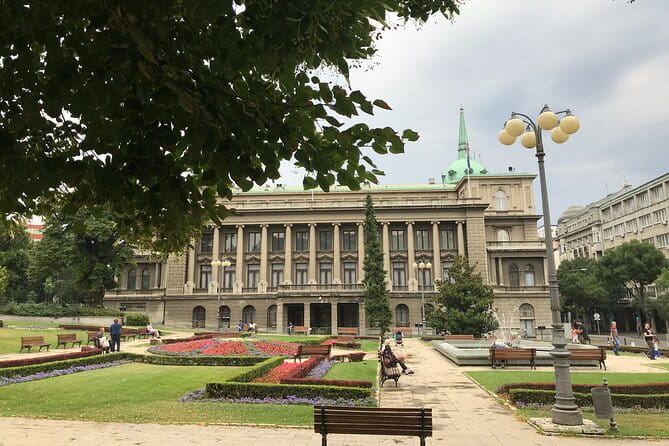
- Authentic sights: From the Holy Trinity Church where Baron Wrangel is buried to the Royal Palace and the Serbian Parliament, each site offers tangible links to the émigré community.
- Architectural influences: Russian architects contributed to Belgrade’s architecture, though their influence isn’t always plainly acknowledged—this tour uncovers those hidden traces.
- Cultural landmarks: Visiting the National Theatre, once a hub for Russian performers, and the Serbian Academy of Science and Arts, highlights Serbia’s role as a cultural haven.
- Historical insights: Stops like Gavrilo Princip Square connect world history to local narratives, especially around WWI and the First World War’s impact.
- Unique local experiences: Tasting cakes at Hotel Moskva and exploring the street that once buzzed with craft workshops now filled with designers add flavor beyond the history.
Exploring Belgrade’s Russian Heritage: A Detailed Walk Through the White Emigration
Walking into Belgrade’s historical core, it’s easy to forget that this city played a pivotal role in a wave of exiled Russians fleeing the upheaval of the Bolshevik Revolution. This tour provides a window into how these émigrés, labeled as the “White Army,” integrated into Serbian society, left their architectural fingerprints, and contributed to cultural life. Led by guides who are well-versed in nuances—like Julja, who impressively answered every question—the experience feels intimate and personal.
You can also read our reviews of more tours and experiences in Belgrade.
An Introduction to the White Emigration’s Roots in Serbia
The story begins with the aftermath of the Russian Revolution, which between 1917 and 1920 caused 1 to 2 million people to leave Russia. Many of these refugees found their way into the fledgling Kingdom of Serbs, Croats, and Slovenes (later Yugoslavia). For Belgrade, this influx wasn’t a minor footnote; it was a significant demographic and cultural shift that shaped many of the city’s landmarks.
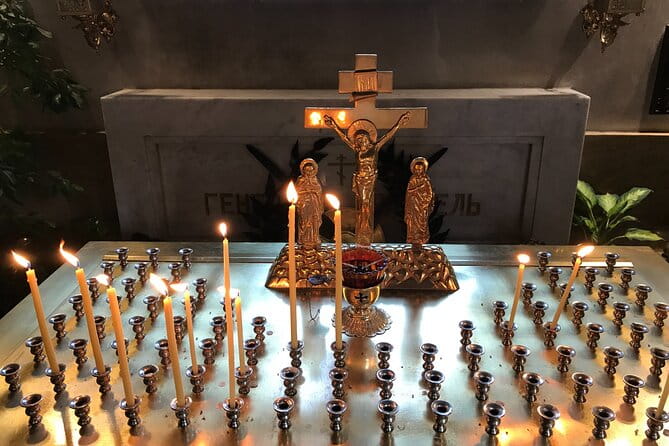
The tour kicks off at the Holy Trinity Church, where Baron Wrangel, a prominent White Army leader, is buried. It’s a quiet, reverent spot that instantly connects visitors to the tumult of that era. The guide’s storytelling makes it clear how these exiles sought stability and community in a foreign land, often creating new institutions, churches, and social clubs.
Discovering the Architectural Footprint of Russian Emigration
Moving through the city, you’ll see the Serbian Parliament and the old post office, buildings that reveal Russophile influences—not always overt but unmistakable upon closer inspection. The guide points out how Russian architects helped shape Belgrade’s urban landscape, even if their contributions aren’t always openly acknowledged. Walking through this area, it’s fascinating to imagine how these structures served as the backdrop for Russian exiles trying to rebuild their lives.
Cultural and Political Landmarks
Next, at the Royal Palace and the nearby monument to Nicholas II, you get a sense of the close ties between Serbian and Russian royal families, which added a layer of diplomatic kinship. The tour highlights how Serbia dared to host a fully-trained, partially-armed exile army—a bold move that reflects Serbia’s historical willingness to stand up for its allies and principles.
At the Hotel Moskva, you can enjoy the luxurious interiors and savor cakes like the “Moskva” and “Aurora”, recipes preserved for over fifty years. This stop is a lovely break, allowing visitors to experience some of the old-world glamour and taste the culinary ties to Russia.
The Cultural Scene and the Role of Russian Emigrants
The National Theatre offers a peek into the artistic influence of Russian émigrés, with performances and productions that once showcased Russian ballet, scenic design, and choreography. Learning about “street songs” and local choirs enriches understanding of Serbia’s multicultural fabric.
Scientific Contributions and Modern Legacies
A visit to the Serbian Academy of Science and Arts reveals the academic and scientific legacies of emigrant scientists who, despite exile, contributed to Serbia’s intellectual life. The tour also touches on the fate of these émigrés during the turbulent 20th century.
Connecting Past and Present
Finally, a walk through Gavrilo Princip Square ties local history to global events—namely, WWI—and reflects on how the upheaval of the early 20th century still echoes today. Many sites visited during the tour remain open and accessible, allowing travelers to walk in the footsteps of history.
Practical Details and What You’ll Get
This private tour lasts around three hours and is designed for small groups, which means a more personalized experience. The cost, roughly $173.64 per person, might seem steep, but considering the depth of storytelling, exclusive access to sites, and the guide’s expertise, it offers solid value—especially for history enthusiasts.
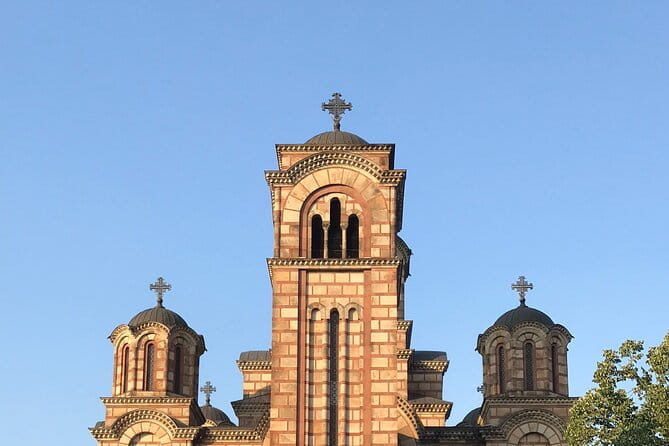
The tour is entirely walkable, beginning at St. Mark Orthodox Church and ending back at the starting point, making it easy to add on other experiences or explore Belgrade afterward. Most stops are free to enter, with the guide enriching each with anecdotes and context.
You’ll want to wear comfortable shoes and be prepared for some standing and walking. Since the tour is in the city center, it’s accessible for most travelers, but check the weather—especially if rain or cold is forecasted.
Who This Tour Is Perfect For
If you have an interest in Eastern European history, Russian emigration, or cultural influences, this tour is a treasure. It’s especially suited for those who appreciate detailed storytelling and enjoy walking through historic neighborhoods. Art, architecture, and political history buffs will find plenty to love.
Travelers who prefer a relaxed, intimate setting will benefit from the private format, and those eager to see Belgrade through a different lens—focusing on its role as a haven for exiles and diplomats—will leave with new insights. It’s a great choice for mature travelers, history lovers, and curious minds seeking a meaningful, well-informed experience.
Final Thoughts on the Experience
This tour goes beyond the typical sightseeing route, offering a window into a chapter of world history that shaped much of Serbia’s cultural fabric. The knowledgeable guide, combined with the thoughtfully chosen stops, makes it a worthwhile investment, especially if you’re keen on understanding how exile can influence a nation.
While it may not be ideal for those seeking a quick overview or purely touristy attractions, it excels at providing context and depth. The emphasis on authenticity, thoughtful storytelling, and the chance to walk through significant sites means you’ll come away with a richer appreciation of Belgrade’s diverse past.
In the end, this experience offers more than just history; it’s a reflection on resilience, diplomacy, and cultural influence—all set in one of Europe’s most welcoming capitals.
FAQ
How long is the tour?
It lasts approximately 3 hours, covering several key sites on foot around Belgrade’s city center.
What’s included in the price?
The cost covers a knowledgeable guide and the tour itself. It does not include food or drinks, but stops at places like Hotel Moskva for tasting cakes are part of the experience.
Is this tour suitable for all ages?
Generally, yes. It’s a walking tour with some moderate distance, so comfortable shoes and reasonable mobility are recommended.
Are tickets required for each stop?
Most sites visited are free to enter, but the guide provides context and insights without extra charges.
Can I join this tour if I don’t speak Serbian?
Yes. The tour is conducted in English, and the guide’s explanations ensure non-Serbian speakers will get the full story.
Do I need to book in advance?
Yes, booking ahead is recommended, especially because it’s a private tour with limited availability.
What should I wear?
Comfortable walking shoes are a must. Dress according to the weather—Belgrade can be hot in summer or cold in winter.
Is there a minimum group size?
The tour is private, so only your group participates, making the experience personalized.
What if I want to cancel?
You can cancel up to 24 hours in advance for a full refund, with no penalty for late cancellations.
Is this tour family-friendly?
Most likely, yes. It’s educational and engaging, though very young children may need to be comfortable walking and listening to detailed stories.
This tour offers a compelling, authentic look at Belgrade’s role as a refuge for Russian émigrés, woven through landmarks and stories that bring history alive. Perfect for travelers seeking depth, context, and meaningful cultural connections.
More Tour Reviews in Belgrade
Not for you? Here's more things to do in Belgrade we have recnetly reviewed
- Kablar: Hiking tour – Kablar mount viewpoint and monasteries
- Belgrade: Best of West (Drina House, Drvengrad and Sargan 8)
- From Belgrade: Golubac Fortress and Iron Gate Gorge Tour
- Red Star Football Club Stadium Tour Ticket
- RePlay Pub Crawl in Belgrade
- From Belgrade: Rtanj mountain pyramid hiking Full-Day Trip
- Red Belgrade Communist Tour
- From Belgrade: Novi Sad & Fruska gora & winery and monastery
- Tito and Yugoslavia – short Belgrade tour (by car)
- Belgrade : Old Town Walking Tour With A Guide
- NATO Bombing of Belgrade Private Tour
- From Belgrade: Gems of Eastern Serbia Tour