
Hiroshima’s transformation from the ashes of tragedy to a symbol of peace is nothing short of remarkable. The city’s centerpiece, the Peace Memorial Park, stands as a sobering reminder of the past while offering a pathway to reconciliation. Just a short distance away, the serene Miyajima Island enchants visitors with its iconic floating torii gate and tranquil shrines. Exploring these contrasting yet complementary destinations provides a profound and unforgettable experience.
Key Points

- Hiroshima’s resilience in rising from the ashes of the atomic bombing, exemplified by the Peace Memorial Park and Museum.
- Itsukushima Shrine on Miyajima Island, with its iconic floating torii gate, offers a serene contrast to Hiroshima’s memorials.
- Miyajima Island’s tranquil atmosphere, with resident deer and opportunities for hiking and enjoying natural beauty.
- The Peace Memorial Museum’s powerful exhibits that detail the bombing’s impact and encourage contemplation on nuclear war and peace.
- Hiroshima’s commitment to promoting peace and commemorating victims, making it a meaningful destination for understanding the city’s history and resilience.
Exploring Hiroshima’s Vibrant History
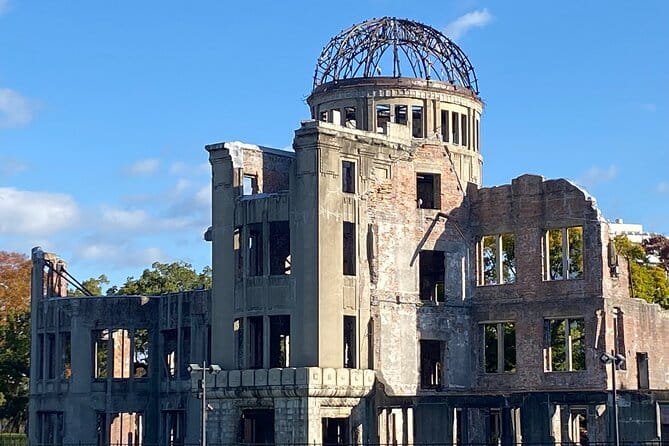
Hiroshima’s history is as vibrant as the city itself. Once a thriving castle town, Hiroshima suffered immensely from the 1945 atomic bombing.
But the city has since risen from the ashes, determined to promote peace and commemorate the victims. The Peace Memorial Park and Museum stand as poignant reminders of the city’s tragic past and its inspiring resilience.
Visitors can explore the iconic A-Bomb Dome, now a UNESCO World Heritage site, and learn about the horrors of nuclear war.
Hiroshima’s resilience is truly remarkable, a testament to the human spirit and the power of hope.
You can also read our reviews of more tours and experiences in Hiroshima.
The Significance of the Peace Memorial Park
The Peace Memorial Park stands as a powerful symbol of Hiroshima’s resilience and commitment to peace. It was established in the aftermath of the atomic bombing, preserving the site as a memorial to those who perished.
Visitors can explore the museum, which provides a sobering account of the devastation. The iconic Atomic Bomb Dome, a remnant of the explosion, is a poignant reminder of the past.
The park also hosts an annual Peace Memorial Ceremony, where survivors and dignitaries gather to reflect on the tragedy and reaffirm the pursuit of a world without nuclear weapons.
It’s a place of reverence and hope.
Discovering the Iconic Itsukushima Shrine

After exploring the solemn and thought-provoking Peace Memorial Park, visitors can venture to the iconic Itsukushima Shrine, situated on the tranquil Miyajima Island.
This UNESCO World Heritage site is renowned for its floating torii gate, which appears to be suspended on the water during high tide.
Key highlights include:
- Witnessing the awe-inspiring Great Torii Gate, one of the most photographed landmarks in Japan.
- Strolling through the peaceful shrine grounds, admiring the intricate architecture and centuries-old traditions.
- Experiencing the serene ambiance and natural beauty of the island, with its lush forests and abundant wildlife.
Experiencing the Tranquility of Miyajima Island

Visitors to Miyajima Island quickly discover its tranquil atmosphere, a stark contrast to the solemn memorials of Hiroshima. The island’s iconic floating torii gate and serene shrines provide a peaceful respite.
Explore Itsukushima Shrine, a UNESCO World Heritage site, and wander its wooden boardwalks, taking in the views of the Seto Inland Sea.
Encounter the island’s resident deer, which roam freely and often approach visitors.
Hike to the top of Mount Misen for panoramic vistas or simply stroll along the shores, enjoying the island’s natural beauty and spiritual ambiance.
Uncovering the Mysteries of the Hokoku Shrine

Why is the Hokoku Shrine one of the must-see attractions on Miyajima Island? The shrine holds deep historical and cultural significance.
Visitors can learn about the shrine’s connections to the influential Minamoto clan and discover its distinct architectural features, including its five-story pagoda.
The shrine offers several noteworthy highlights:
- Impressive Pagoda: The striking five-story pagoda, painted in vibrant red, is a prominent landmark visible from afar.
- Serene Gardens: The shrine’s tranquil gardens provide a peaceful respite from the bustling island.
- Spiritual Significance: As an important site for Shinto worship, the shrine offers a glimpse into Japan’s enduring spiritual traditions.
Delving Into the Peace Memorial Museum

The Peace Memorial Museum stands as a powerful reminder of the devastating impact of the atomic bomb on Hiroshima.
Visitors can explore exhibits detailing the bombing, its aftermath, and the city’s recovery. Haunting artifacts, personal accounts, and historical documents provide a sobering look into this tragic event.
The museum encourages contemplation on the horrors of nuclear war and the importance of peace. Admission is ¥200 per person.
The museum is wheelchair and stroller accessible, and located near public transportation, making it accessible for most travelers.
It’s a must-visit destination to understand Hiroshima’s history and resilience.
Navigating the Tour Logistics and Inclusions

After exploring the poignant exhibits at the Peace Memorial Museum, the tour continues to Miyajima Island.
The day includes a guide fee, lunch, and transportation during the tour. Entrance fees cover the Peace Memorial Museum (¥200/person), Itsukushima Shrine (¥300/person), and Hokoku Shrine (¥100/person).
The tour is wheelchair and stroller accessible, and near public transportation, making it accessible for most travelers.
Confirmation is received at booking, with free cancellation up to 24 hours in advance.
The tour starts at 8:00 AM and ends back at the selected meeting point.
The Sum Up

Hiroshima’s Peace Memorial Park and Miyajima Island offer a profound journey through Japan’s history and a powerful message of resilience. Visitors can enjoy the poignant exhibits of the Peace Memorial Museum and find solace in the tranquil shrines and landscapes of Miyajima. This transformative experience leaves a lasting impression, inspiring reflection on the pursuit of peace.
More Tour Reviews in Hiroshima
- Hiroshima Castle 1h Guide Tour
- Enjoy Korakuen Japanese Garden and Old Japanese Street Kurashiki
- Hiroshima Peace Memorial and Highlights Private Tour With a Local
- Time With a Japanese Master Swordsmith a Insight and Appreciation
- Forge Your Own Knife From Katana-Steel With a Master Swordsmith
- 1-Day Miyajima Sightseeing Tour
Not for you? Here's more things to do in Hiroshima we have recnetly reviewed
- Enjoy Okonomiyaki at Okonomi-mura in Hiroshima
- 5-Day One Way Bus Trip to North Hyogo From Fukuoka to Hiroshima
- Matcha and Japanese Dance With Kimono and Photography Experience
- Private Transfer From Hiroshima Port to Hiroshima Airport (HIJ)
- Hiroshima and Miyajima 2 Days Bus Tour From Osaka and Kyoto
- Hiroshima and Miyajima Bus Tour With Indian Lunch
- Full-Day Private Guided Tour in Hiroshima
- Hiroshima Data Esim 0.5gb Daily to 50GB 30 Days
- Hiroshima 6hr Private Guided Tour & Shopping With Concierge
- 2-Hour Private Hiroshima Morning Tour
- Onomichi 9hr Private Tour – Hiroshima DEP. With Licensed Guide
- 2 Hour Private Morning Tour Highlights in Peace Memorial Park