
Exploring Basque Heritage: Whaleboats, Cider, and Seafaring Tales
This experience in the Basque Country offers a deep dive into the region’s maritime roots, combining a tour of the Albaola Sea Factory with a visit to a traditional cider house. The highlight for many is the chance to see the reconstruction of the 16th-century whaling ship San Juan—an impressive craft that once sailed across the Atlantic—and learn how Basque sailors explored the New World. Alongside this, travelers get to sample authentic Basque ciders, often celebrated as a cornerstone of local culture, and enjoy a hearty, traditional lunch in a cozy cider house.
What I particularly appreciate about this tour is the way it balances hands-on historical insight with genuine, local flavors. The knowledgeable guides, like Maya, make the trip engaging and accessible, sharing stories of the sailors’ long expeditions and their daily lives, which often centered around their favorite drink—cider. Another standout is the quality of the cider tasting itself; you’ll learn how these unique ciders are crafted from farmhouse presses, often dating back generations, and why they’re so central to Basque identity.
A potential consideration is the group size and language options. Since this is a small-group experience limited to eight participants, it’s ideal for travelers who prefer a more intimate setting. However, since the guided tour may be in different languages depending on participants, non-Spanish speakers should be prepared for some variation in commentary. Also, the transportation involves a shared van, which is generally convenient but worth noting for those with mobility concerns or who prefer private transfers.
This experience offers a well-rounded glimpse into the maritime and gastronomic traditions of the Basque Country. It balances expert narration, hands-on discovery, and authentic local flavors, making it a meaningful addition for anyone interested in regional history, sailing, or cider.
Key Points / Takeaways
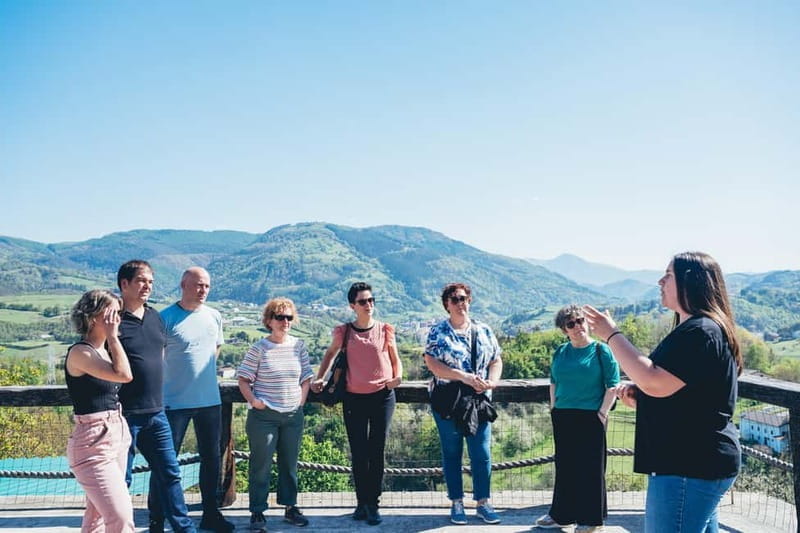
- Authentic Cultural Insight: Dive into Basque maritime history, from 16th-century whale ships to modern reconstructions.
- Expert Guides: Knowledgeable guides like Maya make the history accessible and engaging.
- Unique Cider Experience: Taste a variety of Basque farmstead ciders, learning how they’re made and their role in local culture.
- Hands-On Learning: See the reconstruction of the San Juan whaling ship and discover its Canadian voyages.
- Gastronomic Value: Enjoy a traditional cider house lunch featuring local specialties like salted cod and T-bone steak.
- Small Group Friendly: Limited to 8 participants, ensuring personalized attention and a relaxed atmosphere.
Discovering the Heart of Basque Maritime and Gastronomic Culture in San Sebastian
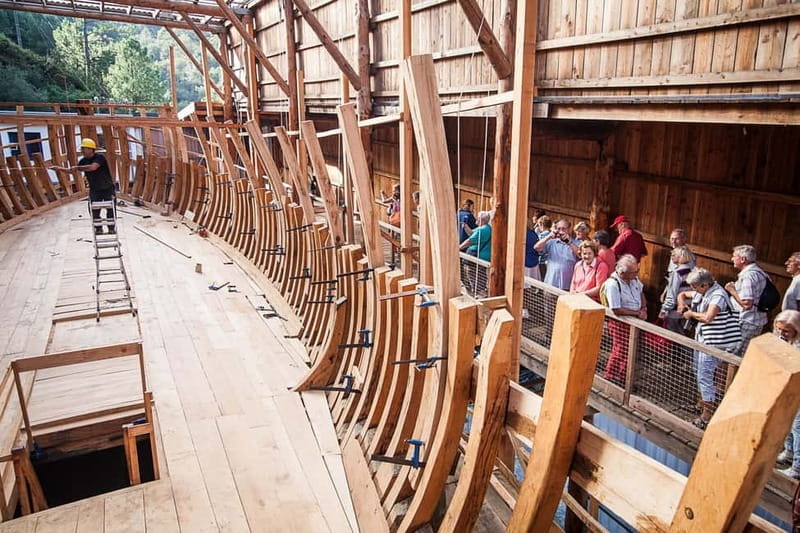
When I think about the Basque Country, a few images come to mind: rugged coastlines, lively pintxo bars, and stories of seafarers who ventured far across the Atlantic. This tour encapsulates that spirit perfectly. It begins in San Sebastian, a city renowned not just for its beauty but also its historical ties to seafaring and fishing. The journey takes you to Albaola’s Sea Factory, a place where history and craftsmanship come alive with the reconstruction of the 16th-century whaling ship San Juan. For anyone curious about how the Basques built their legendary ships or how they sustained their long ocean expeditions, this part of the experience is genuinely captivating.
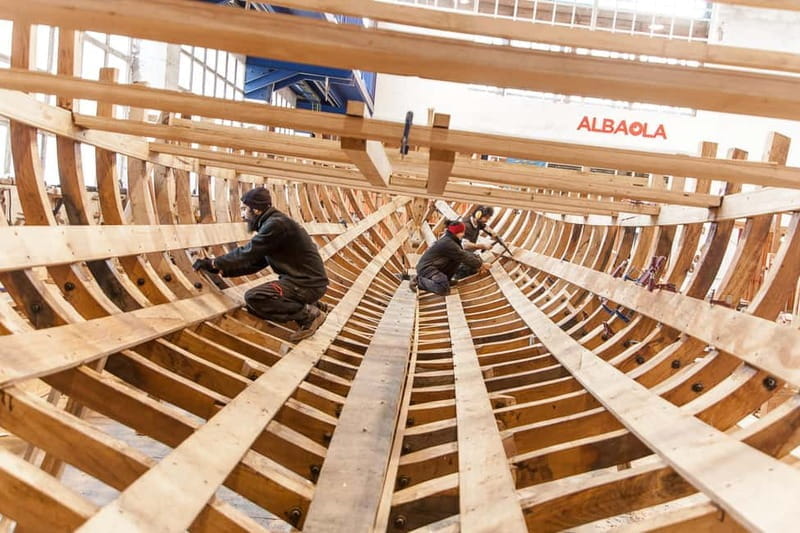
What I love most about the Albaola visit is the visual and tactile aspect. Seeing the ship’s intricate framing and drawings, which date back to its original design, really bridges past and present. The ship, sunk in Canadian waters centuries ago, is being brought back to life, and you get a front-row seat to that process. It’s a reminder of how integral the sea was to Basque identity and economy. The guide, Maya, for example, was praised for her ability to make these details accessible and lively, sharing stories that stick long after the tour ends.
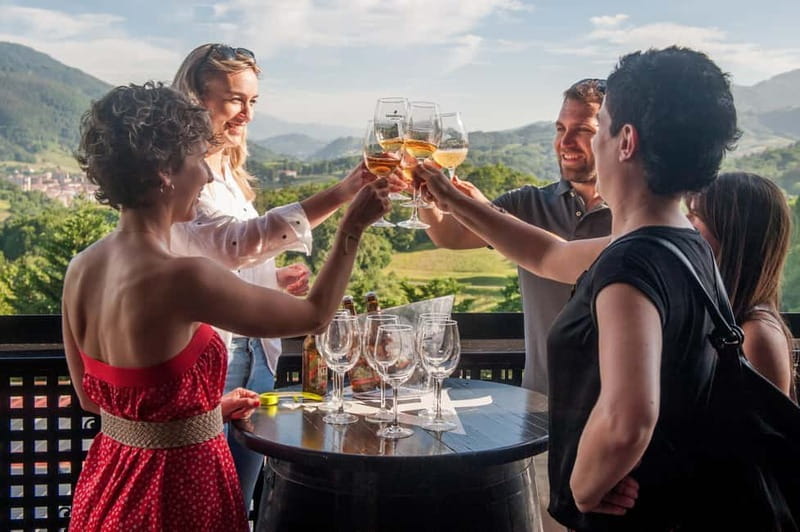
Following that, you’ll head to a local cider house, a true gem of Basque culture. Here, the focus shifts from shipbuilding to the region’s legendary cider tradition. You’ll sample a variety of ciders, each with its own character—some fruity and light, others more robust—and learn about their unique process, rooted in centuries-old farmhouse practices. Since Basque cider was historically supplied to sailors heading to Newfoundland, tasting these drinks feels like getting a sip of history. The cider tasting is often highlighted as a standout, with some reviews mentioning the excellent selection and knowledgeable guides who explain the nuances of each pour.
The meal at the cider house is much more than just food; it’s a communal, hearty affair. Expect traditional dishes like salted cod, T-bone steak, and regional cheeses—simple, satisfying, and reflective of local culinary traditions. Many travelers find that this part of the experience, combining food and drink in an authentic setting, is where the tour truly shines.
Transportation is via a shared van, which makes logistics smoother and keeps the group small, enhancing the overall experience. The tour lasts around six hours, a perfect length to explore without feeling rushed. The flexibility of booking and paying later makes it easier to fit into your travel plans.
If you enjoy history, maritime tales, and tasting local specialties, this tour hits many of those marks effectively. It’s especially suited for curious travelers who appreciate a personalized, relaxed atmosphere and authentic regional stories. The combination of educational content and culinary delights makes it a rich and satisfying outing.
You can also read our reviews of more tours and experiences in Basque Country.
Detailed Breakdown of the Experience
Starting in San Sebastian and Meeting Your Guide
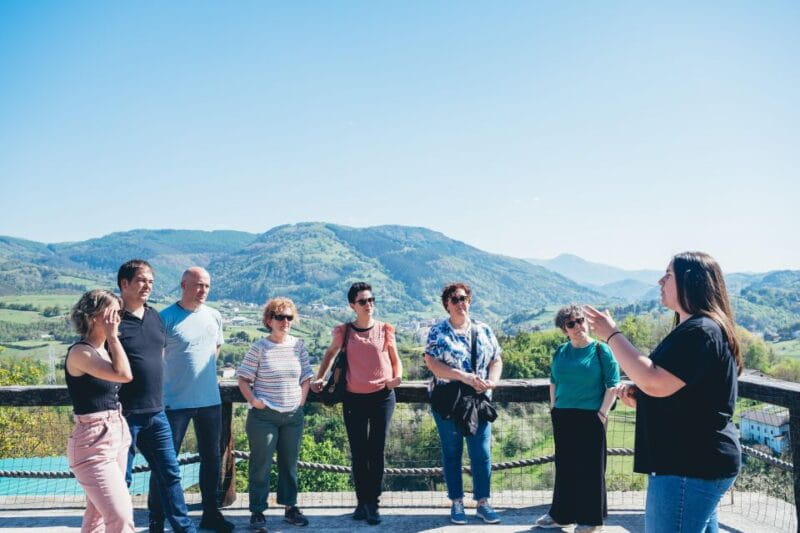
The adventure begins outside the Koh Tao Bar, where your guide will be waiting in a black van. The small group setting—limited to eight people—means you’ll get ample attention and plenty of opportunities for questions. The guides are fluent in multiple languages (Spanish, English, French, Basque), catering to a diverse group. This flexibility is great, but if you’re relying on a specific language, it’s worth confirming availability beforehand.
Albaola Sea Factory: A Window into 16th-Century Shipbuilding
The core of the tour is the visit to Albaola’s Sea Factory. Here, the focus is on the reconstruction of the San Juan whaling ship, a vessel that once sailed to Newfoundland. The craftsmanship on display is impressive: you’ll see the methods used by Basque shipwrights in the 16th century, including traditional framing techniques and the detailed drawings that guide the reconstruction.
You’ll learn how these ships were vital for Basque sailors, who made long voyages in search of whales and cod. Interestingly, these sailors drank no less than 3 liters of cider daily, as it was their main beverage—fuel for their long journeys and a staple of their diet. This historical detail emphasizes the importance of cider beyond mere refreshment; it was part of their survival and culture.
More Great Tours NearbyVisiting a Local Cider House: Tradition and Tasting
After the shipyard visit, you’ll move to a nearby local cider house. Here, you’ll experience the process of traditional cider-making, often from farmhouse cellars that have been in families for generations. Expect to sample various ciders, each with its unique character, and learn about the fermentation process that gives Basque cider its distinctive flavor.
The guided tasting session is a highlight. Many reviews praise the expert guides and the quality of the ciders, which are often celebrated as being unmatched outside the region. This is not just about drinking; it’s about understanding a key element of Basque identity and history.
Traditional Cider House Meal
The lunch at the cider house is straightforward but hearty. Common dishes include salted cod, T-bone steaks, regional cheeses, and local bread. The emphasis is on authentic regional cuisine served in a convivial setting. Many travelers note that the food complements the cider perfectly, turning the meal into a true cultural experience.
Return to San Sebastian
After lunch, the guide will drive you back to the meeting point. The entire trip offers a nice blend of history, culture, and gastronomy—all within a manageable six-hour window. The small group size ensures a relaxed atmosphere, and the flexibility of the booking process makes it accessible even if your plans are still taking shape.
Who Will Love This Tour?
This experience is perfect for travelers who enjoy authentic cultural experiences—those interested in maritime history, shipbuilding, and traditional food and drink. It’s especially suited for curious explorers who appreciate stories of how communities sustain their heritage through craft and cuisine.
It’s also ideal for small groups or couples seeking a personalized experience with local guides who can share stories beyond the typical tourist fare. If you’re a foodie eager to taste genuine regional products, the cider tasting and hearty lunch are a bonus. Those with an interest in historical reconstruction will find the Albaola shipyard fascinating.
However, if you’re looking for a high-energy, fast-paced tour, this might feel a bit slow—it’s more about savoring stories and flavors than ticking off multiple sights. Also, consider that the trip involves some walking and standing, though not excessively.
The Cost and Value Analysis
While the tour’s price may seem moderate, the value is reflected in the depth of experience. You get two guided visits, tastings, and a traditional meal—all in a small group environment. The inclusion of transportation and flexible booking adds further convenience. For anyone keen on regional history, maritime traditions, or culinary experiences, this tour offers a thoughtful and enriching perspective that’s hard to match.
Summary: Who Is This Tour Best For?
If you’re traveling to San Sebastian and want to explore the Basque Country beyond its famous pintxos bars, this tour offers a meaningful taste of regional identity. It’s perfect for history buffs, food lovers, or anyone curious about how a community’s maritime past shapes its present. The small group size, expert guides, and authentic experiences make it a worthwhile investment for those eager for a deeper connection to Basque culture.
FAQ
Is the tour suitable for non-Spanish speakers?
Yes, guides speak English, French, and Basque, so non-Spanish speakers can enjoy the explanations and storytelling.
How long does the tour last?
The experience lasts about six hours, including transportation, visits, and lunch.
Where does the tour start and end?
It begins outside the Koh Tao Bar in San Sebastian and returns there after the trip.
Is the group size large or small?
The tour is limited to 8 participants, making for a intimate, personalized experience.
What’s included in the price?
Pickup and drop-off, guided tours at Albaola and the cider house, cider tastings, and a traditional lunch are included.
Can I cancel if my plans change?
Yes, free cancellation is available up to 24 hours in advance for a full refund.
What language is the tour conducted in?
The tour is live-guided in Spanish, English, French, or Basque, depending on the group.
What kind of food is served at the cider house?
You can expect hearty, regional dishes like salted cod and T-bone steak, alongside regional cheeses and bread.
Is transportation comfortable?
Yes, transport is via a shared van, generally comfortable and suitable for most travelers.
In sum, this tour offers a compelling look at Basque maritime and cultural traditions, with the bonus of tasting authentic local ciders and enjoying a hearty regional meal. It’s a smart choice for curious, culture-loving travelers who want to go beyond the usual sights and indulge in genuine, hands-on experiences.
You can check availability for your dates here: