
Kamakura has long been a popular destination for those seeking to uncover Japan’s rich feudal history. Just a short trip from Tokyo, this coastal town promises a fun and enriching day out. Visitors can marvel at the towering Great Buddha, explore tranquil temple gardens, and witness centuries-old ceremonial rituals – all while seeing the unique blend of serenity and cultural heritage that defines this captivating region.
Key Points
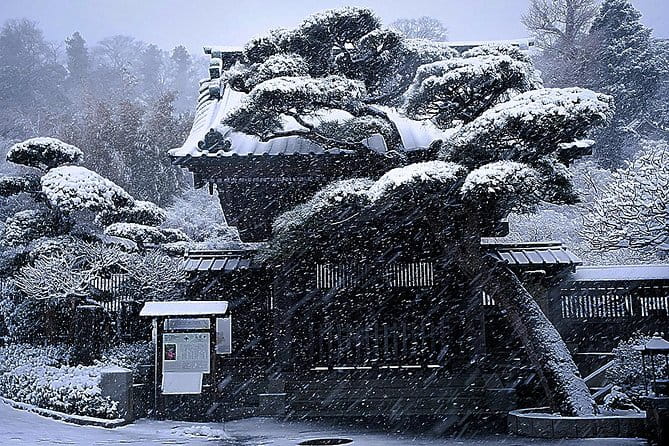
- Explore the historic medieval capital of Kamakura, with its well-preserved sites and remnants of the feudal shogunate government and samurai class.
- Marvel at the colossal bronze Great Buddha statue, and venture inside its interior for a unique experience.
- Find tranquility at the Hase-dera Temple, with its stunning Buddhist complex, Kannon statue, and panoramic views of the Pacific Ocean.
- Immerse in Shinto traditions at the Tsurugaoka Hachiman-gū shrine, witnessing ceremonial rituals and cultural performances.
- Deepen your understanding of Zen Buddhism at the Kencho-ji Temple, and participate in guided meditation sessions led by experienced monks.
Kamakura: a Glimpse Into Japan’s Feudal Past
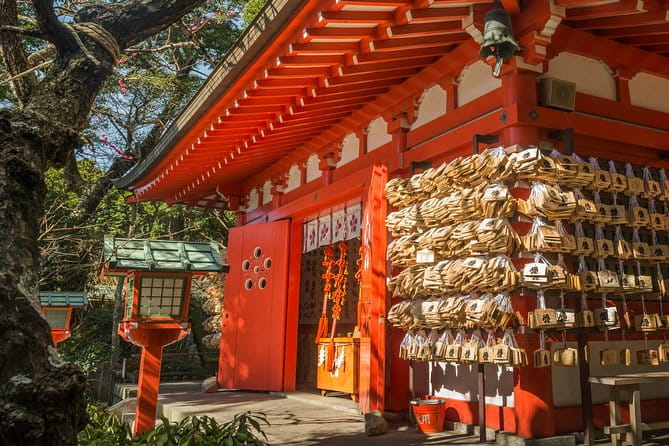
What was it about the former shogunate capital of Kamakura that captivated visitors from around the world?
Once the seat of Japan’s feudal shogunate, Kamakura offers a unique glimpse into the country’s medieval past. Visitors can explore the remnants of the shogunate government, learn about the powerful samurai class, and witness the influence of Zen Buddhism.
From the iconic Great Buddha statue to the tranquil temples, Kamakura transports visitors back in time, allowing them to enjoy the rich historical and cultural legacy of this former political center.
Its blend of well-preserved sites and natural beauty continues to fascinate and inspire all who visit.
You can also read our reviews of more tours and experiences in Kamakura.
Exploring the Towering Great Buddha
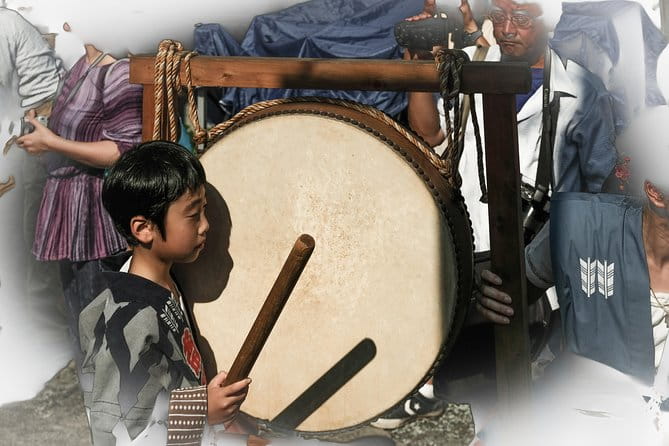
One of Kamakura’s most iconic attractions is the towering Great Buddha, a colossal bronze statue that stands as a testament to the region’s rich Buddhist heritage. Sitting in a meditative pose, the Great Buddha measures over 13 meters high and was cast in 1252. Visitors can explore the interior of the statue, marveling at its serene expression and intricate craftsmanship. The Great Buddha is surrounded by lush gardens, offering a peaceful respite from the bustling town. A visit to this impressive landmark provides a glimpse into Kamakura’s storied past and the enduring influence of Zen Buddhism.
| Fact | Details |
|---|---|
| Height | 13.35 meters |
| Weight | 121 tons |
| Materials | Bronze |
| Year Cast | 1252 |
| Pose | Seated, meditative |
The Tranquility of Hase-dera Temple
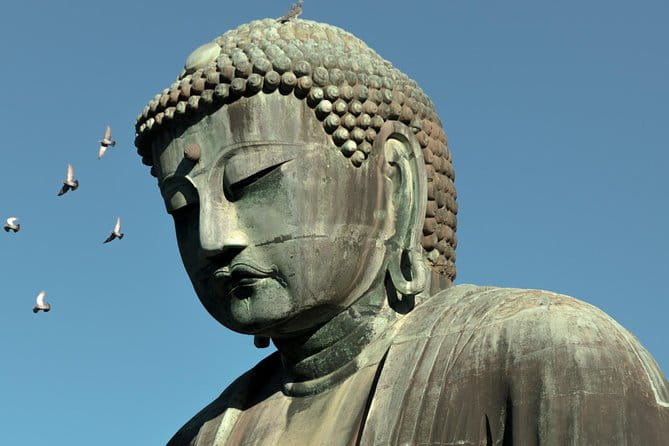
After exploring the colossal Great Buddha, visitors can find tranquility at the Hase-dera Temple, a stunning Buddhist complex nestled into the hillside.
Hase-dera is known for its magnificent wooden carvings, including a 30-foot tall Kannon statue. Visitors can stroll through the peaceful gardens, admire the vibrant hydrangeas, and discover hidden cave shrines.
The temple’s serene atmosphere offers a welcome respite from the crowds. Reaching the temple’s hilltop pavilion rewards guests with panoramic views of Kamakura and the Pacific Ocean.
Hase-dera provides a contemplative counterpoint to the other historical sites in this charming seaside town.
Witnessing the Ceremonial Rituals at Tsurugaoka Hachiman-gū
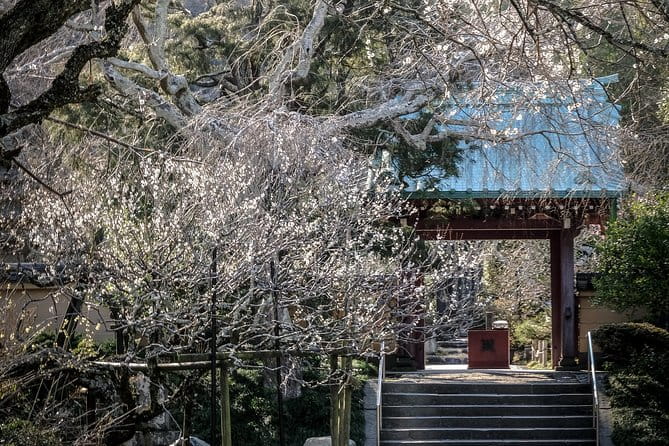
Visitors to Tsurugaoka Hachiman-gū, Kamakura’s most important Shinto shrine, can witness a variety of ceremonial rituals honoring the shrine’s patron deity, Hachiman.
These rituals often include:
- Kagura, a traditional Shinto dance performed by shrine maidens in colorful costumes.
- Omikoshi, the carrying of a portable shrine by devotees during festivals.
- Shinto weddings, where the bride and groom exchange vows and participate in purification rituals.
These ceremonies provide a glimpse into Japan’s rich cultural heritage and the enduring significance of Shinto beliefs within the community.
Samurai History and Shogunate Government
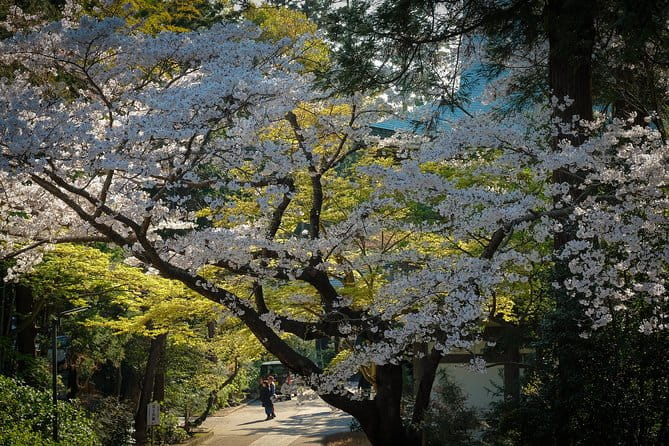
During the Kamakura Period, the shogunate government, led by the samurai warrior class, rose to prominence and significantly shaped Japan’s political and social landscape. The samurai’s military prowess and administrative skills enabled them to establish a centralized feudal system. This era witnessed the consolidation of power by the shogunate, which governed Japan through a hierarchical structure with the shogun, or military leader, at the apex. The following table provides a concise overview of the key aspects of the Kamakura shogunate government and its lasting influence on Japanese history.
| Aspect | Description |
|---|---|
| Shogunate Government | Centralized feudal system led by the samurai warrior class |
| Shogun | Military leader at the apex of the hierarchical government |
| Feudal Structure | Hierarchical system with lords, vassals, and peasants |
| Consolidation of Power | Shogunate’s control over political, military, and administrative affairs |
| Samurai Influence | Samurai’s military prowess and administrative skills shaped the government |
Experiencing Zen Buddhism at Kencho-ji Temple
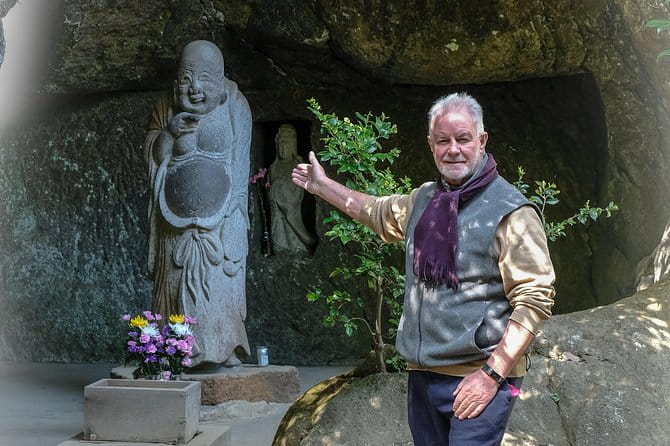
Kencho-ji Temple stands as one of Kamakura’s crown jewels, offering visitors a profound encounter with Zen Buddhism‘s timeless traditions.
The serene temple grounds feature:
- A towering main hall housing a massive bronze Buddha statue.
- Meticulously manicured gardens with tranquil ponds and bridges.
- Centuries-old pagodas and shrines that exude a sense of historical reverence.
Guests can participate in a traditional Zen meditation session, led by an experienced monk, to fully enjoy the temple’s contemplative atmosphere.
Through this spiritual experience, travelers gain deeper appreciation for the enduring influence of Zen Buddhism in Japanese culture.
Savoring the Local Cuisine: A Delightful Lunch
One of the highlights of the Kamakura tour is the delightful local lunch experience. After exploring the historic temples and shrines, guests are treated to a traditional Japanese meal. The lunch menu features a variety of regional specialties, showcasing the flavors of Kamakura. Guests can savor an assortment of dishes, such as:
| Dish | Description |
|---|---|
| Kamakura-style Soba | Locally-sourced buckwheat noodles in a light, savory broth |
| Vegetable Tempura | Crispy, golden-fried seasonal vegetables |
| Miso Soup | Hearty, umami-rich soup made with local Kamakura miso |
| Roasted Green Tea | Fragrant, smooth-tasting green tea grown in the area |
The personalized lunch experience allows guests to fully enjoy the local culinary traditions of Kamakura.
Capturing Memories: A Photographer’s Perspective
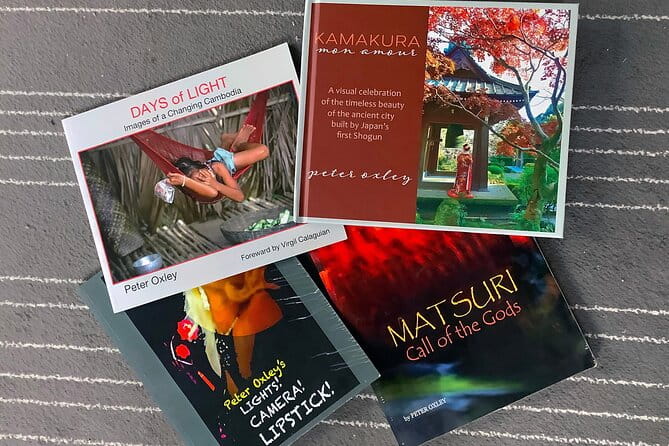
Complementing the guided tour’s in-depth exploration of Kamakura’s history, the professional photographer’s presence ensures visitors capture their journey through stunning, frame-worthy photographs.
The photographer seamlessly captures:
- Iconic landmarks like the Great Buddha and Tsurugaoka Hachiman-gū Shrine against a backdrop of natural beauty.
- Candid moments showcasing the local culture, from traditional ryokans to bustling markets.
- Guests’ delighted expressions as they enjoy the experience.
These personalized photos serve as lasting keepsakes, allowing travelers to relive the magic of their Kamakura adventure long after their trip concludes.
Frequently Asked Questions
Is Transportation Included for the Entire Tour?
Yes, transportation to and from the attractions, as well as hotel pickup and drop-off, are included in the tour. The tour provides complete transportation for the duration of the Kamakura sightseeing experience.
Can the Tour Be Customized for Specific Interests?
Yes, the tour can be customized based on specific interests. The private nature of the tour allows the guide to tailor the experience to focus on areas of most interest to the group or individual participants.
What Is the Group Size Limit for the Private Tour?
The private tour has a group size limit of up to eight people. According to the overview, the tour is "ideal for single travelers or groups up to eight people." This allows for a personalized and intimate experience.
Are There Any Age Restrictions for Participants?
The tour doesn’t have any age restrictions. It’s suitable for travelers of all ages, from single individuals to groups of up to eight people. The flexible start times also accommodate different schedules.
Can the Tour Start and End at Different Locations?
The tour can start and end at different locations. Participants are picked up from Kamakura Station and dropped off at Hase Station, allowing for flexibility in the tour route and schedule.
The Sum Up
Kamakura’s impressive landmarks and serene gardens offer a captivating journey through Japan’s rich history and cultural traditions. From the towering Great Buddha to the tranquil Zen temples, each site provides a unique glimpse into the country’s past, making it an unforgettable experience for visitors. With delectable local cuisine and a photographer’s paradise, Kamakura is a must-visit destination for those seeking to enjoy Japan’s timeless allure.
More Tour Reviews in Kamakura
Not for you? Here's more things to do in Kamakura we have recnetly reviewed
- Kamakura Private Half-Day Vegetarian & Muslim-Friendly Tour
- Full Day Private Discovering Tour in Kamakura
- Kamakura Tour With Pro Photographer: Great Buddha & Hase Temple
- 【Explore Kamakura – Private 3 Hour】 Guided Walking Tour Special
- Craft Your Own HANKO Name Seal Activity in Kamakura Japan
- Kamakura, Craft Your Music Box & Discover Japans Biggest Buddha
- Kamakura Historical Walking Tour With the Great Buddha
- Kamakura Full-Day Private Tour
- Buddha, Bamboo & Zen – Bespoke Kamakura Private Walking Tours
- Kamakura Heritage Bike or Walk Tour With Ex-Rickshaw Guide
- A Taste of Tradition Ofuna Kannon Temple and Japanese Sweet Tour
- 3h Private Tour With a Local Photographer