
Exploring Rome’s Past Through Modern Technology
Our review of the Welcome To Rome Immersive Multimedia Show gives you a glimpse into a creative way to understand the city’s vast history without endless walking or complicated guides. Set inside the old cinema building on Corso Vittorio Emanuele II, this show offers a quick but comprehensive 27-minute journey through 2700 years of Roman history. I love the way this experience combines cutting-edge visuals with interactive models, making history visually engaging and easy to follow. It’s especially handy for those who want a quick primer before venturing into the city’s ruins or as a relaxing way to learn about Rome’s evolution.
Two things that stand out for me are the use of multi-projection technology—walls and ceilings come alive with scenes from different eras—and the excellent commentary available in nine languages, including English. It’s a smart touch for international visitors who want a clear narrative without relying solely on guidebooks. My only caution is that, at just 27 minutes, it’s a shorter experience, so if you’re craving a deep dive into Rome’s layers, you’ll need to supplement it with other visits. Still, at just $20, the value for such a visually stunning, educational snapshot is hard to beat.
Key points / Takeaways:
– Innovative Use of Technology: The multi-projection show makes walls and ceilings act as canvases for Rome’s history, creating a captivating visual experience.
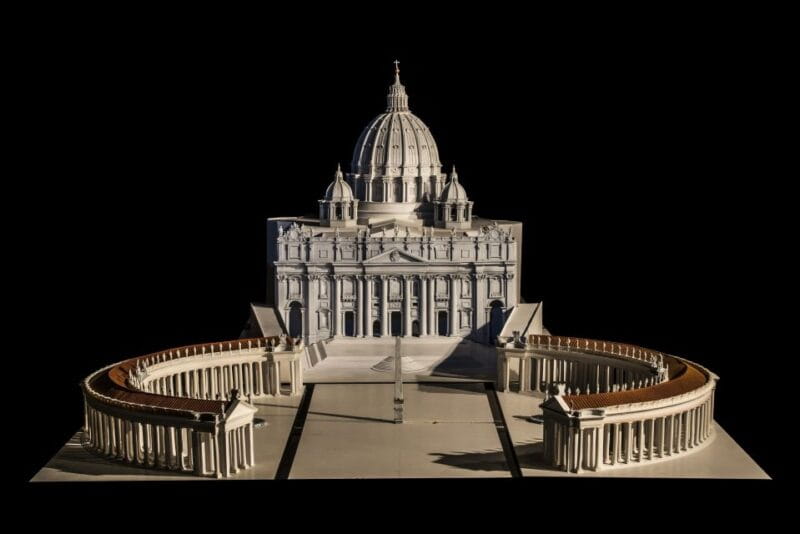
– Interactive Models: Discover iconic sites like San Peter Basilica and the Imperial Forum through detailed 3D models that you can explore.
– Flexible Timing and Accessibility: Starting anytime during open hours, with a continuous show schedule, makes it easy to fit into your day.
– Multilingual Audio Guides: Available in nine languages, perfect for international travelers seeking clarity.
– Good Value for Money: At only $20, this experience offers a compact but rundown of Rome’s past.
– Suitable for All Ages: Well-liked by families, kids, and history enthusiasts alike, especially with the engaging visuals and accessible format.
Entering The World of Rome’s Past
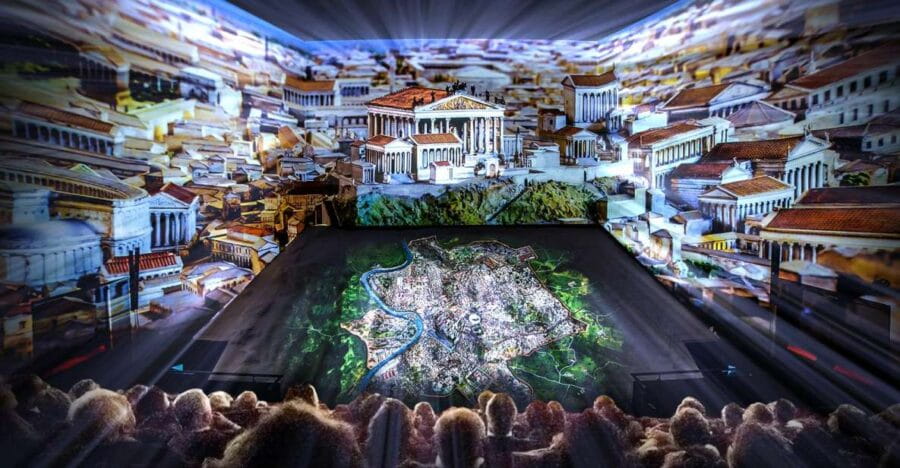
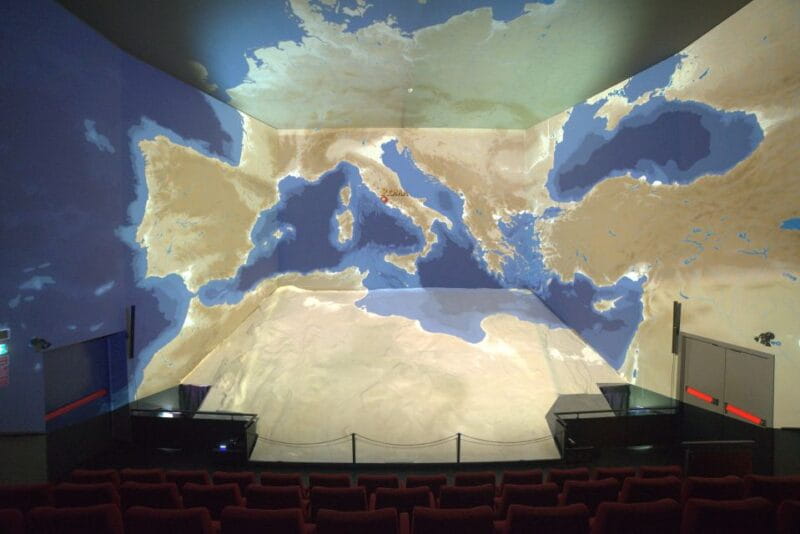
The Welcome To Rome show plays inside a repurposed cinema, which adds a nostalgic charm. You might find that the setting itself sets the mood for a trip back through time. As the lights dim, the walls and ceilings transform into a sweeping visual narrative that covers Rome’s development over 27 centuries. I found this particularly compelling because the visuals are stunning, and you really get a sense of the city’s layers—imagine flying over ancient streets, then zooming into iconic monuments like the Mausoleum of Hadrian or the Vatican.
Many reviews highlight how impressive the use of AI and 3D technology is—Drew mentions that the “AI and 3D demonstrations were really impressive,” which shows how technology elevates the storytelling. The projections do a good job of putting you “in the scene,” helping you visualize how the city looked in different eras. This makes the experience particularly valuable as a primer before exploring Rome’s ruins or as a way to contextualize what you see on the streets.
Learning about Rome’s evolution through this visual journey is a real plus. One reviewer, Samantha, called it “really worthwhile,” emphasizing how well the story was explained. Plus, the show runs continuously, so there’s no need to worry about missing out; you can arrive and start at your convenience, which suits busy travel schedules.
You can check availability for your dates here:The Interactive Models: A Closer Look
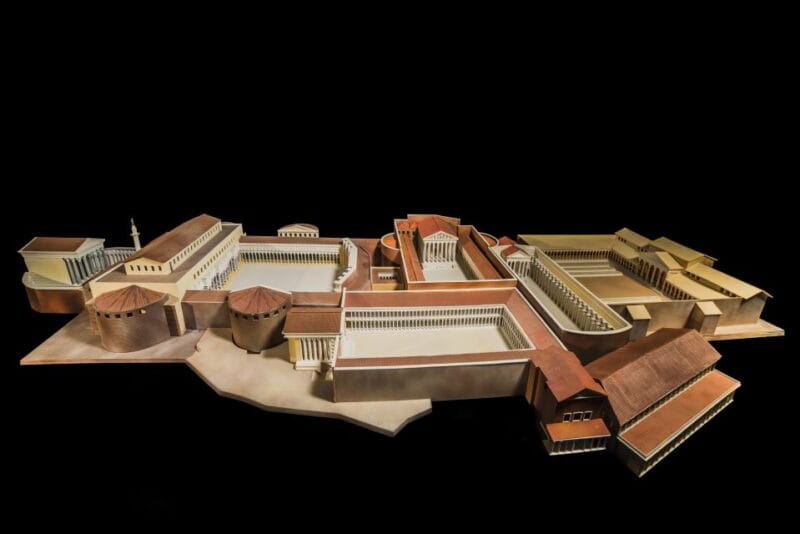
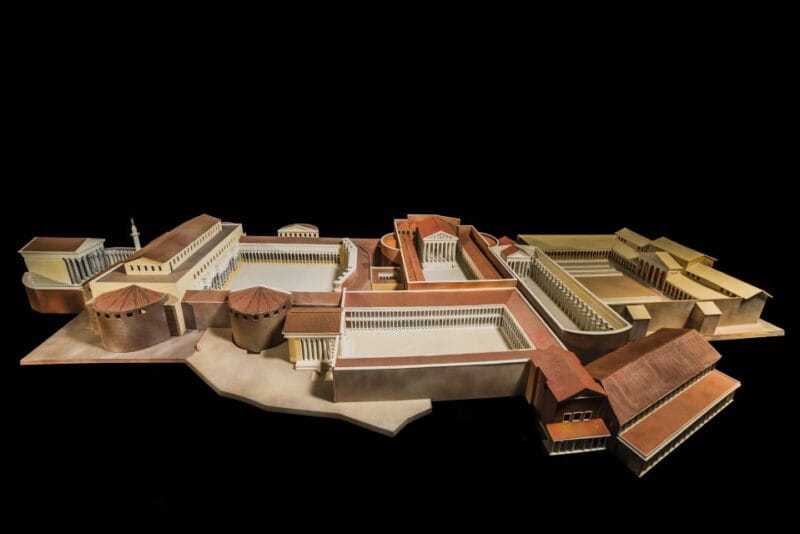
After the multimedia presentation, you can explore four large interactive models of key archaeological sites: the Imperial Forum, the Augustus Forum, the Mausoleum of Hadrian, and St. Peter’s Basilica. These models allow you to visually dissect these monumental structures and understand their layout and significance. Several reviews note how educational and engaging these models are, especially for families. Rosa, who brought her 10-year-old, said her kid “really liked it and learned a lot,” which shows how well-designed the experience is for children.
What I appreciated is that the models aren’t just static displays—they are interactive, helping you grasp the scope and scale of these sites in a way books or static images can’t match. If you’re a visual learner, this part of the experience amplifies your understanding of Rome’s architectural grandeur and historical importance.
Practical Details: Logistics and Accessibility
The location inside the ex-Cinema Augustus makes it easy to find, just a few hundred meters from Piazza Navona. Since the show starts at any time during opening hours, you have flexibility about when to visit—just check the schedule in advance for last shows, which typically start about an hour before closing. The $20 ticket includes the multimedia show and the interactive models, making it a budget-friendly option especially given the high-quality visuals and narration.
For those with mobility issues, the site is wheelchair accessible, as many reviews note. Plus, with audio guides available in nine languages, language barriers are minimal. The staff are described as friendly and helpful, adding to a welcoming atmosphere.
One consideration is that the experience lasts only 27 minutes, so if you’re expecting a deep, lengthy tour, you’ll find this a quick snapshot. However, many travelers appreciate this brevity, especially as an introduction or a warm-up to more extensive sightseeing.
Who Will Love This Experience?
This show is best suited for families with kids, first-time visitors wanting a quick overview, and anyone interested in visual storytelling. It’s particularly valuable early in your trip, as many reviews mention, because it sets the stage for understanding Rome’s architecture and history. If you’re more of a “keep it simple” traveler or short on time, this may be the perfect way to get a meaningful understanding of the city’s evolution without spending hours at museums or ruins.
History buffs will appreciate the detailed models and the comprehensive narration, while casual visitors will enjoy how engaging and easy it is to follow. The price point is generally viewed as fair, especially considering the quality of the visuals and the interactive elements.
Price and Practical Tips
At only $20, this experience offers excellent value for a quick, visually rich history lesson. I’d recommend arriving early or planning to do this right after checking into your hotel, as it leaves plenty of time to explore other sites afterward. Since you can start anytime during opening hours, it’s flexible and fits nicely into a busy itinerary.
If you’re traveling with children, this could be a game-changer—children often respond better to visual and interactive learning rather than long lectures or reading. Also, consider this experience if you’re short on time but want to gain a meaningful perspective of Rome’s development before jumping into the streets.
More Great Tours NearbyFinal Thoughts: Is It Worth Your Time?
Absolutely, especially if you’ve got an hour to spare and want a concentrated dose of Rome’s history told through modern technology. It’s a smart, economical way to get oriented, especially if you’re new to the city or traveling with family. The quality of the visuals, the interactive models, and the multilingual narration all add up to a satisfying experience that balances entertainment with education.
However, don’t expect an exhaustive tour. Instead, think of it as a visual primer that will make your subsequent sightseeing more meaningful. If you’re a “visual learner” or simply looking for a cool way to understand Rome’s vast history, this is a solid choice.
For those who value quality over length and enjoy innovative storytelling, the Welcome To Rome multimedia show is a smart, budget-friendly option. It can serve as a perfect opener or a relaxing break from the hustle of sightseeing, solidifying your grasp on Rome’s grand story in just half an hour.
FAQ
How long does the show last?
The multimedia presentation runs for 27 minutes, but it starts at any time during the opening hours, as it runs continuously.
Is it suitable for children?
Yes, many reviews mention that kids enjoy the visuals and interactive models. It’s a great educational activity for families.
Is the site accessible for people with disabilities?
Yes, the show and exhibit are accessible to visitors with disabilities, including wheelchair users.
Do I need to book in advance?
You can reserve your spot and pay later, ensuring flexibility. It’s recommended to check availability for your preferred day.
What languages are available for the audio guide?
The show offers audio guides in nine languages, including English, Spanish, Chinese, French, German, Russian, Croatian, Japanese, and Italian.
Can I go at any time?
Yes, the show is ongoing throughout the day, so you can arrive when it’s convenient within the opening hours; just be mindful of the last start time, which is about an hour before closing.
Is this experience good value for money?
Considering the visual quality, interactive models, and multilingual narration, most travelers find the $20 ticket price to be a fair, even excellent value for a quick, engaging overview of Rome’s history.